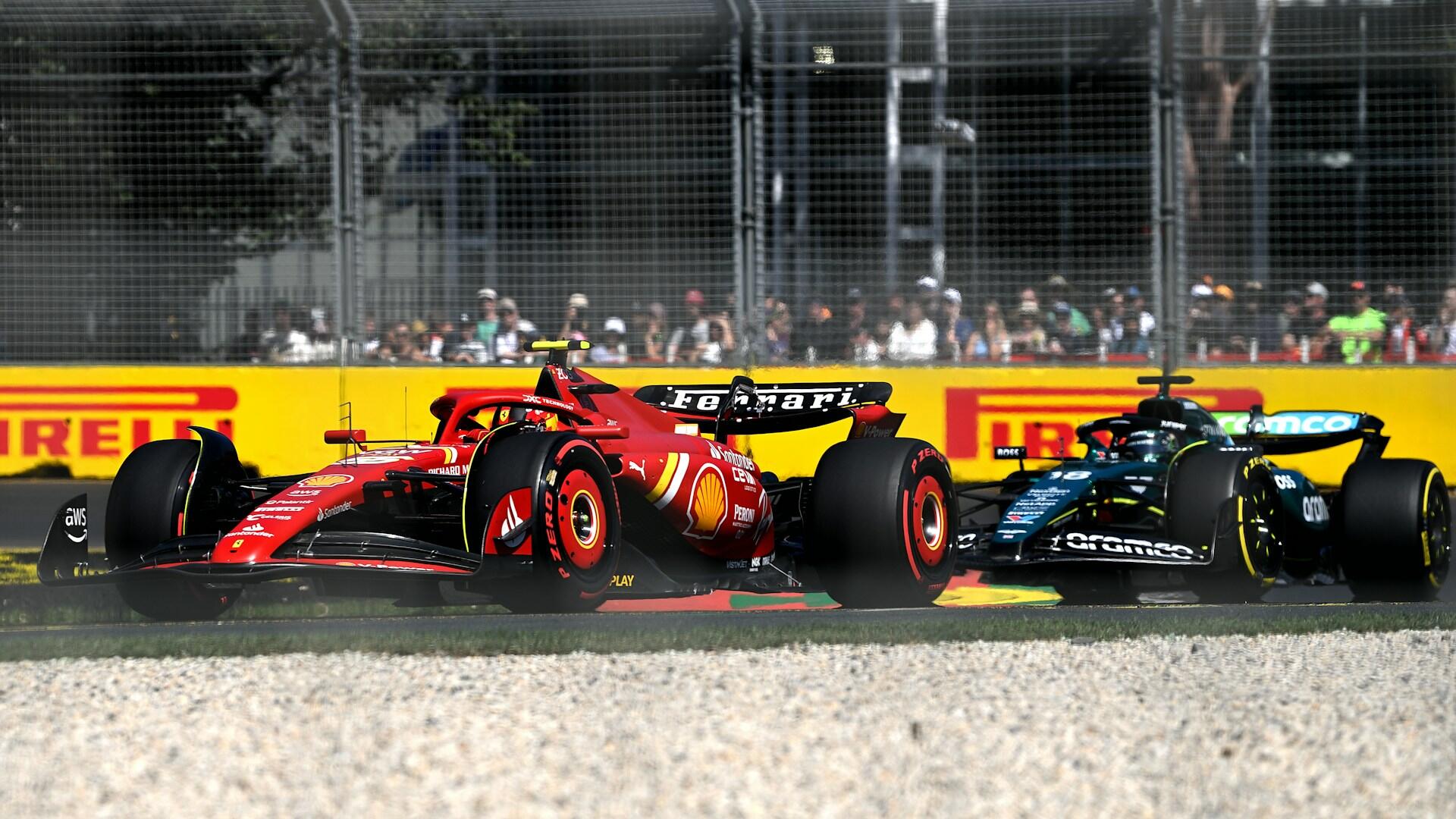

The 2026 Formula 1 season has a new rulebook; it brought the biggest grid expansion in over a decade, two brand-new manufacturer entries, and a championship order that even fans did not predict. It's a transformative and expansive moment for this sport, with an 11th team confirmed. Walk through this 2026 F1 Guide and check who's racing, why the grid grew, and which teams are actually leading the pack as the season resumes from its summer break.
| F1 Calendar | Key date |
|---|---|
| 7 March 2025 | FIA and F1 formally approve Cadillac as the 11th team |
| 19 December 2025 | FIA publishes the official 2026 entry list, confirming 11 teams and 22 drivers |
| 20 January 2026 | Honda unveils its 2026 power unit for Aston Martin in Tokyo |
| 26-30 January 2026 | Private pre-season test, Barcelona |
| 11-20 February 2026 | Official pre-season testing, Bahrain |
| 8 March 2026 | Season opener, Australian Grand Prix, Melbourne |
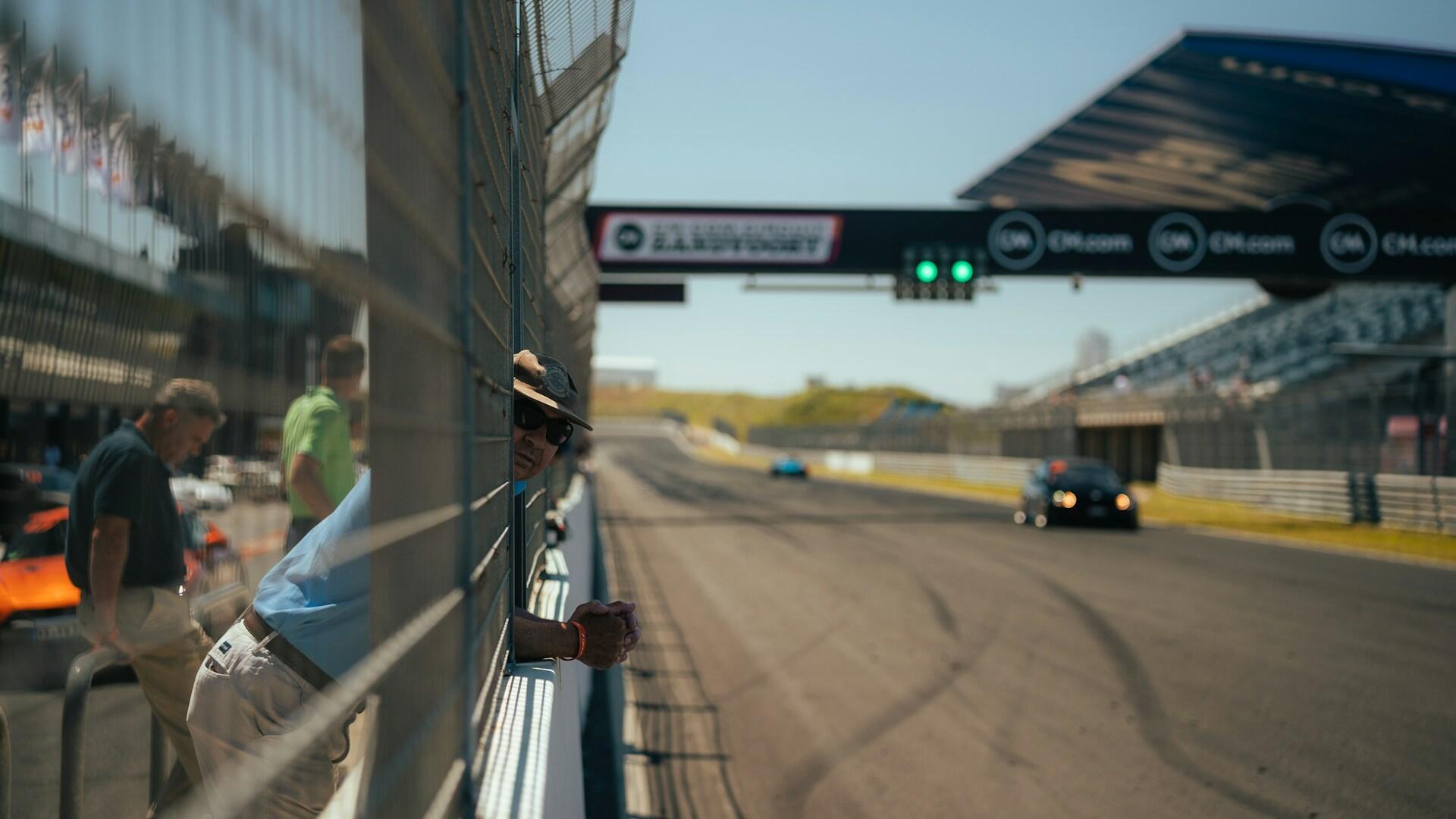
| 21-23 August 2026 | Season resumes after summer break, Dutch Grand Prix, Zandvoort |
| 4-6 December 2026 | Season finale, Abu Dhabi Grand Prix |


What Are F1 Teams?
Team vs Constructor: What's The Difference?
Although "team" and "constructor" often get used interchangeably, they're not quite the same thing.
⚙️ A Formula 1 team includes all operational personnel: the drivers, the pit crew, the engineers, the factory, and the sponsors on the car.
🏆 A constructor is the legal and technical entity that actually designs and builds the chassis (the part that earns points in the Constructors' Championship).
Most of the time one team equals one constructor (Ferrari builds and races as Ferrari), but the distinction matters in 2026 more than usual: Audi's constructor entry has effectively replaced Sauber's, even though much of the workforce, the Hinwil factory, and the entry slot itself carried over. The FIA's official 2026 entry list still lists the legal company as Sauber Motorsport AG, even as the team competes as the Audi Revolut F1 Team; corporate paperwork and race-day branding don't always move at the same speed.
How Many F1 Teams Are There In 2026?
The 2026 grid has 11 teams (the largest in a decade), 22 drivers, and 22 cars competing in the FIA Formula One World Championship. The main numbers for the 2026 season were confirmed on the FIA's official entry list, published in December 2025.
| Team | 2026 status | Home base | Engine / manufacturer | Key note |
|---|---|---|---|---|
| Ferrari | Established | Maranello, Italy | Ferrari (works) | Only team to race every F1 season since 1950 |
| McLaren Mastercard F1 Team | Established, defending champion | Woking, UK | Mercedes (customer) | Won both 2025 titles; new title sponsor |
| Oracle Red Bull Racing | Established | Milton Keynes, UK | Red Bull Ford (works, new) | First in-house Red Bull power unit |
| Mercedes-AMG Petronas | Established | Brackley, UK | Mercedes (works) | Constructors' leader after Round 11 of 22 |
| Aston Martin Aramco | Established | Silverstone, UK | Honda (works, new) | Newey's first full season leading the team |
| Alpine | Established | Enstone, UK | Mercedes (customer, new) | Dropped in-house engine programme |
| TGR Haas F1 Team | Established | Kannapolis, USA / Banbury, UK | Ferrari (customer) | Toyota joins as title partner |
| Williams | Established | Grove, UK | Mercedes (customer) | Multi-year rebuild under Vowles |
| Racing Bulls | Established | Faenza, Italy | Red Bull Ford (customer) | Fields 2026's only rookie Lindblad |
| Audi Revolut F1 Team | Manufacturer transition from Sauber | Hinwil, CH (chassis) / Neuburg, DE (PU) / Bicester, UK (tech) | Audi (works, new) | FIA entry list still shows legal name Sauber Motorsport AG |
| Cadillac F1 Team | New entrant | Silverstone, UK / Fishers, Indiana, USA | Ferrari (customer) | First new team since Haas (2016); in-house GM engine planned |
Why The Number Can Change
Grid size isn't fixed; it's governed by the Concorde Agreement and the FIA's sporting and technical regulations, which set out the assessment process for a new applicant. A prospective entrant needs FIA and Formula 1 to sign off on its sporting, technical, and commercial readiness before a single car turns a wheel.
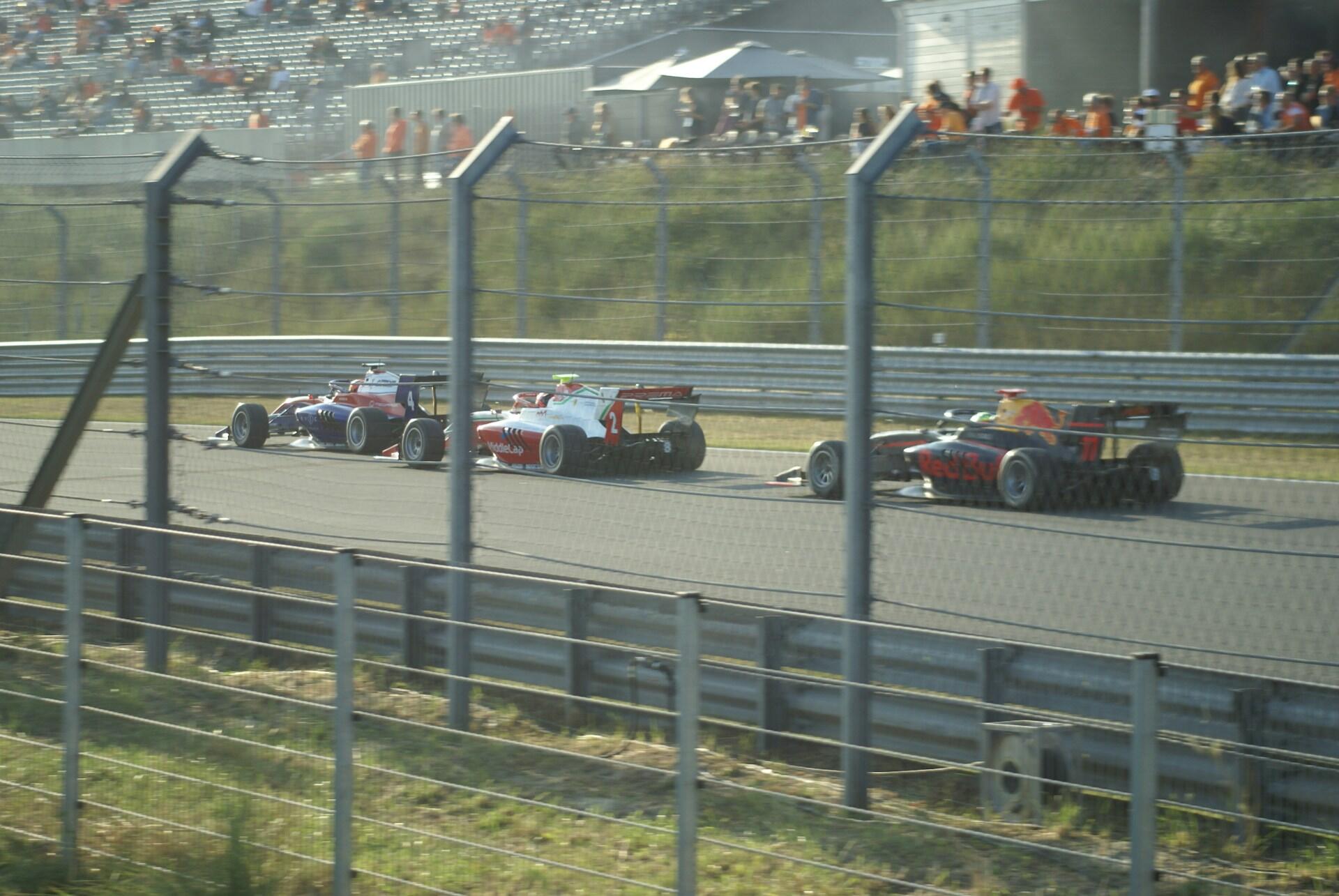
That's exactly the process Cadillac went through: General Motors and TWG Motorsports first signalled intent to enter in November 2024, and full approval as the 11th team didn't land until 7 March 2025, after months of assessment.
Manufacturer partnerships also reshape the count without changing it: Audi's takeover of Sauber didn't add a team, but it did change who owns and runs one of the 11 slots. Going the other way, an existing team folding, merging, or failing a financial or technical review could shrink the grid again. For 2026, though, the trend has been expansion: this is the first time since 2016 that more than 10 teams have lined up on the grid.
Full List Of Formula 1 Teams In 2026
Current F1 Teams Expected To Remain Central To The 2026 Grid
New Or Evolving Entries To Watch
Audi Formula 1 is not a brand-new applicant as Cadillac is; it's more of a manufacturer transition. Audi took a minority stake in Sauber in January 2023, then moved to 100% ownership in 2024, using the existing Hinwil chassis operation and entry slot while building its own power unit at a dedicated facility in Neuburg an der Donau, Germany. A third technology centre in Bicester, UK, rounds out the operation. It's a confirmed, fully-fledged works entry for 2026, not a future project.

Cadillac Formula 1 is genuinely new: F1's first fresh entrant since Haas joined in 2016, and only the second American-owned constructor on the current grid. Backed by General Motors and TWG Motorsports and fielding F1 veterans Sergio Pérez and Valtteri Bottas, the team races with customer Ferrari power units while building toward an in-house GM engine, targeted for the end of the decade. Its main technical base sits at Silverstone, UK, with a large new US facility under construction in Fishers, Indiana.
Key F1 Teams To Know In 2026
Ferrari Formula 1
The only constructor to have competed in every world championship season, Ferrari carries more weight in F1's history than any other team; its road-car brand recognition extends the sport's reach far beyond racing audiences.
Under the 2026 reset, Ferrari heads into the second half of the season sitting second in the constructors' standings, chasing a Mercedes team that has dominated the early rounds with Hamilton and Leclerc both taking wins this year.
Formula 1 Aston Martin
Aston Martin's transformation from Racing Point into a title-chasing operation has been one of the sport's more deliberate long-term projects, backed by owner Lawrence Stroll's investment in a new Silverstone campus and, from 2026, a fresh works engine partnership with Honda. Adding one of the most decorated car designers in F1 history as Team Principal, Adrian Newey, signals real competitive ambition, even if results have been mixed through the early rounds of this reset season.
Audi Formula 1
Audi's route into F1 has involved acquiring an existing, experienced team and an entry slot, layering its own power unit programme on top. It's a project years in the making, and it's a major storyline precisely because Audi is the first Volkswagen Group brand to compete in F1 as a full works team, with a stated ambition, voiced repeatedly by Audi CEO Gernot Döllner, of fighting for the championship by decade's end.
Cadillac Formula 1
Cadillac hasn't scored a podium yet, but launched with a stellar driver lineup, Sergio Pérez and Valtteri Bottas, who between them have decades of grand prix experience. This team generates outsized search interest as the first genuinely new constructor on the grid in a decade and the second American-owned team currently racing. The team completed its first competitive laps in pre-season testing ahead of the 2026 opener.
What Changes In F1 Teams For 2026?
Why 2026 Is An Important Reset Year
Formula 1 rewrites its technical rulebook every few seasons, but 2026 is unusual because the chassis and power unit regulations changed at the same time, something the sport hasn't attempted since the mid-2010s. New rules tend to reshuffle the competitive order because every team starts from a blank sheet: years of accumulated aerodynamic and engine knowledge under the old rules become far less valuable overnight.
That's exactly what's played out this year. Mercedes, which struggled through the previous ground-effect era, has instead built the strongest package under the new regulations. At the same time, McLaren and Red Bull, dominant under the old rules, have had to fight their way back.
The Impact Of New Engine And Chassis Rules
The cars are smaller, lighter (minimum weight of 768kg), narrower, and designed to produce less "dirty air" behind them, which should make overtaking easier. On the power side, the old MGU-H heat-recovery system is gone; the electrical share of total power roughly doubles, toward a 50:50 split with the combustion engine; and every car now runs on fully sustainable fuel.
A new "active aerodynamics" system, with drivers switching between low-drag and high-downforce modes, effectively replaces the old DRS overtaking button. Because engine and chassis rules changed together, teams that got either piece wrong were always going to be punished hard in year one (and several of last year's front-runners have been).
🟢 Pre-reset era
- Ground-effect floors and Venturi tunnels generate most of the downforce
- MGU-H recovers energy from exhaust gas
- DRS is the primary overtaking tool
- McLaren and Red Bull lead the competitive order
➡️ 2026
- Flatter floors, active front/rear wings ("X-Mode" and "Z-Mode") replace the old aero philosophy
- MGU-H is removed; electrical power roughly doubles
- Active aero replaces DRS as the main overtaking aid
- Mercedes leads the constructors' standings at the season's halfway point
Which F1 Teams Are The Strongest Right Now?
Title-Winning Teams And Championship Contenders
After the Hungarian Grand Prix(round 11 of 22), Mercedes leads the Constructors' Championship, with Ferrari in second. On the drivers' side, rookie-turned-title-contender Kimi Antonelli tops the standings, with seven-time champion Lewis Hamilton (now racing for Ferrari) in second and teammate George Russell close behind.
It's a genuine changing of the guard: reigning champions McLaren and four-time champions Red Bull Racing, the two dominant forces of the previous rules era, have both had to play catch-up under the new regulations, though wins for Norris and Verstappen through the season show neither is out of contention.
The competition depends heavily on the regulation cycle: teams that read a new rulebook correctly can lead for a year. In contrast, the dominant teams from the previous era can fall behind just as quickly. Treat any "tier list" as a snapshot of a single point in the season, not a permanent ranking.
Midfield And Development-Focused Teams
Aston Martin, Alpine, Williams, Haas, and Racing Bulls have spent the first half of 2026 trading places in the midfield, while Audi's transition from Sauber has come with the inevitable teething problems of integrating a brand-new power unit into a chassis programme for the first time.
| Tier | Teams | Description | |
|---|---|---|---|
| Front-runners | Mercedes, Ferrari | Currently leading the constructors' standings and taking the majority of wins/poles | |
| Championship-capable | McLaren, Red Bull Racing | Defending champions still capable of winning; rebuilding pace after a slower start | |
| Midfield battle | Aston Martin, Alpine, Williams, Haas, Racing Bulls | Competing closely for "best of the rest"; gaps are narrow | |
| Building phase | Audi, Cadillac | Newest or most transformed entries | still developing baseline performance |
How F1 Teams Are Organized
Main Roles Inside An F1 Team
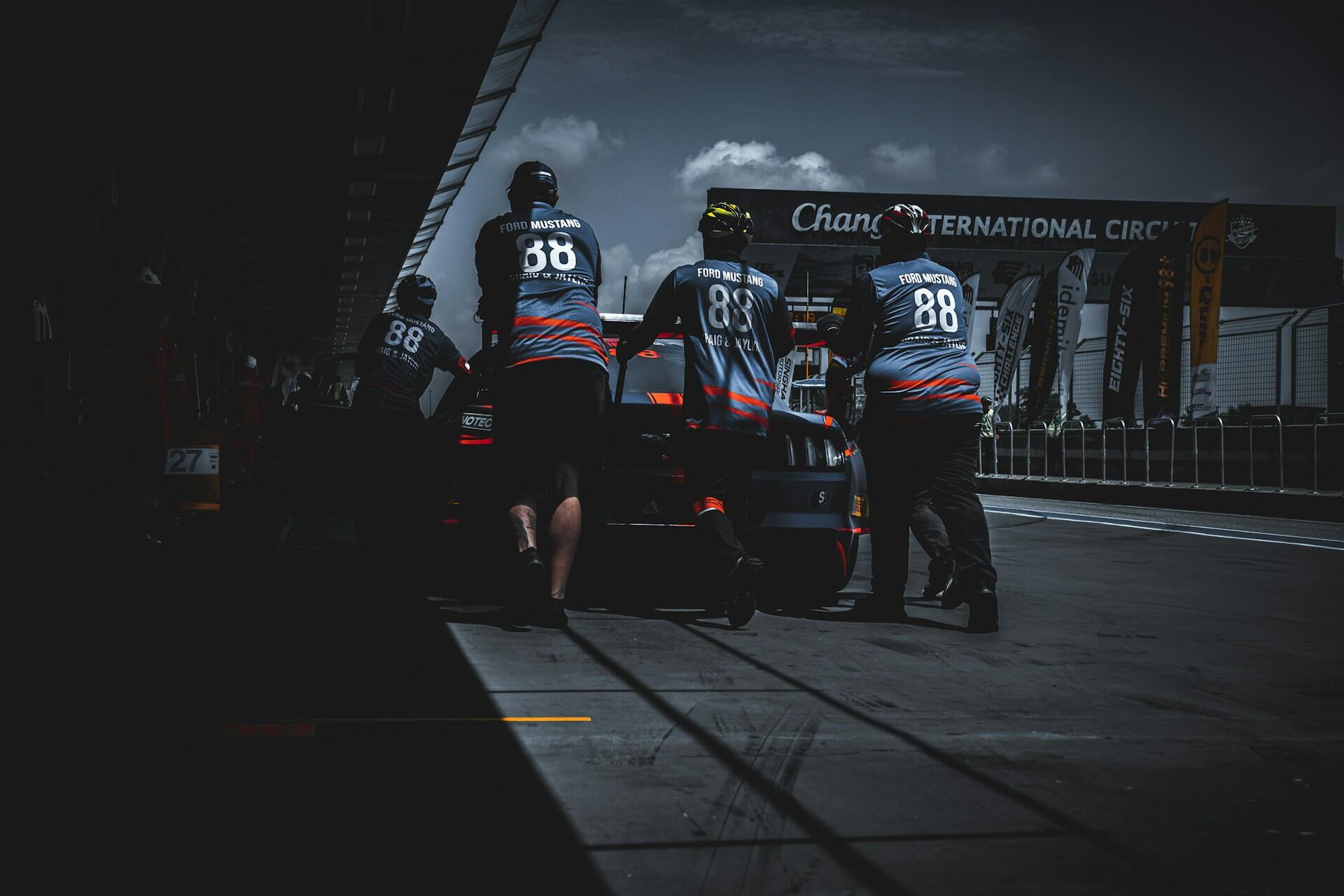
An F1 team is built around several core functions. The drivers are the most visible members, but a race weekend is steered by the team principal, who oversees overall strategy and personnel; the race engineers, who communicate directly with each driver and manage car setup; and the technical director, who leads the design of the chassis and aerodynamic package.
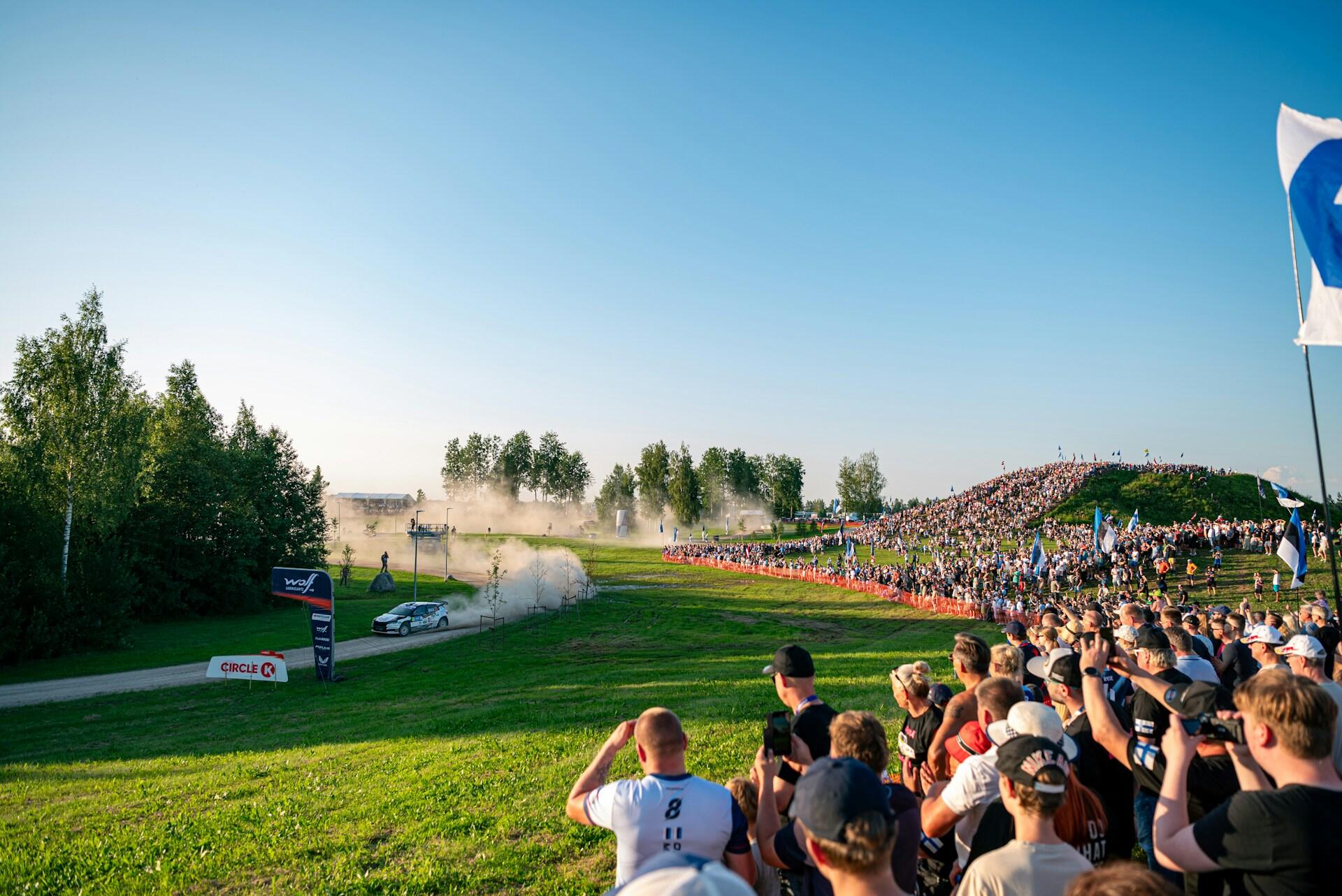
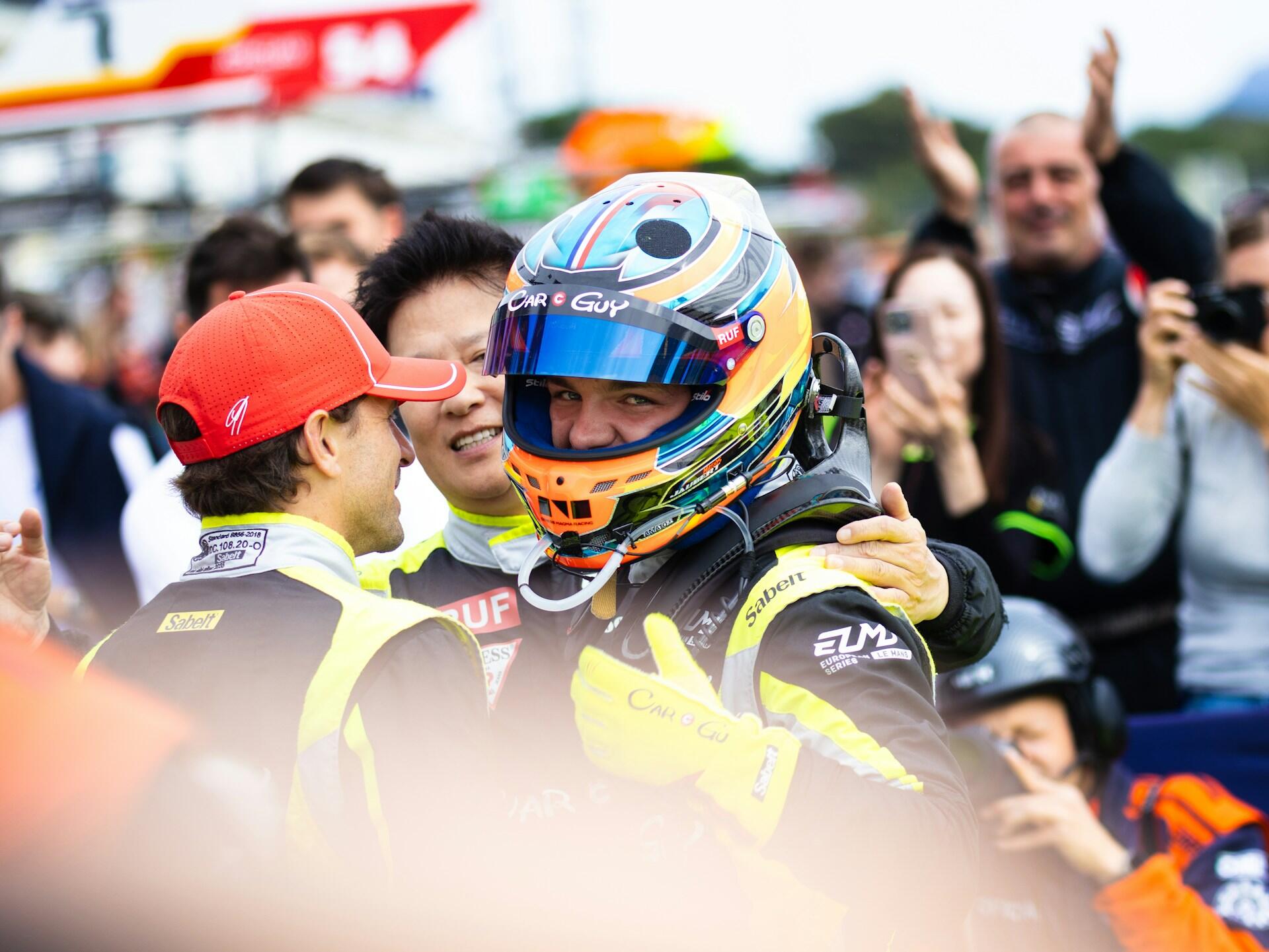
On the ground, the pit crew executes pit stops in a matter of seconds. At the same time, separate strategy and aerodynamics departments work throughout a race weekend (and the season) refining performance back at the factory.
How Teams Score Points
Every points-paying race awards points to the top 10 finishers, currently 25 points for the winner down to 1 point for 10th. A driver's points also count toward their team's total in the Constructors' Championship, so a team with two cars finishing fourth and sixth scores more for the constructors' table than a single win with a retirement for the other car.
That's why driver consistency across an entire lineup, not just the form of one star driver, is often what decides which team finishes on top by season's end.
F1 Teams And Drivers: How Lineups Work
Why Driver Pairings Matter
A team lineup usually balances experience against fresh talent; it's never a coincidence that certain driver pairings are formed. For example, pairing a veteran like Fernando Alonso or Lewis Hamilton with feedback-rich development potential, or, in Racing Bulls' case, giving an 18-year-old rookie like Arvid Lindblad his debut alongside the more experienced Liam Lawson.
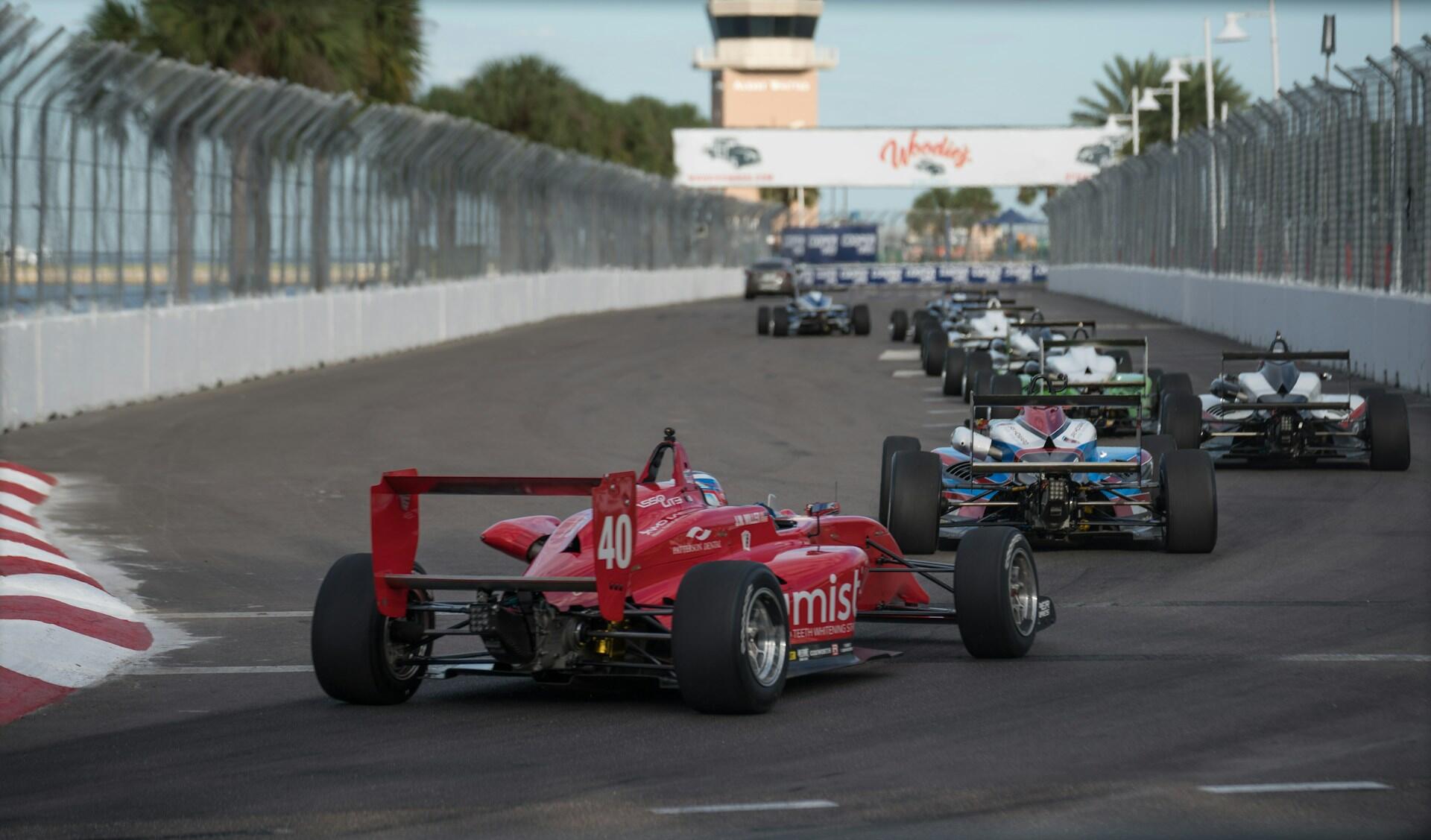
Development feedback matters more than ever in a reset season like this one of 2026, when every team is still learning how its new car behaves; a driver who communicates clearly with engineers can accelerate the whole team's progress.
Sponsorship and national markets play a role too: bringing in a driver with strong backing in a growing commercial region, or reuniting fan-favourite veterans like Pérez and Bottas for Cadillac's launch, can matter as much to a team's business plan as outright lap time.
What To Watch Next For F1 Teams In 2026
- With 11 rounds still to run after the summer break, the second half of 2026 is where this reset season will really be decided. Ferrari, McLaren, and Red Bull Racing all have significant development updates targeting Mercedes' advantage, and teams across the midfield.
- Aston Martin especially (given its new Honda partnership) is chasing the kind of late-season form that can define how a new regulation cycle settles.
- Fans are watching how quickly Audi and Cadillac close the gap on the established order; in past reset years, the biggest gains have often come in year two, not year one.
References
- 2026 FIA Formula One World Championship Entry List – FIA (2025, 19 December). Available at: fia.com (Accessed: August 2026)
- This marks a new beginning – Audi complete first fire-up of 2026 F1 car – Formula1.com (2025, December). Available at: formula1.com (Accessed: August 2026)
- 2026 Regulations Explained: power units – Formula1.com (2026, January). Available at: formula1.com (Accessed: August 2026)
- 2026 Regulations Explained: aerodynamics – Formula1.com. Available at: formula1.com (Accessed: August 2026)
- Explaining F1's new 2026 regulations – McLaren.com (2026, January). Available at: mclaren.com (Accessed: August 2026)
- Formula 1 in 2026: full schedule – ESPN (2026, March). Available at: espn.com (Accessed: August 2026)
- F1 standings: 2026 Constructors' Championship – Yahoo Sports/AP (2026, August). Available at: sports.yahoo.com (Accessed: August 2026)
Summarise with AI:
Did you like this article? Leave a rating!

 Loading...