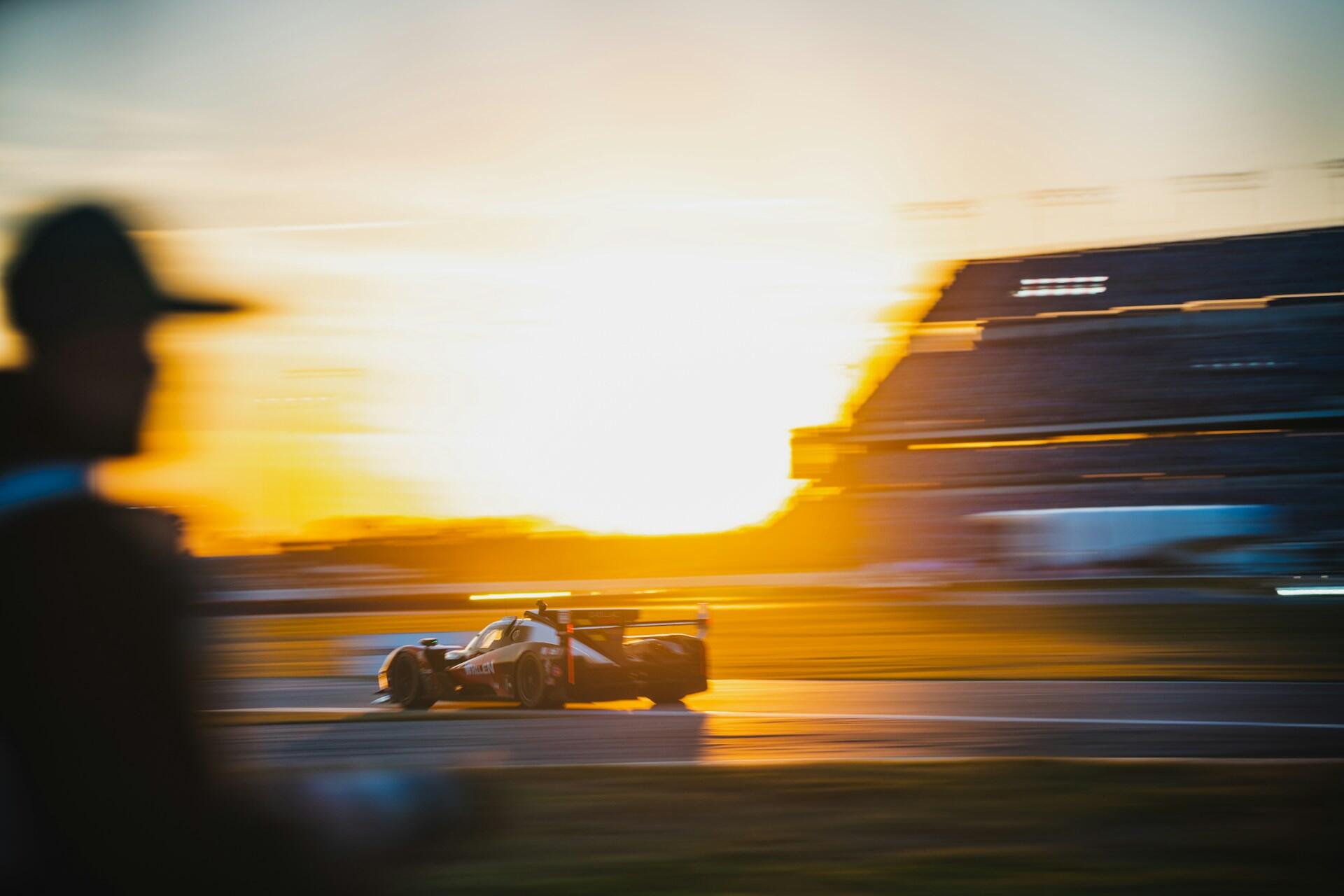

The Formula 1 Grand Prix is one of the most complete sports shows to watch on TV: screaming engines, pit crews changing four tyres in under two seconds, drivers pulling 6G through a corner. How do they crown a champion at the end of the year? How does a race weekend unfold? What makes the cars so extreme? Which countries participate? Underneath the show and chaos, Formula 1 runs on a very precise structure: a points system, two championships, and eleven teams all racing to the same rulebook.


What Is Formula 1?
Why is it called "Formula 1"?
The term Formula refers to the set of technical and sporting regulations that every team and every car on the grid must follow, while the "1" signals that this is the top tier: the premier, fastest, most technically advanced category of single-seater racing, sitting above feeder series like Formula 2 and Formula 3.
All regulations are defined by the sport's governing body, the FIA (Fédération Internationale de l'Automobile), and any car that doesn't meet those requirements isn't allowed to race; the elements checked are:
🔼 Engine size
⚖️ Weight limits
🔃 Aerodynamic rules
⭕️ Chassis dimensions
🔓 Safety equipment
The F1 championship as we know today began on 13 May 1950, when the first round of the FIA Formula One World Championship was held at Silverstone, England. The race, won by Giuseppe "Nino" Farina in an Alfa Romeo 158, was held in front of King George VI and Queen Elizabeth.
What makes F1 different from other racing series?
A few things set F1 apart from other motorsport disciplines:
How Formula 1 Works
What is a Grand Prix?
A Grand Prix in Formula 1 is a single race within the championship, held at a different circuit, sometimes a permanent track and sometimes a temporary street course. A standard Grand Prix covers a minimum of 305 kilometres (260 km at Monaco, because it's a slower street circuit), and the number of laps is whatever it takes to exceed that distance at each venue.
How a Formula 1 season is organised
- Each Grand Prix normally runs Friday to Sunday and follows the same structure:
- Practice sessions to fine-tune the car
- A qualifying session to set the starting grid
- The race itself on Sunday.
Six rounds each year also use the "Sprint" format, which compresses practice and adds a short Saturday race with its own points on offer.
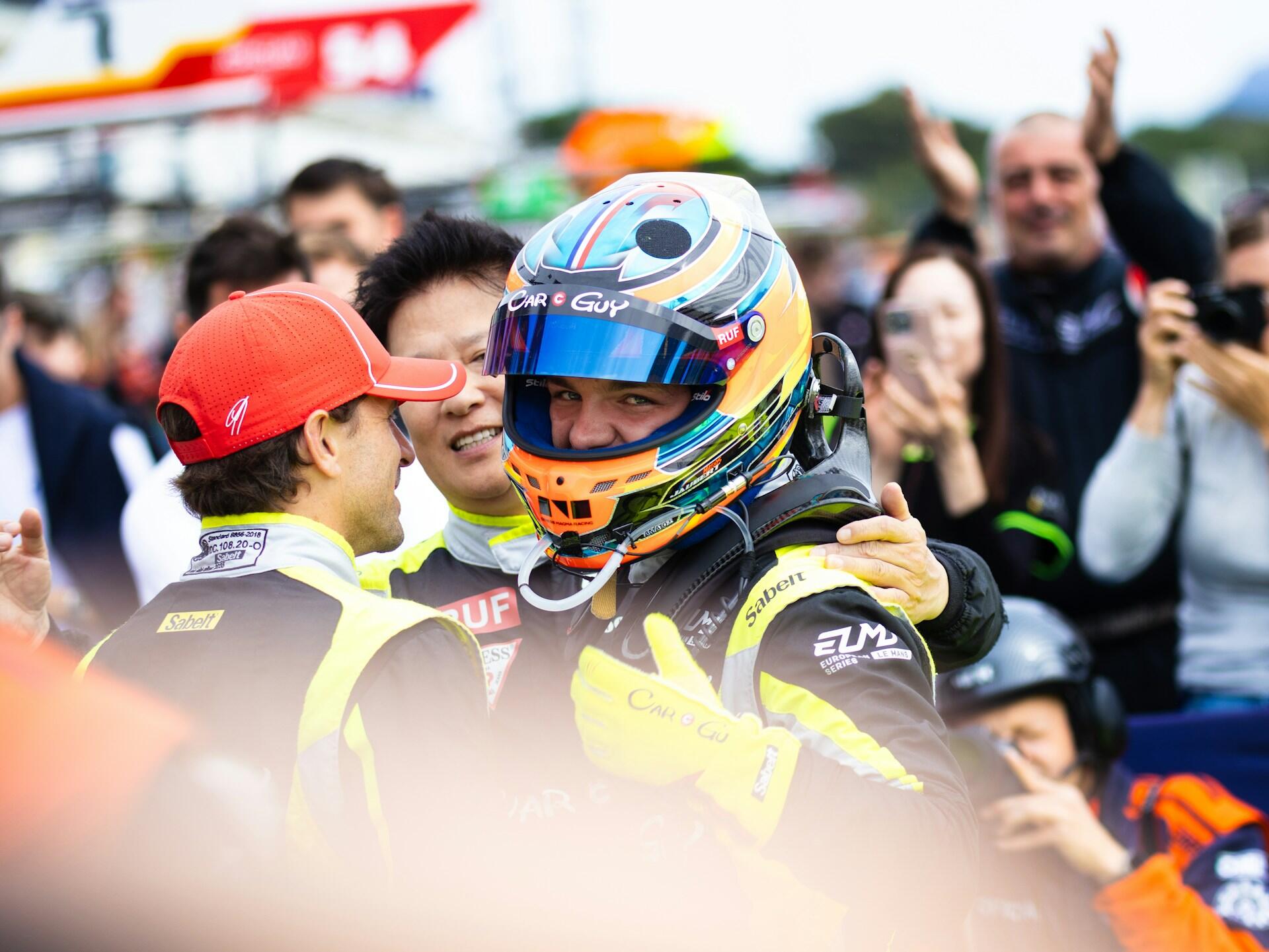
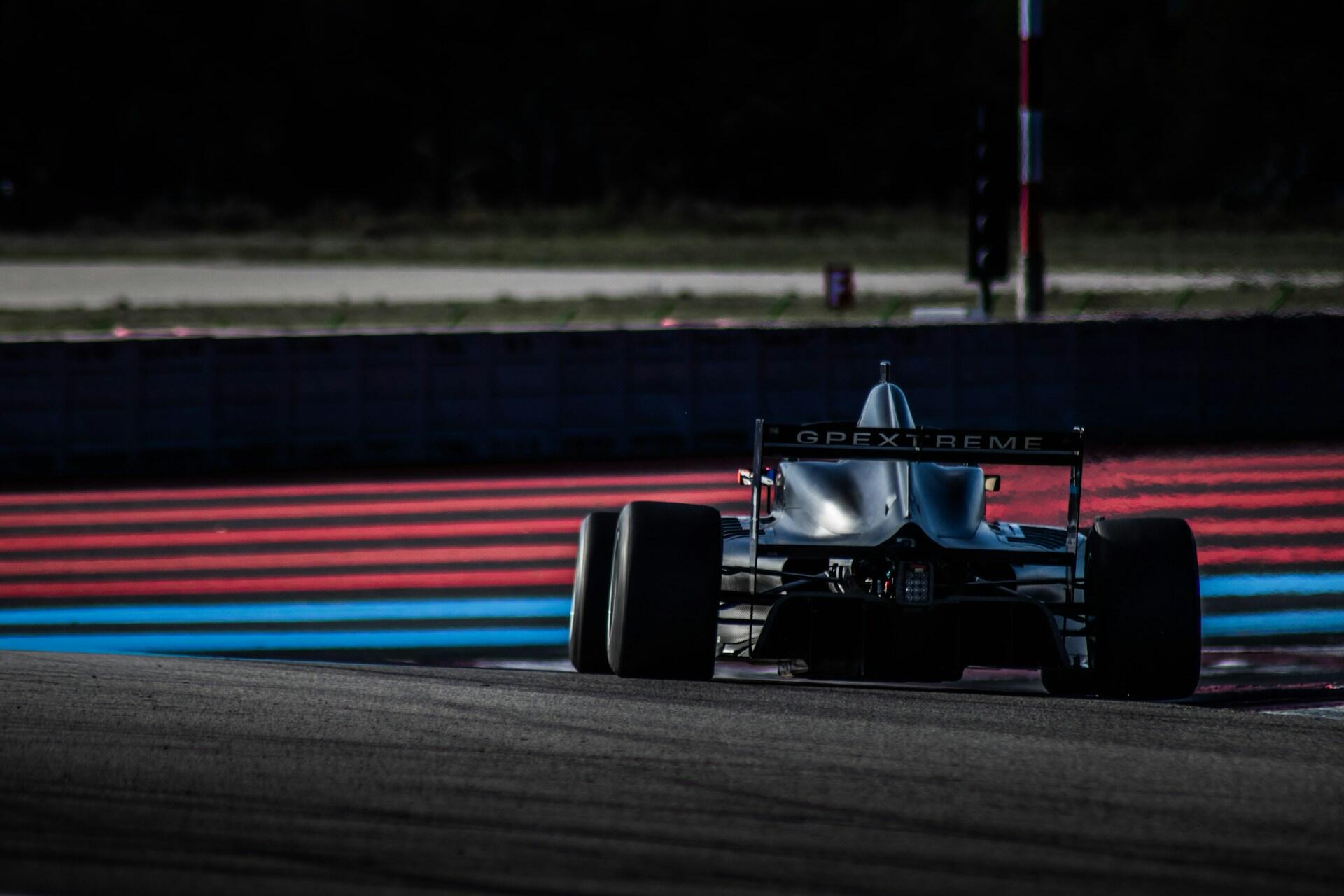
Every result (from every one of the 24 rounds on the 2026 calendar) feeds into two running totals: the Drivers' Championship and the Constructors' Championship. Whoever leads those tables once the final race is over is crowned champion.
How teams and drivers compete
There is a general two-car rule that applies to all participants. Every team on the grid fields two cars and two drivers, with each driver scoring points individually toward the Drivers' Championship, and those points are added to their teammate's to form the team's total in the Constructors' Championship.
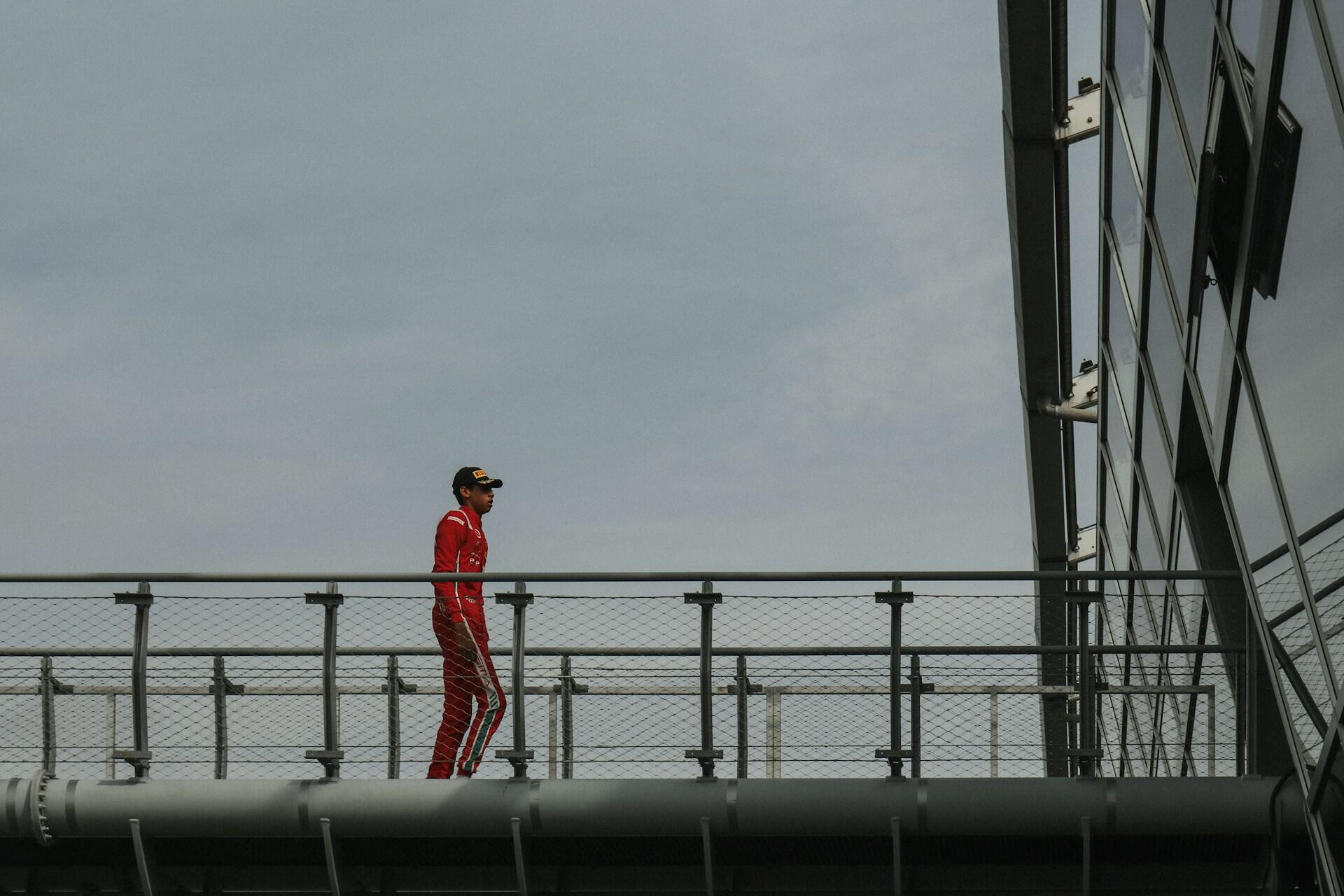
A driver's every finishing position matters twice: once for their own title fight, and once for their team's.
For the 2026 season specifically, that general two-car rule applies across 11 constructors, for a grid of 22 drivers in total. It's the first time the field has grown beyond 10 teams since 2016, with 11 constructors for the first time since 2016, as Cadillac arrives as a brand-new team and Sauber completes its transition into Audi's full works outfit. This specific team/driver count is a snapshot of the current season, not a fixed part of the sport's rules, and it can change from year to year as teams enter or leave the championship.
F1 Cars Explained
What makes an F1 car so fast?
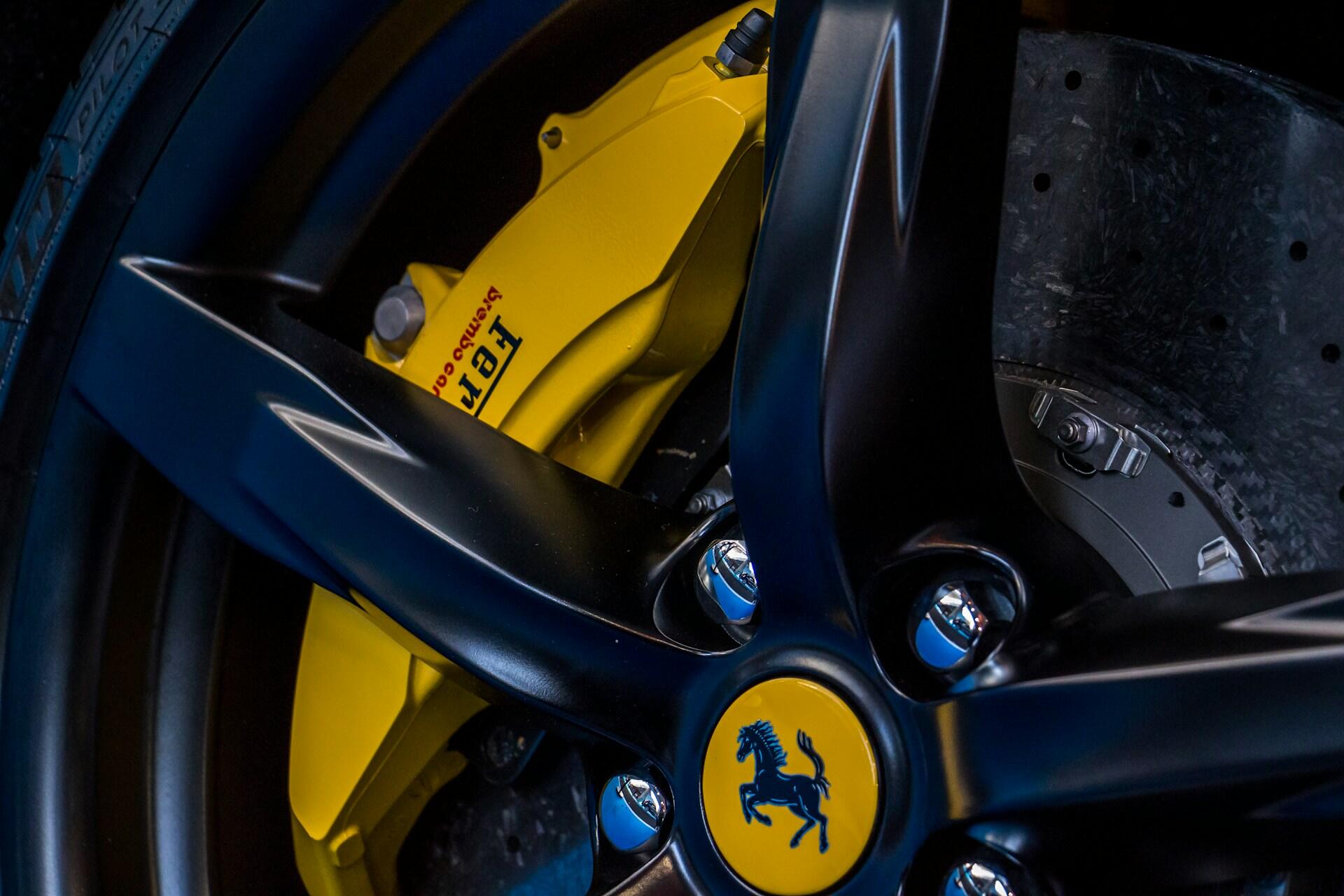
Speed in F1 is about downforce, weight and braking working together. The wings and underfloor push the car onto the track at speed, allowing far higher cornering speeds than a road car or most other race cars could survive. The hybrid power unit (a 1.6-litre turbocharged V6 combined with electrical motor-generators) can push a car from 0-100 km/h in around 2.6 seconds, while carbon-fibre brakes and construction keep the car as light as the regulations allow.
Modern F1 cars are also rolling laboratories: they carry more than 250 sensors and can generate over a terabyte of data across a single race weekend.
What are the main parts of an F1 car?
Why F1 cars are not road cars
An F1 car is built purely for lap time and out-of-the-ordinary performance, not for everyday use; it requires a support team and specialist fuel to start. It has no doors, no lights, no indicators, no passenger space and nowhere to put luggage. A Formula 1 car follows a completely different safety framework, is built around a survival cell, a Halo cockpit protection device, and crash structures designed for racing impacts, not for public-road collisions.
Formula 1 Race Weekend Basics
Practice
Free Practice sessions (FP1, FP2 and, on non-Sprint weekends, FP3) give teams track time to fine-tune the car's setup and let drivers relearn the circuit. Teams often trial new aerodynamic parts here, and each driver must sit out two FP1 sessions a season so a rookie can drive instead.
Qualifying
Qualifying decides Sunday's starting grid purely on lap time. It's split into three knockout stages, Q1, Q2 and Q3, with the slowest drivers eliminated after each stage until the final ten fight for pole position in Q3.
The race
The Grand Prix of each city itself is the main event, usually lasting up to two hours. Drivers race for finishing position, and, for those inside the top ten, championship points.
Strategy during a race
In Formula 1, every race is also a strategic battle happening in parallel with the on-track one. Teams have to decide when to pit for fresh tyres, which tyre compounds to use and in what order, how to manage fuel and engine modes, and how to react if rain or a Safety Car changes the picture. A well-timed pit stop can win a race just as easily as a fast lap can.
Formula 1 Points System
How points are awarded in F1
Points go only to the top ten finishers in a Grand Prix, on a sliding scale that heavily rewards winning: first place is worth seven more points than second. This scoring system has been used since the 2010 season.
There used to be a bonus point for the fastest lap of the race; that rule, which ran from 2019 to 2024, was scrapped by the FIA to stop non-contenders influencing the title fight with a single late, low-fuel lap.
Formula 1 points system table
| Finishing Position | Grand Prix Points | Sprint Points |
|---|---|---|
| 1st | 25 | 8 |
| 2nd | 18 | 7 |
| 3rd | 15 | 6 |
| 4th | 12 | 5 |
| 5th | 10 | 4 |
| 6th | 8 | 3 |
| 7th | 6 | 2 |
| 8th | 4 | 1 |
| 9th | 2 | — |
| 10th | 1 | — |
| 11th and below | 0 | 0 |
Under the FIA's sporting regulations, full points are awarded only once at least two laps have been completed; reduced or no points are awarded if a race is stopped early. No bonus point is currently on offer for the fastest lap.
Why the points system matters
In Formula 1, only the top ten score, and a win is worth so much more than second place; the points system rewards consistency as much as outright speed. Championships in F1 are so often decided by reliability and racecraft, not just raw pace; a driver who finishes third five times can outscore a driver who wins once and then retires four times.
Drivers' points vs constructors' points
Formula 1 is a real team sport. A team's title fight depends on both of its drivers, not just its lead driver. Drivers accumulate points individually for the drivers' championship, while those same points are then combined with their teammate's for the Constructors' Championship. If a driver switches teams mid-season, they keep the points they've already scored, and so does their old team.
F1 Teams, Drivers, and Championships
What is a constructor in Formula 1?
A constructor in Formula 1 is the entrant that designs, builds and races the car; it is what fans usually call "the team". Some constructors also build their own power units (such as Ferrari and Mercedes); others buy engines from a manufacturer and design everything else in-house.
The two major championships
Formula 1 crowns two champions every year: the World Drivers' Championship, awarded to the individual driver with the most points, and the World Constructors' Championship, awarded to the team with the highest combined points across both its cars.
Contested since 1958, the Constructors' Championship determines a share of the sport's prize fund, making it commercially just as important to teams as the Drivers' title is to individual reputations.
Formula 1 isn't actually the fastest form of motorsport in a straight line. On oval superspeedways, IndyCar machinery can reach around 380 km/h (236 mph), well beyond an F1 car's typical top speed of roughly 350-360 km/h. NASCAR Cup cars, despite weighing nearly double an F1 car, still top out close to 320 km/h (200 mph) even with speed-restricting rules in place. What sets F1 apart isn't outright top speed — it's cornering. Thanks to extreme aerodynamic downforce, an F1 car can lap a twisty road course dramatically faster.
Why teamwork matters in F1
F1 is sometimes described as an individual sport, but a driver is only ever as fast as the team and car around them. A single lap time in Formula 1 is the result of the work of various people: aerodynamicists and engineers developing the car race after race, mechanics executing sub-three-second pit stops, strategists reading tyre data and weather models in real time, and analysts feeding all of it back to the driver over the radio.
Key F1 Terms for Beginners
| Term | What It Means |
|---|---|
| Grand Prix | An individual race weekend within the championship |
| Pole position | The grid slot awarded to the fastest driver in qualifying |
| Pit stop | A stop in the pit lane to change tyres or fix an issue |
| Downforce | Aerodynamic force that pushes the car onto the track for more grip |
| DRS (Drag Reduction System) | An adjustable rear wing flap that reduces drag to help overtaking in designated zones |
| Undercut | Pitting earlier than a rival to gain track position on fresher tyres |
| Parc fermé | Rules restricting car changes once qualifying begins to keep setups fair |
| Safety Car | A car deployed to neutralise the race during a hazard bunching the field |
| Sprint | A shorter standalone race on Saturday at selected rounds worth its own points |
Why Formula 1 Is So Popular
What attracts fans to F1?
F1's audience has grown rapidly in the last few years; it's one of the most-watched in the world thanks to active social media and reality-show TV, with Drive to Survive being a main reference for many new F1 fans.
One factor deserves its own mention: Netflix's reality "Formula 1: Drive to Survive". In the last couple of years, it's been widely credited with pulling in a huge wave of new fans, especially in the United States, by turning race weekends into ongoing personal storylines.
| Season & Release Date | Teams & Notable Drivers Featured |
|---|---|
| Season 1 — released 8 March 2019 (covers the 2018 season) | Ferrari and Mercedes declined to take part, so the season centres on the rest of the grid: Red Bull's Daniel Ricciardo, Renault, McLaren and Haas (with team principal Guenther Steiner emerging as a breakout personality) among the featured teams. |
| Season 2 — released 28 February 2020 (covers the 2019 season) | All ten teams took part for the first time, including Ferrari and Mercedes. Storylines follow Sebastian Vettel and Charles Leclerc's battle at Ferrari, Ricciardo's move to Renault, Pierre Gasly's demotion from Red Bull, and Carlos Sainz Jr.'s breakthrough podium. |
| Season 3 — released 19 March 2021 (covers the pandemic-shortened 2020 season) | Continues Ricciardo's story at Renault and Gasly's fight to reclaim a top seat, alongside Lewis Hamilton's record-equalling seventh world title with Mercedes. |
| Season 4 — released 11 March 2022 (covers the 2021 season) | Centres on the title fight between Lewis Hamilton (Mercedes) and Max Verstappen (Red Bull) — one of the most-watched seasons of the show, though Verstappen himself declined to be interviewed on camera that year. |
| Season 5 — released 24 February 2023 (covers the 2022 season) | Verstappen's second title with Red Bull, the team's budget-cap breach involving principal Christian Horner, and Daniel Ricciardo's exit from McLaren. |
| Season 6 — released 23 February 2024 (covers the 2023 season) | Verstappen's dominant Red Bull title defence, with continuing coverage of the wider midfield battle across the grid. |
| Season 7 — released 7 March 2025 (covers the 2024 season) | Pressure on Sergio Pérez at Red Bull, leadership changes at Haas and Alpine, and a tight fight for the Constructors' Championship. |
| Season 8 — released 27 February 2026 (covers the 2025 season) | Lewis Hamilton's difficult first year at Ferrari alongside Charles Leclerc, McLaren's double disqualification in Las Vegas, Verstappen's late-season resurgence, and Lando Norris's title-winning campaign. Shorter than previous seasons at 8 episodes, and released on Apple TV as well as Netflix in the United States. |
Close racing and rivalries between drivers and between constructors, the personalities behind the helmets and the pit walls, and the sport's constant technological arms race (from hybrid power units to active aerodynamics) keep engineers and fans equally hooked.
The dual-championship structure adds stakes at both the individual and team level all the way to the final race, and a calendar spanning five continents, from Melbourne, Monaco, Suzuka, Austin, Las Vegas or Mexico City, Formula 1 has a genuinely global character that few others can match.
References
- Formula 1. (2026) The beginner's guide to the F1 weekend. Available at: https://www.formula1.com/en/latest/article/the-beginners-guide-to-the-formula-1-weekend.5RFZzGXNhEi9AEuMXwo987 (Accessed: August 2026)
- Formula 1. (2026) What is F1? Formula 1 Explained. Available at: https://www.formula1.com/en/page/what-is-f1 (Accessed: August 2026)
- Autosport / Motorsport Network. (2025) How fast is an F1 car? Top speeds of F1, IndyCar, MotoGP and more. Available at: https://www.autosport.com/f1/news/how-fast-is-an-f1-car-top-speeds-of-f1-indycar-motogp-and-more-4980734/4980734/ (Accessed: August 2026)
- Paddock Tracker. (2026) How does the Formula 1 points system work? Available at: https://paddock-tracker.com/information/formula-1/how-the-f1-points-system-works (Accessed: August 2026)
Summarise with AI:
Did you like this article? Leave a rating!

 Loading...