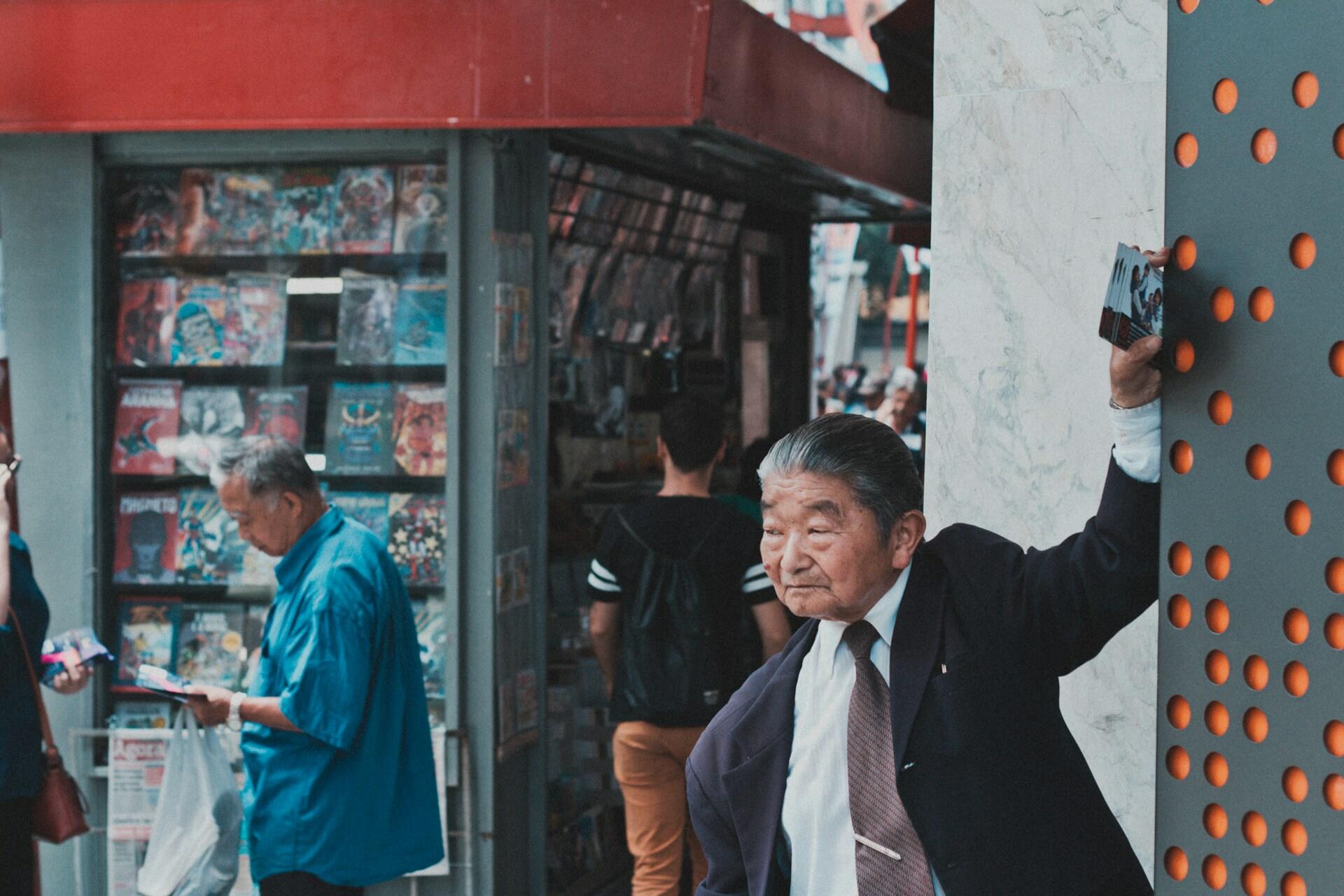

Korean society is overwhelmingly respectful and harmonious, and that's by design1. It was built around Confucian values of hierarchy and respect, particularly for elders. This self-reinforcing system perpetuates itself thanks to society-wide accordance with the social code. Thus, the Korean language offers degrees of formality when greeting people, along with different ways to greet them.
| 🎩 Formality level | 👋 Greeting | 📖 What it means | 🔊 How it sounds | ⌚ When to use it |
|---|---|---|---|---|
| Casual | 안녕 an nyeong | Hi | To greet your peers and people younger than you. | |
| Polite | 안녕하세요 an nyeong ha se yo | Hello | During formal occasions With elders When meeting someone for the first time | |
| Formal | 안녕하십니까 an nyeong ha sim ni kka | Salutations | Reserved for greeting elders at the most formal of occasions. Also for greeting people of high social status (your CEO, for example.) | |
| Polite | 잘 잤어요? jal jass eo yo? | Did you sleep well? | With family and guests, in the place of 'good morning'. | |
| Formal | 안녕히 주무셨어요 an nyeong hi ju mu syeoss eo yo? | Did you sleep well? | With elders or people of a higher social status than you. | |
| Casual | 밥 먹었어? bab meog eoss eo? | Have you eaten? | To greet family members, peers, and people younger than you. | |
| Polite | 밥 먹었어요? bab meog eoss eo yo? | Have you eaten? | To greet strangers or new acquaintances. | |
| Formal | 밥 드셨어요? bab deu syeoss eo yo? | Have you eaten? | Reserved for elderly people. | |
| Casual | 왔어? wass-eo? | You've come? | With your peers, siblings, and people younger than you. | |
| Polite | 왔어요? wass eo yo? | You've come? | In business other official dealings with people you know slightly. | |
| Formal | 오셨어요? o syeoss eo yo? | You've come? | Reserved for formal occasions and for people with higher social status. | |
| Polite | 잘 지냈어요? jal ji naess eo yo? | How have you been? | For firm acquaintances you haven't seen in a while. | |
| Polite | 여보세요? yeo bo se yo? | Hello? | For phone use only. |


Greetings in Korean Language Depend on Formality
By definition, a greeting is an act and/or the words you say upon meeting someone. It could be someone you live with or who is staying in your home for a time, or your classmates and colleagues. Don't forget about the mates you know from clubbing, hobby meets, and other activities!
For each group, Korean language greetings provide specific ways to convey your respect for both their status and their place in your life.
Formal Greetings
The most formal greetings are reserved for those with the most venerated status in your life. Those include the elders in your family - grandparents and great-grandparents. If you have a job, your direct supervisor and perhaps even their supervisor don't merit this level of greeting. However, the company CEO and others at the executive level do.
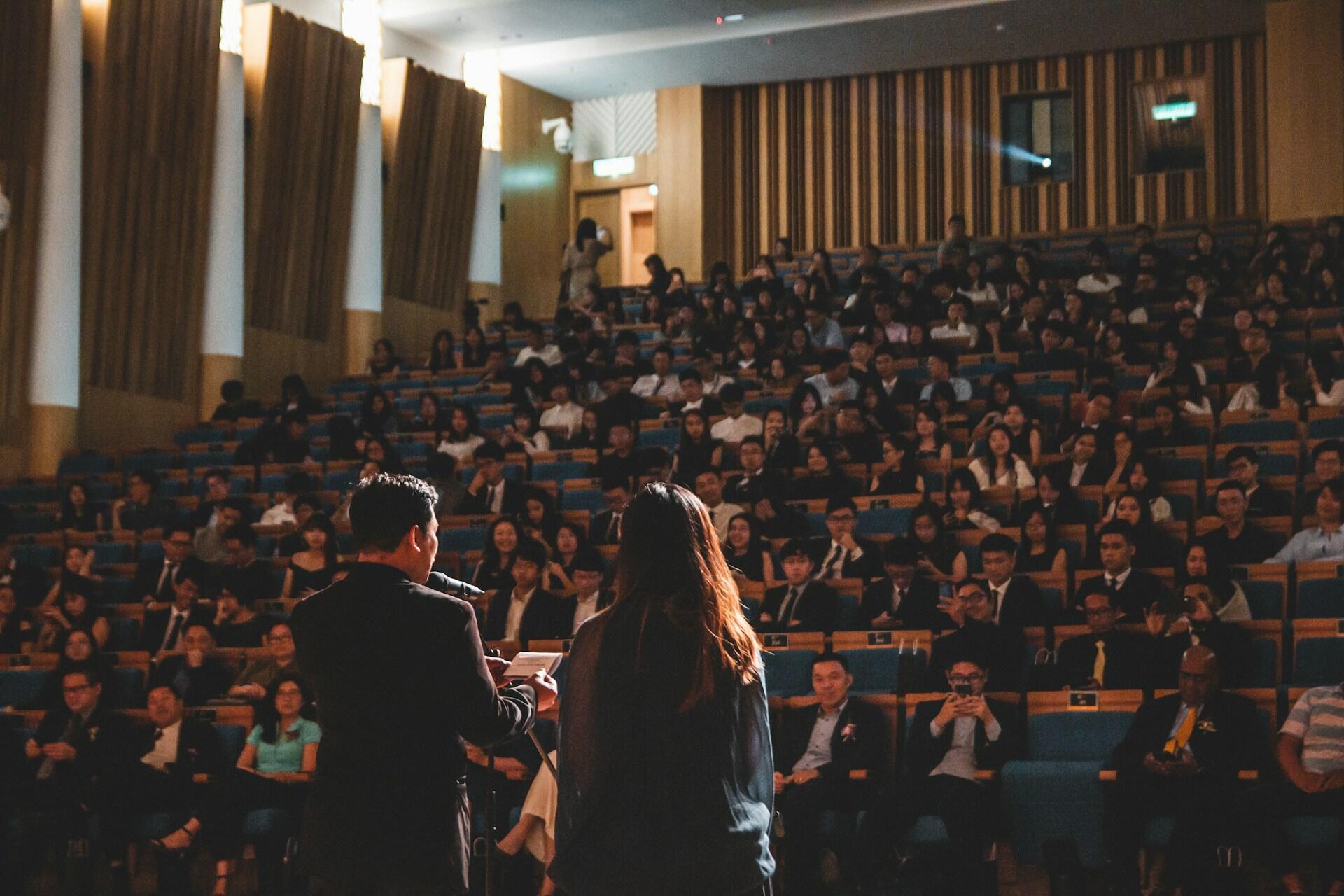
When giving a formal business presentation, treat your audience to the most formal greeting before starting your speech.
Other occasions to use the most formal greeting the Korean language offers include dealings with military officers - particularly the highest ranking ones. If you're called on to make a speech or a public announcement, or when meeting strangers in formal situations. For these situations, this is the greeting to use:
안녕하십니까
an nyeong ha sim ni kka
Greetings and Salutations
Polite Greetings
The baseline greeting, an nyeong ha se yo (안녕하세요), is suitable for the majority of occasions. Can you think of others besides these?
You may greet your parents and older siblings using this polite phrase, but they would likely feel offended. For family members, it's much more common to use a polite yet familiar greeting featured below. Unless they're angry with you, in which case, it's best to stick with this level of politeness until they forgive you.
Casual Greetings
an nyeong, Emma
From the K-Drama Memories of the Alhambra (알함브라 궁전의 추억)
The utterly casual greeting 안녕 (an nyeong) is suitable for your peers or anyone younger than you are. And, as the K-Drama world is fond of presenting, any other life form, including pets, robots and holograms.
The age hierarchy that rules Korean society and families also prevails in school. If your classmates are older than you, use the polite greeting. If they're younger than you, an nyeong is fine.
Korean Language Greetings and How to Say Goodbye in Korean
How many ways do you know to say 'hello' in your native language? You might already know from your Korean lessons that greetings in Korean language encompass several greetings besides the ones above. Most of them are for 'speciality populations': your family or very close friends.
Alternatives to 'Hello'
During the Joseon Period, Korean people endured several severe famines. The practice of asking "Have you eaten?" has been ingrained in the culture since then.
This greeting is also prevalent in China. As Korean people absorbed so much from Chinese culture and the Chinese had a large footprint in Korea during the Joseon Dynasty, it's hard to say whether it's a Korean or Chinese invention. Today, this phrase means 'hello'; it's not necessarily about whether you're starving.
It's also polite in the extreme. Laying out food upon a guest's arrival compels them to eat even if they're not comfortable doing so. By contrast, asking if one has eaten saves them the discomfort of eating when they don't want to. But the custom persists: if someone asks if you've eaten, you should answer that you have, no matter the degree of formality.
Have you eaten?
- Casual: 밥 먹었어? (bab meog eoss eo?)
- Polite: 밥 먹었어요? (bab meog eoss eo yo?)
- Formal: 밥 드셨어요? (bab deu syeoss eo yo?)
Yes, I have.
- Casual: 네, 먹었어요 (Ne, meogeosseoyo)
- Polite: 네, 했어요 (haesseoyo)
- Formal: 네, 잘 먹었습니다 (ne, jal meogeosseumnida)
Of course, it's okay to say you haven't eaten if you really haven't. Simply say "아니요, 괜찮아요" (aniyo, gwaenchanayo) - "No, but I'm fine". Just remember that, these days, this greeting isn't always about food; it's simply a different way to greet people.
Did You Sleep Well?
You won't find much mystery or history behind this greeting; English speakers use it, too. Remember, though, that it's reserved for people you share a somewhat close relationship with.
Your family members, of course, but also guests who stay overnight at your house. You may also ask your dormmates and coworkers if you're on a business trip together.
Saying Goodbye
Greetings are typically to welcome someone, not to see them off. However, Koreans have several ways to say 'goodbye' to others. Like all other phrases, how you say 'goodbye' depends on the degree of formality required, as well as who's doing the leaving.
If you're leaving
- 안녕히 계세요
- annyeonghi gyeseyo
- means "Stay well!"
If someone else is leaving
- 안녕히 가세요
- annyeonghi gaseyo
- means "Go peacefully!"
The most casual goodbye is an nyeong, the same as the casual 'hello'. The most formal 'goodbye' is 안녕히 가십시오 (annyeonghi gasipsio) if the other person is leaving. If you're leaving a formal setting, say 안녕히 계십시오 (annyeonghi gyesipsio).
Saying 'Thank You'
Thanking someone has a place in the Korean language greetings lexicon. For instance, you might answer "Did you sleep well?" with "Thank you, I slept very well." By now, you should know the pattern: levels of formality, depending on who you're addressing. (Do you know the Korean numbers for '3'?)
When someone thanks you, answer with 천만에요 (cheonmaneyo), the standard "You're welcome!" If the situation allows it, you might venture a slightly casual 아니에요 (anieyo), which means "no problem".
Saying "I'm Sorry"
If saying thank you has a place in your Korean greetings lesson, saying "I'm sorry" does, too - if only when you use the wrong expression. Or, more specifically, the wrong degree of formality.
For serious mistakes, say 죄송합니다 (joesonghamnida) or 미안합니다 (mianhamnida).
For polite apologies, 죄송해요 (joesonghaeyo) or 미안해요 (mianhaeyo) work well.
With peers, siblings, and people younger than you, the casual 미안해 (mianhae) is enough. As a guideline to which apology to use, simply consider the way you address various people in Korean. If you address them formally, the formal apology is your best option.
Culture and Greetings in Korean Language
In our culture, it's common to give a little wave or a nod of the head when we greet someone. In Korea, people must follow cultural norms according to the degree of formality the situation requires.
Korean Greetings and Bowing Culture
Bowing (절 - jeol) is an integral part of Korean greeting culture and, like every other greeting, offers degrees of formality3.
In business circles, people shake hands, but they combine this Western greeting with the traditional bow. As a person of lower status, you should support your right forearm with your left hand, a gesture of humility. The handshake typically follows the bow.
Other Cultural Norms to Follow When Greeting People
In many cultures including ours, making eye contact when greeting someone shows trust and shared humanity. However, in Korean culture, holding someone's eye as you greet them shows disrespect, particularly when using polite and formal greetings4.

Non-verbal communication matters as much as the words you say in Korea. Remember that Korean culture is built on the Confucian values of humility, respect, and hierarchy. These are the values you must project, both physically and with your words.
Deferring to your elders and those higher than you on the social ladder is the norm. Rushing forward to shake someone's hand would be perceived as an attack rather than eagerness to know them.
Likewise, keeping one's head up could be interpreted as a sign of defiance, depending on the situation.
Even if you know all the right words and phrases in Korean to make the right impression, you might betray yourself with the wrong demeanour. So, learning the right Korean greetings is only half the job. Mastering cultural norms along with the language will get you closer to Korea's inside track. This flashcard deck can help you get there.
References
- Evason, Nina. “South Korean Culture - Core Concepts.” Cultural Atlas, 2016, https://culturalatlas.sbs.com.au/south-korean-culture/south-korean-culture-core-concepts. Accessed 8 July 2026.
- Canada, Taste. “Have You Eaten yet? - Taste Canada.” Taste Canada, 15 Aug. 2023, https://tastecanada.org/have-you-eaten-yet/. Accessed 9 July 2026.
- “The Art of Bowing in South Korea - HaeTek 해택 | Global Shipping Service.” Haetek.Kr, 2025, https://www.haetek.kr/blog/the-art-of-bowing-in-south-korea. Accessed 9 July 2026.
- joinakeep. “Eye Contact in Korea.” Culture Shock! Journal, 27 Aug. 2018, https://cultureshockjournal.wordpress.com/2018/08/27/eye-contact-in-korea/. Accessed 9 July 2026.
Summarise with AI:
Did you like this article? Leave a rating!

 Loading...