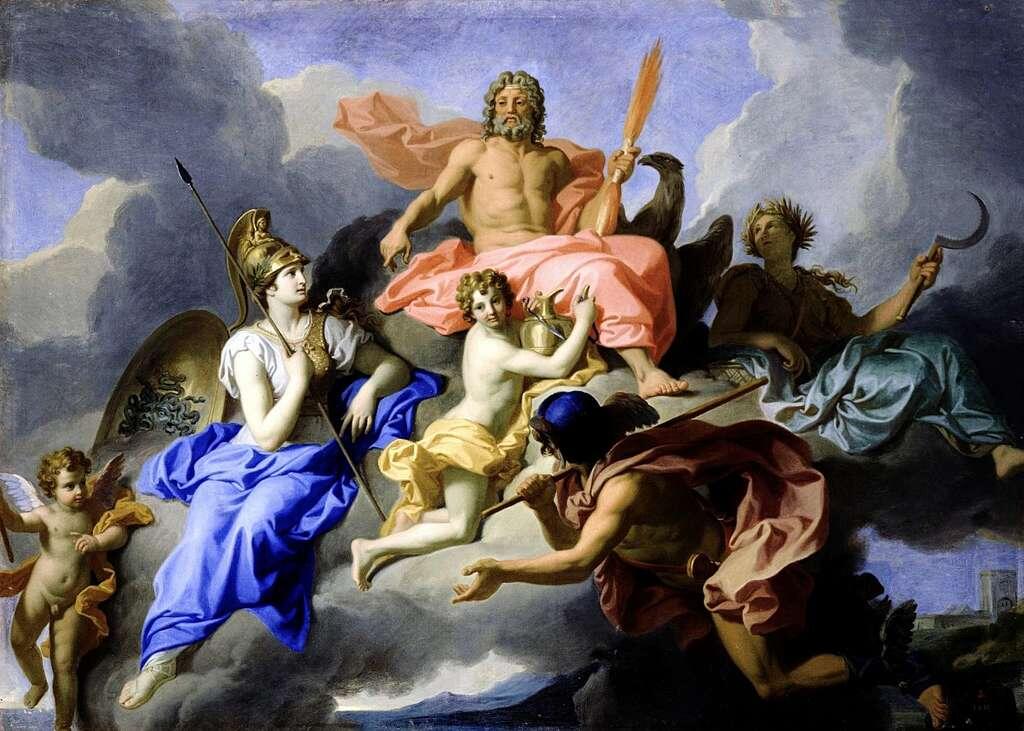
History is certainly the culmination of multiple events. However, some historical events that have changed the world happened either in a moment or over centuries. These events or periods forever changed the world.
The biggest events in history include the development of agriculture and writing, the Black Death, the printing revolution, the Columbian Exchange, the Industrial Revolution, the American, French and Haitian Revolutions, the two World Wars, decolonisation, the Cold War, the fall of the Berlin Wall and the rise of the internet. More recent historical events, such as 9/11 and the COVID-19 pandemic, have also reshaped global politics, public health, work, and everyday life.
Key Takeaways
- Some of the biggest events in history developed over centuries, while others changed the world in years or even days.
- Agriculture, writing, and early empires laid the foundations for organised societies, trade, government, and recorded knowledge.
- Revolutions, industrialisation and global exploration transformed political power, economies and everyday life.
- The World Wars, decolonisation and the Cold War reshaped borders, governments and international relations.
- More recent historic events, including the rise of the internet, 9/11 and COVID-19, continue to influence how people live, work and communicate.


What Makes a Historical Event “World-Changing”?
We've chosen these famous historical events for the political, economic, social, cultural or technological changes they helped create. Ultimately, impact is subject to individual and cultural biases, so we've tried to vary the events. However, we'll have certainly missed some that are important to you.
| Criterion | What it means |
|---|---|
| Political change | Changed governments, borders or systems of power |
| Economic change | Transformed production, trade, labour or wealth |
| Social change | Changed how people lived or organised society |
| Cultural change | Reshaped beliefs, rights, education or knowledge |
| Technological change | Introduced or accelerated technologies that transformed society |
| Global influence | Had effects that spread far beyond where the change began |
Ancient and Medieval Historical Events That Shaped Civilisation
Let's start way back. Before modern society emerged, important events still shaped the world. These developments helped shape the political and cultural systems that were later inherited by civilisations.⁴
c. 10,000 BCE onwards
Development of Agriculture
Farming developed independently in several regions, supporting permanent settlements, population growth and increasingly complex societies.
c. 3200 BCE
Early Writing Systems
Writing enabled governments and communities to record trade, law, administration, beliefs and historical knowledge.
c. 550 BCE–220 CE
Major Ancient Empires
Persian, Roman, Mauryan and Han rule connected large territories through government, infrastructure, trade and cultural exchange.
First millennium BCE–CE
Major World Religions Spread
Hindu traditions, Buddhism, Christianity and later Islam shaped societies, politics, education, art and culture across vast regions.
13th–14th centuries
Mali and Mongol Empires
Powerful African and Eurasian empires expanded long-distance trade and strengthened connections between distant regions.
14th century
The Black Death
Plague caused catastrophic mortality across Afro-Eurasia and transformed populations, labour systems and social relationships.
15th century
European Printing Revolution
Movable-metal-type printing accelerated the circulation of books, knowledge, religious ideas and scientific thought in Europe.
Agriculture, Writing and the First Civilisations
Empires, Religions and Global Trade
The Black Death, Renaissance and Printing Press
Revolutions and Industrialisation That Created the Modern Age
As contact between continents increased, new political and economic ideas challenged established systems of power. Revolutions transformed governments while industrialisation transformed how goods were produced and where people lived. Combined, these laid the foundations for many aspects of the modern world.⁵
| Event | Date/period | Main change | Long-term impact |
|---|---|---|---|
| Columbian Exchange | From 1492 | Connected the Americas, Europe and Africa through large-scale transfers of crops, animals, people and disease | Reshaped populations, diets, colonisation, slavery and global trade |
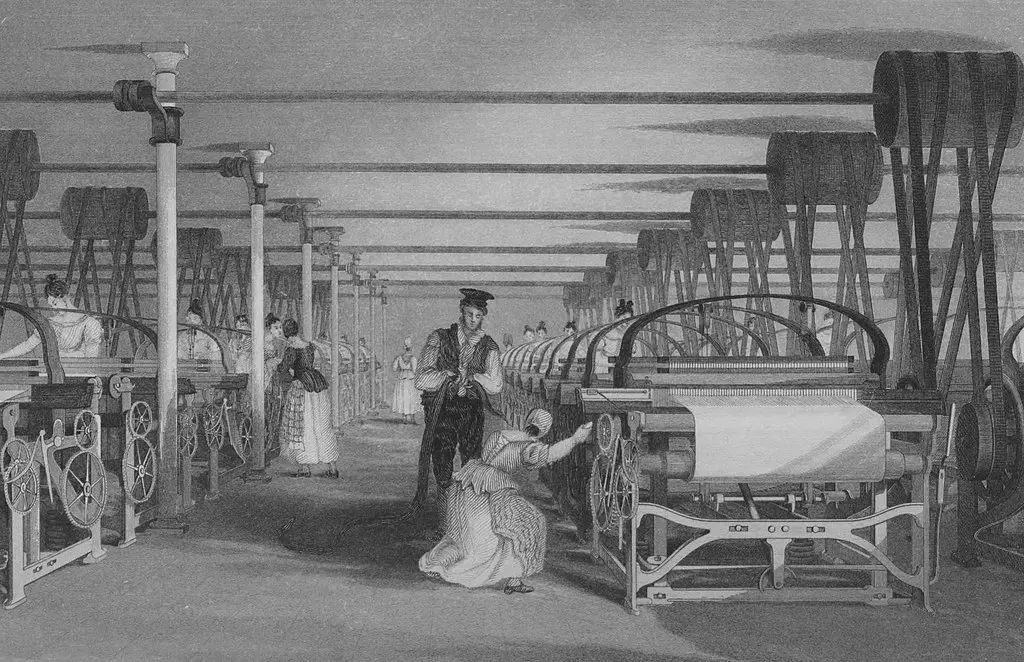
| Industrial Revolution | c. 1760–1840 | Mechanised production and expanded factories, fossil-fuel use and transport | Accelerated urbanisation, capitalism, technological change and modern industrial economies |
| American Revolution | 1775–1783 | Thirteen British colonies won independence and established a republic | Influenced constitutional government and later Atlantic revolutionary movements |
| French Revolution | 1789–1799 | Overthrew the old political order and advanced ideas of citizenship and legal equality | Influenced nationalism, rights, secular politics and modern state power |
| Haitian Revolution | 1791–1804 | Enslaved people defeated French colonial rule and created an independent Haiti | Challenged Atlantic slavery, racial hierarchy and European colonial power |
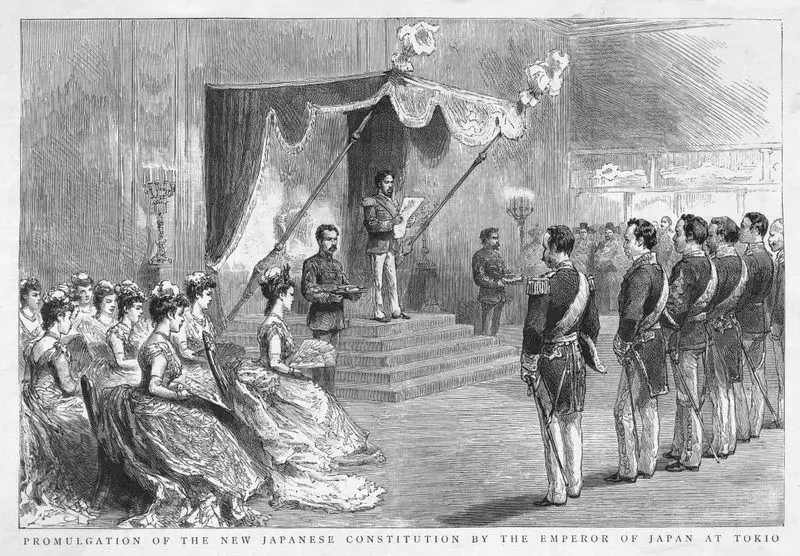
| Meiji Restoration | From 1868 | Centralised political power and accelerated Japanese industrial and military modernisation | Helped turn Japan into a major industrial and imperial power |
Exploration and the Columbian Exchange
The Industrial Revolution
The American, French and Haitian Revolutions
The Meiji Restoration and the Rise of Modern Japan
20th-Century Historical Events That Reshaped the World
In history, 20th-century events happened in the blink of an eye. However, global wars, economic crises, ideological conflict and the collapse of empires repeatedly changed borders and governments. From 1900 to the year 2000, international power looked very different.⁵
1914–1918
First World War
Global warfare caused mass casualties, destroyed major empires and redrew political borders.
1917
Russian Revolution
The Bolshevik Revolution helped establish the Soviet state and made communism a major force in global politics.
1929 onwards
Great Depression
A worldwide economic crisis led to unemployment and political instability while reshaping approaches to government intervention.
1933
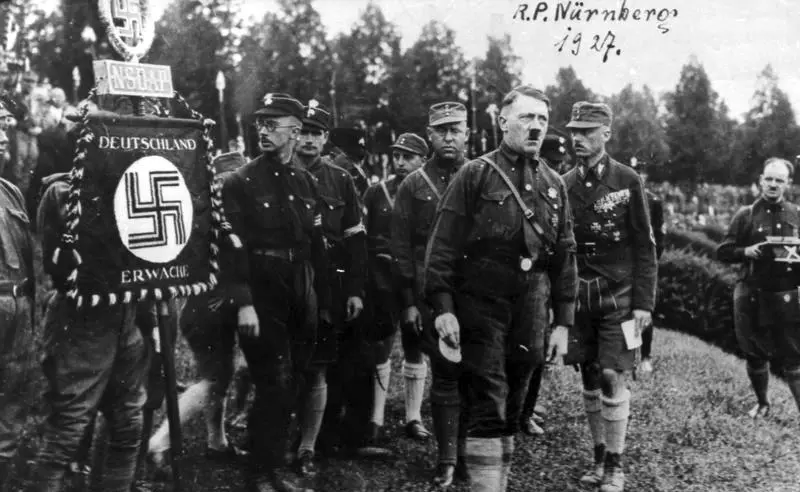
Hitler Takes Power in Germany
Adolf Hitler became German chancellor before establishing the Nazi dictatorship and pursuing aggressive expansion.
1939–1945
Second World War
The deadliest war in history transformed borders and global power while bringing the Holocaust and the use of atomic weapons.
1945 onwards
Decolonisation Accelerates
Independence movements ended much European colonial rule and created new states across Asia, Africa and elsewhere.
1945–1991
Cold War
Rivalry between the United States and Soviet Union shaped nuclear politics, proxy wars, alliances and the Space Race.
1989
Fall of the Berlin Wall
The fall of the Berlin Wall became a powerful symbol of the collapse of communist rule in Eastern Europe.
1991
Soviet Union Dissolves
The Soviet Union's dissolution ended the Cold War superpower rivalry and created 15 independent states.
The First World War and Russian Revolution
- The First World War lasted from 1914 to 1918 and contributed to the collapse of several major European and Middle Eastern empires.⁵
- Revolution in Russia brought the Bolsheviks to power in 1917 and eventually led to the creation of the Soviet Union.
- Together, war and revolution redrew borders and made communism a major force in global politics.
The Great Depression, Nazism and the Second World War
- The Great Depression began in 1929 and caused mass unemployment, poverty and political instability across many countries.⁵
- Adolf Hitler and the Nazis established a dictatorship in Germany before pursuing aggressive expansion.
- The Second World War brought unprecedented destruction and the Holocaust before reshaping global power after 1945.
Decolonisation and the Cold War
- After 1945, independence movements dismantled much European colonial rule across Asia, Africa and elsewhere.⁹
- At the same time, the United States and Soviet Union competed through nuclear weapons, alliances, proxy wars and technological rivalry.⁵
- These two processes created new nations while reshaping international politics for much of the second half of the 20th century.
Civil Rights, the Cultural Revolution and the Moon Landing
- The US Civil Rights Movement challenged racial segregation and helped secure major legal and political reforms.⁵
- China's Cultural Revolution caused widespread political, educational and social disruption between 1966 and 1976.
- Apollo 11 landed humans on the Moon in 1969, becoming a landmark achievement in science, technology and the Cold War Space Race.⁷
Recent Historic Events That Changed the Modern World
From the latter half of the 19th century to today, world-changing events have shaped our world. Some readers may even remember these from during their lifetime. For some of these events, we haven't even seen their long-term consequences.
Civil Rights, the Cultural Revolution and the Moon Landing
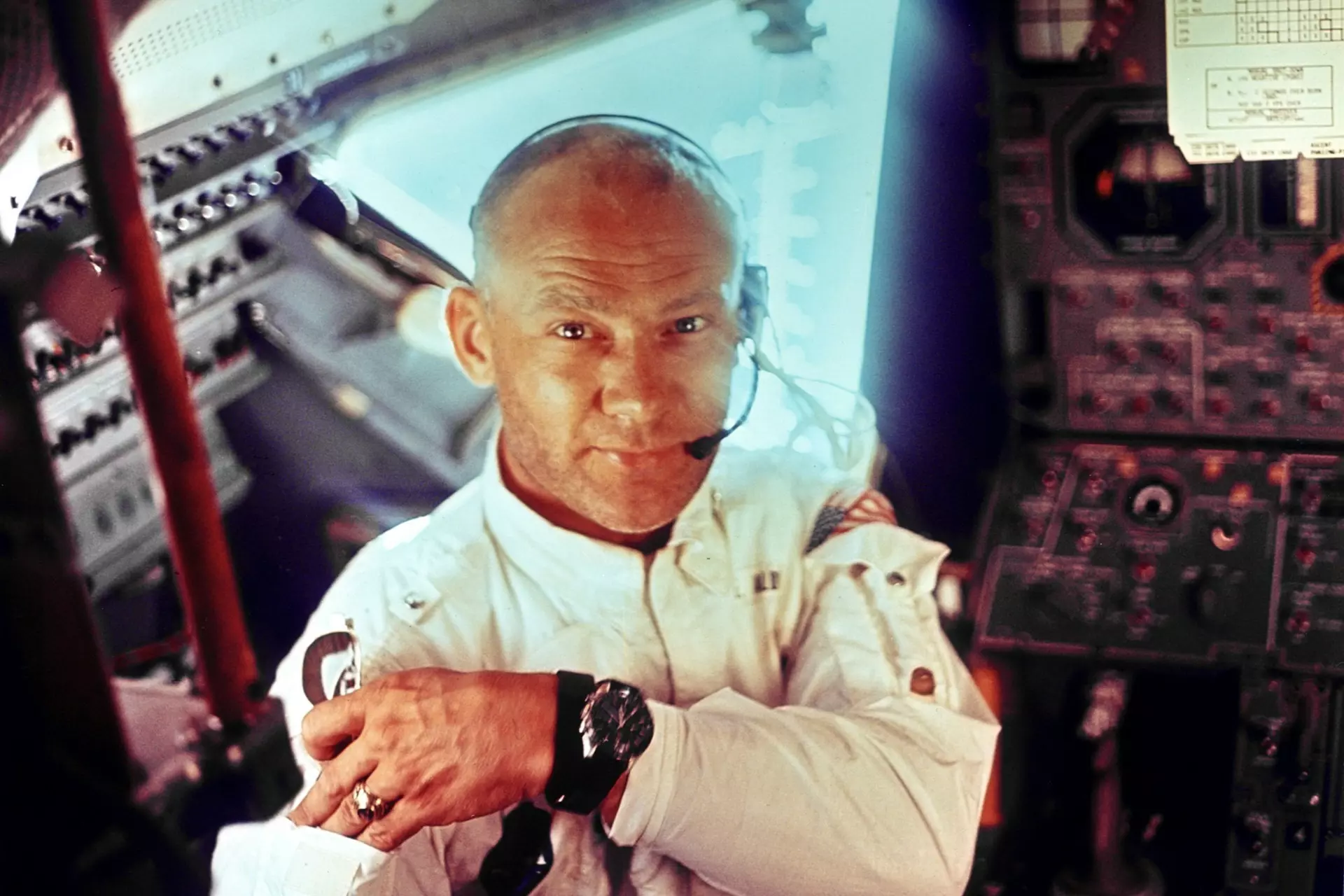
people worldwide watched Apollo 11's first Moon walk on television.⁷
The Fall of the Berlin Wall and the Rise of the Internet
before reunification in 1990!
9/11 and the COVID-19 Pandemic
Which modern historic event do you think changed the world most?
Timeline of the Biggest Events in History
We can't include every event in history. However, from the key events we've highlighted here, it's worth seeing how they fit on a timeline. Here's a fairly comprehensive overview of what we've covered today.
| Date/period | Historical event | Region | Why it changed the world |
|---|---|---|---|
| From c. 10,000 BCE | Development of agriculture | Multiple world regions | Supported permanent settlements, population growth, specialised labour and the development of states |
| c. 3200 BCE | Early writing systems | Mesopotamia and other early centres | Enabled administration, law, trade, record-keeping and the preservation of knowledge |
| c. 550 BCE–220 CE | Rise of major ancient empires | Persia, Mediterranean, South Asia and East Asia | Expanded long-distance government, infrastructure, law, trade and cultural exchange |
| First millennium BCE–CE | Spread of major world religions | Asia, Europe, Middle East and beyond | Shaped belief, law, art, education, political authority and cultural identity across regions |
| 13th–14th centuries | Rise of the Mali Empire | West Africa | Strengthened trans-Saharan trade and made centres such as Timbuktu important for commerce and scholarship |
| 13th–14th centuries | Mongol Empire | Eurasia | Connected vast territories through conquest, trade, diplomacy and movement of people and ideas |
| 14th century | Black Death | Afro-Eurasia | Caused catastrophic mortality and reshaped labour, population, social relations and religious life |
| 14th–16th centuries | Renaissance and European printing revolution | Europe | Accelerated the circulation of knowledge, literacy, religious debate and scientific exchange |
| From 1492 | European exploration and the Columbian Exchange | Atlantic world | Transformed populations, diets, empires, slavery, disease patterns and global trade |
| 16th–18th centuries | Scientific Revolution and Enlightenment | Europe with wider intellectual influences | Changed approaches to knowledge, political authority, rights and scientific reasoning |
| c. 1760–1840 | Industrial Revolution | Britain, Europe and beyond | Created industrial economies, mass production, urbanisation and major technological and social change |
| 1775–1783 | American Revolution | North America | Established an independent republic and influenced later constitutional and revolutionary movements |
| 1789–1799 | French Revolution | France and Europe | Redefined citizenship, rights, nationalism and the relationship between people and the state |
| 1791–1804 | Haitian Revolution | Caribbean | Created an independent state through a successful revolt of enslaved people and challenged colonial slavery |
| From 1868 | Meiji Restoration | Japan | Accelerated political centralisation, industrialisation, military reform and Japan's emergence as a major power |
| 1914–1918 | First World War | Europe and global theatres | Collapsed empires, redrew borders and destabilised the international order |
| 1917 | Russian Revolution | Russia | Created a communist state whose ideology and power shaped global politics for much of the 20th century |
| From 1929 | Great Depression | Global | Produced mass unemployment, economic crisis, political radicalisation and new approaches to state intervention |
| 1933–1945 | Rise of Nazism and the Second World War | Europe, Asia and global theatres | Led to total war, genocide, atomic weapons, the United Nations and a transformed global balance of power |
| 1940s–1970s | Decolonisation | Asia, Africa and the Caribbean | Ended much European colonial rule and created dozens of new independent states |
| 1945–1991 | Cold War | Global | Divided world politics around US–Soviet rivalry, nuclear weapons, proxy wars and competing ideologies |
| 1950s–1960s | Civil Rights Movement | United States with wider global influence | Helped dismantle legal segregation and strengthened modern rights-based political movements |
| 1966–1976 | Chinese Cultural Revolution | China | Caused major political, educational, cultural and social disruption before later reform-era changes |
| 1969 | Apollo 11 Moon landing | United States and the Moon | Marked a major scientific and technological achievement within the Cold War Space Race |
| 1989 | Fall of the Berlin Wall | Germany and Europe | Symbolised the collapse of communist rule in Eastern Europe and the end of Cold War division |
| 1990s onwards | Rise of the internet and World Wide Web | Global | Transformed communication, information, commerce, education, work and politics |
| 2001 | 9/11 and the War on Terror | United States and global | Reshaped security policy, foreign intervention, intelligence and surveillance |
| 2020s | COVID-19 pandemic | Global | Disrupted health systems, economies, education, work and supply chains worldwide |
References
- British Museum. “How to Write Cuneiform.” British Museum, 21 Jan. 2021, https://www.britishmuseum.org/blog/how-write-cuneiform. Accessed 7 Sept. 2026.
- CERN. “The Birth of the Web.” CERN, https://home.cern/science/computing/the-birth-of-the-web/. Accessed 7 Sept. 2026.
- Department of Asian Art. “Mauryan Empire (ca. 323–185 B.C.).” Heilbrunn Timeline of Art History, The Metropolitan Museum of Art, Oct. 2000, https://www.metmuseum.org/essays/mauryan-empire-ca-323-185-b-c. Accessed 7 Sept. 2026.
- Kordas, Ann, Ryan J. Lynch, Brooke Nelson, and Julie Tatlock. World History Volume 1, to 1500. OpenStax, 19 Apr. 2023, https://openstax.org/details/books/world-history-volume-1. Accessed 7 Sept. 2026.
- Kordas, Ann, Ryan J. Lynch, Brooke Nelson, and Julie Tatlock. World History Volume 2, from 1400. OpenStax, 14 Dec. 2022, https://openstax.org/details/books/world-history-volume-2. Accessed 7 Sept. 2026.
- Library of Congress. “Johannes Gutenberg (c.1400–1468).” The Gutenberg Bible at the Library of Congress: A Resource Guide, https://guides.loc.gov/gutenberg/the-printer. Accessed 7 Sept. 2026.
- Loff, Sarah A. “Apollo 11 Mission Overview.” NASA, 17 Apr. 2015, https://www.nasa.gov/history/apollo-11-mission-overview/. Accessed 7 Sept. 2026.
- National September 11 Memorial & Museum. “Repercussions of 9/11.” 9/11 Memorial & Museum, https://www.911memorial.org/learn/resources/911-primer/module-6-repercussions-911. Accessed 7 Sept. 2026.
- United Nations. "Decolonisation." United Nations, https://www.un.org/en/global-issues/decolonization. Accessed 7 Sept. 2026.
- World Health Organization. “Coronavirus Disease (COVID-19) Pandemic.” World Health Organization, https://www.who.int/europe/emergencies/situations/covid-19. Accessed 7 Sept. 2026.
Summarise with AI:
Did you like this article? Leave a rating!


 Loading...