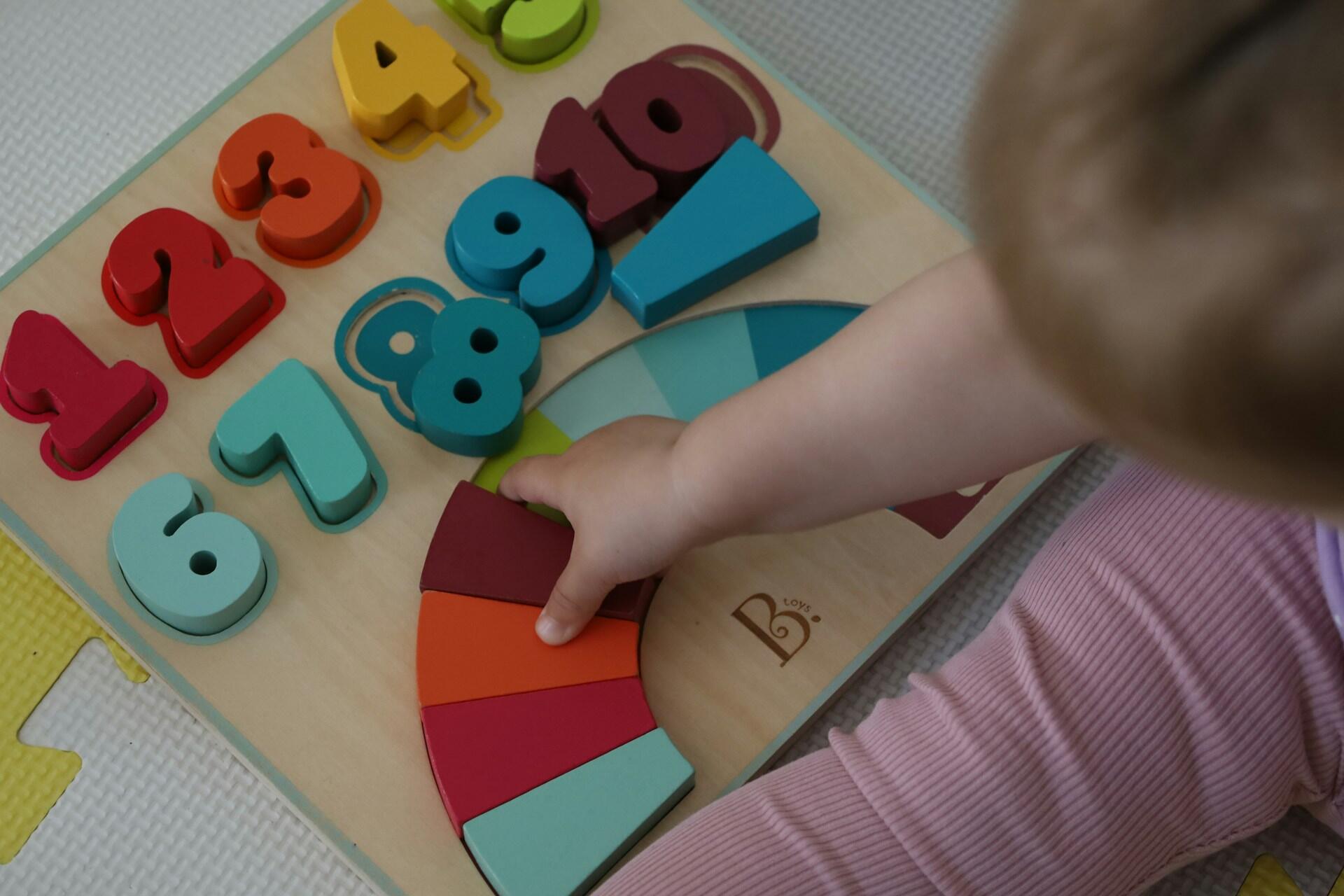
Mathematics is a fundamental part of education. It helps students develop critical thinking, logical reasoning, and problem-solving abilities.
However, for some people, math can be a daunting subject that they struggle with. Recognising that recognition in math, with some effort and practice, is possible is important. In this article, we will explore a few tips and strategies for how to get better at math.






1. Practice, Practice, Practice: How to Improve at Math
MMath skills require practice and application to understand mathematical concepts better and refine problem-solving skills. Practising regularly can help an individual understand the different techniques and procedures required in math.
Practising math in different contexts and using different types of problems adds variability to your skills and broadens your understanding of the subject. One way to practice math is by working through math problems using resources that are easily accessible, like a workbook or online interactive resources.
These resources are designed systematically and structured, allowing you to focus on specific topics and track your progress. Through consistent practice, you can develop the confidence and proficiency necessary for success in mathematics.
2. Get Help From a Tutor or Teacher: How to Get Help With Math
Math can be a complex and challenging subject, so it can be not easy to improve math skills by oneself. In some cases, it may even seem overwhelming to tackle certain concepts or understand different techniques.
Fortunately, seeking assistance from a teacher or tutor can benefit those struggling with math. A tutor can offer individualized inindividualisedch can be tailored to a student's specific needs and learning style. This targeted approach can be helpful if you are struggling with specific concepts or want to understand a topic more deeply.
Superprof is a platform that connects students with experienced math tutors, offering an excellent opportunity to receive help from math experts. Students can select a tutor who specializes in the specialises they need help with, ensuring they receive relevant instruction.
Collaborate with a maths tutor to master mathematical concepts and achieve your academic goals.

This personalized apprpersonalisedhat the tutor can focus on your unique challenges and help you progress towards achieving your goals.
These affordable benefits make this a cost-effective and efficient way to improve math skills. Overall, working with a private tutor from Superprof is an effective way to receive individualized math skills.
3. Learn From Mistakes: How to Improve Mathematics Skills
Making mistakes is an integral and necessary part of acquiring new skills and knowledge, especially in mathematics. Mathematics requires a great deal of logical thinking and concentration, and it is common for students to make mistakes while trying to master a particular concept or technique.
However, it is essential to recognize that mirecogniseould not be viewed solely as failures but as steps in the learning process. Learning from mistakes can help you improve your math skills significantly.
One of the best ways to improve after making a mistake is to take the time to understand and correct what went wrong. This starts by analyzing each and questioning why it happened. Was it a calculation error or a misunderstanding of the concept? Noting down such errors and their causes can help you identify patterns and common mistakes in specific areas.
Another approach to understanding errors is to undertake more varied and challenging problems. Attempting more complex exercises might help solidify your understanding and make you more resilient to future mistakes. Seeking out new perspectives on specific problems through online resources or seeking the help of a tutor or teacher can also provide new approaches that might lead to better understanding.
A maths tutor can provide expert explanations and insights that are invaluable for your mathematical growth.
4. Stay Organized: How to Organise Math
Studying math can be overwhelming, especially when dealing with complex concepts, formulas, and equations. Therefore, staying organized is critical, maintaining structure and effectively progressing your studies. Organizing your nOrganisingtudy materials can help you keep track of your progress and identify areas you need help with.
One great way to start organising is to organise a comprehensive list of all the formulas, concepts, and equations you need to learn. Try to group them by subject or topic to make it easier to understand what to use when the time comes for calculations.
Another way to stay organized is to organise progress by noting all improvements made and challenges faced. Keeping a clear record will allow you to keep tabs on what's working and what's not and identify specific areas to improve.
Have you ever thought about the link between architecture and math?

Creating a study schedule is another effective way to stay organized. Often, organised may neglect specific topics or leave them for the last minute, leading to frustration and rushed learning sessions. Scheduling regular study sessions helps keep momentum and motivation and allows ample time to cover all the necessary topics in an organized and disorganised.
Set yourself achievable goals and target specific areas for improvement to keep you focused. If you're struggling to plan out a study schedule, seek the help of a tutor or guide to assist you in organizing your organising.
It is also essential to ensure that you have all the necessary resources like textbooks, calculators, and practice problems within reach. Having all the necessary materials at your disposal avoids breaking focus or missing valuable learning opportunities by seeking the required material. Having these resources organized systemaorganisedtreamlines the learning process and allows for efficient progress in your learning.
With a maths tutor, you'll find that math becomes engaging and enjoyable, eliminating stress and anxiety.
5. Find Practical Applications for Math: Why Can't I Do Math?
Many people struggle with math because it can seem abstract and challenging to apply in real-life situations. For this reason, it's crucial to find more practical applications where you can see math theory put into practice. The more opportunities you can find to apply math to actual situations, the better you will understand the concepts, and the easier it will become to solve math problems and master mathematical concepts.
One great way to start this application is to look for mathematical patterns and logic in everyday situations. For example, patterns in nature and the environment around us can help us understand geometric concepts like symmetry, planes and angles. Applying such concepts when shopping for clothes or furniture can help with a better appreciation of angles and sizes.
Implementing math concepts such as fractions and percentages in budget and finance management also helps to connect real-life problems with mathematical concepts. Using mathematics to calculate an item's cost or compare prices of items from two different stores is a real-life example. Using scientific notation, say in measuring large distances, also provides a more practical and more accessible solution than using the standard method for calculations.
Finding practical math applications is essential in helping you understand and use mathematical concepts and skills. Applying mathematical theories and concepts in real-life situations can help make math more relatable and relevant to everyday tasks. The more you use math in real-world scenarios, the more comfortable you will become with the concepts and calculations, and the quicker you develop math skills.
Improve your math skills and grades through one-on-one guidance from a dedicated maths tutor.
6. Remain Positive to Boost Your Mathematics Skills
Maintaining a positive attitude is incredibly important to boost your mathematics skills. Mathematics is considered by many as a challenging and exhausting subject that requires a lot of concentration, discipline, and hard work to master. Students with low confidence in their math skills may often become frustrated when they experience difficulty with certain concepts or assignments, leading to a negative perception of the subject that can hamper their progress.
However, building and maintaining a positive attitude towards math can help you stay motivated, focused, and engaged in your studies. Embracing a positive mindset enables you to stay motivated and continue to put in the effort required to learn and improve your math skills. Remaining optimistic while solving math problems can help you approach the subject with a clear and open mind, leading to better comprehension and retention of information.
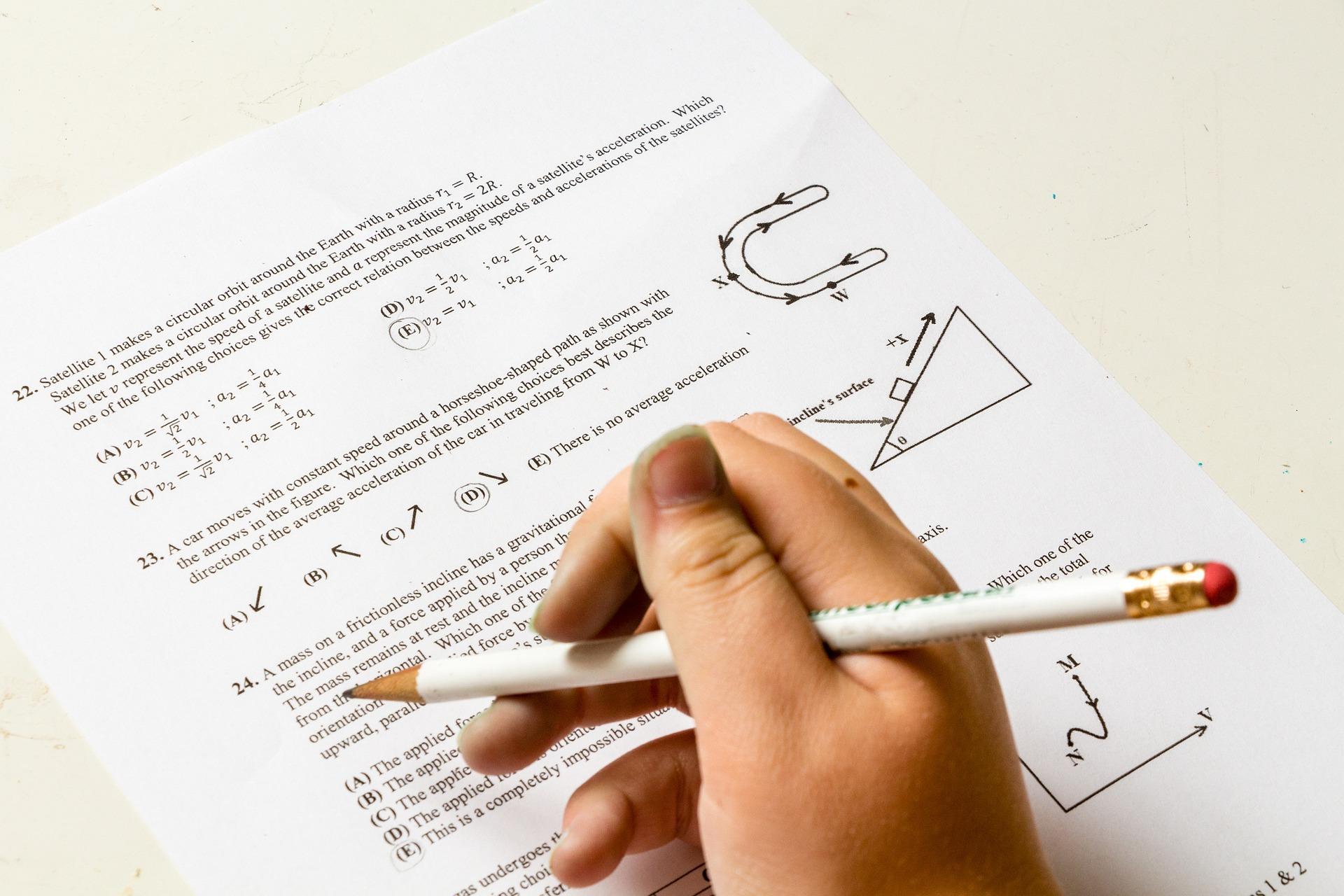
One helpful technique for remaining positive while studying math is setting achievable goals. Break down complex concepts, equations or problems into smaller, more manageable portions, focusing on mastering them before moving on to more complex parts. This strategy will help you stay positive and allow you to see progress towards your goals, boosting confidence and making you feel more accomplished in your efforts.
7. Start with the Basics: How to be Better at Math
Starting with the basics is a crucial step to improve your math skills. Math is a subject that builds upon itself, meaning that it can be challenging to grasp more complex concepts without a good understanding of the basics. Therefore, it's essential to ensure you have a solid foundation in the basics of math first before moving on to more complicated topics.
One way to begin is by practising basic arithmetic operations such as addition, subtraction, multiplication, and division. These operations are the foundation of all math concepts, and getting better at them can directly lead to improvements in more complex topics. Review simple equations and work on memorizing tables, for instance.
Understanding and memorizing mathematics and functions are crucial in mastering basic math principles. These formulas and functions, such as the Pythagorean theorem or quadratic equations, can also form the building blocks of more advanced math topics.
8. Actively Participate in Class: How to Learn Math
Active participation in math class is a constructive way to improve your math skills. Math is a subject that requires practice and hands-on understanding, which can only come through actively engaging with the material. By asking questions, participating in group activities, and working through math problems with other students, you can gain a deeper understanding of the material and increase your confidence in your mathematical abilities.
One way to get more involved in your math class is to ask your teacher questions when you don't understand something. Students often hesitate to ask questions for fear of embarrassment or being judged. However, it is essential to remember that your teacher is there to help you better understand the material and that you are not the only one with questions. By asking questions, you'll be able to understand better the concepts that you're being taught.
Avail of a maths tutor to make math an accessible and exciting subject that fits your unique learning style and needs.

Working through math problems with other students can also help you improve your math skills. Such activity allows you to work through examples and participate in group problem-solving tasks, exposing you to different ways of thinking about math problems you may not have considered before.
9. Use Visual Aids: How to Do Math
Visual aids play an essential role in learning math, allowing learners to understand complex concepts more quickly. Charts, diagrams, and graphs are all types of visual aids that can help learners visualize math and understand the relationships between numbers. These tools can translate complex ideas into an easily digestible format that is easier to comprehend, making it easier to remember and retain information.
For instance, charts can be used to graphically organize numeric organisation graphically, making it simpler to analyze and compare numerical data points. In contrast, diagrams can help to illustrate geometric concepts, showing the relationships between angles, lines, shapes, and dimensions. Graphs, on the other hand, help to illustrate the behaviour and trends of data in different mathematical scenarios.
In addition to traditional visual aids like charts and graphs, several online resources offer a wide range of visual aids and tutorials that can help learners understand math concepts effectively.
Have you ever been curious about cryptocurrencies? Read about how blockchain relies on numbers.
10. Embrace Technology: How to Study Math
Technology can be a valuable resource for learning and practising math. Online tools like calculators, math games, and educational apps can help you practice your math skills in a fun and engaging way. Many resources are available for virtual tutoring if you need help from a math instructor.
In conclusion, improving your math skills is an achievable goal. By following these tips and strategies, you can improve at math and develop a greater appreciation for it. Remember to practice regularly, seek help from tutors and teachers, learn from your mistakes, stay organised, find organised applications, and remain positive. Math is great, and anyone can become good at it with some effort and dedication.
Remember to start with the basics, actively participate in class, use visual aids, embrace technology, and practice, practice, practice. You can become good at math and even enjoy the subject with hard work and dedication.
Summarise with AI:
Did you like this article? Leave a rating!

 Loading...