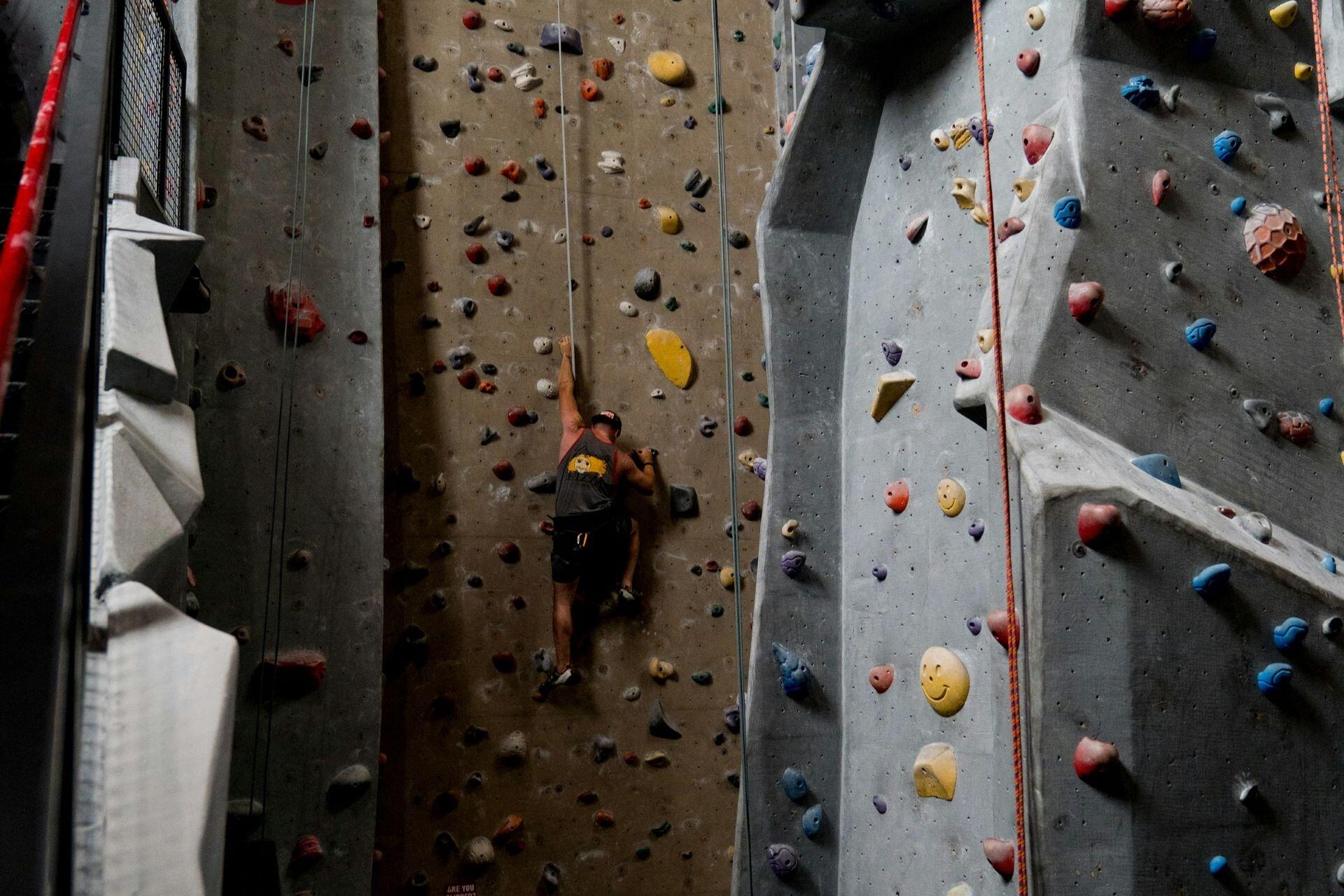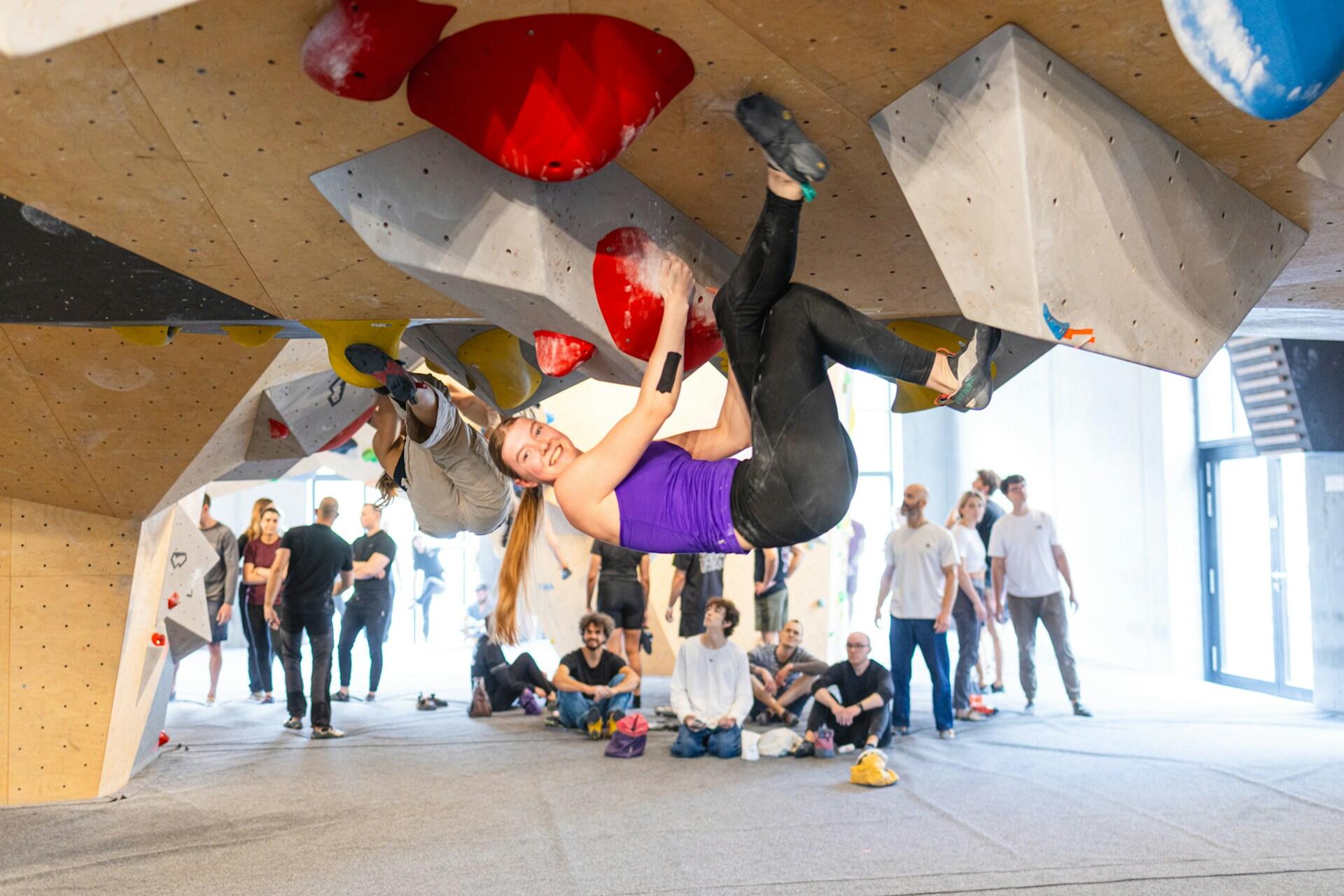
Rock climbing clubs are a great way to meet other climbers, build confidence, and discover new places to climb. All over the UK, there are options for climbers to choose from: member-run clubs, indoor climbing centres and dedicated bouldering facilities. Whether you want outdoor trips, regular training, or a social place, you need to choose the right option.

Key Takeaways

  • Traditional rock climbing clubs focus on members, climbing partners, meets, trips and shared experience rather than providing their own commercial facilities.
  • Indoor climbing and bouldering centres can complement club membership by offering regular wall access, equipment hire, classes, coaching, and training areas.
  • Compare location, climbing style, facilities, membership costs and beginner requirements before deciding where to join.
  • Many centres and clubs welcome beginners, but traditional mountaineering clubs may require previous climbing experience or personal equipment.
  • Clubs can support progression through regular practice, peer learning, social events and opportunities to enter competitive climbing.
check_circle
Why join a rock climbing club?

Rock climbing clubs can help you find climbing partners, develop your skills, join regular meets and trips, and become part of a wider climbing community. Indoor climbing centres can complement this with regular access to walls, coaching, classes and training facilities.

The best personal training tutors available
Khadija
5
5 (43 reviews)
Khadija
£30
/h
Gift icon
1st lesson free!
Alexandrina
5
5 (29 reviews)
Alexandrina
£40
/h
Gift icon
1st lesson free!
Romario
5
5 (34 reviews)
Romario
£70
/h
Gift icon
1st lesson free!
Kofi
5
5 (34 reviews)
Kofi
£40
/h
Gift icon
1st lesson free!
Keith
5
5 (43 reviews)
Keith
£70
/h
Gift icon
1st lesson free!
Isaac
4.9
4.9 (14 reviews)
Isaac
£45
/h
Gift icon
1st lesson free!
Federica
5
5 (16 reviews)
Federica
£50
/h
Gift icon
1st lesson free!
Julie
5
5 (34 reviews)
Julie
£100
/h
Gift icon
1st lesson free!
Khadija
5
5 (43 reviews)
Khadija
£30
/h
Gift icon
1st lesson free!
Alexandrina
5
5 (29 reviews)
Alexandrina
£40
/h
Gift icon
1st lesson free!
Romario
5
5 (34 reviews)
Romario
£70
/h
Gift icon
1st lesson free!
Kofi
5
5 (34 reviews)
Kofi
£40
/h
Gift icon
1st lesson free!
Keith
5
5 (43 reviews)
Keith
£70
/h
Gift icon
1st lesson free!
Isaac
4.9
4.9 (14 reviews)
Isaac
£45
/h
Gift icon
1st lesson free!
Federica
5
5 (16 reviews)
Federica
£50
/h
Gift icon
1st lesson free!
Julie
5
5 (34 reviews)
Julie
£100
/h
Gift icon
1st lesson free!
Let's go

Understanding rock climbing clubs

Not every climbing club works in the same way. Traditional clubs are run by members who organise meets and trips. Commercial climbing centres provide access to walls, equipment and structured sessions.² However, you'll find that from the climbing centres in London to the outdoor climbing in Scotland, climbing's more fun when you have people to do it with.

TypeWhat it isTypical climbingTrainingMain benefit
Traditional climbing clubMember-run groupMainly outdoorPeer learning and occasional organised trainingPartners, trips and community
Roped climbing centreCommercial indoor facilityTop-rope and leadFormal classes and coachingRegular roped climbing
Bouldering centreCommercial indoor facilityBoulderingInductions and coachingAccessible training and social climbing

Definition and purpose

Purpose: Find climbing partners, share skills and organise meets or trips.
Structure: Traditional clubs are usually member-led rather than commercial facilities.
Activities: Climbing may sit alongside hill walking and mountaineering.²

Types of climbing clubs

Traditional clubs: Member groups focused on meets, trips and outdoor climbing.
Roped centres: Indoor facilities for top-rope and lead climbing.
Bouldering centres: Rope-free indoor climbing with training and social spaces.

Benefits of joining a rock climbing club

A rock climbing club will firstly give you somewhere to climb. However, access to regular meets, climbing partners, social activities, and learning opportunities makes them much more useful than just going to a climbing centre in Manchester, Glasgow, or wherever you like to climb. That said, indoor centres with structured classes and coaching are convenient facilities for regular practice.

See what a traditional climbing club meet can look like.

Access to facilities

Indoor centres: Walls, training areas and equipment or shoe hire.
Traditional clubs: Often use local walls, outdoor crags or shared club equipment.
Extra access: Some memberships may also provide access to climbing huts.²

Structured training and classes

Beginners: Look for inductions, introductory sessions and basic skills training.
Developing climbers: Coaching can target technique, movement and confidence.
Club learning: Experienced members often share skills informally with newer climbers.²

Community and networking

Partners: Meet people looking for regular climbing companions.
Social side: Clubs can include pub meets, talks and group activities.
Trips: Members may organise local crag days, weekends and longer climbing trips.

Participation in events

Club meets: Regular indoor or outdoor climbing sessions.
Social events: Talks, films, workshops and informal gatherings.
Competitions: Indoor climbers can also progress towards organised regional or national events.

How to choose the right rock climbing club

The best club is the one that works for you. Don't automatically look for the closest or cheapest. While there are plenty of good places to climb in Birmingham, for example, don't just pick your nearest climbing centre or climbing club. Consider the climbing you want to do, how often you'll go, and whether all of it will work for you. Don't forget to check experience requirements before joining, especially if you're completely new to it.

OrganisationLocationTypeMain climbingAccess modelBeginner suitability
Eden Rock CarlisleCarlisleBouldering centreIndoor boulderingRegistration + entry/passesBeginner inductions
Keswick Mountaineering ClubLake DistrictTraditional clubOutdoor climbing and mountaineeringAnnual subscriptionBasic experience required
Colchester Climbing ProjectColchesterBouldering centreIndoor boulderingEntry + passes/membershipClasses available

Location and accessibility

Travel: Check driving time, parking and public transport.
Schedule: Make sure regular meets fit your week.
Outdoor clubs: Check where members actually climb, not just where the club is based.

Facilities and equipment

Climbing style: Decide whether you want bouldering, roped climbing, or outdoor rock climbing.
Training: Check for boards, strength areas and coaching spaces.
Equipment: Review shoe hire, shared kit, and any equipment members must provide.
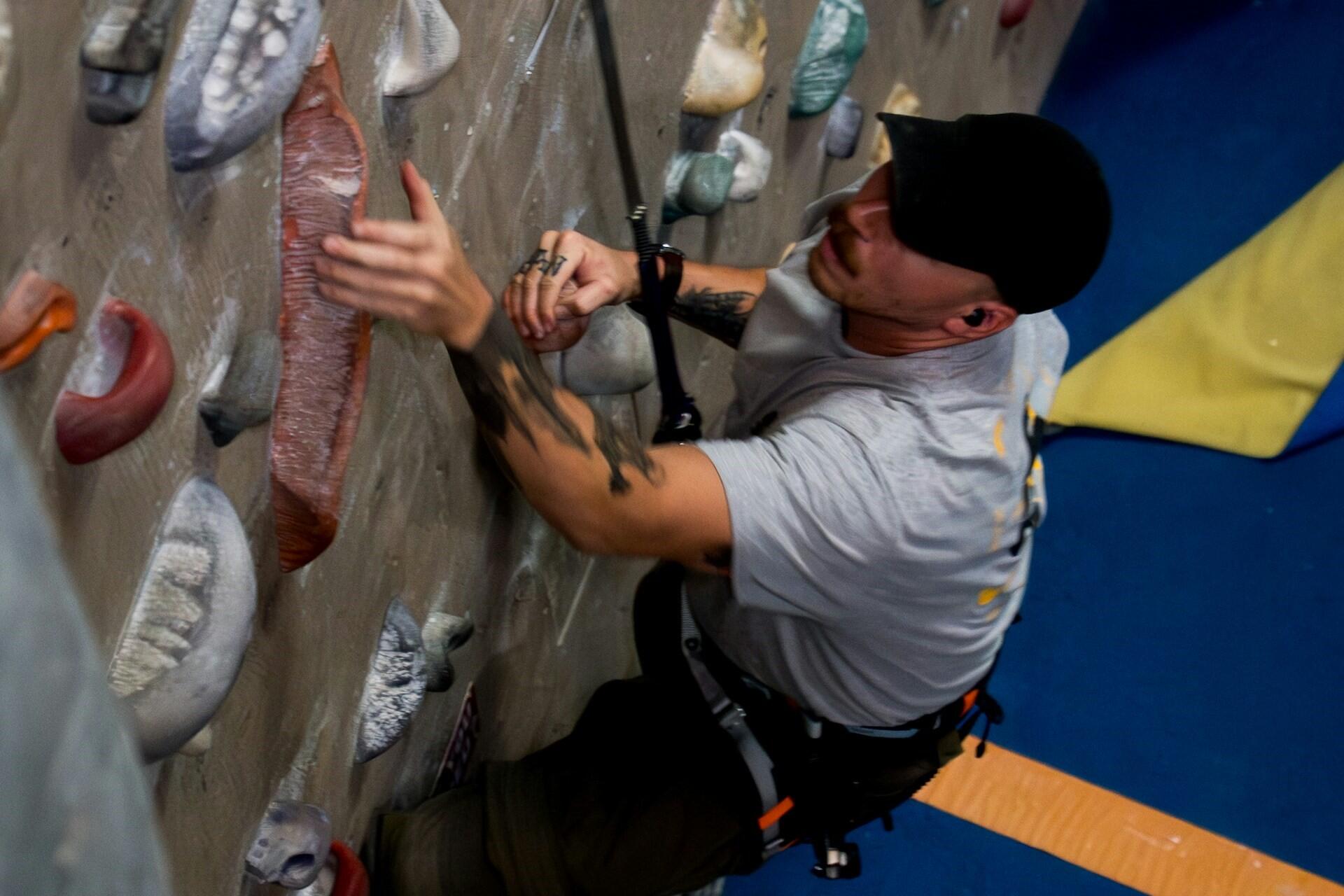
Climber wearing a harness on an indoor climbing wall
The right climbing centre should offer walls and equipment suited to the kind of climbing you want to practise. | Image by Frederick Shaw

Membership options and costs

Traditional clubs usually charge an annual subscription fee.
Indoor centres: May offer day entry, bundles and monthly or annual passes.
Compare carefully: A club subscription and unlimited centre membership buy very different things.

Community and culture

Experience level: Check whether beginners are welcome.
Atmosphere: Look for an inclusive, sociable group that matches your goals.
Try this first: a guest session or introductory meeting can help before joining.
The best personal training tutors available
Khadija
5
5 (43 reviews)
Khadija
£30
/h
Gift icon
1st lesson free!
Alexandrina
5
5 (29 reviews)
Alexandrina
£40
/h
Gift icon
1st lesson free!
Romario
5
5 (34 reviews)
Romario
£70
/h
Gift icon
1st lesson free!
Kofi
5
5 (34 reviews)
Kofi
£40
/h
Gift icon
1st lesson free!
Keith
5
5 (43 reviews)
Keith
£70
/h
Gift icon
1st lesson free!
Isaac
4.9
4.9 (14 reviews)
Isaac
£45
/h
Gift icon
1st lesson free!
Federica
5
5 (16 reviews)
Federica
£50
/h
Gift icon
1st lesson free!
Julie
5
5 (34 reviews)
Julie
£100
/h
Gift icon
1st lesson free!
Khadija
5
5 (43 reviews)
Khadija
£30
/h
Gift icon
1st lesson free!
Alexandrina
5
5 (29 reviews)
Alexandrina
£40
/h
Gift icon
1st lesson free!
Romario
5
5 (34 reviews)
Romario
£70
/h
Gift icon
1st lesson free!
Kofi
5
5 (34 reviews)
Kofi
£40
/h
Gift icon
1st lesson free!
Keith
5
5 (43 reviews)
Keith
£70
/h
Gift icon
1st lesson free!
Isaac
4.9
4.9 (14 reviews)
Isaac
£45
/h
Gift icon
1st lesson free!
Federica
5
5 (16 reviews)
Federica
£50
/h
Gift icon
1st lesson free!
Julie
5
5 (34 reviews)
Julie
£100
/h
Gift icon
1st lesson free!
Let's go

Notable rock climbing clubs and centres

There are plenty of clubs across the UK, including Olympic-level climbing centres in Edinburgh. We obviously won't go through them all here. However, we will highlight a few excellent examples so you know what to look for. From there, you can start looking for clubs accessible to you that offer something similar.

Two climbers wearing harnesses preparing a rope before outdoor climbing
Traditional climbing clubs are centred on members, shared meets, trips and climbing together. | Image by Spencer Plouzek

A traditional climbing club revolves around members, meets and trips, while a climbing centre revolves around access to a physical facility.

Many climbers use both: the centre for regular indoor practice and the club for partners, outdoor climbing and social activities.

Eden Rock Carlisle

Type: Indoor bouldering centre in Carlisle.
Getting started: Experienced climbers can register directly, while novices can become members after supervised visits or an induction.⁶
Access: Options include day entry, monthly passes and annual passes.

Keswick Mountaineering Club

Type: Traditional rock climbing and mountaineering club in the northern Lake District.
Meets: Members climb local crags on Tuesdays from April to September, with indoor sessions in winter.⁷
Joining: Applicants need basic climbing experience and suitable personal equipment.⁸
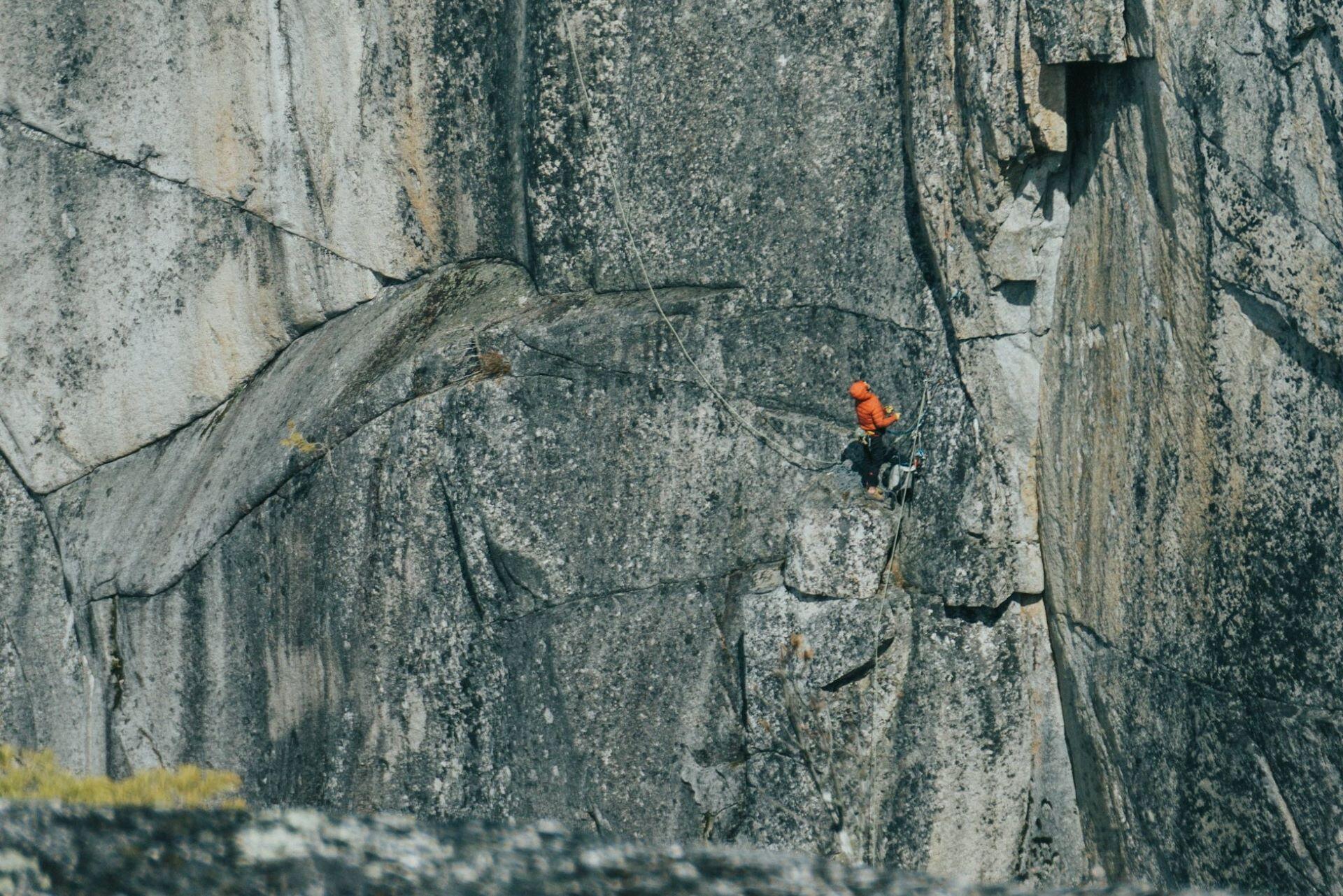
Climber in an orange jacket ascending a large outdoor rock face with ropes
Traditional climbing clubs can give members opportunities to gain experience on outdoor rock as part of organised meets and trips. | Image by Jinn W

Colchester Climbing Project

Type: Dedicated indoor bouldering centre in Essex.
Facilities: More than 150 climbs, plus slabs, overhangs, a MoonBoard and training areas.⁹
Access: Day passes, unlimited memberships, youth clubs and one-to-one coaching are available.¹⁰

Getting started with a rock climbing club

Most climbing clubs are easy to join. However, there is a difference between traditional clubs and the kinds of commercial climbing centres you'd find in Glasgow and around the UK. You can often register and book an induction. Established mountaineering clubs, however, may require certain experience or equipment.

Joining process

Find a club: Use the BMC finder for England and Wales.²
Elsewhere: Mountaineering Scotland and Mountaineering Ireland list affiliated clubs.⁴
Before joining, check age, experience, equipment, and membership requirements.⁵

Preparing for your first visit

Indoors: Bring flexible clothing, water and climbing shoes or hire them.
Outdoors: Check weather, meeting points and required personal kit.
Beginners: Ask before buying specialist equipment you may not yet need.

Safety and etiquette

Follow rules: Complete required inductions and obey local conditions of use.
Stay aware: Keep fall zones clear and avoid standing beneath climbers.
Remember: Indoor climbing and bouldering still carry inherent risks.¹
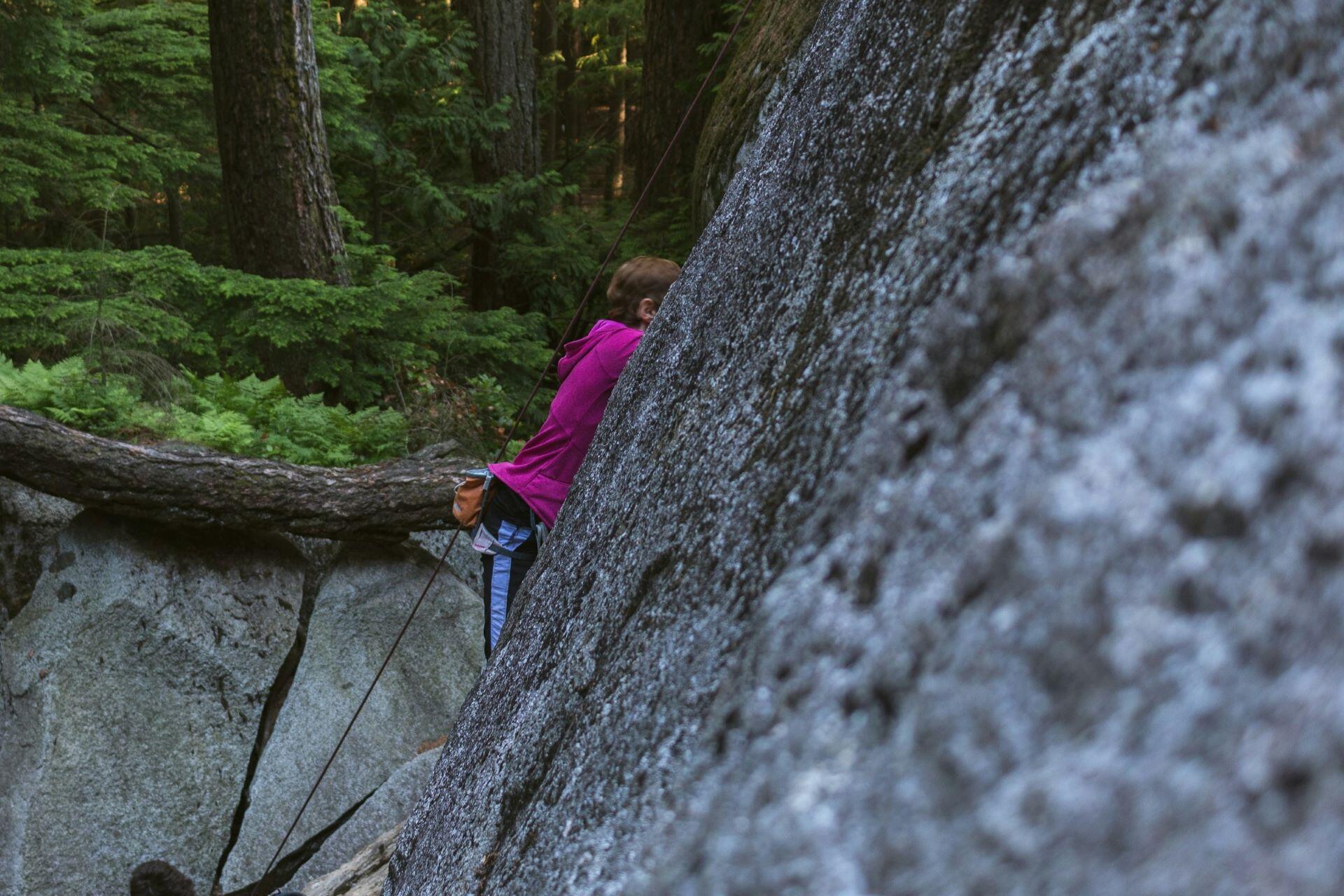
Outdoor climber using a rope on a rock face surrounded by woodland

Advancing your climbing skills through clubs

Once you master the basics, you'll need to consider whether a club or climbing centre is the right way for you to advance. With coaching, regular practice, peer learning, and more challenging climbing, you'll develop technique and confidence. If you're thinking about competing, local events can be a stepping stone to more structured regional or national competitions.³
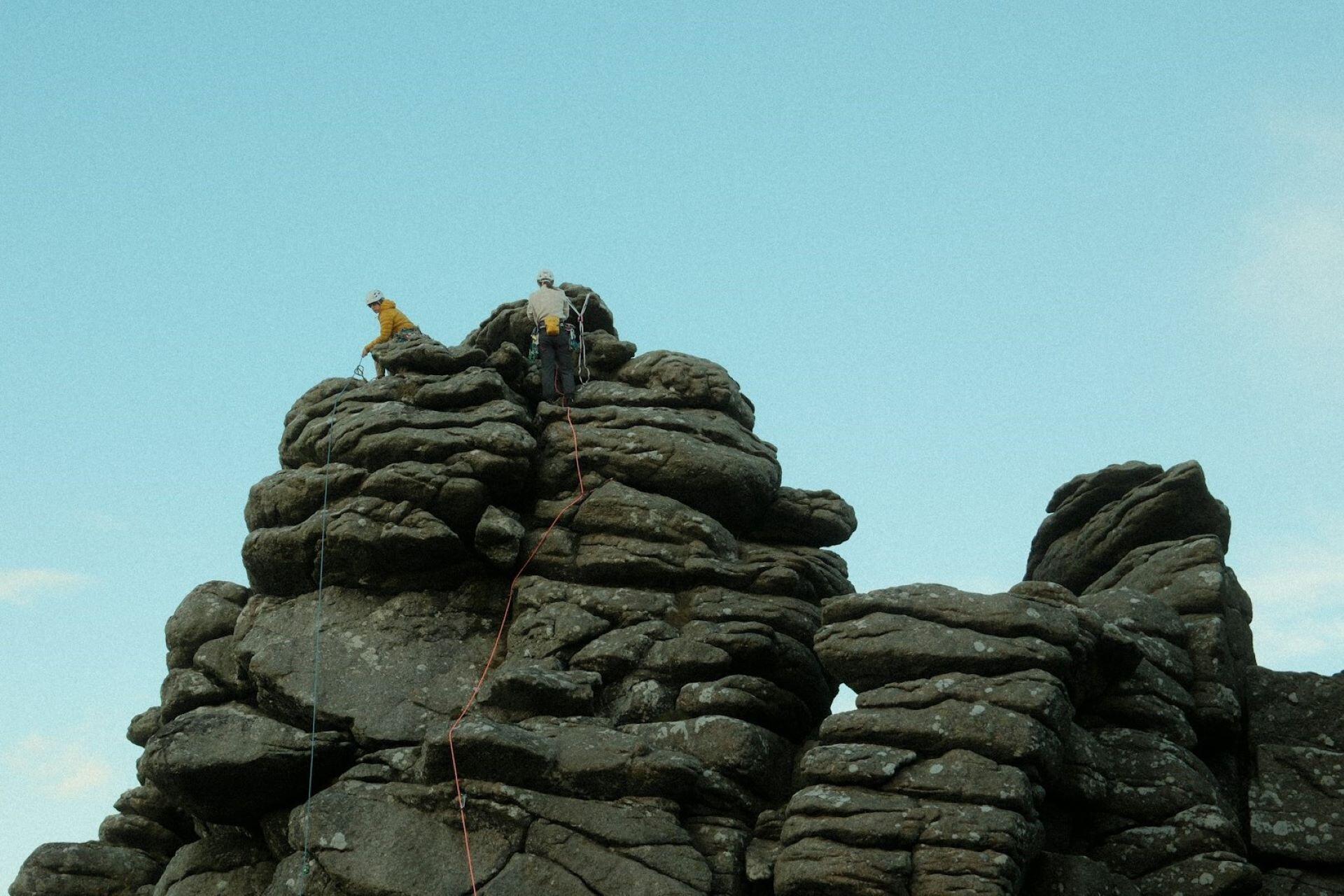
Two climbers on top of a rocky outcrop with climbing ropes

Progressive training programmes

Technique: Build movement, balance and efficient footwork.
Strength: Use climbing-specific training progressively rather than rushing.
Outdoors: Develop practical skills as your experience and confidence increase.

Mentorship opportunities

Learn together: More experienced members can share knowledge with newer climbers.
Find partners: Club networks help climbers meet others at similar skill levels.
Know the difference: Peer mentoring is not automatically professional instruction.²

Competitive climbing

Start locally: Many centres run informal competitions and challenges.
Progress: Stronger climbers can enter structured regional and national events.
Youth pathway: The BMC Youth Climbing Series provides organised competition across England and Wales.³

References

  1. Association of British Climbing Walls. “Safety Resources.” Association of British Climbing Walls. https://www.abcwalls.co.uk/safety-resources/. Accessed 6 Sept. 2026.
  2. British Mountaineering Council. “Clubs.” The British Mountaineering Council. https://www.thebmc.co.uk/en/clubs. Accessed 6 Sept. 2026.
  3. British Mountaineering Council. “Youth Climbing Series.” The British Mountaineering Council. https://www.thebmc.co.uk/en/youth-climbing-series. Accessed 6 Sept. 2026.
  4. Mountaineering Scotland. “Interested in Joining a Club?” Mountaineering Scotland. https://www.mountaineering.scot/find-a-club. Accessed 6 Sept. 2026.
  5. Mountaineering Ireland. “Find Local Club.” Mountaineering Ireland. https://www.mountaineering.ie/members/clubview/findclub/. Accessed 6 Sept. 2026.
  6. Eden Rock Carlisle. “Prices.” Eden Rock Climbing. https://www.edenrockclimbing.com/prices-carlisle. Accessed 6 Sept. 2026.
  7. Keswick Mountaineering Club. “Home.” Keswick Mountaineering Club. https://keswickmountaineeringclub.com/. Accessed 6 Sept. 2026.
  8. Keswick Mountaineering Club. “How to Join Us.” Keswick Mountaineering Club. https://keswickmountaineeringclub.com/join-us/. Accessed 6 Sept. 2026.
  9. Colchester Climbing Project. “Welcome.” Colchester Climbing Project. https://www.climbingproject.co.uk/. Accessed 6 Sept. 2026.
  10. Colchester Climbing Project. “Prices.” Colchester Climbing Project. https://www.climbingproject.co.uk/prices/. Accessed 6 Sept. 2026.

Summarise with AI:

Did you like this article? Leave a rating!

5.00 (1 rating(s))
Loading...
portrait of writer Joseph Philipson

Joseph

Joseph is a French and Spanish to English translator, language enthusiast, and blogger.