
Though 43 countries have monarchies today, the British Royal Family is arguably the most recognisable1. Most peopl know about King Charles III, as well as the Prince and Princess of Wales (William and Kate) for their high-profile public roles, but what do they, and the rest of the royal family, do? This article explains who Britain's working royals are, the work they perform, and individuals' places in the royal succession line.
British Monarchy Fast Facts
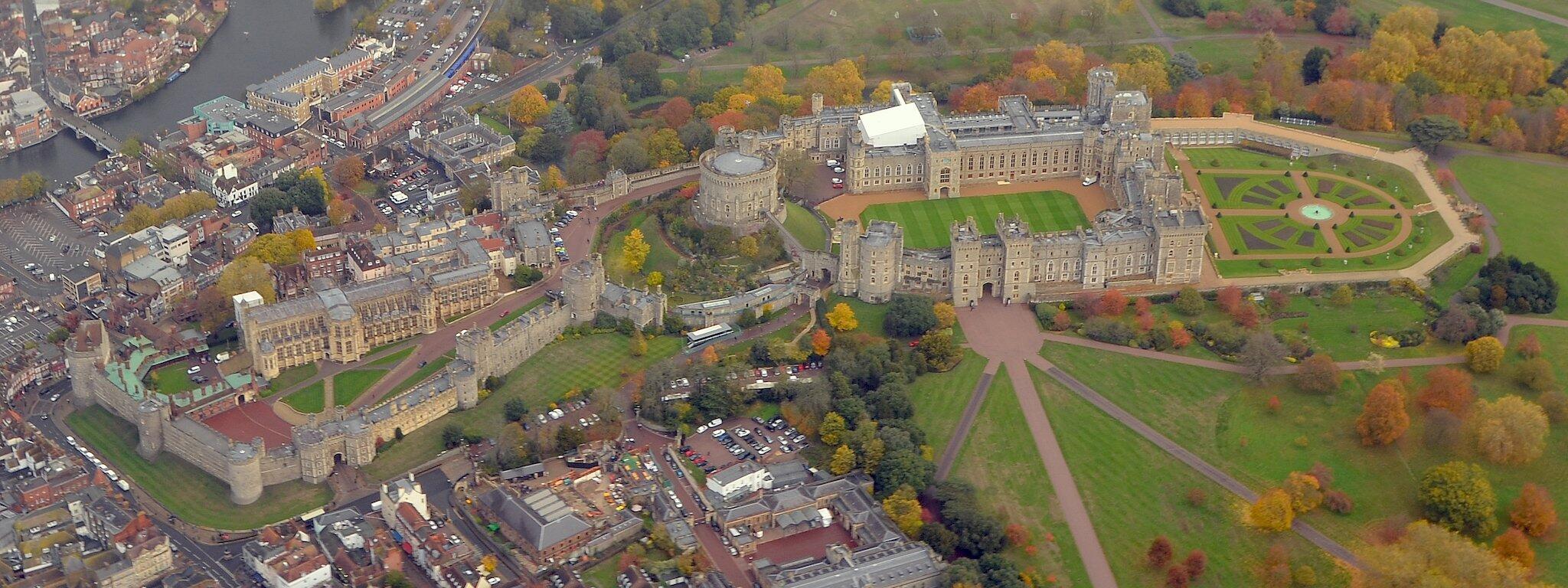
- The Royal Family is known as the House of Windsor; their name comes from Windsor Castle.
- King Charles III and Queen Camilla currently occupy the throne.
- Prince William and Princess Catherine are next in the line of succession, followed by their eldest son, Prince George.
- All working royals represent the monarchy and Great Britain as they promote various charities and the British state.


How the House of Windsor Began
In broad terms, the same bloodline has ruled Britain for more than 1,200 years. Narrowing our focus, today's royal family has ruled since 1901, when Queen Victoria's successor claimed the throne. The rule of King Edward VII, her son, marked the start of the House of Saxe-Coburg and Gotha in Britain.
That Royal House was an extension of the German kingdom of the same name. His father was a member of that German royal family and the royal bloodline runs on the father's side. So, he named his House after his father's.
The term 'house' refers to the royal bloodline.
The father of King Edward VII was from the House of Saxe-Coburg and Gotha.
When Edward VII took the throne, his bloodline dictated that he must rename the British Royal Family after his father's house.
In 1910, King George V succeeded Edward VII to the throne, keeping the House of Saxe-Coburg and Gotha name. That caused lots of problems for the royal family during the First World War because the Germans were fighting against Britain. In fact, planes built in Gotha were dropping bombs on London2!
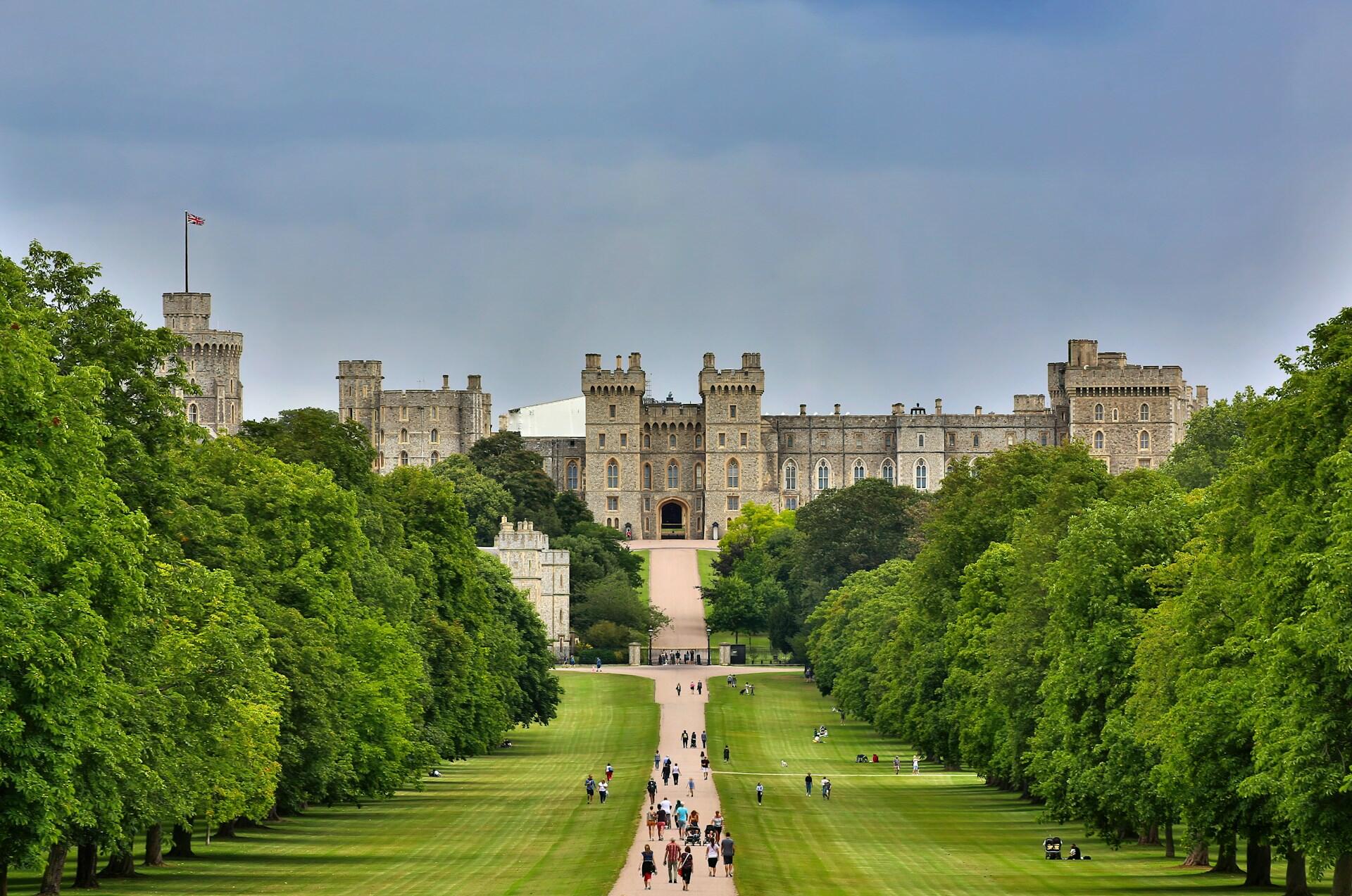
In 1917, King George V changed the dynasty's name to House of Windsor to distance the British royal family from its German heritage. He chose the most iconic symbol of British royalty and history, Windsor, as the bloodline's new name.
As the war raged, British citizens began questioning the Royal Family's loyalties. Windsor Castle has been a royal residence since the 11th century. Windsor was the perfect name for the Royal Family committed to the British public.
How the Royal Line of Succession Works
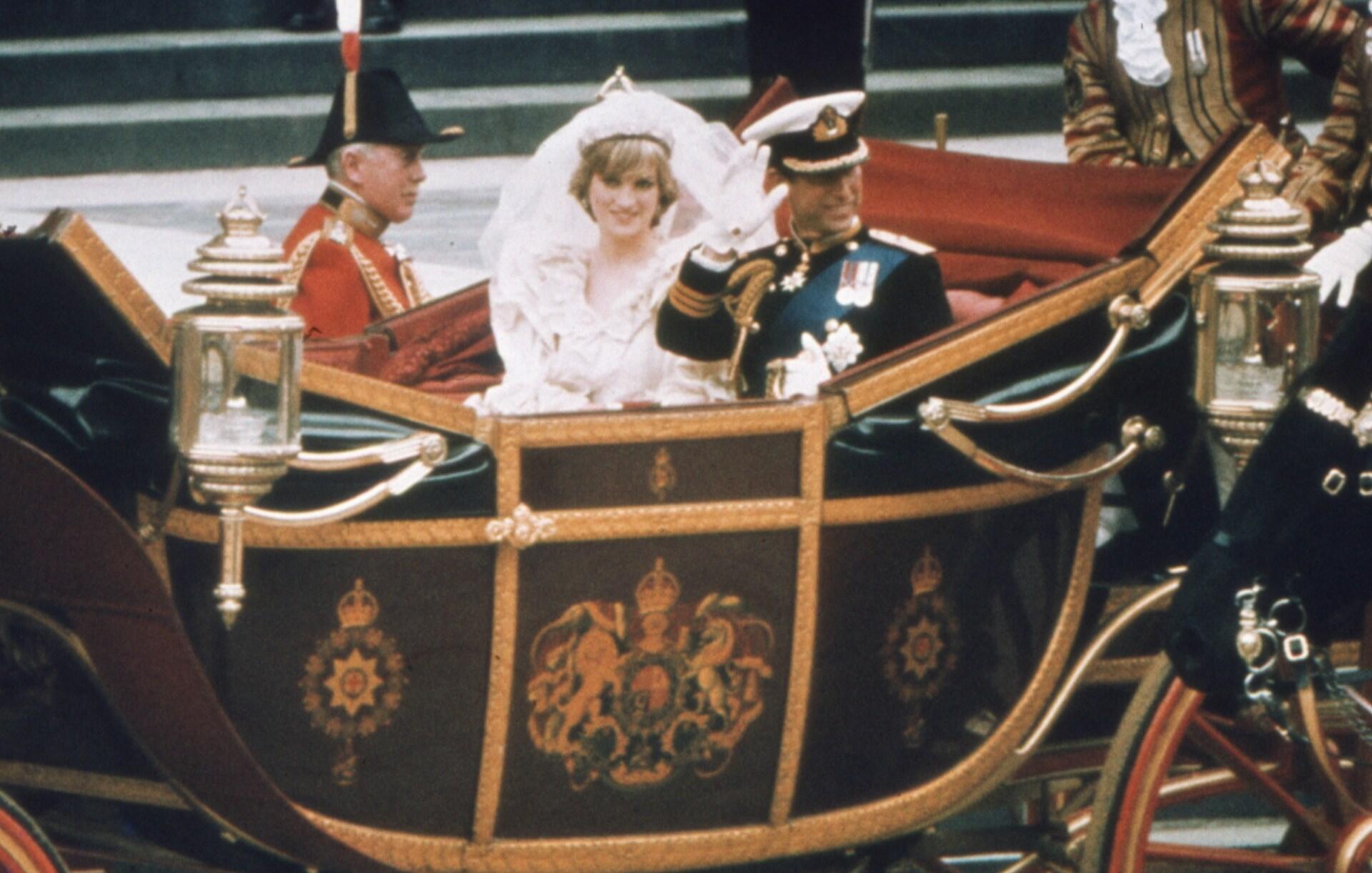
As noted above, today's royals are direct descendants of Edward VII, Queen Victoria's son. Four monarchs from the same family have ruled since then.
- Edward VIII (1936)
- George VI (1936 - 1952)
- Queen Elizabeth II (1952 - 2022)
- King Charles III (2022 - present)
Except for George VI, all of these rulers were/are the firstborn of the monarch they succeeded. That is the number one law of succession for the British monarchy3. The 2013 Succession to the Crown Bill removed the earlier law that said firstborn girls must be skipped over if a male heir isn't too far down the line.
This law insisted that only males may take the throne, even if a girl was born first.
It also forbade any Catholic from ruling the country, and no royal may take the throne if they married a Catholic. Finally, no child born to a royal outside of marriage may become king.
The updated rules of succession did away with the married-to-a-Catholic mandate and scrapped the 'no girls' rule. However, the rule governing Catholics taking the throne remains. It also repealed the Royal Marriages Act (1772) that stated every royal family member must ask the king for permission to marry. Today, only the first six lines of succession must ask the sovereign for that permission.
The Current Line of Succession
God save the King.
From the Coverdale Bible (1535)
Today's British king enjoys high popularity ratings, though many seem to prefer Prince William4 (and Princess Catherine). Those gentlemen are the current and next monarchs; these royals are next in the line of succession, which stretches hundreds of places to encompass the entire royal family.
2nd in line
Prince George of Wales
First son of Prince William.
3rd in line
Princess Charlotte of Wales
Daughter of Prince William.
4th in line
Prince Louis of Wales
Second son of Prince William.
5th in line
Prince Harry of Sussex
Brother of Prince William.
6th in line
Prince Archie of Sussex
Son of Prince Harry.
7th in line
Princess Lilibet of Sussex
Daughter of Prince Harry.
8th in line
Andrew Mountbatten-Windsor
Brother of King Charles.
9th in line
Princess Beatrice (Mrs. Edoardo Mapelli Mozzi)
Daughter of Andrew Mountbatten-Windsor
10th in line
Miss Sienna Mapelli Mozzi
Daughter of Princess Beatrice.
King Charles III and the Modern Monarchy
Though the oldest king to take the British throne, King Charles III knows exactly which direction to take the monarchy. He is the longest-serving heir apparent in British history - he served as the Prince of Wales for 70 years! So, he had plenty of time to hammer out his ideas.
Slimming down the monarchy was among his first acts after taking the throne. It costs the British taxpayers a lot to maintain the royal family, so he cut the number of working royals, as well as expenses. He also reduced the number of formal occasions where royal presence is required, as those cost a lot, too.
The British Royal Family is just as large today as it was before King Charles ascended to the throne. The difference lies in how many working royals serve the public. Currently, only seven royal family members work full-time, down from 11-12 during Queen Elizabeth II's reign.
King Charles III presents a blend of tradition and modernisation. He's expressed his willingness to open royal houses to tours and visits. As a lifelong activist, he stands firm on environmental protection and sustainability initiatives. However, he's constitutionally required to remain neutral on potentially political issues such as those.
By law, the King must remain politically neutral.
As a constitutional monarch, he does not have the authority to make all the decisions, like past British rulers did. Furthermore, he may not take any action or position that might sway the population or government in any direction.
King Charles II has expressed an interest in righting historical wrongs, such as colonialism. As the head of 56 Commonwealth Nations, he's engaged in conversations about paying reparations and transitioning some realms to republics. By contrast, his statements on the Crown's ties to the slave trade are less than generous5.
Prince William and the Next Generation
He's the heir-apparent to the throne, but Prince William is already taking on a major role in the monarchy. He stepped up as his father battled cancer, making royal decisions in his father's place. Today, many insist that the Duke of Wales is already serving as the king6.
That seems a bit of a stretch; he and his father enjoy a close partnership, representing the British Royal Family as a united front. Princess Catherine is an integral part of that collaboration, and their children make the Royals more accessible than ever.
The Duke and Duchess of Wales use social media effectively to portray the royal family as ordinary and relatable.
The well-timed releases of the children's birthday photos and their first days of school give the public an intimate connection to the young family. Never have 'the royals' been so accessible to so many around the world!
For now, Prince William stands on his official royal title as Prince, even as he takes on some leadership duties. We might say he's a king-in-training with his hands halfway on the controls.
What Does the British Royal Family Do?
Will you form a government in my name?
British monarchs
In all cases, the British Royal Family represents the British state, no matter if they're attending a gala event or promoting charitable causes. By the latest count, royal family members are patrons of more than 3,000 charities7; they lend their name and their presence to promote the charities' works.
The king's main duties include inviting British and Commonwealth leaders of political parties to form a government, using the phrase above. For instance, when Andy Burnham became prime minister, he met with the king, who then asked him that question before approving his prime ministership. The King also approves laws passed in Parliament and meets with government leaders every week to stay on top of state affairs.
Members of the royal family travel around the world, meeting with heads of state and touring around their hosts' countries. These visits boost diplomatic relations and help build soft power. In the UK, they may attend ceremonial events such as Remembrance Sunday and other formal occasions.
What Does "Working Royal" Mean?
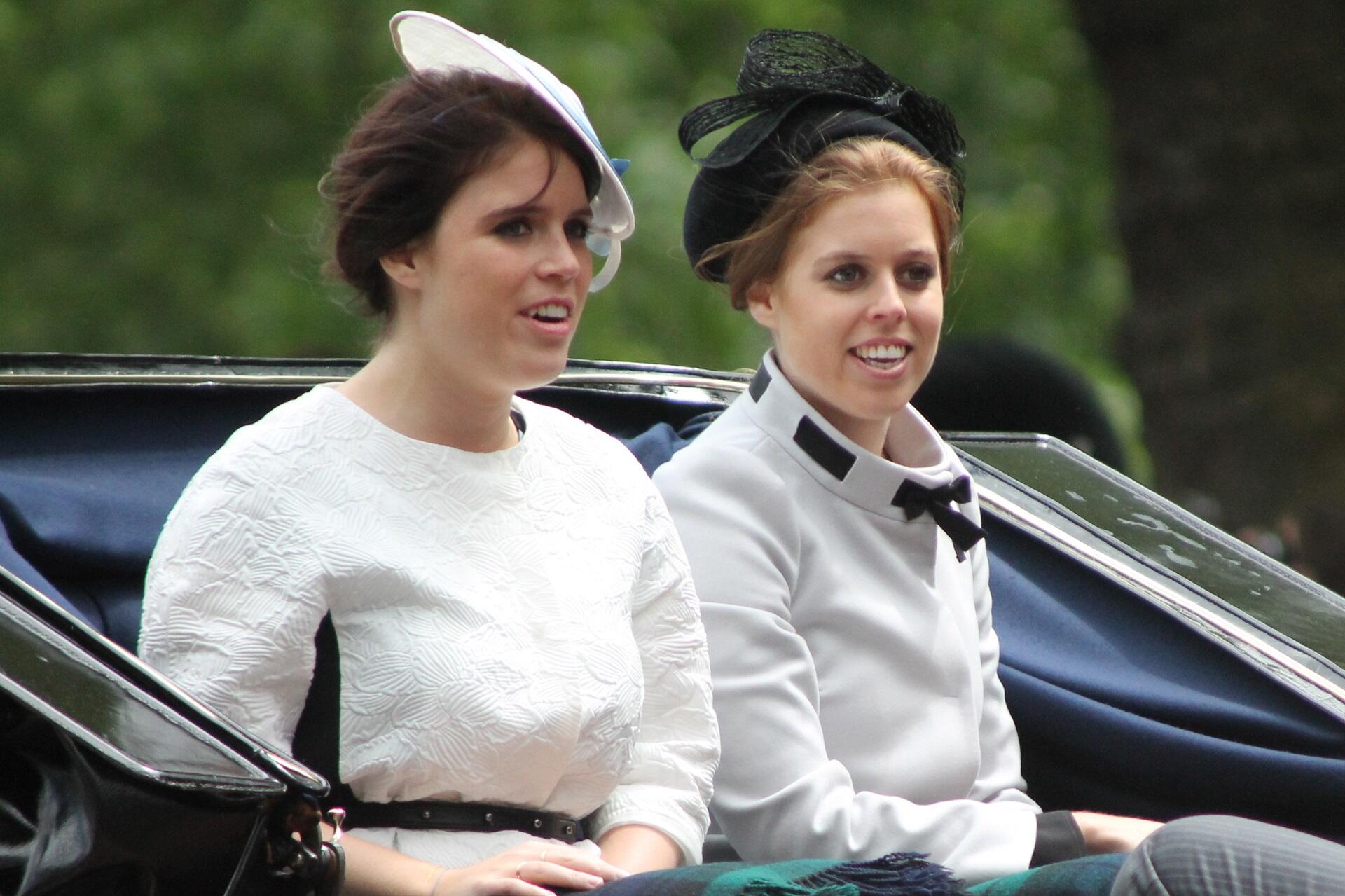
A working royal is a member of the Royal Family who performs official duties. They represent Britain and the monarchy as an official delegate, with the King's approval. The king may instruct working royals to undertake specific tasks, such as hosting a state visit or visiting another country.
In all cases, members of the royal family must behave as though they represent the monarchy, even if they're not working royals.
Though still a child, we might consider Prince George a working royal, just not in an official capacity. He's made several official public appearances already, and we just learnt that he's beginning a new phase in his royal education.
By contrast, Harry and Meghan are not working royals, even though they still have their titles and Harry is in the line of succession. Having just returned to the UK to live, Prince Harry was quick to meet with Invictus Games coordinators, the charity he still sponsors8 - but not as a working royal.
References
- Boyle, Gracie. “What Are the 12 Modern Monarchies in Europe?” Now To Love, May 2023, https://www.nowtolove.com.au/royals/who-are-the-twelve-royal-families-77535/. Accessed 18 Sept. 2026.
- The Royal Mint. “The House of Windsor.” Royalmint.Com, The Royal Mint, 23 Aug. 2024, https://www.royalmint.com/stories/collect/the-house-of-windsor/. Accessed 18 Sept. 2026.
- Britroyals. “Line of Succession | Britroyals.” Britroyals.Com, 2018, https://www.britroyals.com/succession.asp. Accessed 18 Sept. 2026.
- YouGov. “One Year Into King Charles’s Reign, How Do Britons Feel About the Monarchy?” Yougov.Com, 2023, https://yougov.com/en-gb/articles/46032-one-year-of-king-charles-how-do-britons-feel-ab. Accessed 18 Sept. 2026.
- Lyons, Kate, and Natricia Duncan. “King Charles Acknowledges ‘Painful’ Past as Calls for Slavery Reparations Grow at Commonwealth Summit.” The Guardian, The Guardian, 25 Oct. 2024, https://www.theguardian.com/uk-news/2024/oct/25/king-charles-samoa-visit-speech-commonwealth-summit. Accessed 18 Sept. 2026.
- admin user. “‘5 Powerful Reasons Prince William Now Rules the Monarchy’ - Regalune.Co.Uk.” Regalune.Co.Uk - The Modern Voice of Royal News., 30 Oct. 2025, https://regalune.co.uk/prince-william-rules-the-monarchy/. Accessed 18 Sept. 2026.
- Royal.UK. “The Role of the Royal Family.” The Royal Family, 2024, https://www.royal.uk/the-role-of-the-royal-family. Accessed 19 Sept. 2026.
- Perry, Simon. “Prince Harry Raises $2.2 Million for Invictus Games After Attending First Public Event Since Moving Back to the U.K..” People.Com, PEOPLE, 18 Sept. 2026, https://people.com/prince-harry-raises-over-two-million-dollars-for-invictus-games-after-attending-first-public-event-since-moving-back-uk-12127243. Accessed 19 Sept. 2026.
Summarise with AI:
Did you like this article? Leave a rating!

 Loading...