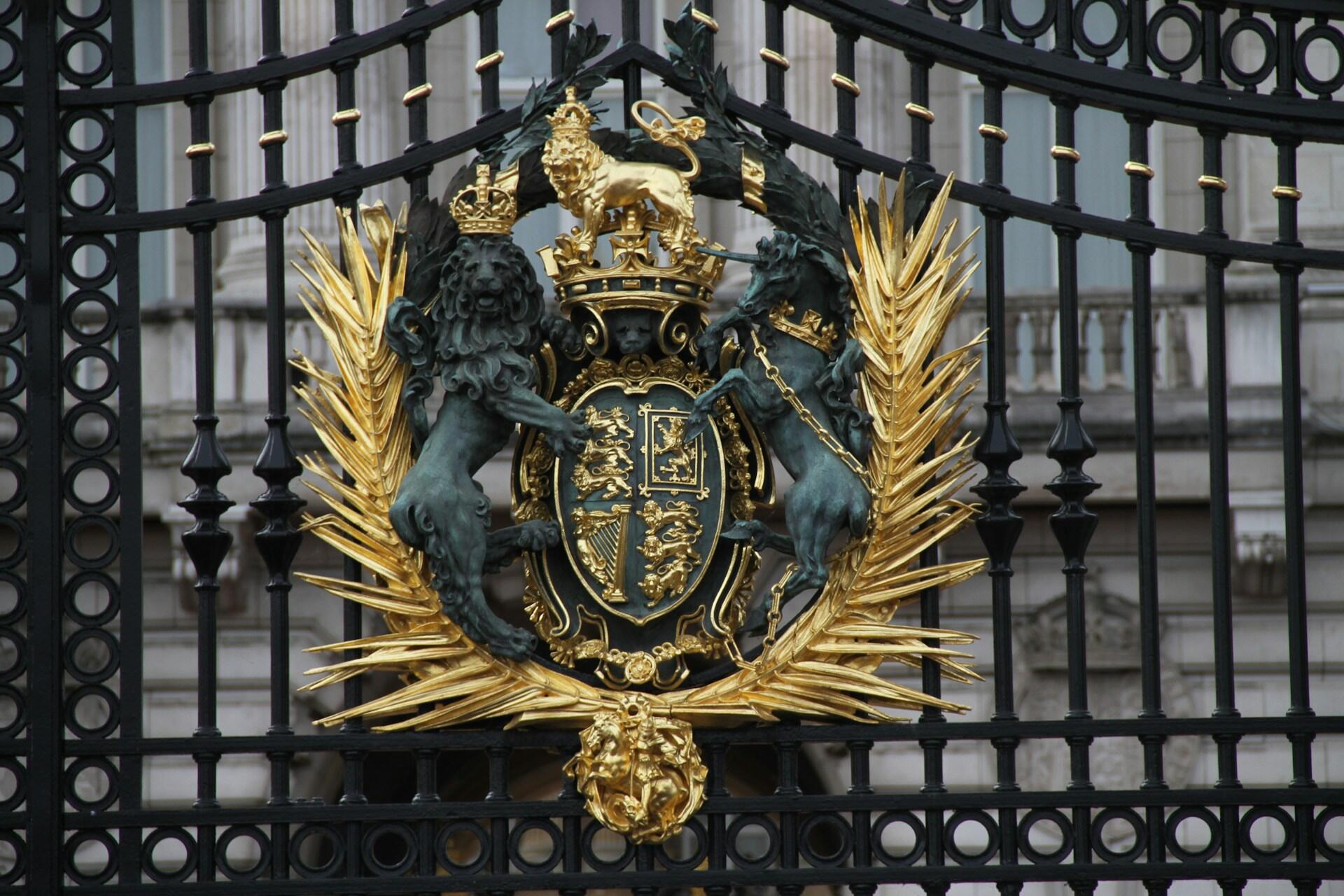

On 1 July 1969, Queen Elizabeth II officially conferred the title of Prince of Wales on her eldest son, Prince Charles. The heir apparent carrying that title has been the royal convention since 13011. Now that Charles is the king, his former titles have all transferred to his heir apparent, Prince William. This article explains the tradition and practice of titles in the Royal Family, why some members may have more than one title, and these titles' ranks.
| Rank | Title | What it means | Traditional form of address | Examples |
|---|---|---|---|---|
| Sovereign | King / Queen | The monarch. This is a royal dignity, not a rank in the peerage. | Your Majesty at first; then Sir or Ma'am. | King Charles III |
| Royal title | Prince / Princess | A title held by certain members of the Royal Family, usually by birth or grant. It is not a peerage rank. | For someone styled HRH: Your Royal Highness at first; then Sir or Ma'am. | William, Prince of Wales; Anne, Princess Royal; Prince George; Princess Charlotte |
| 1st peerage rank | Duke / Duchess | The highest of the five ranks of the British peerage. Some members of the Royal Family also hold dukedoms. | A non-royal duke or duchess is traditionally addressed as Duke or Duchess. A royal duke who is an HRH follows royal forms of address. | Prince William — Duke of Cornwall and Cambridge, and Duke of Rothesay in Scotland; Prince Harry — Duke of Sussex |
| 2nd peerage rank | Marquess / Marchioness | Below a duke and above an earl. | Lord [title] / Lady [title] in conversation. | Christopher Paulet, 19th Marquess of Winchester |
| 3rd peerage rank | Earl / Countess | Below a marquess and above a viscount. Earl is the British equivalent of the continental title count. | Lord [title] / Lady [title]. | Charles Chetwynd-Talbot, 22nd Earl of Shrewsbury |
| 4th peerage rank | Viscount / Viscountess | Below an earl and above a baron. A viscountcy may be a principal title or a subsidiary title held by a higher-ranking peer. | Lord [title] / Lady [title]. | Robin Devereux, 19th Viscount Hereford |
| 5th peerage rank | Baron / Baroness | The lowest of the five peerage ranks. Modern life peerages are also created at this rank. | Lord [title] / Lady [title]. | Peter Maxwell, 27th Baron de Ros |
A useful distinction: royal titles and peerage titles overlap, but they are not the same system. For example, Prince William is a prince because of his place in the Royal Family, but he also holds several dukedoms, which are peerage titles.
For peers below the rank of duke, normal conversational usage is Lord or Lady + title, rather than “My Lord Marquess,” “Earl,” or “Baron.” Dukes are the exception.


Why British Royals Have So Many Titles
Before his coronation, King Charles III held many titles. Besides being the Prince of Wales, he was the Duke of Cornwall and Duke of Rothesay. Prince William, the heir apparent, inherited those titles and holds yet another: Duke of Cambridge, bestowed on him by Queen Elizabeth II when he married.
Historically, the monarch would grant ducal titles on the occasion of the recipients' wedding.
These grants were a means of providing members of the royal family with income, along with extra prestige and status.
This convention dates to feudal England, and it was generally the senior royals who received those grants2. The more dukedoms a royal held, the richer they were, and the higher their position in the line of succession. Though today's monarchy has substantially slimmed down, the titling symbolism is as powerful today as back then.
Royal Family Titles: King and Queen
The title 'King' represents a male monarch, and 'Queen' is, of course, a female monarch. The only straightforward aspect at this level of titling is King: if a male inherits the Crown, he becomes King. For all other arrangements, the issue becomes more convoluted.
Within the British monarchy's workings, the distinction lies in the 'regnant' vs 'consort' descriptor. The king is always regnant but a queen may be regnant or a consort. For instance, Queen Elizabeth II was Queen Regnant, while Queen Camilla is Queen Consort.
The title of King signals power through inheritance and law.
The title cannot be applied to the spouse of a female ruler as he has no legal authority to rule.
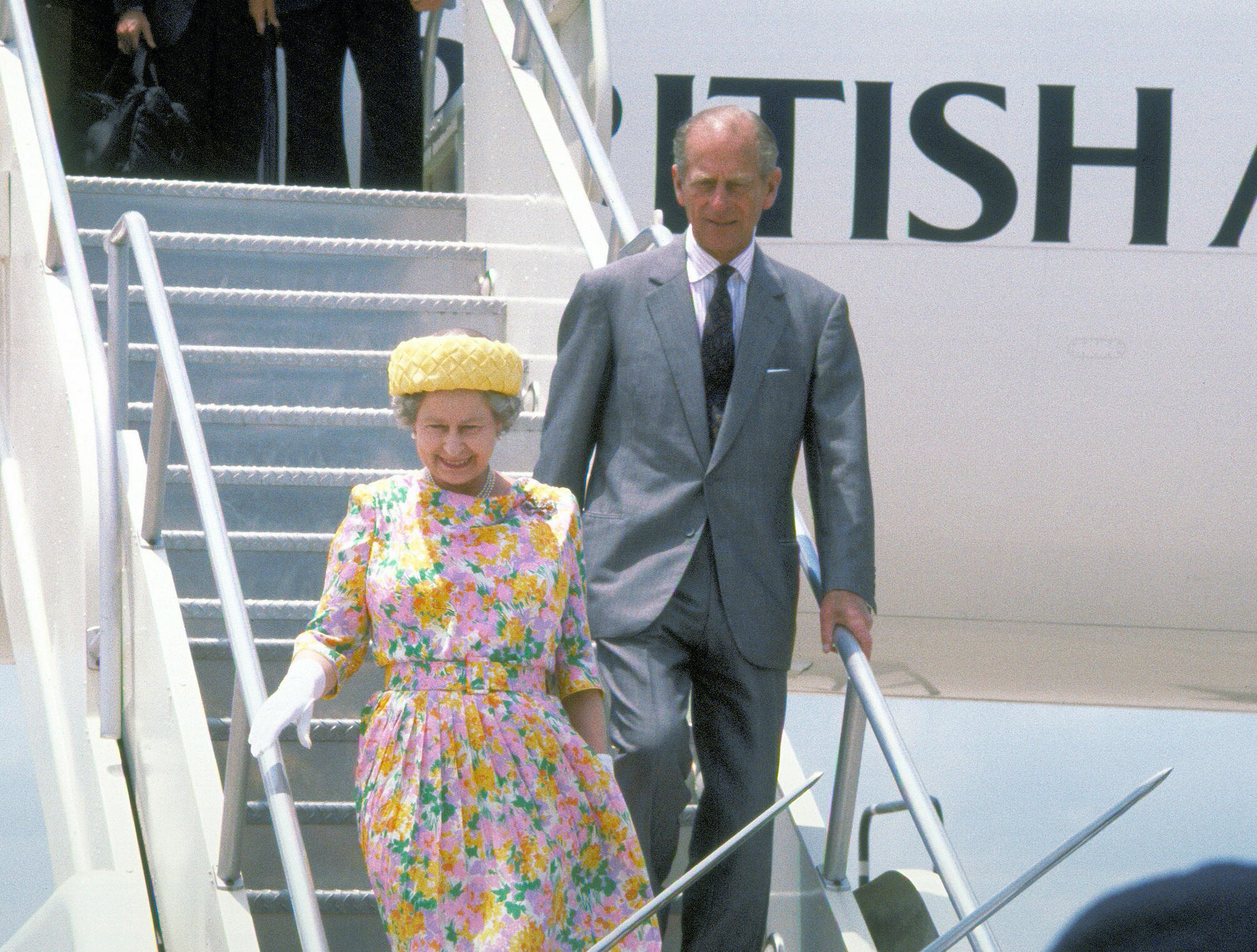
Queen Elizabeth's life partner spent his life as a Prince Consort, a title which denoted both his royal position and his relationship to the queen3. Prince Philip wasn't the only Prince Consort in British history; Queen Victoria's husband, Prince Albert, remained a prince his whole life, too.
Who Gets to Be a Prince or Princess
In general terms, any child born to a royal family member in the line of succession to the throne becomes a prince or princess. However, the rules of succession impose limits, and they're not always straightforward.
Queen Elizabeth's extraordinarily long rule put the decree her grandfather proclaimed to the test4. Prince William's children became princes/princess at birth, despite being great-grandchildren. Prince Harry's children only received their Prince and Princess titles when King Charles ascended, which made them the grandchildren of the sitting monarch.
What Does the Title 'Prince of Wales' Mean?
To answer this question, we must reach far back into English history, to 1301. King Edward I had just conquered Wales; he conferred that title onto his eldest son - his heir apparent to the throne.
In modern times as historically, conferring the title of Prince of Wales signals the formal designation of the heir apparent to the throne.
King Charles held the title since he was nine years old, and formally from the time he was 20. When he ascended to the throne, he passed the Prince of Wales title to his eldest son and heir apparent, Prince William. For this reason, we identify Prince William and his wife the Prince and Princess of Wales.
Receiving the title Prince of Wales does not position one to be the next in line to the throne.
Per tradition, one must already be the heir apparent to receive the Prince of Wales title.
Dukes and Duchesses: One Step Below Princes
A dukedom is the highest title of the British peerage system and the highest rank of hereditary nobility. However, we must distinguish between royal and non-royal dukedoms.
Royal dukedoms
- styled as His Royal Highness (HRH)
- granted to male members of the royal family
- today, six royal family members are dukes
Non-royal dukedoms
- bestowed upon loyal peers
- the title is for life passed down the male line
- today's Britain counts 24 non-royal dukes
King Edward III created the title for his son in 1337. Since then, members of nobility particularly loyal to the Crown could receive a dukedom. This peerage previously accorded them a place in the House of Lords, a 700-year-old tradition that ended in March 20267.
A prince may also be a duke, but a non-royal duke may never become a prince.
These are two different classes of aristocracy, with the prince 'outranking' the duke.
Though the title may be inherited, it doesn't always pass down to a duke's heirs. For instance, if the duke has no male heirs, the title reverts back to the Crown (daughters may inherit other aspects of the estate).
We recently witnessed a case of a title reverting to the Crown. Prince Philip was the Duke of Edinburgh; when he passed in 2021, then-Prince Charles inherited the title. Once he ascended to the throne, the title fell into abeyance until the king accorded it to his youngest brother, Prince Edward, in 2023.
HRH: What Does It Mean?
You might remember, when Prince Harry and Meghan withdrew from royal life in 2020, they stopped describing themselves as His Royal Highness. That's the agreement they made with Queen Elizabeth, which King Charles reinforced upon their return to the UK earlier this year.
This acronym stands for His/Her Royal Highness.
It is a style accorded to a rank of British nobility, apart from any royal titles they may have.
In fact, the Duke and Duchess of Sussex perfectly illustrate the various distinctions a member of the royal family may embody. They remain family members, of course, but they are not working royals, nor do they represent the monarchy.
Going further: they have their Duke and Duchess titles, but they receive no income, land or political power from them. And they are no longer to be addressed as His/her Royal Highness, nor may they use HRH in any press releases or written communications.
Each of those aspects of 'being a royal' conveys a specific message of one's rank and status within the Royal Family. Their dukedom was always ceremonial in nature, bestowed on the occasion of their marriage5. That too is a matter of royal tradition.
The Meaning of Princess Royal
Did you know that our late queen's daughter, Princess Anne, is a Princess Royal? That is a title a monarch may bestow on their eldest daughter, and only the eldest. The award isn't automatic; it is a custom to title one's eldest girl-child in that manner.
1. Princess Mary, daughter of King Charles I and Queen Henrietta Maria, became England's first Princess Royal in 1642.
2. Only one princess may be Princess Royal at a time.
3. It is the highest honour a female member of the British Royal family may receive.
4. To date, Britain has celebrated just seven Princess Royals.
Princess Anne is the seventh, and she stands as a model to illustrate how royal titles depend more on tradition and grants than inheritance. In fact, having a title bestowed may signal special favour, but it doesn't move one up the succession line. So, although Princess Anne holds the highest female honour, she's no closer to taking the throne than the day she was born.
Does the Royal Family Have a Surname?
Indeed, they do! In fact, royal family members need a surname when they enrol in school, enlist in the military, and for healthcare, in some cases. To illustrate this point, we call on Andrew, the brother of King Charles.
In October 2025, King Charles stripped Andrew of all the royal titles, styles, orders, and honours that identified him as a member of the royal family.
Andrew is still a member of the family, of course. He now identifies himself as Andrew Mountbatten-Windsor, the surname of today's royal family. Hyphenated as it is, it bears profound significance.
Windsor
- represents the royal bloodline on Queen Elizabeth's side
- used by King George's male-line descendants, such as the Duke of Kent.
Mountbatten-Windsor
represents royal family members who are Queen Elizabeth and Prince Philip's descendants.
Senior royals and working royals do not need a surname, and they typically do not use one in their public life. We know them well enough, and identify them by their styles, titles and given names.
However, they may need one when filling out official documents and when handling legal matters which require surnames. Registering marriages, filling out school enrolment forms, and completing military service all demand a surname6 from royals and commoners alike.
References
- Gonzales, Erica. “The Meaning Behind Prince Charles’s Royal Title, the Prince of Wales.” Harper’s BAZAAR, 9 Nov. 2019, https://www.harpersbazaar.com/celebrity/latest/a29729552/prince-charles-prince-of-wales-title-meaning/. Accessed 21 Sept. 2026.
- Reilly, Lucas. “How Do British Royals Get Their Titles?” Mental Floss, 11 May 2018, https://www.mentalfloss.com/history/royalty/how-do-british-royals-get-their-titles. Accessed 21 Sept. 2026.
- Proctor, Charlie. “Why Doesn’t the Title ‘King Consort’ Exist? - Royal Central.” Royal Central, 30 July 2025, https://royalcentral.co.uk/features/why-no-king-consort-212664/. Accessed 21 Sept. 2026.
- BBC News. “Archie: Why Is Meghan and Harry’s Son Not a Prince?” BBC News, 9 Mar. 2021, https://www.bbc.com/news/uk-56325934. Accessed 21 Sept. 2026.
- Donnelly, Luke. “From George III’s Son to Prince Harry: The History of the Duke of Sussex Title.” Sussex Live, 10 Jan. 2023, https://www.sussexlive.co.uk/news/sussex-news/george-iiis-son-prince-harry-8011253. Accessed 21 Sept. 2026.
- Emma.Goodey. “The Royal Family Name.” The Royal Family, 3 Apr. 2016, https://www.royal.uk/royal-family-name. Accessed 21 Sept. 2026.
- Sherwood, Harriet. “The Last of the Hereditary Peers in the House of Lords.” The Guardian, The Guardian, 20 July 2024, https://www.theguardian.com/politics/article/2024/jul/20/hereditary-peers-house-of-lords-end. Accessed 22 Sept. 2026.
Summarise with AI:
Did you like this article? Leave a rating!

 Loading...