Coastal systems are dynamic and constantly changing environments. When studying geography, this is one of the key types of system and landscapes to get to grips with. A-Level geography students will find our reference to be really useful as they build their knowledge of these types of systems.
The coast is where the land meets the sea, and the nearby area. Often, these are dramatic landscapes in terms of how they look, and you may know the coast as being a place for holidays, but coastal systems and landscapes play a crucial role in our geography.
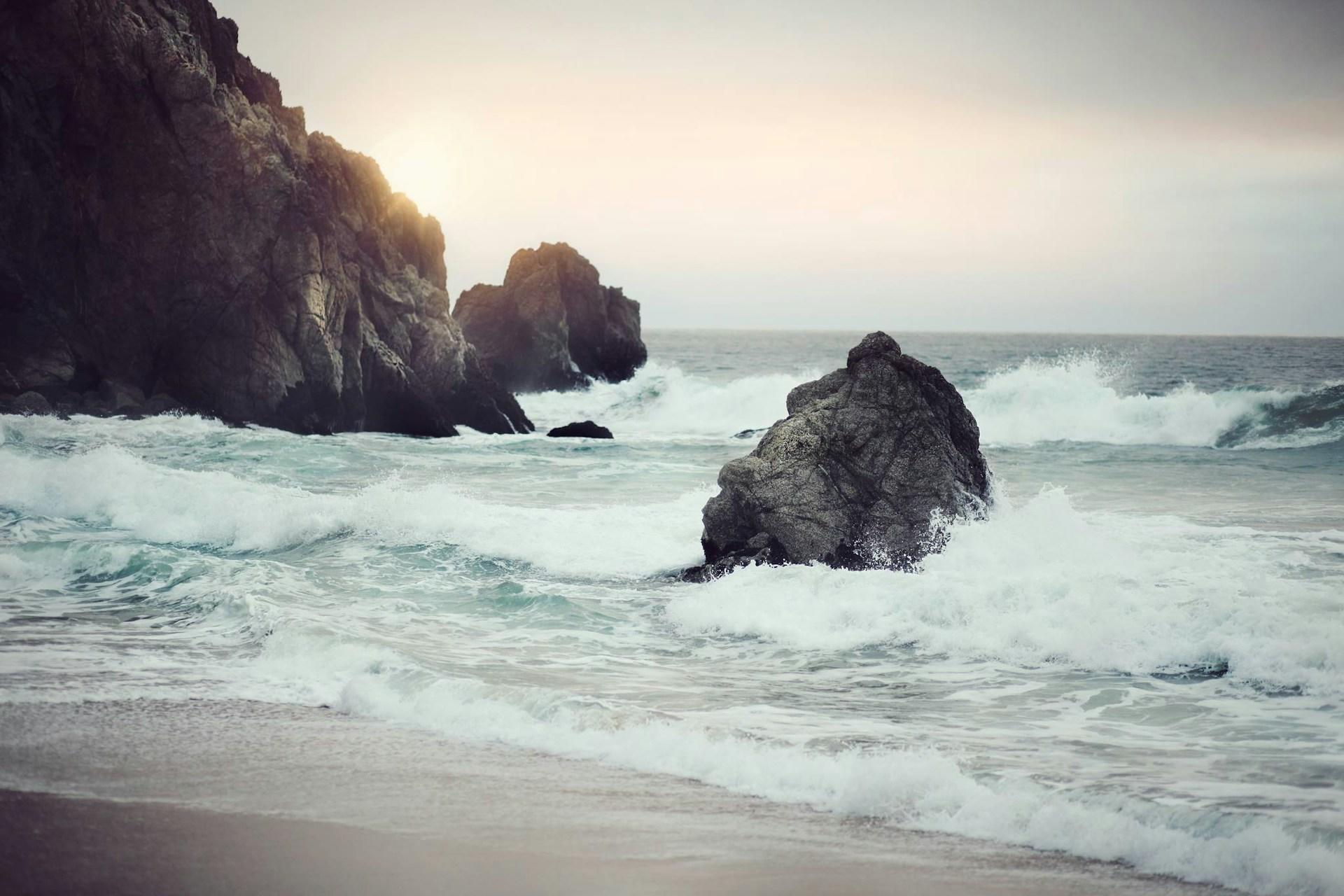


Coastal Inputs and Outputs
Coastal systems, like any geography system, have inputs and outputs. Inputs are the factors or forces that influence the coastal environment, while outputs refer to the changes or results of these influences on the coast.
Coastal Inputs:
| Coastal Input | Explanation |
|---|---|
| Energy from waves | Waves are one of the primary sources of energy in coastal systems, generated by the wind blowing over the surface of the sea. |
| Tidal energy | Tides, caused by the gravitational pull of the moon and the sun, bring regular changes in sea level. |
| Wind energy | Wind plays a significant role in shaping coastal landforms by transporting sand and other materials along the shore. |
| Sediment | Sediments come from rivers, the sea, and even human activities, like coastal defence structures. |
| Human activity | Coastal management strategies like building seawalls and groynes alter the natural dynamics of the coast. |
Coastal Outputs:
| Coastal Inputs | Explanation |
|---|---|
| Sediment loss | Coastal systems lose sediment through processes like erosion, deposition into deeper waters, or being transported alongshore. |
| Coastal erosion | Rock and sand are worn away over time resulting in land loss. |
Coastal systems are always shaped by the balance between these inputs and outputs. When they are in equilibrium, the system is considered stable.
Coastal Transfers
Coastal transfers refer to the movement of materials – sand, rocks, and other sediments along the coastline. This movement is primarily driven by the action of waves and tides. There are several key processes involved in these transfers.
Longshore drift
This is the process that moves sediment along the shore. When waves approach the coast at an angle, they push sand and pebbles up the beach in the direction of the wave (swash). Gravity then pulls them back down the beach (backwash) at a right angle to the shore. Over time, this zig-zag motion moves material along the coastline.
Tidal currents
The movement of water associated with the rise and fall of tides also plays a role in transporting sediment along the coast.
Aeolian processes
Wind plays an important role in transferring finer sediments like sand from one area of the beach to another. The result of these transfers can lead to the formation of various coastal features and shape the way that the coast looks.
System Feedback
Coastal systems are often influenced by feedback loops that either stabilise or destabilise the environment. These loops can be positive or negative:
Positive feedback amplifies change within the system. For example, if a beach is eroded by storm waves, the loss of sand may make the beach more vulnerable to further erosion in future storms.
Negative feedback helps restore balance to the system. For instance, when sediment is deposited by waves after a storm, it can replenish the beach and in the process is counteracting erosion.
Feedback mechanisms are crucial in maintaining or disrupting the equilibrium of coastal systems. They highlight the constant state of flux within these environments.
Coastal Processes
The processes at work in coastal systems are responsible for shaping and altering the landscape. These processes can be broken down into erosional and depositional processes.
Erosional Processes
- Hydraulic action. The force of waves hitting the coastline compresses air into cracks and crevices in rocks. This pressure can eventually cause the rock to break apart.
- Abrasion. Waves pick up sediment and hurl it against cliffs and rocks, wearing them down.
- Attrition. Sediment particles collide with each other, gradually breaking into smaller, smoother pieces.
- Corrosion (solution). The seawater dissolves soluble materials from rocks, particularly chalk and limestone.
Depositional Processes
- Deposition. Occurs when waves lose energy and drop the sediment they are carrying. This often happens in sheltered areas, such as bays.
- Beach formation. Beaches are built up by deposition of sand and pebbles along the coast.
- Formation of spits and bars. Longshore drift can deposit sediment in a straight line out into the sea, forming spits. When these extend across a bay, they can create bars.
- These processes create distinctive coastal features we all know: cliffs, wave-cut platforms, beaches, and coastal dunes.
Coastal Sources of Energy
Energy sources that come from coastal areas are becoming even more important in the modern age. The main source of energy in coastal systems is wave energy, which is generated by wind blowing over the surface of the sea. The amount of energy in a wave is determined by the wind speed, the duration of the wind, and the distance over which the wind blows (called the fetch).
Other sources of energy include:
Tidal Energy
The gravitational pull of the moon and the sun creates tides, which are regular changes in sea level.
Wind Energy
Wind not only creates waves but also moves sand and other materials along the beach.
Solar Energy
The sun’s energy influences weather patterns, which in turn affect wave and wind energy.
Wave Systems
Waves are a big part of coastal systems. They are formed by wind moving across the surface of the sea. Waves can be classified into two types.
Constructive waves – These are low-energy waves that build up the beach by depositing materials.
Destructive waves – These are high-energy waves that erode the coastline by removing material.
Wave refraction is a process that occurs when waves approach an irregular coastline. As waves near the shore, they slow down due to friction with the seabed. When this happens, waves bend (refract) around headlands and into bays. This refraction concentrates wave energy on headlands, leading to more intense erosion, while dispersing wave energy in bays. This is where deposition occurs. This process shapes and alters the coastline by eroding prominent features and filling in sheltered areas.
Summarise with AI:
Did you like this article? Rate it!

 Loading...