When studying A Level Geography, it is a good idea to understand the different forms of landscapes and how they work. Glacial systems and landscapes are formed by the movement and accumulation of ice over time.
In this guide we’re looking at the inputs, outputs, stores, and flows in glacial systems. This is essential to grasp how they work and the various types of landscapes they create. We also look at some of the characters of glacial systems and landscapes.


Glacial Systems: Inputs, Outputs, Stores, and Flows
A glacial system, much like other natural systems, involves the movement and transformation of materials such as ice, water, and debris. These materials move between inputs, outputs, stores, and flows.
Inputs
The primary input to a glacier is snowfall. Over time, snow accumulates and is compacted into ice. Other inputs include rock debris, which can be collected as the glacier moves across the landscape, and rain, which may freeze and add to the ice mass.
Outputs
Glaciers lose ice and snow through a process known as ablation, which refers to melting, evaporation, and calving (where chunks of ice break off and fall into the sea). Meltwater is a significant output, especially in warmer climates or during the summer months. Ice can also sublimate, meaning it turns directly from ice into water vapour.
Stores
The most obvious store in a glacial system is the ice itself. However, glaciers also store rock debris and meltwater. The ice in a glacier can be stored for thousands of years, particularly in larger glaciers. Over time the layers of ice build up, with the oldest ice found deep in the glacier. Glaciers also store materials like rock fragments, which are picked up as the glacier moves across the land.
Flows
Glacial flow refers to the movement of ice within the glacier. Gravity pulls the ice downhill, causing it to flow slowly. Glaciers also have internal flows of meltwater, which can influence the speed at which the glacier moves. Sediments and debris also flow through the system as they are carried along by the moving ice.
Characteristics of Glacial Landscapes
Glacial landscapes are unique and often dramatic in terms of how they look – shaped by the immense power of ice. They’re also difficult for people to live in without specific systems to support life.
Glaciers carve out valleys and create various stunning features as they advance and retreat.
U-shaped valleys
These valleys are one of the most distinctive features of glacial landscapes. Unlike rivers, which create V-shaped valleys, glaciers carve deep, wide valleys with steep sides and flat floors. These valleys form as the glacier moves, eroding the land beneath it.
Cirques
A cirque is a bowl-shaped depression found at the head of a glacier. This feature forms as ice erodes the rock beneath it, creating a hollow. When a glacier melts, a small lake called a tarn may be left in the cirque.

Moraines
As glaciers move, they pick up rocks and debris. When the glacier melts, this material is deposited, forming ridges of debris known as moraines. Moraines can be found at the sides, base, or end of a glacier.
Glacial Erratics
Large boulders that have been carried by glaciers and deposited far from their original location are known as glacial erratics. These rocks are often found in places where they seem out of place, giving a clue to the glacier’s past movement.
Fjords
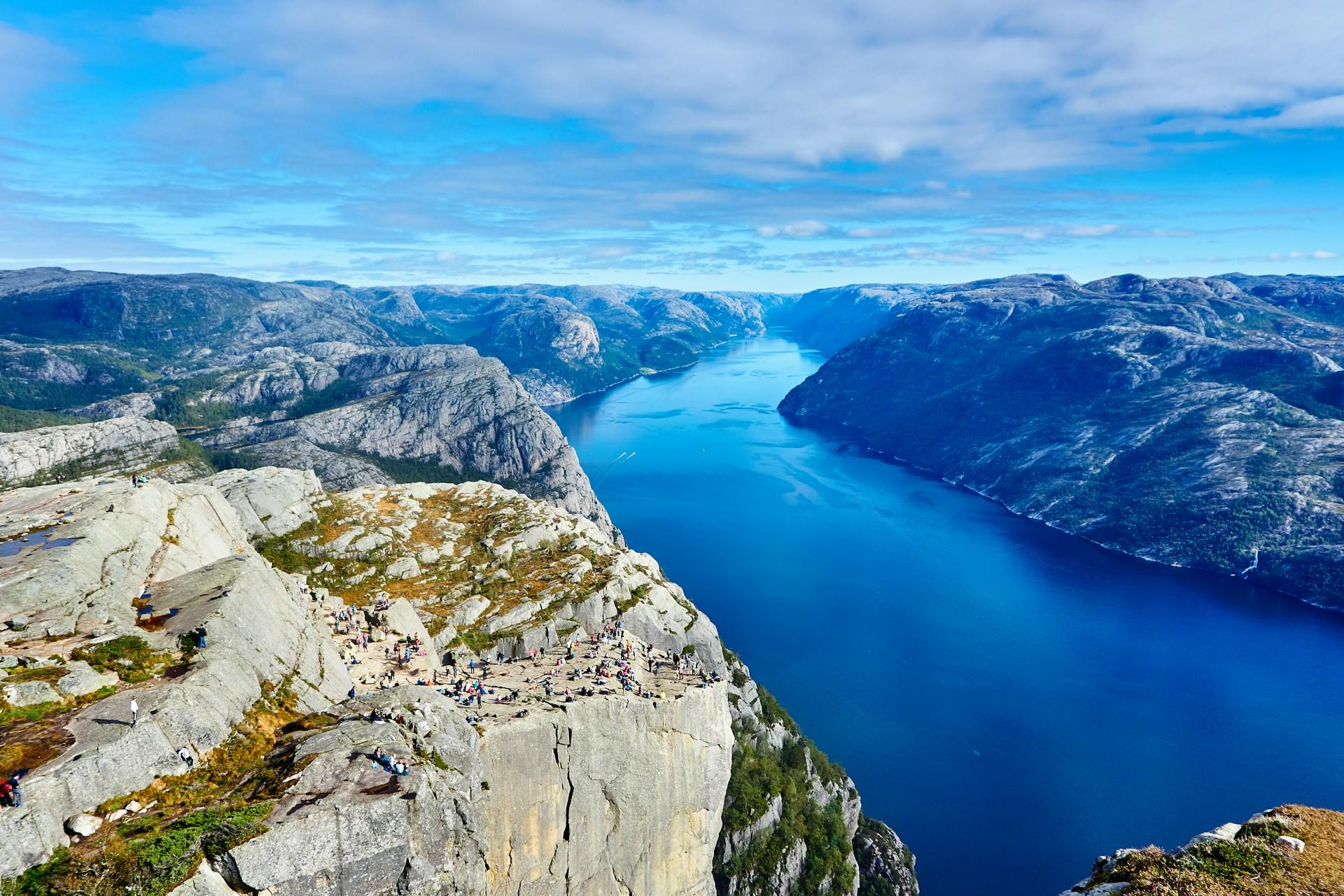
Fjords are deep, narrow, and steep-sided sea inlets created by glaciers. They form when a glacier carves out a U-shaped valley that is later flooded by the sea.
Types of Glaciers: Constrained and Unconstrained
Glaciers are classified into two broad types: constrained and unconstrained glaciers. The difference between these types lies in how the landscape influences the glacier’s shape and movement.
Constrained Glaciers
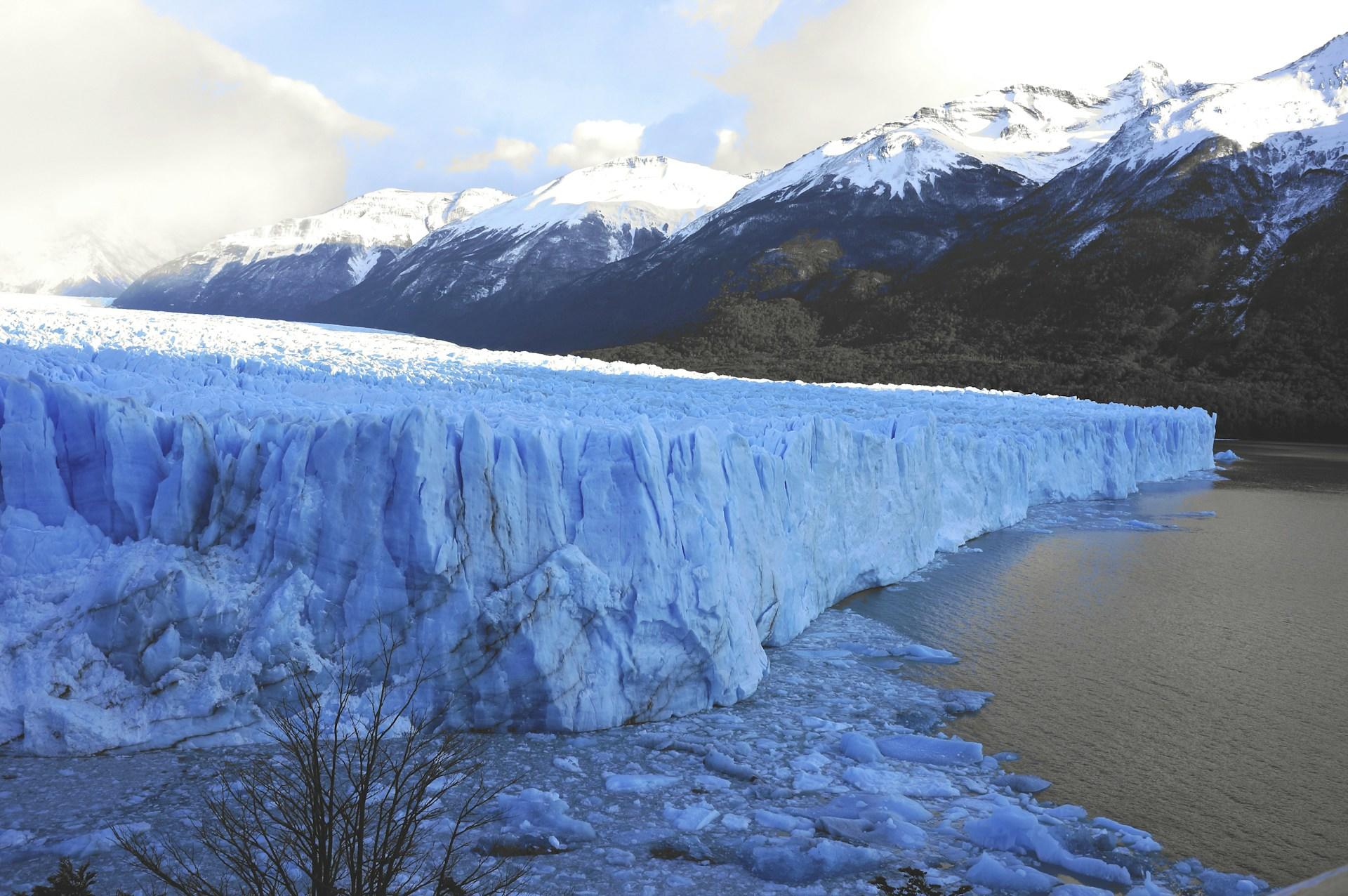
These glaciers are confined by the landscape they move through. They tend to be found in mountainous regions where the ice is restricted by valley walls. Constrained glaciers include valley glaciers, which move down a valley carved out by a previous glacier or a river. They often create the classic U-shaped valleys seen in mountainous areas. Another type of constrained glacier is a cirque glacier, which forms in a bowl-shaped depression on a mountain slope. These glaciers are smaller and less dynamic compared to larger, unconstrained glaciers.
Unconstrained Glaciers
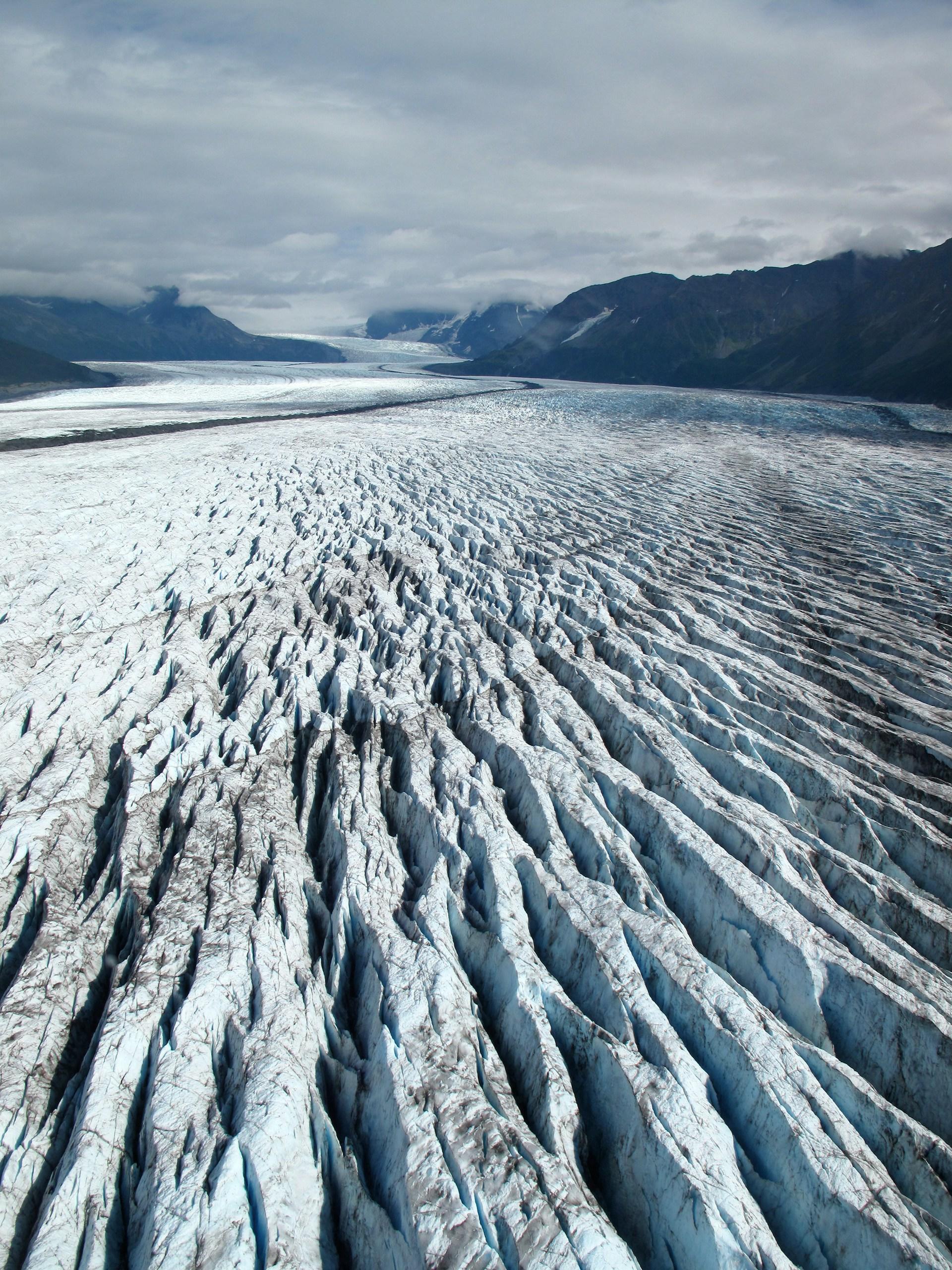
Unlike constrained glaciers, unconstrained glaciers are not confined by the surrounding landscape. They are often much larger and can spread out over vast areas. One of the best examples of an unconstrained glacier is an ice sheet, like those found in Antarctica and Greenland. Ice sheets cover large parts of a continent and can be thousands of metres thick. Ice caps are another type of unconstrained glacier, but they are smaller than ice sheets and often found at high altitudes, such as on islands or mountaintops.
Because they are not restricted by valleys or other landforms, unconstrained glaciers tend to move in a more uniform direction and have a greater impact on the global climate.
The key difference between these two types of glaciers lies in the influence of the landscape. While constrained glaciers are shaped by the valleys they occupy, unconstrained glaciers shape the landscape around them covering entire regions with ice.
Glaciers as Open Systems
A glacier is considered an open system because it exchanges energy and material with its surroundings. Glaciers receive inputs (like snowfall) and lose outputs (such as meltwater and ice). Understanding glaciers as open systems is crucial because it helps explain how they gain and lose mass over time.
One important concept is the glacial budget, which refers to the balance between the inputs and outputs of a glacier. When snowfall exceeds melting, a glacier advances, gaining mass. When melting exceeds snowfall, the glacier retreats, losing mass. Over long periods, this balance can shift in response to changes in climate, influencing the size and movement of glaciers.
Runoff Variation and the Flood Hydrograph
Glaciers also influence river systems and runoff. During warmer periods, meltwater from glaciers can contribute to rivers, particularly in summer. This contributes to seasonal runoff variations, which affect the flow and discharge of rivers. A flood hydrograph is a tool used to represent the relationship between rainfall and river discharge. In areas influenced by glaciers, the hydrograph may show increased runoff during warmer periods when the glacier melts more rapidly.
Changes in the Glacial System Over Time
Glaciers are dynamic, and their systems change over time due to both natural and human factors.
Natural Variations
Natural events like storm activity, seasonal changes, and long-term climatic shifts (such as ice ages) can affect glacier movement and the size of ice sheets. For example, during colder periods, glaciers tend to advance, whereas warmer periods can cause them to retreat.
Human Impact
As always there is a human impact – particularly in relation to climate change, which has had a significant impact on glaciers. The burning of fossil fuels and deforestation has led to increased concentrations of greenhouse gases in the atmosphere, causing global temperatures to rise.
Summarise with AI:
Did you like this article? Rate it!

 Loading...