What do cities like London, Manchester, and Birmingham share in common? They are urban areas in the United Kingdom with large populations.
The movement of people from rural to urban areas is a global phenomenon known as urbanisation, leading to the growth and expansion of the cities and their overall urban environment.
In this article, we will venture into these points:
- Urbanisation
- Urban forms, urban landscapes and inequalities
- Urban climate and urban drainage
- Management of urban waste
- Creating a sustainable urban environment


Urbanisation and The Issues Associated with It
The rate of urbanisation has been growing steadily over the years — mainly driven by young people who eventually chose to settle down in urban areas due to better job opportunities and infrastructures.
Over the years, an increasing population in urban areas also led to urban sprawl and contributed to suburbanisation.
Suburbanisation is where people move to suburban areas to have a cleaner and more spacious living environment while still enjoying decent access to the main city and adequate infrastructure.
The growth and expansion of urban cities to the rural areas surrounding them. In other words, the rural areas also undergo development and become part of an urban area.
On the other hand, some people also choose to move from urban to rural areas — counter urbanisation due to a desire for a slower pace of life.
Urbanisation also contributes to the rise of megacities — cities with a population of over 10 million. London is one of them. These cities often have a great influence over a country's economic growth.
However, these cities are not prone to changes like deindustrialisation,decentralisation and also dominance of service-based sectors. To help ease these transitions, local governments often resort to effective urban policies and regeneration schemes.
Urban Forms, Urban Landscapes & Inequalities
As urbanisation grows, it gradually affects the physical characteristics of a city, particularly its structure, layout and land use — collectively known as urban form.
Urban form can change due to physical factors and human factors.
| Physical Factors | Human Factors |
|---|---|
| Available natural resources surrounding the area like water, coal and oil. Adequate water supply ensures development of various plantation and good sanitation to the residential areas nearby. Also acts as a landscape layout for certain cities like River Thames in London. | Infrastructure and development pace — Making sure that urban growth is well balanced and sustainable with the right development tools and ideas. |
| Topography — the nature of the slopes, flat space, elevation hills etc. For example, the city of Edinburgh is shaped by the remains of volcanic hills. | Planning — Takes into account about the population, and the its relationship with transporation and residential needs. Making sure that the space around the urban area is maximised without compromising te safety of the people. |
| Land Type — the composition of soil and rocks around the area. For instance, the sand of Bristol is predominantly clay based, which could pose some challenge to urban development due to the low permeability and moisuture content of clay. | Value and growth of land —determined by the nature of businesses and generated profit of the conomic activities of the urban area. |
At the same time, urban areas have also developed new features to enhance the visual experience and environmental considerations — collectively known as urban landscapes.
Some examples of urban landscapes include mixed-use developments, edge cities, fortress developments, gentrified areas, and cultural and heritage areas.
Constant developments and changes in land use in urban areas will lead to the rise of postmodern cities.
Cities with unique architectural styles, service-oriented economies, and fragmented use of space with extensive socioeconomic gaps. One example is the capital of Japan, Tokyo.
Unfortunately, rapid urbanisation is one of the major causes of cultural, economic and social inequalities.
- Cultural inequality: Segregation of ethnic groups which could lead to racism and discrimination.
- Economic inequality: Income inequality could lead to delays in health treatments for the poor.
- Social inequality: Could lead to education and gender inequality according to where one stays.
The Impacts of Urban Climate & Issues of Urban Drainage
As the urban landscape changes, so does the air quality and climate of the area — temperature change, and precipitation (any kind of weather condition that falls down from the sky like rain or snow).
One of the most common characteristics of urban climate is the urban heat island effect. This happens when the urban areas feel hotter at night than the rural areas because the buildings, road in the urban areas absorb and retain more heat during the day.
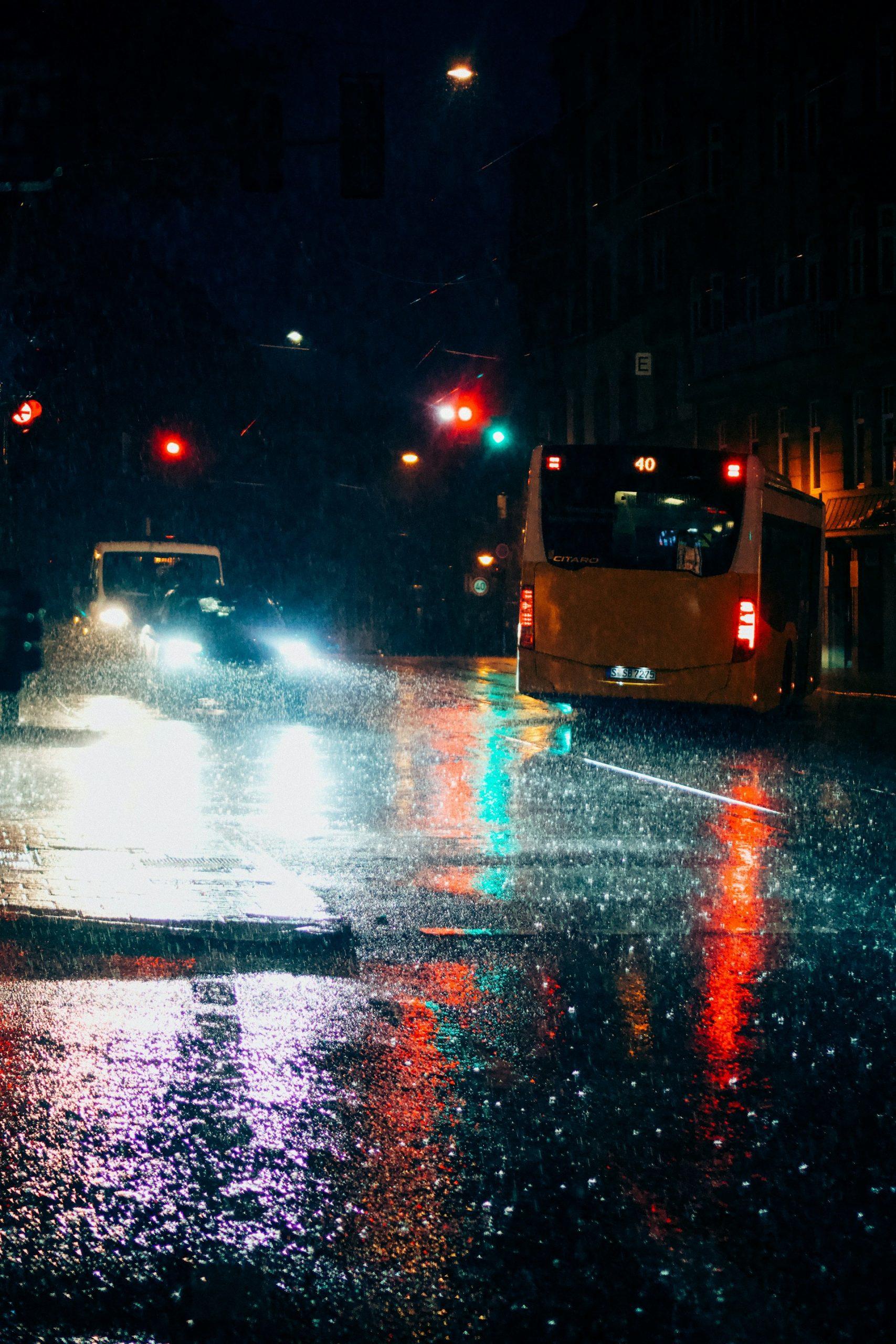
There's also an increase of rainfall and lower wind speed due to more high buildings in urban areas.
The most dreadful effect of urban climate is none other than air and water pollution — due to various urban activities from smogs, vehicle emissions, contsruction and manufacturing activities.
Urban Drainage
Due to an increase of rainfall in urban areas, there is a greater need to manage the flow of water to avoid short lag time (the amount of time needed for the water to reach the river) and flood.
The landscape of urban areas — more pavements, buildings and less ground soil causes water to flow on the surface to urban drainage basins (like a river or drainage system) instead of being asbosrbed to natural drainage basins.
The faster the water reaches the river, the faster the river level will go high beyond its capacity — causing flash floods.
Some of the ways to handle flash floods include catchment management and introducing sustainable urban drainage systems (SUDS).
How Can Urban Waste and Disposal Be Effectively Managed?
When an area has a high population, it also generates a high amount of produced waste. The three most common source of urban waste are commercial activities, industrial activities, and personal consumption.
Depending on the nature of the waste, they can be disposed and managed through these methods:
How To Cultivate and Maintain a Sustainable Urban Environment?
To effectively cater the needs of urbanisation and the people living in urban areas, there needs to be an emphasis of sustainable living.
This is because the ecological footprint (the amount of consumption over the amount of regeneration of resources) is increasing in urban areas.
Comprehensive sustainable living encompasses four dimensions namely: natural, physical, social, and economic.
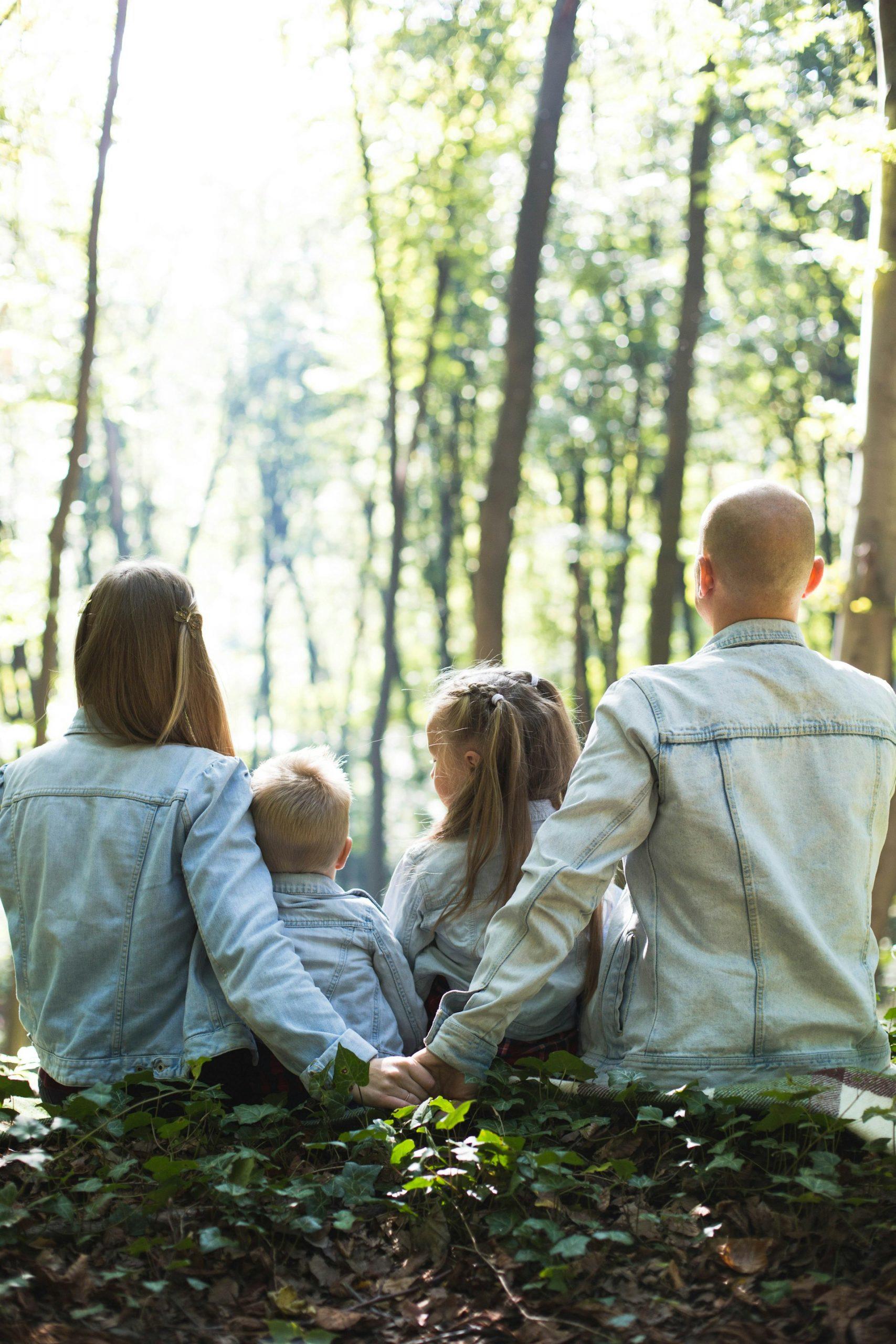
All these four elements are important to ensure a good quality of life for those who are living in urban areas.
Wit adequate financial investments, research and arareness, there are many ways to cultivate a sustainable urban environment such as:
- Introduction of sustainable transporation systems like public transporation.
- Creating green roofs and parks to improve the overall environment and effects of pollution.
- Effective reduction of waste through recycling and environmental-friendly methods.
- Creating efficient insulation for uran buildings to reduce heat absorption and retention.
We hope this article has enlightened you on the significance of urban environments and its relationship in the context of human geography.
Summarise with AI:
Did you like this article? Rate it!

 Loading...