Can you picture a world in which the Amazon rainforest is reduced to only a few lonely trees, and coral reefs are nothing more than ghostly white remnants left beneath the sea?
Sadly, with human activity at an all-time high and climate change altering the planet's natural systems on a yearly basis, this could very well become a reality sooner than many of us think.
In this article, we will explore the importance of ecosystems, the current threats they face, and what can be done to protect them in the future.


What is Biodiversity and Why is it so Important?
Biodiversity is the variety of all life on Earth, including different species of plants, animals, and microorganisms, as well as the ecosystems they form, like forests, oceans, and grasslands.
It’s crucial for the health of the planet because each part of this diversity plays a role in supporting life as we know it. Here’s why it matters and how it works:
- Genetic Diversity: this refers to the variety found within species, like different types of apples or breeds of dogs. Essentially, it helps species adapt to varying conditions and resist diseases.
- Species Diversity: This looks at the number of different species found in an area and how many of each are present. Each species has its own role to play in its ecosystem, almost like pieces in a puzzle.
- Ecosystem Diversity: This is the variety of ecosystems like forests, deserts, wetlands, and oceans. Each ecosystem offers unique services that we often take for granted. Forests, for example, help regulate the climate and provide oxygen, while wetlands filter water and prevent flooding.
What Are Biodiversity Hotspots?
Certain areas of the world are known as biodiversity hotspots. Essentially, these areas are regions which are home to an exceptionally high number of species, many of which are found nowhere else on the planet (endemic).
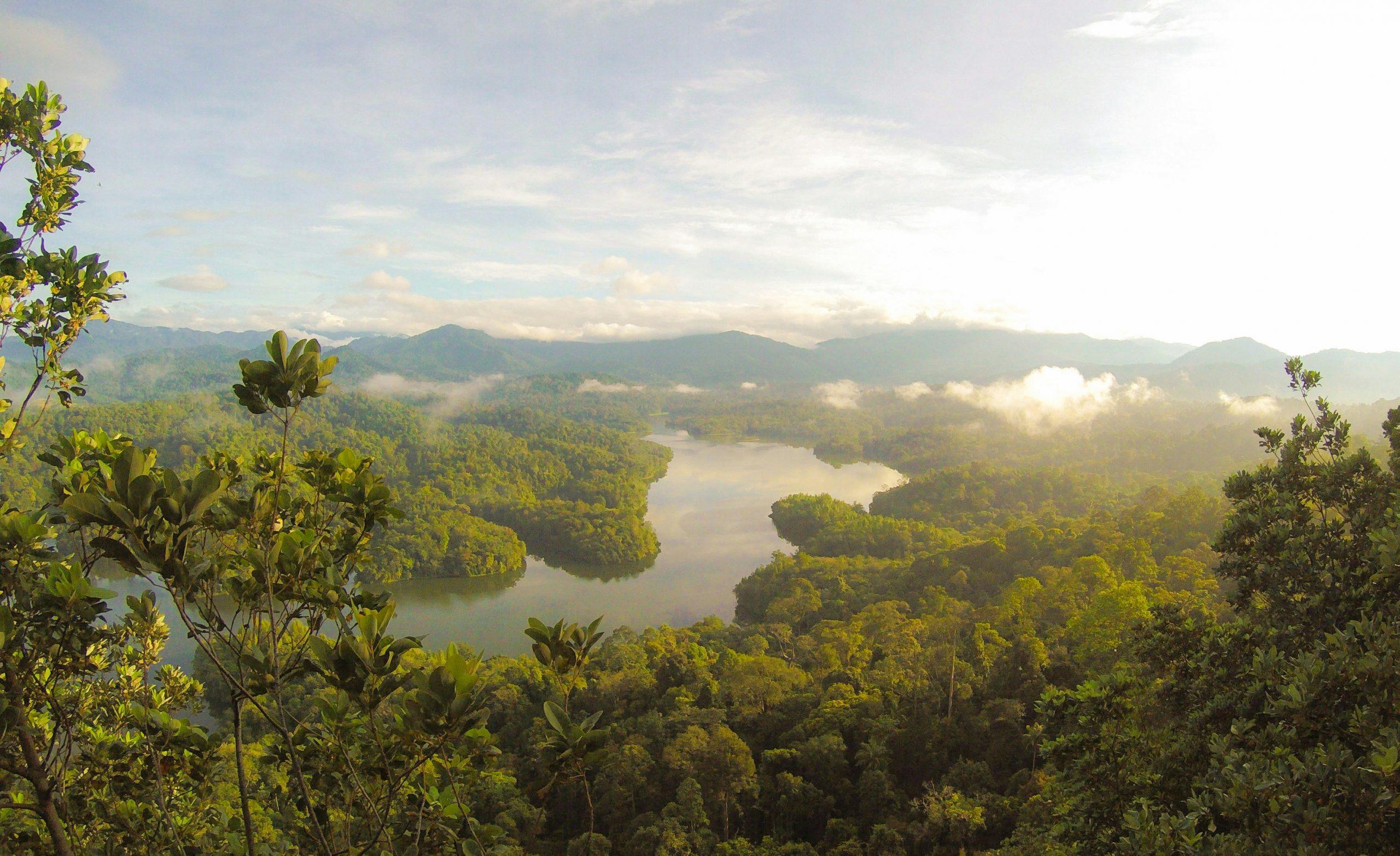
Some of the most famous hotspots you’ve likely heard of include the Amazon rainforest in Brazil and the coral reefs of Southeast Asia.
Unfortunately, biodiversity hotspots are also some of the most threatened areas on Earth - facing intense pressure from destructive human activities like deforestation, pollution, and climate change.
How Do Ecosystems Function?
Ecosystems are constantly changing and evolving systems, where each organism plays its own vital role in keeping everything balanced. But how exactly do they manage this?
It all comes down to the flow of energy, the cycling of nutrients, and the complicated interactions between plants, animals, and their surroundings. Here's a closer look at how it all works:
Energy Flows and Trophic Levels
At the heart of every ecosystem is the flow of energy, starting with the sun. Plants, known as primary producers, use sunlight in order to make energy through photosynthesis. From there:
- 1. Primary consumers (herbivores) eat the plants and take in their energy.
- 2. Secondary consumers (carnivores) eventually prey on and eat the herbivores, passing the energy further up the chain.
- Tertiary consumers (or the top predators) sit at the highest level and feed on other carnivores.
However, not all energy is transferred efficiently (around 90% is lost as heat at each step due to metabolic processes like movement, digestion, and growth), which is primarily why ecosystems have fewer predators than plants and herbivores.
Food Chains and Food Webs
In ecosystems, most species are actually part of several food chains at once, creating what’s known as a food web. These webs are made up of interconnected food chains, where multiple species interact and depend on one another for survival.
For example, an opportunistic bird may feed on everything from insects, seeds, and small mammals. However, because everything is so interconnected, if one species goes extinct or its numbers drop, it can easily throw the whole system off balance.
Nutrient Cycling
Nutrient cycling is essentially nature’s way of keeping vital elements like carbon, nitrogen, and phosphorus moving between plants, animals, and the environment.

Carbon cycle: Plants begin by absorbing carbon from the atmosphere. From here, animals eat said plants, moving the carbon through the food chain. Eventually, it’s released back into the atmosphere through respiration or when plants and animals decompose after death.
Nitrogen cycle: Similarly, special bacteria in the soil take nitrogen from the air and convert into a form plants can use. From there, nitrogen makes its way through the ecosystem, helping sustain both plant and animal life.
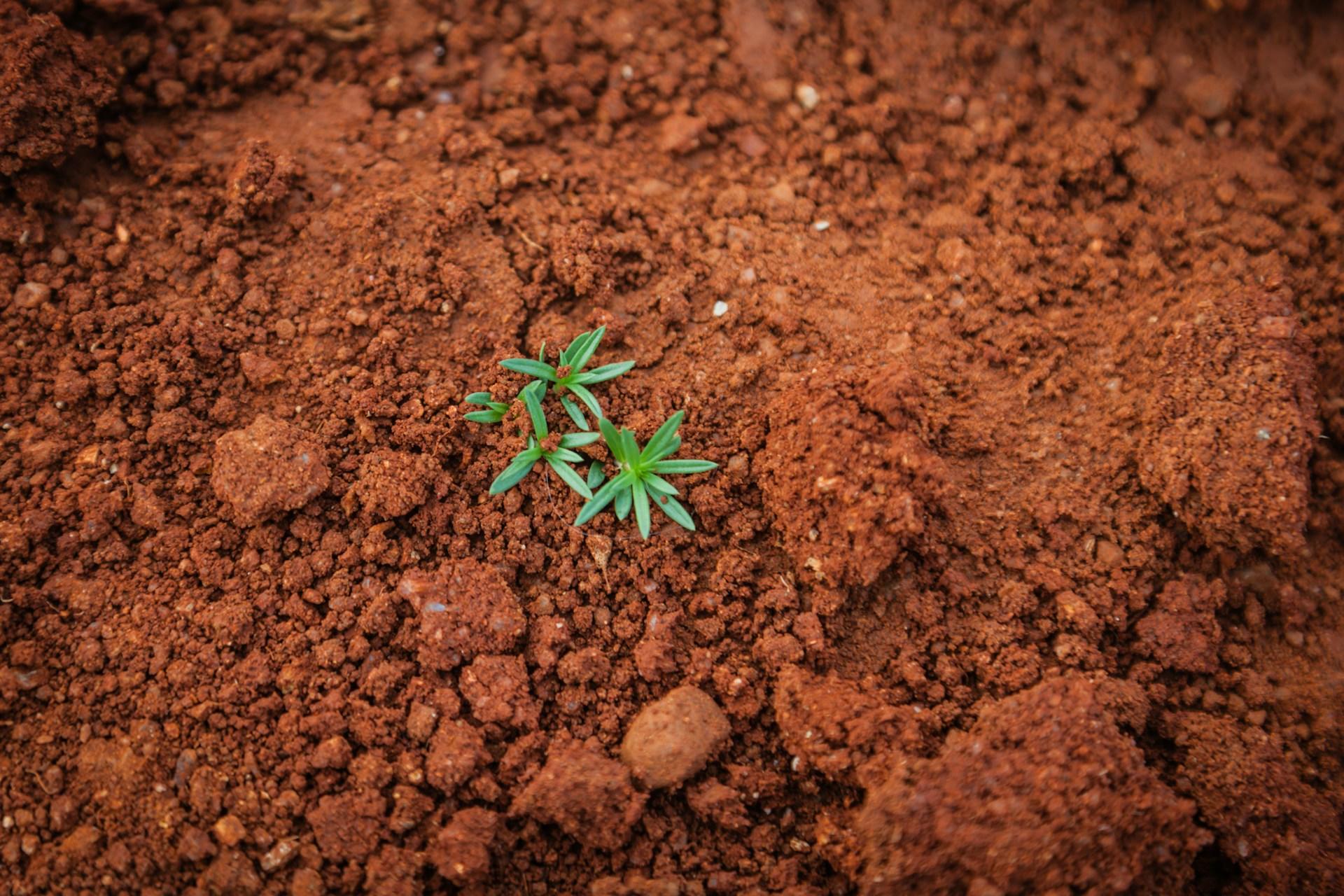
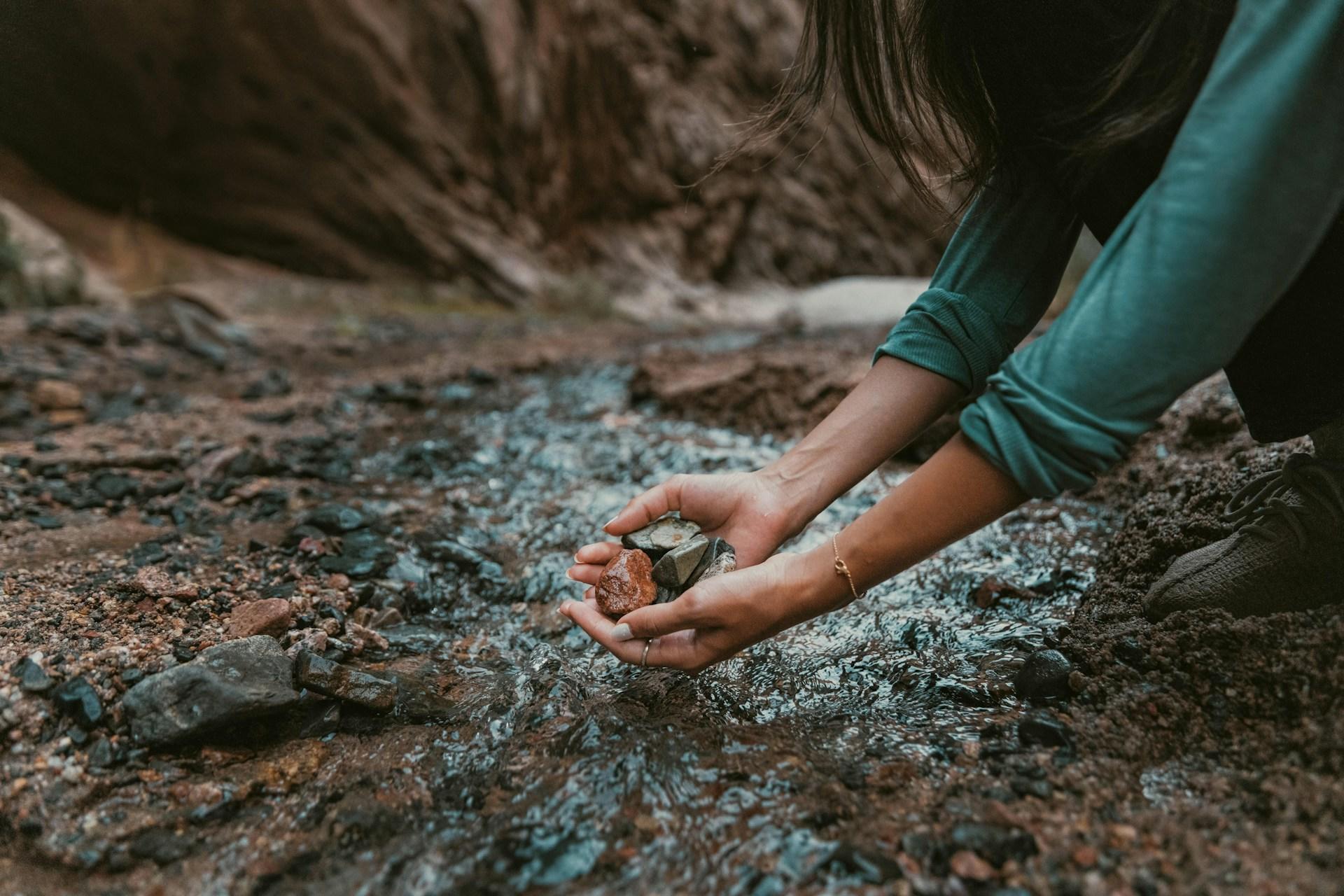
Phosphorus cycle: Phosphorus starts in rocks and enters ecosystems when weathering releases it into the soil. Plants absorb it, animals eat the plants, and when they die, the phosphorus returns to the soil, continuing the ongoing cycle.
Unfortunately, many human activities like overusing fertilisers or polluting waterways can (you guessed it) mess big time with these natural cycles, causing problems like water contamination and degrading the soil that plants depend on.
Succession: How Ecosystems Change
Did you know that ecosystems aren’t static? They actually change over time through a process called succession. Essentially, when a hazard (like a fire or flood) wipes out an area, the ecosystem will slowly but surely begin to rebuild itself.
- Primary succession happens in areas where no life or soil existed before (like after a volcanic eruption).
- Secondary succession occurs in places where an ecosystem has been disturbed but soil and life still remain (such as after a forest fire).
As ecosystems go through succession, they naturally evolve toward a stable state known as a climatic climax community. In this phase, the species present are well-suited to the local climate and environment, forming a balanced, mature ecosystem.
However, human activities like farming, logging, or grazing often interrupt this process. These disruptions prevent ecosystems from reaching their full, stable potential, creating what's called a plagioclimax.
In a plagioclimax, the ecosystem remains in a semi-developed state because human interference keeps it from fully recovering and reaching the natural climax stage.
What Are Biomes?
Simply put, a biome is like a large community of plants and animals that occupy a distinct region. Every biome has its own unique characteristics which have been shaped by its climate, soil, and vegetation over time. Below are some of the most important and recognizable biomes found on our planet.
- Tropical Rainforests: Home to over half the world's species, tropical rainforests are under increasing threat from logging and agriculture.
- Savannas: These unique grasslands play host to a mix of scrub and trees and have adapted to periodic fires and seasonal rainfall. However, overgrazing and land conversion threatens their delicate balance.
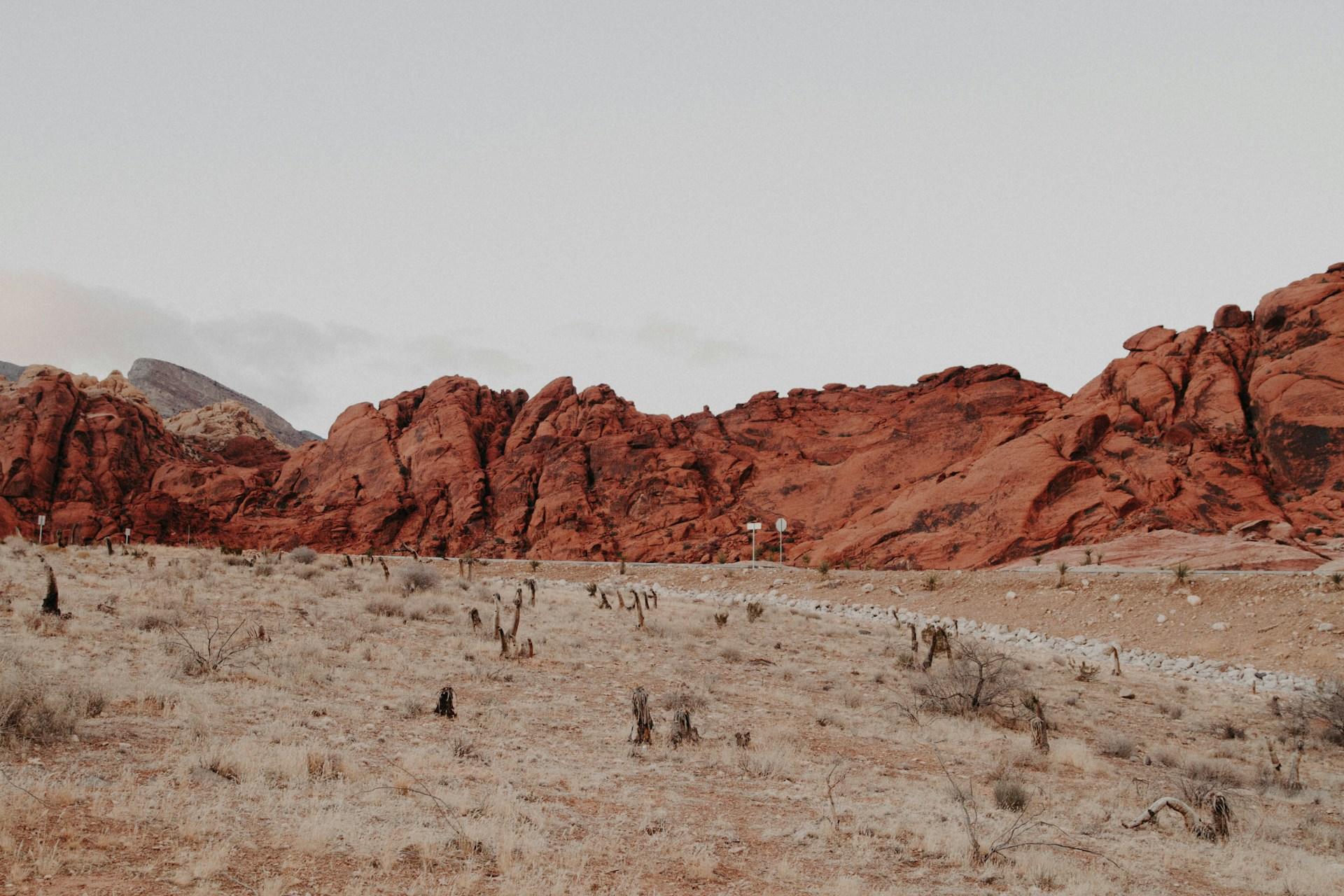
- Deserts: While deserts might seem barren, they are home to many unique plants and animals adapted to extreme conditions. However, activities like mining and off-road driving can quite easily scar these fragile landscapes, causing lasting damage.
- Temperate Forests: Found in places like the British Isles and parts of the USA, these forests are known for their broad-leaved trees that shed leaves in winter.
How Do Marine Ecosystems Work?
Marine ecosystems are incredibly diverse and play a critical role in supporting life on Earth. One of the most important and threatened marine ecosystems is the famous coral reef, which serves as critical habitat for countless marine species.
In order for corals to thrive, specific environmental conditions are necessary:
- Water temperature: Coral reefs typically flourish in water temperatures between 23°C and 29°C. Any significant deviation can lead to coral bleaching, where corals expel the algae living in their tissues, turning them white and leaving them vulnerable.
- Acidity and salinity: Corals are sensitive to changes in water chemistry. Increased ocean acidity, caused by the absorption of excess carbon dioxide from the atmosphere, weakens corals by making it harder for them to form their skeletons.
- Algal blooms: While corals rely on a symbiotic relationship with algae, too much algae (often due to nutrient pollution) can block sunlight and smother corals.
As you’ve probably already guessed, coral reefs are also under threat from human activities. A variety of things, including agricultural runoff, pollution, overfishing, and irresponsible tourism all take a toll on their overall health.
Despite the many challenges, there is some hope. For example, efforts like the establishment of marine protected areas (MPAs) are helping to safeguard coral reefs by limiting harmful human activities such as fishing and pollution in vulnerable regions.
Conclusion
In conclusion, ecosystems like the Amazon rainforest and coral reefs are more connected than we often realise, and both are facing serious challenges from human activity and climate change. Unfortunately, when biodiversity suffers in one area, it can create a ripple effect that massively impacts ecosystems elsewhere. While projects like marine protected areas and coral restoration are making a sizable difference, bigger steps like cutting carbon emissions and protecting endangered species are steps needed to protect our earth's fragile ecosystems.
Summarise with AI:
Did you like this article? Rate it!

 Loading...