Natural hazards are powerful events that originate from our planet's lithosphere and atmosphere and pose huge threats to human life and property.
These hazards, which include everything from earthquakes, volcanic eruptions, storms, and even wildfires are capable of altering landscapes and disrupting societies all across the globe in numerous catastrophic ways.
In this article, we’ll focus on taking an in depth look into the various types of natural hazards out there, what causes them, and the way in which communities have learned to cope with their effects. So if you enjoy geography and have a fascination with the forces that play a role in shaping our world, keep reading!


What Are the Three Major Types of Hazards?
All in all, natural hazards can be broadly categorised into three distinct types - geophysical, atmospheric, and hydrological hazards. Let’s explore them in greater detail below.
- Geophysical hazards: Primarily related to the earth's internal structure and tectonic activities, geophysical hazards include everything from earthquakes and tsunamis to volcanic eruptions.
- Atmospheric hazards: These types of hazards are predominantly related to weather and atmospheric conditions like tropical storms, hurricanes, and tornadoes.
- Hydrological hazard: These hazards involve water bodies and movement of land, leading to frightening events like floods and landslides occurring.
How Do People Perceive and Respond to Hazards?
Across the globe, people view hazards in a variety of different ways, with factors like their own personal experiences, cultural beliefs and even socioeconomic status playing a role.
- Fatalism: Many cultures view natural hazards as entirely avoidable events that are just part and parcel of how the natural world works. Known as fatalism, this view can lead to communities passively accepting the risks and not preparing adequately for hazards.
- Prediction and Prevention: In direct contrast to fatalism, many communities actively invest in methods to try and predict and prevent the impact of natural hazards.
- Adaptation: By adapting to the risks hazards pose, communities can heavily reduce their impact and learn to live with them. Steps taken here can include everything from building earthquake resistant structures to implementing flood management systems.
- Mitigation and Management: Mitigation refers to any sort of strategies that are directly implemented in order to reduce the potential dangers hazards pose (placing sandbags etc). Similarly, management refers to coordinated efforts to deal with hazards before, during, and after they occur.
- Risk sharing: Lastly, risk sharing means communities and governments working together to handle the costs and challenges of natural disasters, using shared resources, support systems, and insurance programs.
What is the Park Model of Human Response to Hazards?
Simply put, the Park Model (also known as the much cooler sounding Disaster Response Curve) is a simple model to understand how people and communities react to natural disasters over time. Essentially, it shows the different stages of response and recovery, starting from when a disaster hits, and tracks how the community gradually recovers and rebuilds.
What is the Hazard Management Cycle?
Used by communities and organisations that deal with disasters, the hazard management cycle is an important framework that is designed to try and minimise the overall impact of disasters.

- Preparedness: Involves creating things like emergency plans, conducting drills, and educating the public about potential disasters.
- Response: Focuses on the immediate actions that can be taken during a disaster to protect lives, provide aid, and limit damage to property

- Recovery: Aims to restore life to normalcy by rebuilding affected areas from the ground up, providing support to communities and implementing other long-term recovery plans
- Mitigation: Taking proactive measures to reduce the risk of disasters in the future by bettering building standards and developing hazard maps.
How Do Plate Tectonics Contribute to Natural Hazards?
The movement of plate tectonics is the main reason why geophysical hazards happen in the first place. Essentially, the earth's lithosphere consists of several larger and smaller tectonic plates that float on the molten mantle below.
These plates constantly move and interact - either by colliding, sliding past each other, or pulling apart.
- Destructive Plate Boundaries: At these boundaries, one plate is forced beneath another, leading to the formation of deep-sea trenches, volcanic arcs, and earthquakes. The intense pressure and friction at these boundaries can result in powerful seismic and volcanic events.
- Constructive Plate Boundaries: Here, plates move apart, allowing magma to rise and form new crust. This process is usually responsible for creating mid-ocean ridges and volcanic islands.
- Conservative Plate Boundaries: Plates slide past each other at these boundaries, causing friction and eventually leading to sudden releases of energy in the form of large scale earthquakes.The San Andreas Fault in California is a prime example, where frequent seismic activity poses a big risk to the densely populated regions surrounding it.
What Exactly Are Volcanic Hazards?
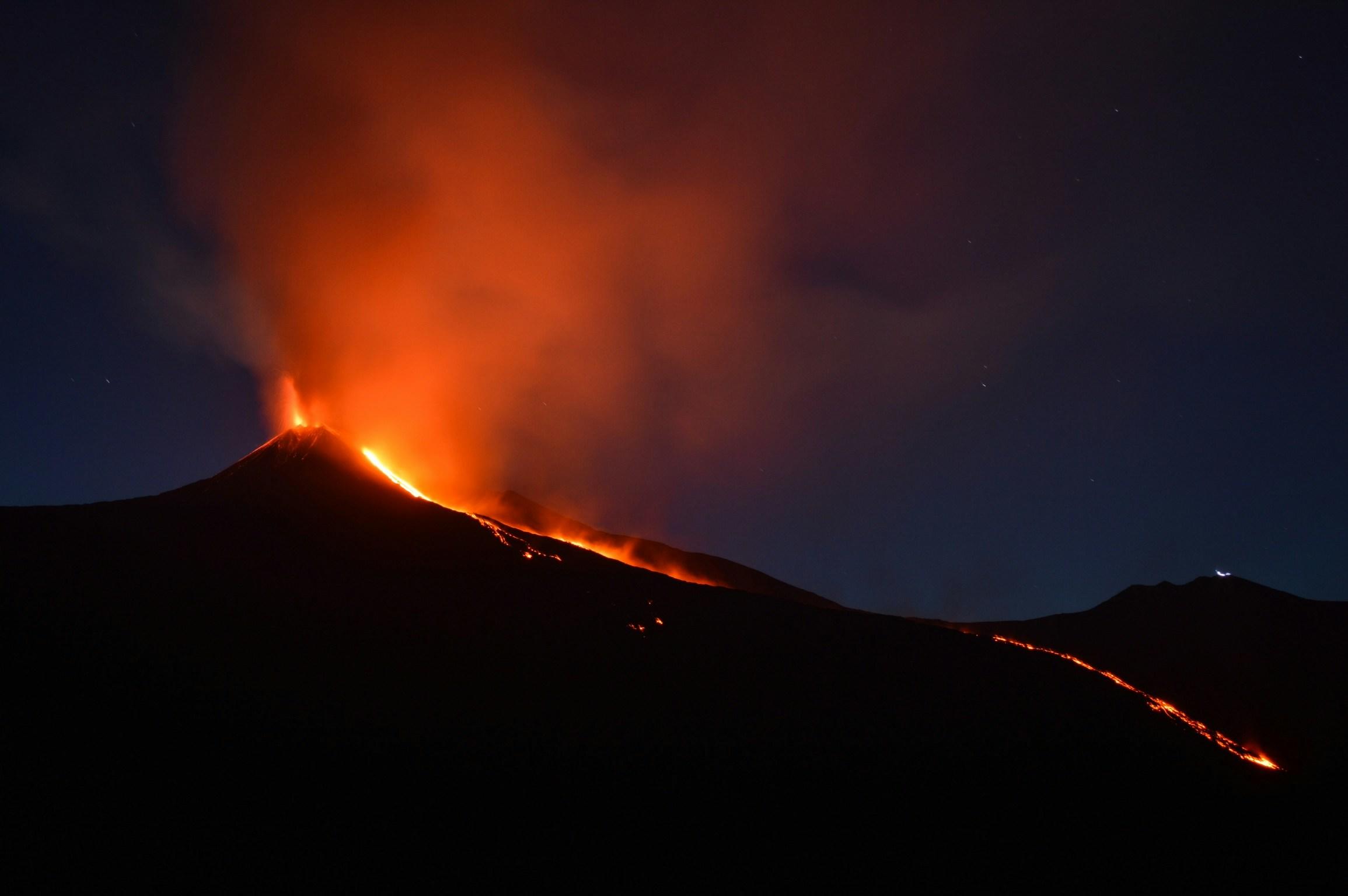
Volcanic hazards are some of the most awe-inspiring yet terrifying natural events our planet has to offer. As well as affecting the areas around the volcano itself, they also impact regions far away due to the spread of volcanic material and gas in the atmosphere.
Types of volcanic hazards
- Lava flows: Rivers of molten rock that move down the sides of volcanoes, destroying everything in their path.
- Lahars: Destructive mudflows that are formed when volcanic ash and debris mix with water. They can flow down valleys, burying communities in mud and debris.
- Volcanic Gases: During eruption, gases such as sulphur dioxide and carbon dioxide are released which pose serious health risks to people living in the surrounding area.
- Tephra: this refers to all solid volcanic material ejected during an eruption, from ash to large rocks. Depending on the size, tephra can damage buildings, block roads, and even pose a threat to aircraft.
How Do Seismic Hazards Work?
As we touched on above, seismic hazards like earthquakes result from the sudden release of energy along faults in the earth's crust. The energy released takes the form of shockwaves which causes shaking above ground, wreaking havoc on buildings and infrastructure.
Types of Seismic Hazards
- Tsunamis: Large sea waves generated by underwater earthquakes can cause catastrophic flooding in coastal areas.
- Liquefaction: Saturated soils lose strength during an earthquake, causing buildings to sink or tilt.
- Landslides: The shaking can dislodge large masses of rock and soil, leading to landslides that can bury towns, people, and vehicles in the blink of an eye.
What is a Storm Hazard?
Imagine a storm so powerful that it can knock down trees, flood entire towns, and leave communities without any power - that's whar scientists refer to as a storm hazard. It includes some of nature’s most intense weather events, like tropical storms, hurricanes, and typhoons.
Types of Storm Hazards
- High winds: Intense winds can uproot trees, tear off roofs, and damage buildings, leaving a trail of destruction in their wake..
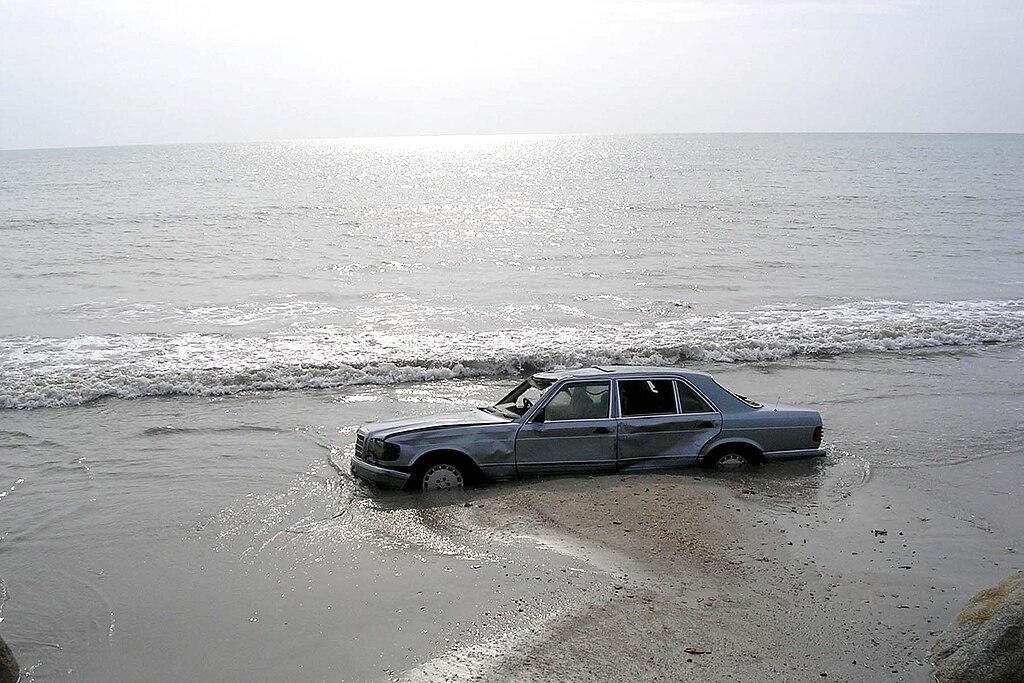
- Storm Surges: As the storm approaches, it can push the sea toward the shore, creating a rise in water levels that can easily flood coastal areas.
- Coastal Flooding: Heavy rain and high waves can lead to the inundation of coastal communities, eroding shorelines and causing significant property damage
- River Flooding: Prolonged or intense rainfall can swell rivers beyond their banks, leading to widespread flooding that can submerge farmlands, destroy infrastructure, and displace residents from their homes.
What Are Wildfire Hazards?
With climate change worsening, wildfire hazards have become much more common than in the past. While sometimes started by people, wildfires tend to happen naturally when smaller fires get out of control and spread rapidly through surrounding vegetation.
Causes: Wildfire can be sparked by natural causes like lightning or by human activities such as campfires and discarded cigarettes.
Impacts: Sadly, the destruction of large swathes of important habitats, release of carbon emissions, and economic losses from damaged properties and farms are all common consequences of wildfires.
Management: In order to try and prevent wildfires, strategies like controlled burns, firebreaks, and educating the public on prevention of accidental or deliberate fire are all commonly used.
Conclusion
Natural hazards like earthquakes, volcanoes, and storms remind us just how unpredictable and powerful our world can be. But they’re also a testament to human resilience as well. Communities have learned to adapt, predict, and sometimes even embrace these forces of nature. By understanding them better, we can help protect lives, reduce damage, and find ways to coexist with the incredible power of our planet.
Summarise with AI:
Did you like this article? Rate it!

 Loading...