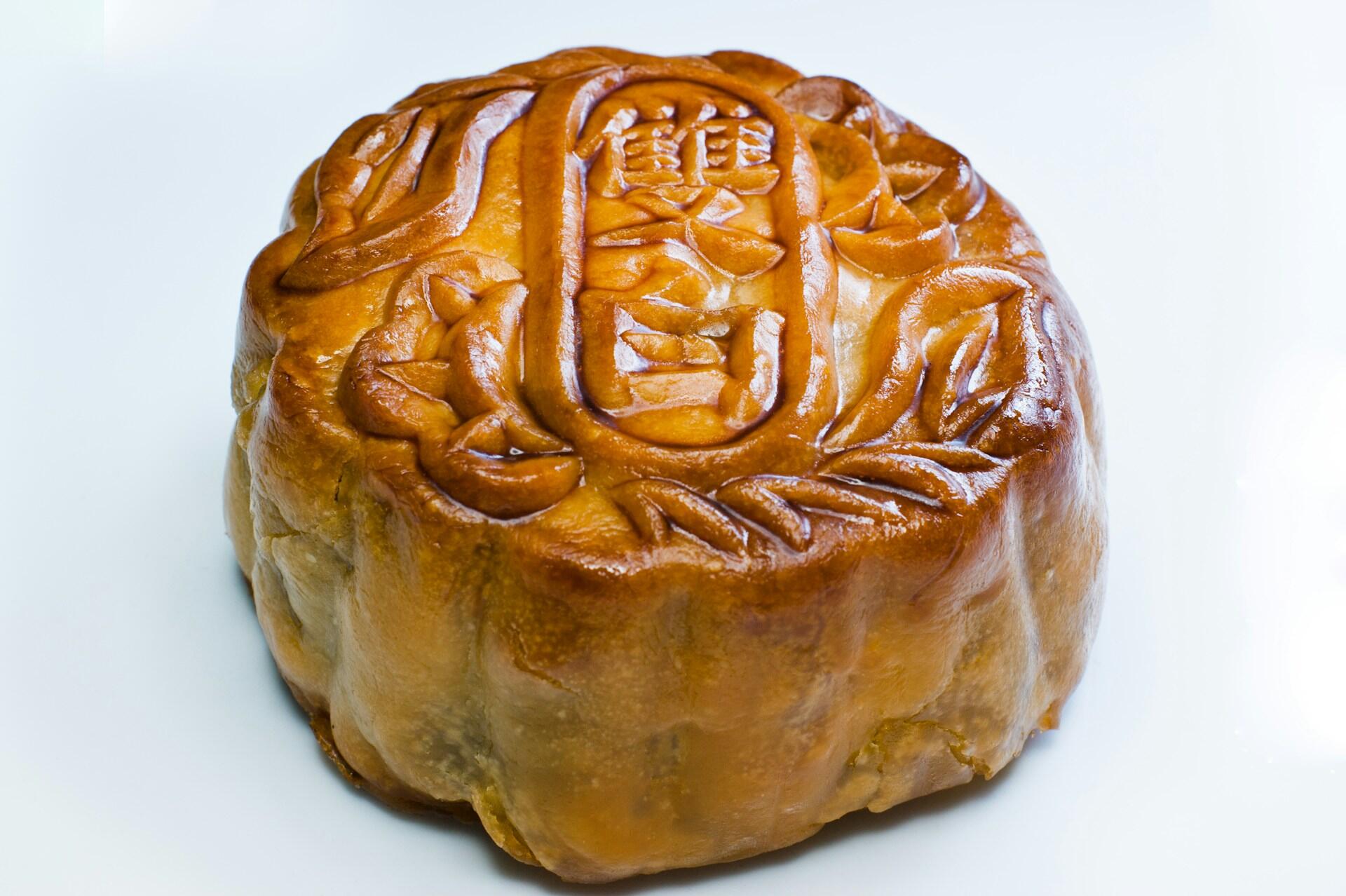

Across cultures and through millennia, humans have revered the moon, believing it to be home to a deity with mystical powers. On a more pragmatic note, civilisations have long celebrated bountiful harvests; they were the bulwark against lean winter months. The Chinese Mid-Autumn Festival (中秋节 - zhōng qiū jié) combines those aspects of the human experience to deliver a unique occasion for revelry, romance, and contemplation.
What's the Mid-Autumn Festival About?
- At the deepest level, it is the day to revere the goddess Chang'e.
- At the more practical level, it's a celebration of fruitful harvests.
- Typical festival activities include family gatherings, eating mooncakes, and moon gazing.
- Other Asian societies celebrate some version of a moon festival, adapted to their cultures.


How Did Mid-Autumn Festival Start?
Every culture has its myths, legends, and heroes. China, home to the world's oldest continuous civilisation, gives its citizens and the world a particularly rich trove of tales to savour.
China is one of four ancient civilisations to have developed an early writing system.
Of the four, the Chinese system is the only one to survive and remain in use today.
It's the world's only pristine written language2.
On its own, that is a fascinating titbit, but it also relates to our understanding of Chinese history and culture. The earliest inscriptions found so far date to the Shang Dynasty (1600 - 1046 BCE), giving us roughly 3,000 years of texts to enjoy. Of them, the story of Chang'e and her husband surely rates among the most romantic, though it's not quite as passionate as the Qixi festival origin story.
The Story of Chang'e and Hou Yi
Chang'e and Hou Yi were a couple devoted to one another. Hou Yi was an archer of some repute, so this pair had good standing in their community.
One day, ten suns rose to scorch the landscape and torture the people. Hou Yi strapped on his bow and quiver and rode out to a prominent point of land to shoot down nine of the 10 suns. Awash in praise from the surrounding people, he came to the attention of an immortal, who, in admiration of his deed, gave him the elixir of immortality.
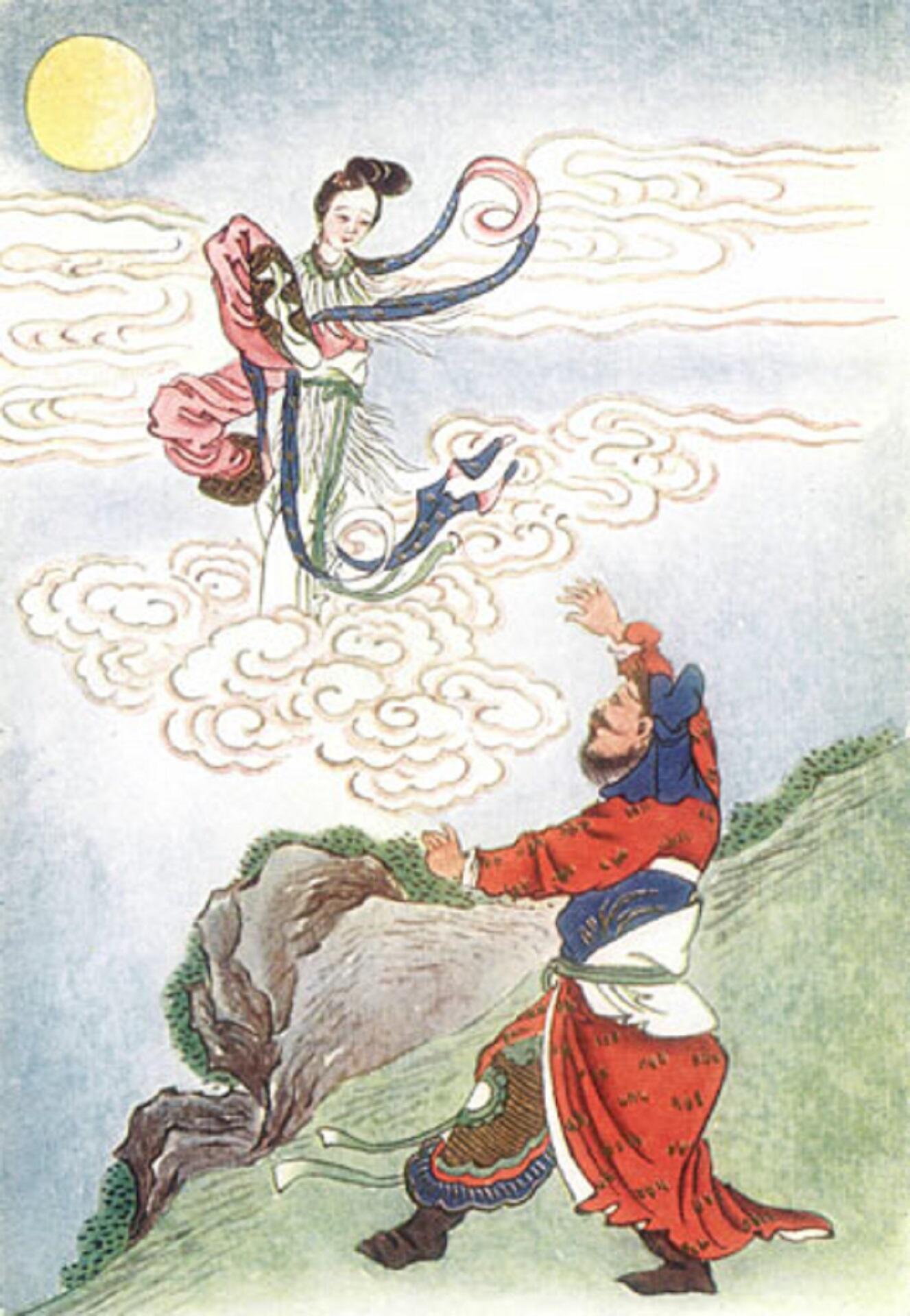
But Hou Yi loved his wife and could not imagine the world without her. So, he gave the elixir to her, but she refused to drink it.
Like her husband, she could not imagine the world without his love, so she hid away the vial.
Peng Meng, one of Hou Yi's apprentices, discovered their secret. On the 15th day of the 8th month, when Hou Yi went hunting, Peng assaulted Chang'e and demanded the elixir.
She refused to give it to him, drinking it herself so that the elixir wouldn't fall into the wrong hands, the elixir caused her to ascend and fly into the heavens to escape.
Wishing to remain close to her beloved husband, Chang'e settled on the moon so that she might watch over him and send him her strength and comfort. For his part, Hou Yi laid out all his wife's favourite foods: fruits, cakes, and drinks, so that she might somehow enjoy them.
When the people heard about the separation of Hou Yi and Chang'e, they rushed to gaze upon the full moon. They joined Hou Yi in offering food and prayers so that she wouldn't feel lonely and would provide wisdom for all.
The 2005 Chinese film, The Myth, is a loose retelling of the legend of Chang'e and Hou yi.
In the film, the Korean consort Ok-soo, promised to the Chinese emperor, is forced to drink the elixir. She then spends eternity waiting for her true love, the general Meng yi. Midway through the film, Jackie Chan's character retells the story of the moon goddess and her love.
What Mid-Autumn Festival Represents
Historically, this occasion did, indeed, celebrate harvest bounty; the pragmatic Chinese tend to keep a barrier between their myths and real life. However, the harvest celebrations were more in line with what Western cultures might consider pagan rituals.
- cleaning house
- laying out special foods
- praying to the goddess
- coming together
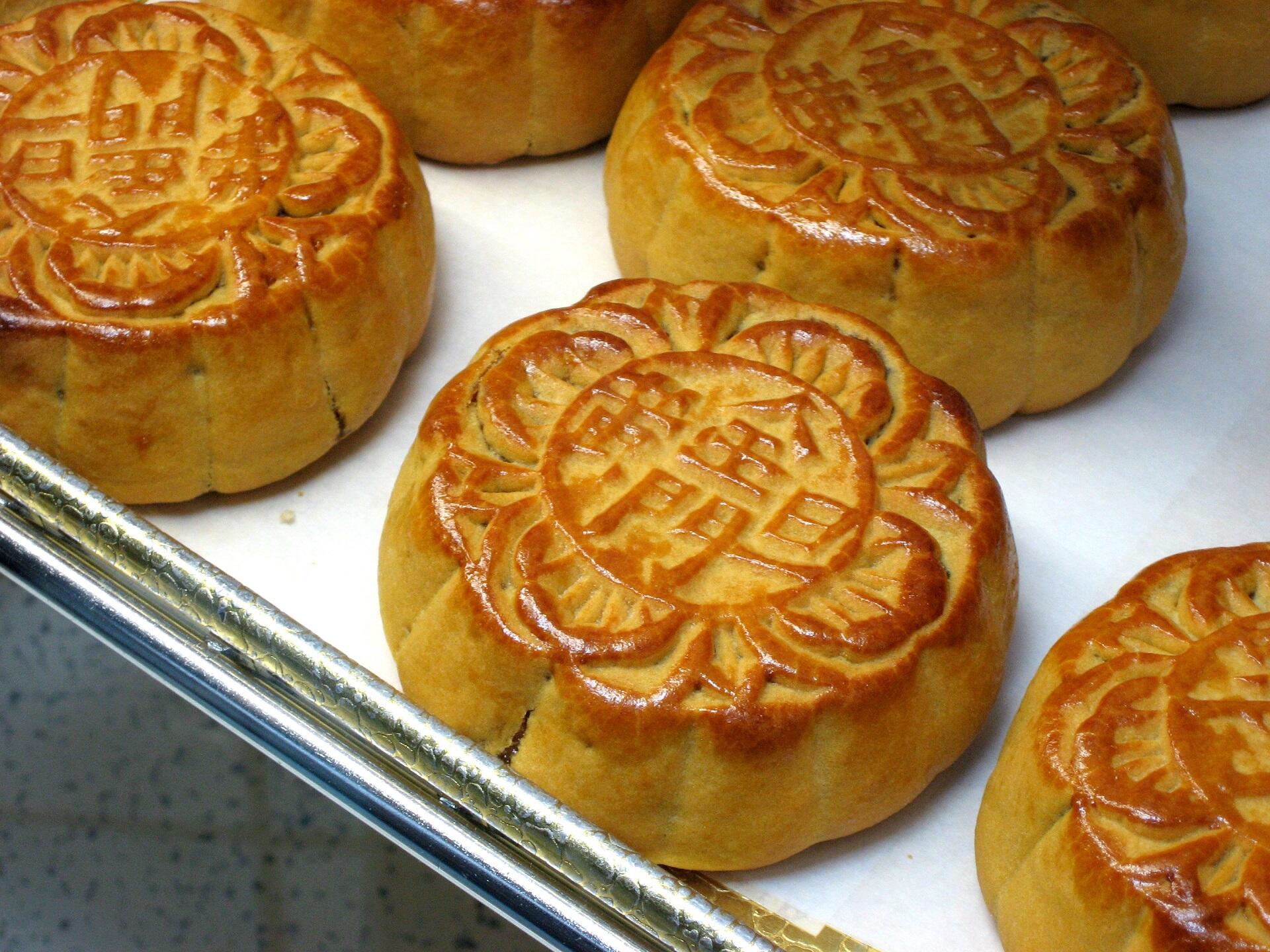
In today's China, the emphasis is on togetherness. Families (and sometimes friends) make mooncakes together while waiting for the moon to rise. They will then snack on their filled glutinous rice cakes as they take in the full moon.
In rural areas, celebrations tend to hew closer to the traditional. That means harvests and the goddess are celebrated in equal measure, often with games and liberal doses of liquor (白酒 - bái jiǔ) for the adults. Dancing and traditional music feature in these celebrations.
The overarching theme of China's Mid-Autumn Festival is gratitude.
That thankfulness covers being together, having food, health, and wealth, and the richness of life, in general.
Mid-Autumn Festival Customs and Activities
The first time I participated in the Chinese Qing Ming festival observation, it struck me how festive and exuberant the occasion was. My Western sensibilities told me that tomb-sweeping should be a solemn affair. But it's mid-autumn observations that tend towards solemnity.
Not that there isn't an element of boisterousness to it, especially if young children are involved. Still, there seemed to me to be a bit more reverence for the occasion. Maybe it was because no firecrackers were set off, as they typically are during Qing Ming. These are the activities Chinese families partake of during Mid-Autumn Festival.
Lovers may also write wishes for prosperity, happiness, and enduring love on a paper lantern before sending it aloft, towards Chang'e. This is customarily a Lantern Festival activity in some parts of the world.
About Those Mooncakes
Western palates expect cakes to be sweet, wheat-based, and a treat. Mooncakes, while certainly tasty, are none of those things. They may be sweet, but not in the quality and magnitude that your taste buds expect. But they're not made of wheat; their 'crust' is glutinous rice.
Traditional mooncakes' consistency is more like that of a mochi 'cake'.
Chinese mooncake makers typically don't add sugar to their 'crusts'; the flavour mainly comes from the cakes' filling.
Typically, store-bought mooncakes are lavishly packaged and beautifully giftable. They were, indeed, a treat for the eye as well as the mouth. So great was the drive for vendors to out-package (and out-charge) each other that President Xi Jinping issued a decree to stop overcharging for mooncakes in 20133.
Celebrating Mid-Autumn Festival Around the World
You might have got the impression that all Mid-Autumn Festival celebrations are the same, all across China. That is decidedly not the case. China is a vast country with many ethnicities, cultures, and customs. In fact, none of the traditional Chinese festivals is enjoyed the same way across the country.
While, overall, the main elements remain the same - mooncakes, moon gazing, and family togetherness - the details often vary. For instance, the wheat-rich northern provinces of China may bake wheat mooncakes.
By contrast, the southern Yunnan province prefers rose petal paste in their mooncakes (鲜花饼 - xiān huā bǐng). The Rosa rugosa bloom is native to that region, making those cakes a symbol of that region. And, like many Chinese festivals, some version of this celebration plays out all across East Asia.
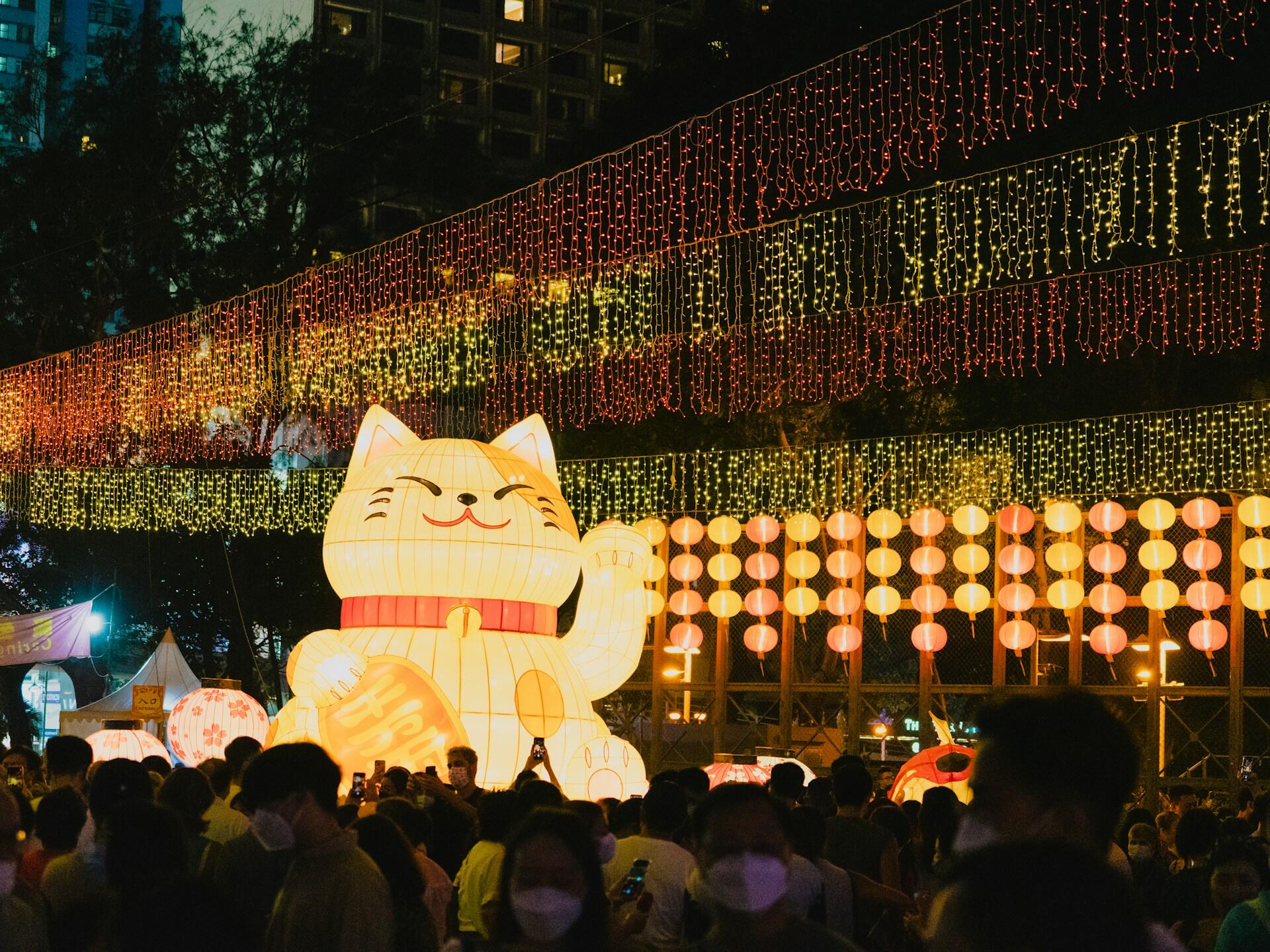
Mooncake Festival in South Korea
In Korean, this festival is called Chuseok, literally 'autumn eve'. It too is on the 15th day of the 8th month of the lunisolar calendar, as established during the Three Kingdoms period (220-280 CE). Activities include:
- returning to one's hometown
- honouring ancestors, playing games, and other family doings
- Dining on traditional foods (tohrangook, songpyeon, and others)
- drinking rice wine.
Moon Festival in Japan
In the Land of the Rising Sun, this event is called tsukimi (lit. moon viewing). It also falls on the same day as the Chinese and Korean celebrations. In Japan, people pack picnics and sake to enjoy under the full moon.
Moon Festival Occasions in Southeast Asia
Myanmar, Cambodia, and Laos all celebrate a version of the moon celebration, but those events are associated with Buddhist practices. Furthermore, they happen several times a year, at every full moon. But each country has its particularities.
Laos
The most important is called the That Luang Festival, which takes place during the 12th lunar month and lasts 3-7 days. Temple visits are the highlight.
Cambodia
A November celebration lasts for 3 days and features boat races.
Myanmar
The festival takes place during the month of Thadingyut, which may coincide with the Mid-Autumn Festival, temple visits and food offerings are standard.
Cambodia's boat races might remind you of China's Dragon Boat festivities, but the celebrations have different origins and take place at different times.
Vietnam
In this country, the Mid-Autumn Festival is called Tết Trung Thu. It's more of a children's celebration; indeed, the Vietnamese refer to it as 'Children's Festival'. Children wear masks and parade around with paper lanterns in many shapes, with stars being heavy favourites. This is also a time for folk religion and deity worship in Vietnam.
References
- Cove, Team. “How Old Is China? 5,000 Years of History & Culture Guide.” ConnollyCove, 15 Apr. 2026, www.connollycove.com/how-old-is-china-2/. Accessed 4 May 2026.
- Wright, James. “The Evolution of Writing | Denise Schmandt-Besserat.” Utexas.edu, 2014, sites.utexas.edu/dsb/tokens/the-evolution-of-writing/. Accessed 4 May 2026.
- FP Explainers. “Can’t Have the Mooncake and Eat It Too: Why China Is Cracking down on the Holiday Dessert.” Firstpost, 8 Sept. 2022, www.firstpost.com/explainers/cant-have-the-mooncake-and-eat-it-too-why-china-is-cracking-down-on-the-holiday-dessert-11212181.html. Accessed 4 May 2026.
Summarise with AI:
Did you like this article? Leave a rating!

 Loading...