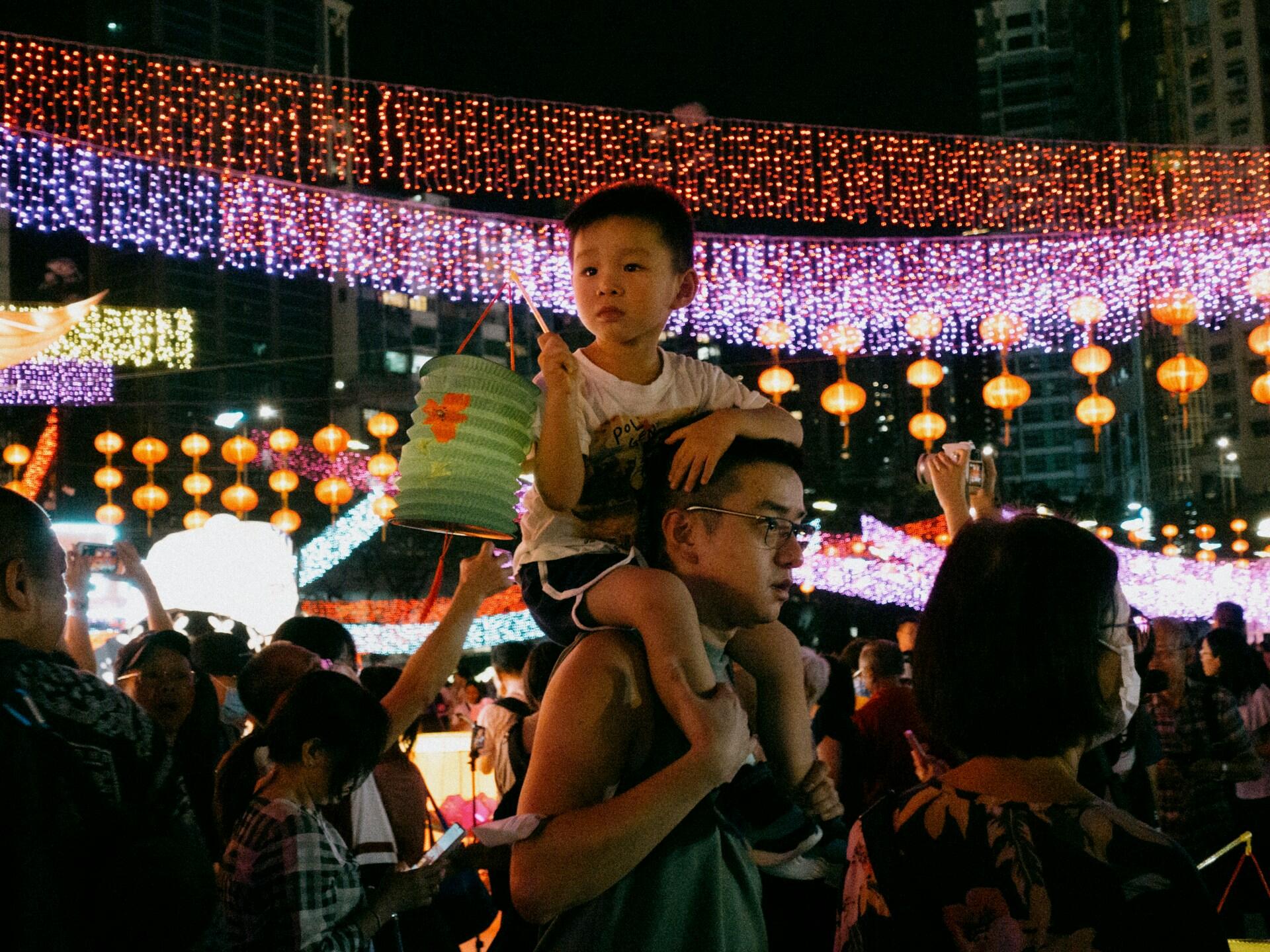

In many Western minds, the phrase 'lantern festival' recalls the lantern scene from the 2010 Disney film, Tangled. However well-done the scene was, that vision has nothing to do with the Chinese lantern festival. In fact, it's more closely related to the Chinese Mid-Autumn Festival. So, what does the Lantern Festival celebrate and what type of lanterns are involved?
What to Know About the Chinese Lantern Festival
- This celebration has its roots in the Han Dynasty (206 BCE to 220 CE).
- Monks were the initial influence, as they lit lanterns to honour the Buddha.
- Over time, the Lantern Festival transitioned from a religious/spiritual event to one of public celebration.
- Today's lantern festivals include riddles, singing, dancing, and eating special foods.
- The Lantern Festival takes place each year, on the 15th day of the first month of the lunar calendar.


The Lantern Festival Origins
China is said to have more than 5,000 years of continuous civilisation1. As such, one might think it hard to discover exactly when a tradition or cultural element became a thing. Fortunately, China is one of the ancient civilisations that 'invented' writing, so we have a written record of what happened in the ago.
From those early writings, we can trace every major Chinese celebration to its beginnings. Including the Lantern Festival.
In the Beginning
Emperor Wen (漢文帝 - hàn wén dì) ruled during the Han Dynasty (202 BCE to 220 CE, with a break from 9 CE to 25 CE). He was devoutly Buddhist, so he paid close attention to what that religious group did. One day, he happened to notice that the monks hung lanterns in the temples 15 days after the New Year celebration.
He decreed that all households, temples, businesses, and the imperial compound staff should hang lanterns on that night. Naturally, they all complied but, over time, hanging lanterns 15 days after Lunar New Year became more of a folk practice, rather than done on the orders of the emperor.
Alternative Origins
Today, China is a vast land, home to many cultures and ethnicities. However, thousands of years ago, it was a fractured territory, with various leaders vying, and often fighting each other, for power. Still, the practice of hanging lanterns became widespread. Accordingly, each region had its own origin story for this tradition.
The Heavenly Crane
A heavenly crane flies to Earth; people kill it. The Jade Emperor becomes angry and makes plans to destroy the village. The emperor's daughter warns the villagers. They light bonfires, lanterns and firecrackers, making it appear the village is already on fire. The emperor is satisfied the village has met its doom; the people celebrate fooling the Jade Emperor on that night still today.
The God Taiyi
This capricious god decided when to send plagues, floods, droughts, and disease on the people. China's first emperor, Qin Shi Huang, planned lavish festivals each year and, each year, he begged Taiyi for auspicious weather.
Honouring Tianguan
This Taoist god, responsible for good fortune, enjoyed celebrations. His birthday fell on the 15th day after the New Year, so followers of Tianguan prepared lavish spectacles to entertain him.
Explaining Yuan Xiao Jie
In Mandarin, this festival is called yuán xiāo jié (元宵节), literally 'prime night holiday'. On its own, that phrasing has a certain logic to explain the holiday, much like 'Double Fives' well explains the Dragon Boat Festival date. However, yuán xiāo jié also has a unique backstory2.
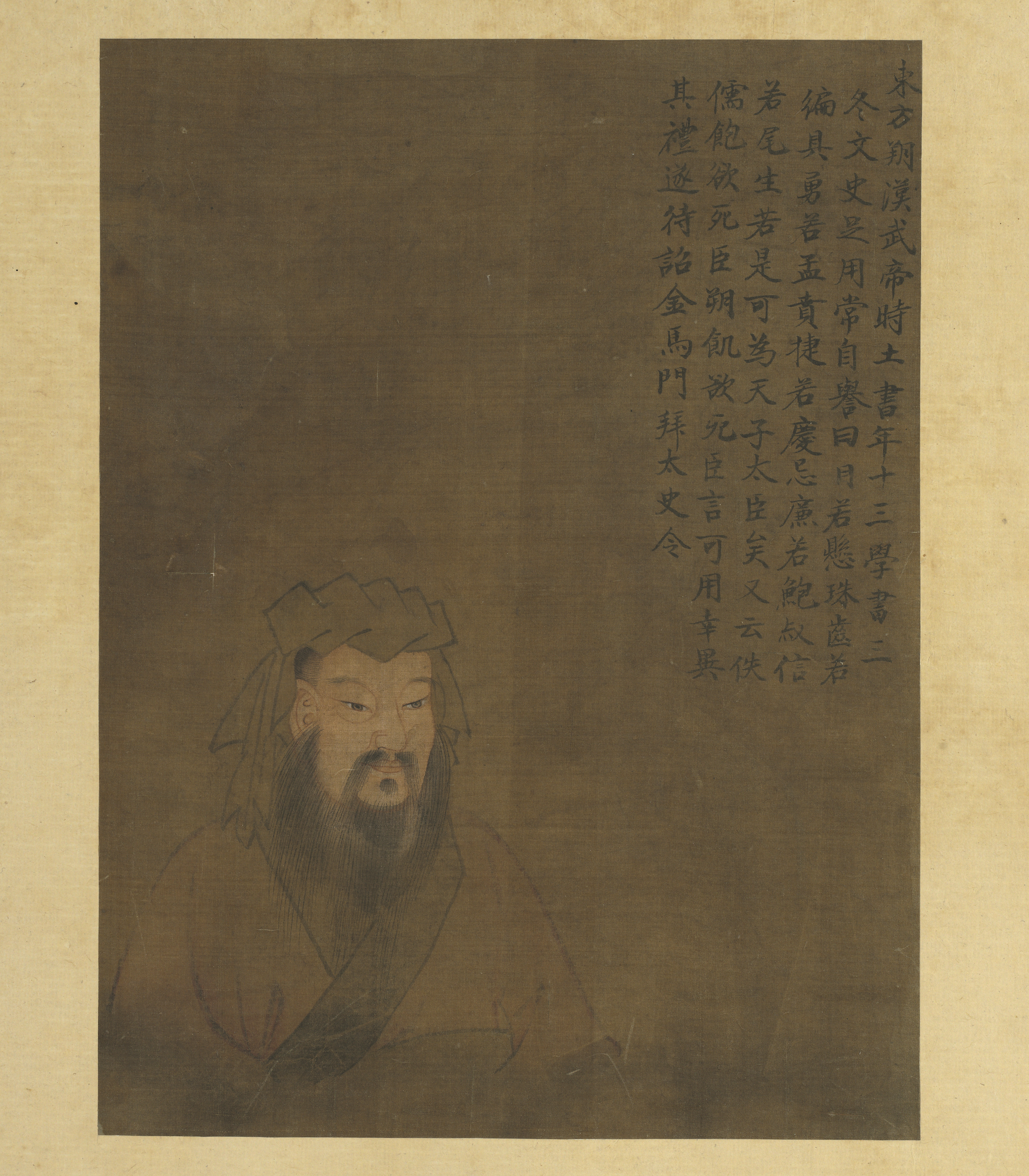
Yuán Xiāo was a maid in the imperial palace. One night, a trusted imperial adviser, Dōngfāng Shuò (东方朔), was strolling through the palace gardens when he spotted Yuán Xiāo preparing to pitch herself into the well. He rushed to her side, asking what she was doing.
She confessed to being heartbroken over not being able to see her family over the holiday. She insisted on her right to demonstrate filial piety but was forbidden from leaving the palace grounds.
As she saw it, ending her life was her only way out of her painful dilemma. After assuring her that such a drastic step wasn't necessary, he hatched an elaborate plan that would permit her 'escape' from the palace grounds. It features all the traditional elements present in all the other origin stories.
Thus, little Yuán Xiāo got to see her parents, as they too were in the street with their lanterns. The legend of Yuán Xiāo is one of many in Chinese lore where the powerless defy their 'betters'. The story behind the Qixi Festival is another example of this power struggle.
How the Chinese Lantern Festival Changed Over Time
The historical record is clear on this festival's roots in the Buddhist religion. But not all emperors were as devout and, certainly, various societies had their own beliefs. Over time, the fun of the festival remained, but its meaning and symbols have changed.
Cultural Significance
At the start, the Lantern Festival was somewhat of a religious activity. And then, it became a 'just for fun' occasion. Over time, yuán xiāo jié became a key part of the Chinese cultural expression.
Lantern Festival Symbolism
Beyond the roundness of the dumplings and the full moon, this celebration offers plenty of symbols that represent traditional Chinese culture.
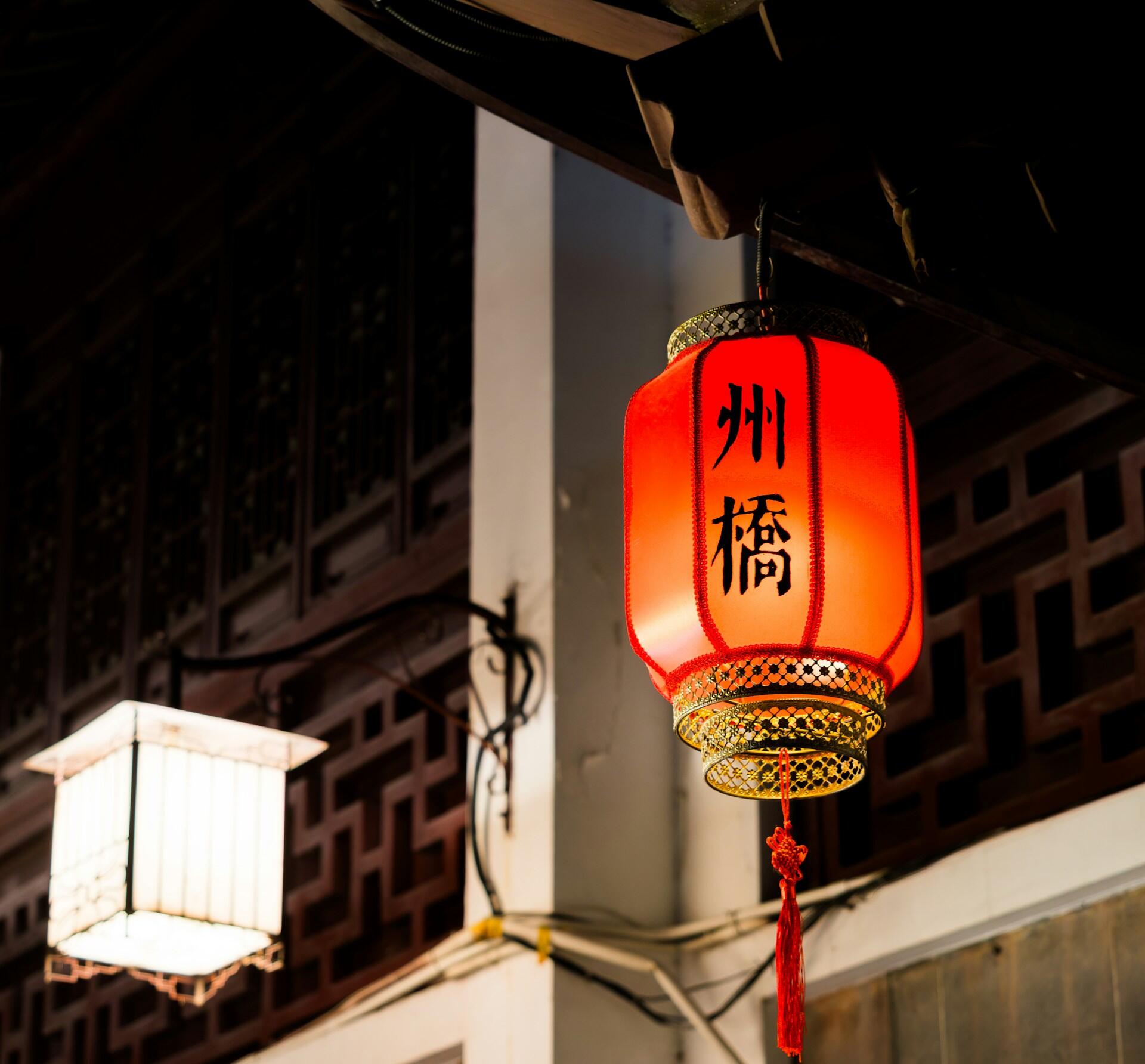
- Festival colours: the lanterns' red colour represents luck, prosperity, and happiness.
- Lights: the lanterns' light represents wisdom and enlightenment, as well as spiritual clearing.
- Letting go and renewal: in some parts, floating lanterns on water symbolise letting go of bad thoughts.
Likewise, releasing lanterns to the heavens banishes negative feelings and welcomes new beginnings.
Lantern Festival Customs and Traditions
As noted above, China is a big country with a long history and all sorts of different people. So, traditions and customs vary according to region and the people who celebrate the occasion. Despite that, these things are universal.
Eating Tangyuan
Eating tāngyuán is universal but what counts as a tāngyuán varies by location.
Tāngyuán
Found in southern China, Taiwan, and throughout Southeast Asia.
Yuánxiāo
Enjoyed in China's northern provinces.
Besides the name, the main difference between the two is the process for making these glutinous rice flour dumplings. Most Chinese do not insist on the difference, though. Instead, they focus on what these sweet, round balls symbolise: the 'full circle' of family harmony and the sweetness of being together.
In China, modern living often means leaving family behind.
As the Lantern Festival marks the end of the New Year celebration, savouring tāngyuán is bittersweet, as it means one will soon leave home again.
Dragon Dance, Lion Dance
Western audiences have become familiar with dragon and lion dances, though they might not know the significance of them.
In Chinese culture, dragons and lions represent luck, strength, power, and protection.
Dragons and lions appearing at such an important occasion shield viewers from harm while promoting their chances at good fortune. The lions and dragons dance to drum and cymbal music, typically just ahead of the fireworks display.
Lantern Riddles and Displays
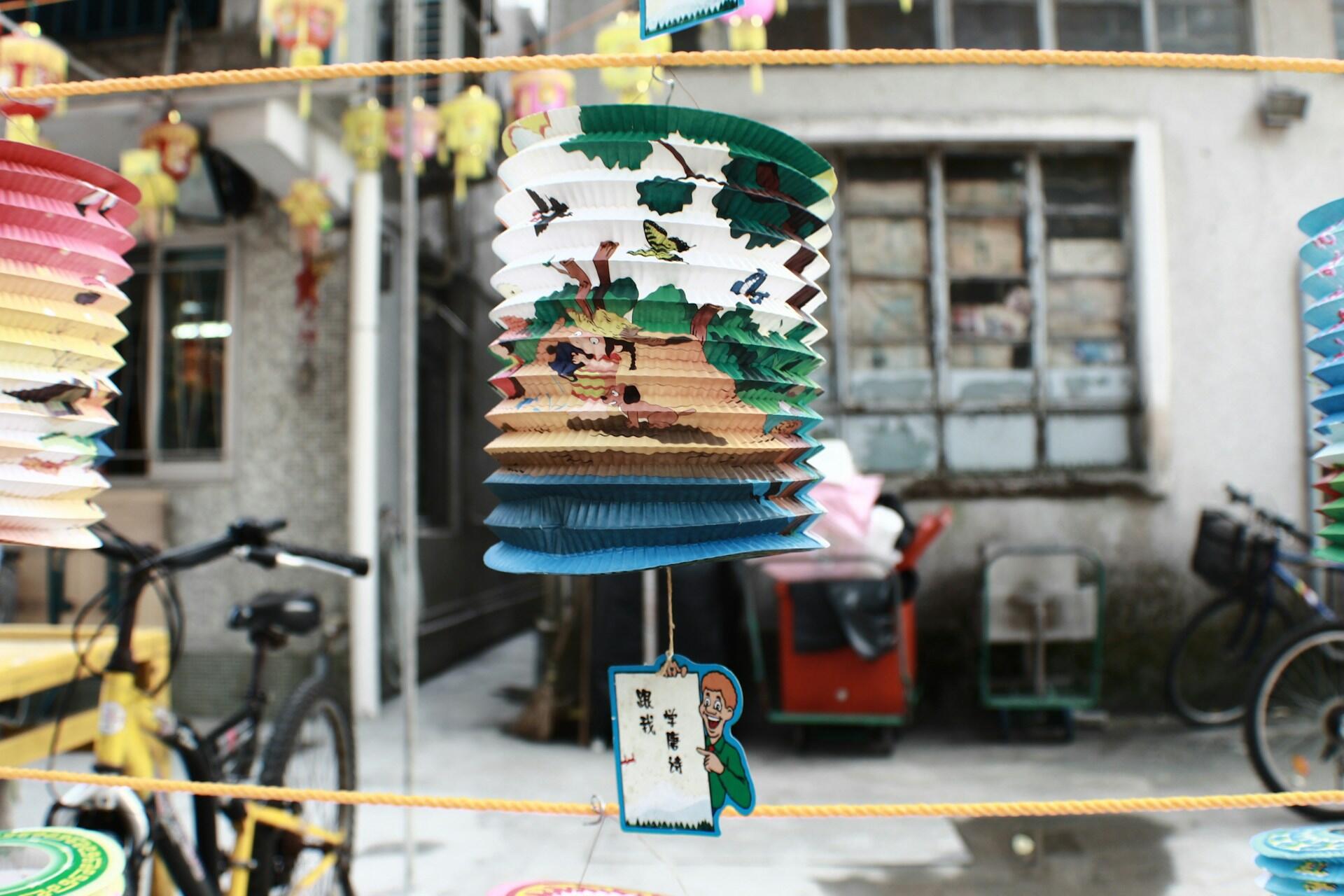
Hanging lanterns outside one's home is a standard practice, and little children parading around with their portable lights is a particular delight. Shopkeepers and government offices put on lavish lantern displays. Walking around in the evening, taking in all these displays, is a highlight for families across China.
Guessing lantern riddles is a practice that dates back to the Song Dynasty (960 to 1279 CE). It involves pasting clues on three of the lantern's sides, with the fourth side blanked out. The clues may be animals, plants, or homonyms, which guessers attempt to join together to find meaning.
The person who guesses the riddle correctly typically wins a small prize for their efforts.
Lantern Festival Celebrations Around the World
While few countries have a festival similar to China's ancestor veneration day, QingMing, several countries enjoy celebrations that have their origins in Chinese festivals. The Lantern Festival is one of them. This chart summarises them, and how they practise this holiday's rites.
| 🌏 Country | 🎉 Festival name | 📆 Festival date | 🏮 Popular activities |
|---|---|---|---|
| South Korea | Daeboreum | Same as in China | crack nuts open with teeth (Bureom) drink guibargi wine in the morning hiking to mountaintops for moon gazing burning dry grass between rice paddies Mogitbul: burning a small straw fire to keep pests away. |
| Japan | Sagichō Fire Festival | Usually January 14 or 15 | Burn New Year decorations visit Shinto shrines pray for good fortune |
| Philippines | Giant Lantern Festival | Mid-December | attend competitions for the biggest lantern visit cultural sites and exhibitions go on food tours |
| Taiwan | Pingxi Sky Lantern Festival | February 27 and March 3 | write wishes on paper lanterns and release them (like the Tangled lanterns) |
| Thailand | Yi Peng Festival | the 12th month in the Thai lunar calendar, typically in early November | give food to monks and the poor. visit temples lighting and hanging small lanterns. releasing lanterns into the night sky. |
References
- Storozum, Michael. “China’s “5,000 Years of History”: Fact or Fiction? — RADII.” Stories from the Center of China’s Youth Culture, 2017, radii.co/article/china-5000-years-history. Accessed 8 May 2026.
- Huahua. “The Legend of Yuan-Xiao Festival.” Xiahua, 6 Feb. 2015, xiahuaw.wordpress.com/2015/02/06/the-legend-of-yuan-xiao-festival/. Accessed 8 May 2026.
- Forest Painting. “Chinese Lantern Festival Traditions: Customs across Ages.” ForestPaintingLantern, 20 Dec. 2025, www.paintinglantern.com/chinese-lantern-festival-traditions/. Accessed 8 May 2026.
- fpiconnadministrator. “Why Is the Lantern Festival so Important? - FPIC.” FPIC - Shenzhen Forman Precision Industry Co., Ltd., 3 Mar. 2026, fpiconn.com/why-is-the-lantern-festival-so-important/. Accessed 8 May 2026.
Summarise with AI:
Did you like this article? Leave a rating!

 Loading...