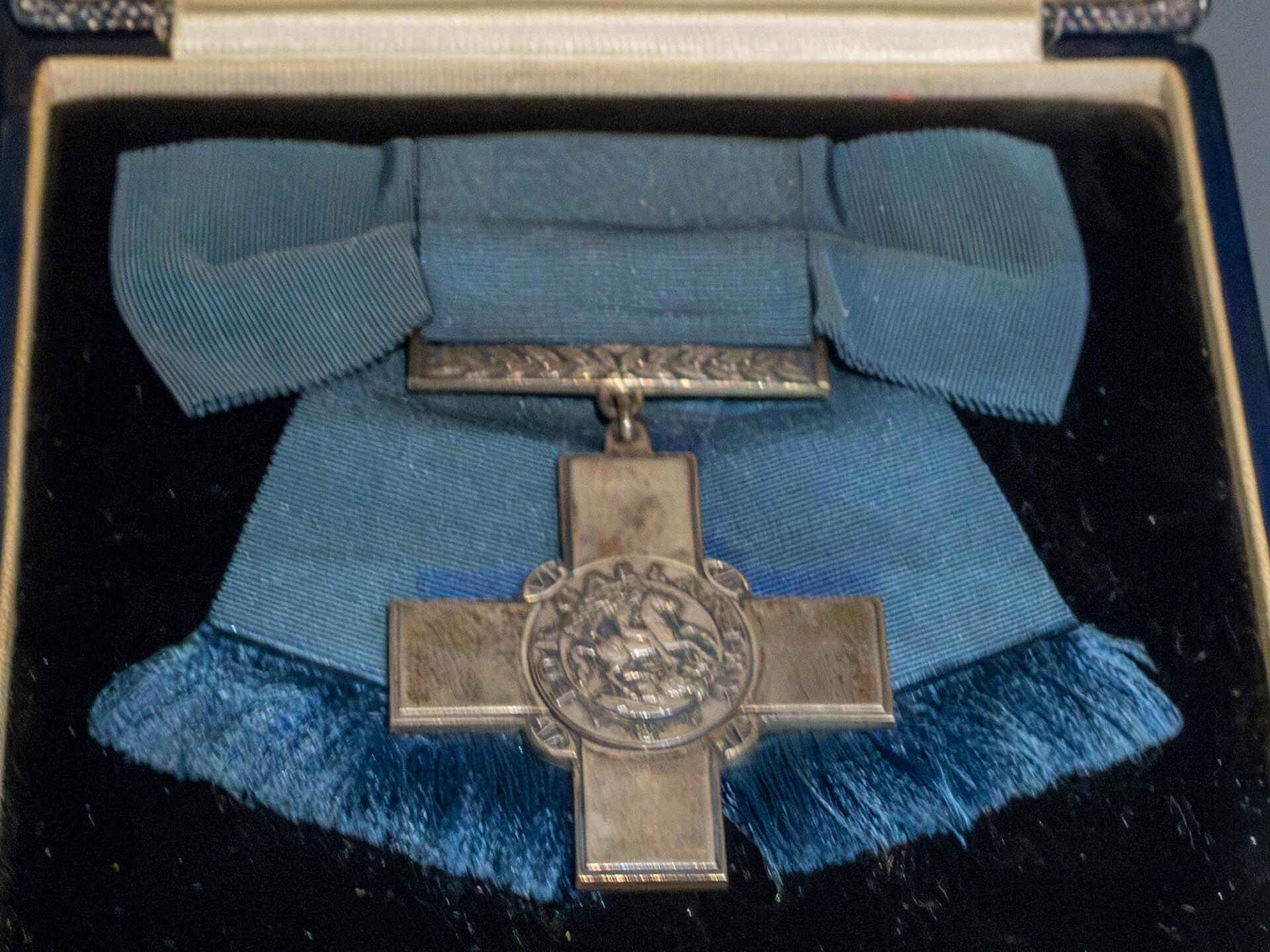

The UK Honours system recognises extraordinary achievement and service across all aspects of British society, from public service to culture and the arts. It includes military honours, as well as for civilian service, such as police and fire and rescue services. This official recognition framework has its roots in the Norman Conquest, when valiant fighters received the first knighthood honours. This article explains the honours system UK: its levels and medals, and how one might receive such an award.
Key Facts About the Honour System UK
- The UK honours system exists to recognise bravery, service, and achievement across all levels of society.
- Most awards result from nominations and a committee review; the King may also give special awards.
- OBE, CBE, MBE, and BEM are the most frequently awarded; knighthoods and damehoods are fewer in number.
- Anyone who makes exceptional contributions to British culture and society is eligible for an award nomination.
- Twice each year, the king or his designee hosts investiture ceremonies: in January (New Year Awards) and in June (the Birthday Awards).
- The Gazette publishes the lists of honourees, who then attend the investiture ceremony to receive their award.


Defining the UK Honours System
The UK Honours system is the way our sovereign (King Charles) recognises citizens for bravery, merit, outstanding achievement, and service to the country. However, he - or his designee - only bestows these honours. An entire government office, the Honours Secretariat, works to vet and select honour nominees, which the Prime Minister must approve, before the King learns who he will honour.
Today's British honours system continues traditions established during the Norman Conquest. King William I (William the Conqueror) doled out the first knighthoods to particularly brave fighters. Over the centuries, the monarchy added various orders, such as the Order of the Garter (est. 1348), the Order of the Thistle (est. 1687), and the Royal Victorian Order (est. 1896).
Decorations recognise acts of conspicuous courage and gallantry.
Medals recognise service campaigns and orders of chivalry.
Those orders were very exclusive; they left most of British society out of the running for any award. In 1917, King George V expanded the list of honours and who could receive one to make the UK honour system more inclusive. He added three ranks below knight- and damehood: MBE, OBE, and CBE, all civilian awards. Of course, the traditional awards for military and government service remain.
This brief introduction belies the extent of our honours system. We now examine the Orders of the British Empire and various historical orders of chivalry, such as the Order of the Garter, mentioned above. Before diving in, this video explains each one.
Main UK Honours and Their Awards
Perhaps the easiest way to categorise these honours is by grouping them into the sectors they honour and the actions they recognise. This chart gives you a brief overview before the more detailed explanations below.
| 😃 Recognition type | 😇 What it recognises | 🔎 Examples |
|---|---|---|
| Honour | achievement or service | OBE, MBE, CBE, etc. |
| Title | high-level achievement or service | Sir (knighthood) Dame (damehood) |
| Decoration | for commendable service or conduct; for bravery. | the George Cross |
| Medal | commemoration, service, or campaign | service medals |
Orders of Chivalry
By the dates listed in the previous section, we see that Orders of the British Empire have been around for a very long time. For most of Britain's history, orders of chivalry dominated. Knighthoods were the first such honours1; damehoods came much later.
Edith Vane-Tempest-Stewart, Marchioness of Londonderry, was the UK's first Dame Commander (DBE). She received her title in 1917, after King George V restructured the honours system.
Since the granting of the first knighthoods in the 12th century - and possibly, even earlier2, several other formal orders of chivalry emerged. Each had a specific purpose or commemoration to recognise; these are the orders still active today, the dates they were established, and their purpose.
Through the years, each of these orders underwent changes, the most notable of which was denying women any appointments to the Order of the Garter. For most of its existence, it had been an equal-opportunity order but, in 1488, King Henry VII ended the practice of honouring women. King Edward VII revived the practice in 1901.
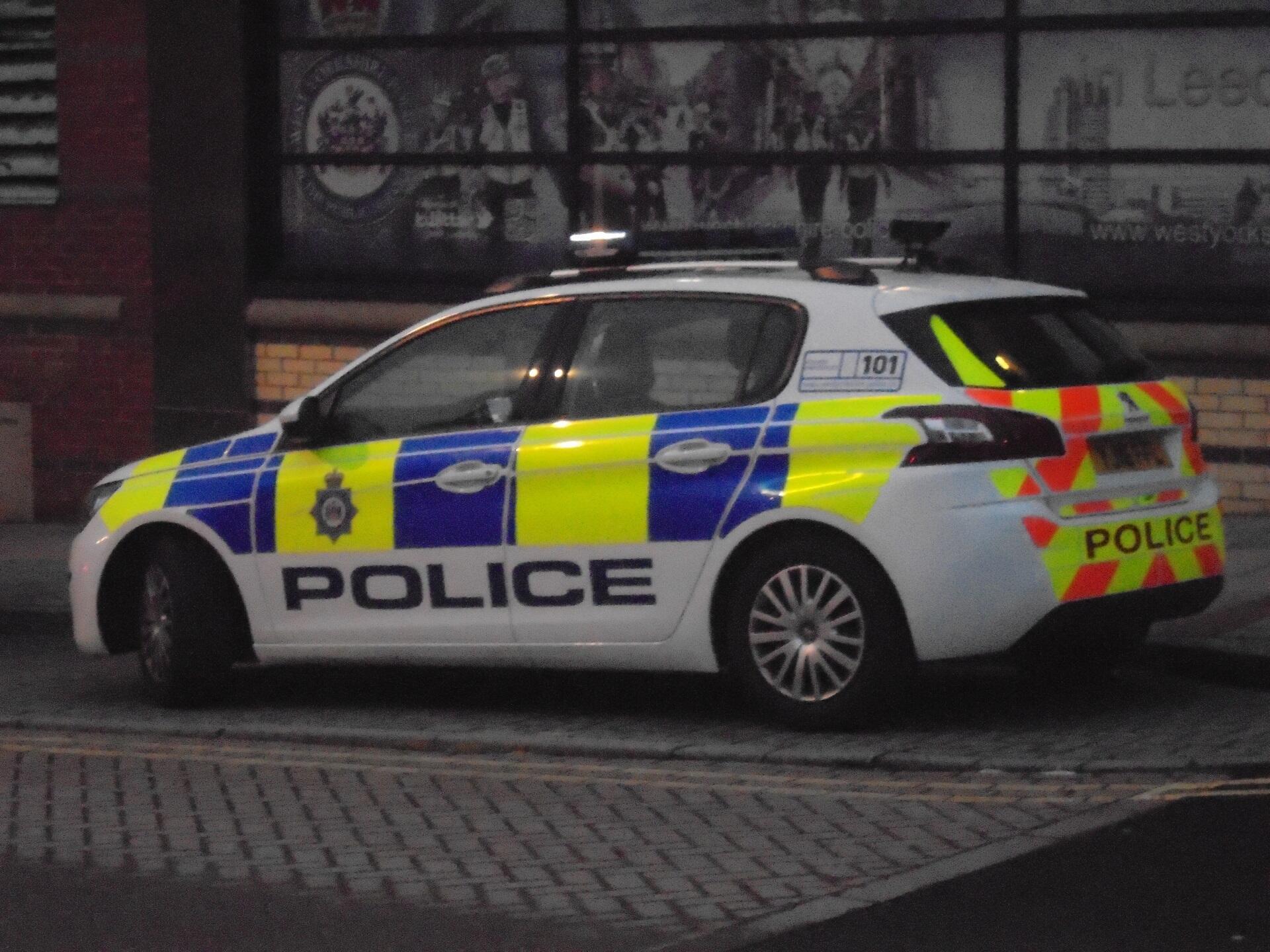
Public and Civil Service Honours
These awards recognise people for their charitable work, public sector service, and achievements in science and other sectors. Artists, musicians, and actors receive these awards for their work in promoting British culture. This comparison answers the question: "What is OBE, MBE, CBE?"
MBE
- Member of the Order of the British Empire
- the 'lowest' of the three honours
OBE
- Officer of the Order of the British Empire
- a higher rank than MBE
CBE
- Commander of the Order of the British Empire
- the civilian ranks' senior award
Though these are called ranks, one doesn't have to start with the lowest and work up to the highest. One might go from being an MBE recipient straight to knighthood, for example.
The BEM (British Empire Medal) traditionally recognised meritorious civil or military service.
Today, it honours exceptional contributions to charity, community work, and significant innovations.
Knighthoods and Damehoods
Receiving an honour related to foreign policy means a great deal to me.
Angelina Jolie, on receiving an honorary damehood.
Though these titles might seem the easiest to explain, they're quite convoluted - both in their award and the privilege they represent. For one, though someone may receive a knight- or damehood, they may not use the title 'Dame' or 'Sir' unless they are a British citizen. Therefore, Miss Jolie, accorded that honour in 2014, is not a 'Dame'.
1. The titles are not hereditary: Dame Judy Dench's descendants will not inherit her title.
2. One must use the person's full name after their title: "Sir Elton John"; not "Sir John".
3. Only British citizens may use the 'dame' and 'sir' designations.
Like other awards in the UK honours system, knight- and damehoods have degrees of rank. In fact, these two honours are the upper tier of the Order of the British Empire ranking system.
Knight or Dame Grand Cross (GBE)
The highest rank, for exceptional contributions at the national and international levels.
Knight or Dame Commander (KBE/DBE)
Honours major contributions, typically awarded for exceptional, consistent deeds at the national level.
Besides these awards, we find the Knight Bachelor, whose honourees are also 'Sir'. This title is distinct from ranked orders, and knight bachelors do not have a post-nominal abbreviation like GBEs and KBEs do.
The Process for Awarding UK Honours
In the early days of sovereign awards, the process was easy: the king decided who was worthy of an honour and bestowed it. Over time and as the honours system grew more inclusive, deciding awards became a multi-step process.
Step 1
Members of the public nominate someone for an honour.
Public servants, organisations, and community groups may also nominate worthy candidates.
Step 2
The Honours Secretariat vets the nominees.
These officials examine HMRC records, police and public records, and verify references.
Step 3
The Secretariat forwards the list of vetted nominees to the Honours Committee.
The committee reviews the nominations and approves the list.
Step 4
The Prime Minister receives the nominees list.
After review, that office forwards it to the monarch.
Step 5
The king or his designee hosts investiture ceremonies.
He awards each recipient their award and spends a few minutes in conversation with each one.
If you've nominated someone for an award, you won't know if they will receive an OBE, MBE, or other award. Or if their nomination will succeed. The Secretariat makes all those decisions, including rejecting any self-nomination.
Who Can Receive an Honour?
Anyone in good standing may receive an honour, including those who have a strong record of service and/or have made exceptional contributions to society. Even you may receive an honour, provided you don't nominate yourself. Taking a broader view, these are the people eligible for an award.
- British citizens
- Commonwealth citizens
- foreign nationals (honorary awards only)
- celebrities
- public servants, including senior officials
- service and military personnel
Can One Refuse or Lose an Honour?
Honours recognise the volunteer, charity worker, teacher, entrepreneur, scientist, artist, public servant and campaigner for their good works and contributions to society.
Everyday work that keeps society functioning is often thankless; that's why the honours system matters. For most people, the reward is the service rendered; it's about being valuable to society. Still, it's nice to have one's efforts acknowledged, but not everyone is thrilled at the idea.
One may return their medal or insignia, but that doesn't cancel the honour.
The number of people rejecting an honour is growing3, and it's not only high-profile people who've done so. Those who decline their award have various reasons for doing so, and some even decide to renounce their honour after accepting it.
Officially, the honour remains yours for life, unless it is revoked. This is called 'forfeiture', and it involves a decision from the Forfeiture Committee and approval from the King. Typically, forfeiture comes when an honouree has been found guilty of some disreputable act.
Refusal: the nominee declines their award.
Renouncement: the honouree has accepted their award but no longer wants it.
Forfeiture: the awarding body revokes the award.
When the King awards an honouree with a CBE or other distinction, the honours system ensures they're in good stead, and that they've earned it. Anyone who takes the time and effort to nominate someone for an honour must believe that this system is worthwhile, despite ongoing debates over its fairness and transparency.
Twice each year, the King hosts investiture ceremonies to bestow awards. First, during the New Year award ceremony in January, and for the Birthday Awards on his official birthday, in June. Less regularly, he may award deserving citizens according to royal prerogative. And so, the centuries-old British tradition of rewarding meritorious service continues.
References
- ANU. “Entity - Knight Bachelor - Obituaries Australia.” Anu.Edu.Au, 2024, https://oa.anu.edu.au/entity/2140. Accessed 17 Sept. 2026.
- GOV.UK. “History.” UK Honours System, https://honours.cabinetoffice.gov.uk/about/history/. Accessed 17 Sept. 2026.
- Busby, Mattha. “Number of People Rejecting Queen’s Honours Doubles in Past Decade.” The Guardian, The Guardian, Dec. 2020, https://www.theguardian.com/politics/2020/dec/01/number-of-people-rejecting-queens-honours-doubles-in-past-decade. Accessed 17 Sept. 2026.
Summarise with AI:
Did you like this article? Leave a rating!

 Loading...