A Christmas carol is arguably Dickens' most famous work. On the surface, it appears to be a short festive story about a miserable old man who learns the value of kindness at Christmas. However, examined closer, it's also an expertly crafted piece of social criticism that speaks to many of the moral issues that were sadly present during the Victorian period in England. In this handy revision guide, we'll explain the main themes running through A Christmas Carol
The novella looks at several central ideas, including the dangers of greed, the reality of social injustice, the importance of family and community, the impact of death and memory, and the possibility of personal change.
| Theme | Brief Description |
|---|---|
| Greed and Money | Explores the dangers of valuing wealth over compassion through Scrooge’s attitude and behaviour. |
| Social Injustice | Shows the harsh divide between rich and poor in Victorian society, highlighted by the Cratchits and Ignorance & Want. |
| Family and Community | Emphasises the warmth and support found in human connection, seen in the Cratchits, Fred, and Fezziwig. |
| Death and the Afterlife | Uses Marley and the Spirits to examine legacy, regret, and the consequences of a life lived without care for others. |
| Redemption | Follows Scrooge’s transformation and Dickens’ belief that meaningful change is possible at any time. |


Greed and Money
Oh! But he was a tight-fisted hand at the grindstone, Scrooge!”
A Christmas Carol

The novella opens by presenting money as something cold and hard, both in a literal and moral fashion. In fact, the first description of Scrooge paints him as a man who has develop his identity solely around profit.
Dickens lays this on thick by piling up the verbs: Scrooge is described as “a squeezing, wrenching, grasping, scraping, clutching, covetous old sinner.” Each word makes him sound more rigid and inhuman, as if greed has stripped away all warmth and feeling from his person.
Although Scrooge is extremely wealthy, he also lives in conditions that are almost entirely joyless. His house is gloomy, and his riches give him no comfort as he treats them as something to hoard rather than supporting others around him. In contrast, Bob Cratchit earns a tiny wage and works long hours yet tries to remain cheerful and positive.
When writing about the theme of greed and money, don't forget to compare Scrooge's attitude to Fezziwig's (his former, vastly more kind and generous employer). Through Scrooge’s behaviour, Dickens suggests that wealth (when used selfishly) damages both the person who holds it and the people around them.
Social Injustice
Among the Christmas Carol Themes, social injustice is one of the most clearly visible. The Cratchit family symbolise the working poor with Bob's meagre wage and Tiny Tim's fragile health, demonstrating to the reader how close the family is to impending disaster.
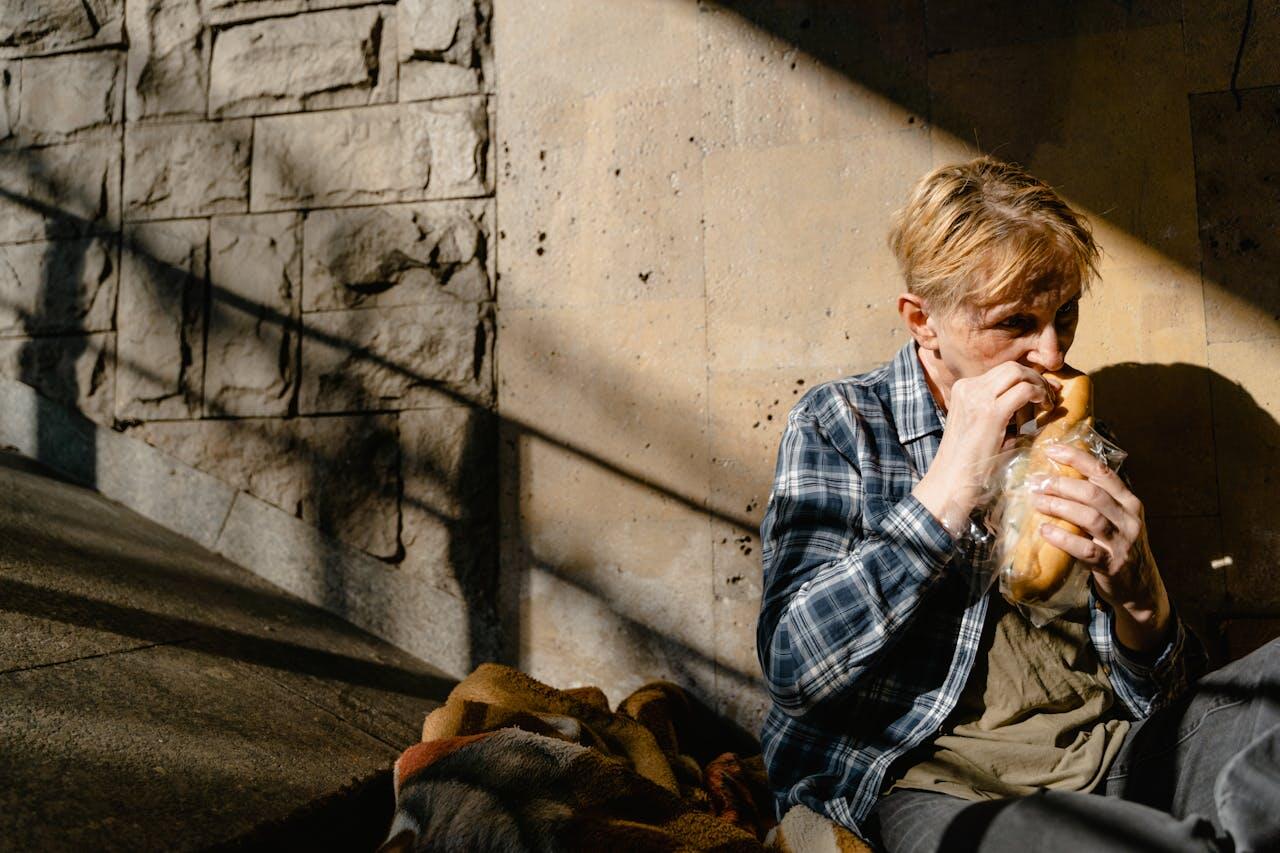
Although the Cratchits work hard, treat each other well and seem far more deserving of comfort than Scrooge ever does, they still live without any real sense of security.
During this era, factory workers (including women and young children) often worked long and relentless hours for low pay in extremely unsafe conditions. If unable to afford food or rent, many poor families would find themselves stuck in workhouses.
Early in the story, Scrooge makes various comments about the poor that show a very harsh and overly practical view of those struggling to make ends meet.
- He claims that anybody who won't go to the workhouses should “decrease the surplus population,” reducing real people to nothing more than figures on a page
- His attitude mirrors the cold economic thinking held by some influential Victorians, who believed poverty was the result of moral weakness rather than any circumstance
- Dickens challenges this by giving those views to Scrooge, a character who must eventually confront the damage caused by such beliefs and rethink his behaviour
Family and Community
I have always thought of Christmas time… as a good time; a kind, forgiving, charitable, pleasant time.
A Christmas Carol

In a Christmas Carol, family and community come across as the answer to Scrooge's cold, inward way of living. The clearest example of this lies in the Cratchit home. While crowded and modest, it has a warmth that stands out against Scrooge's loneliness1 .
For instance, while the Cratchits' Christmas dinner is very simple and bare, the way in which they value it reveals how close they are as a family and how grateful they are for what they have.
Fred is Scrooge’s nephew and brings a much brighter, more hopeful outlook to the story. He keeps reaching out to his uncle and stays patient even when he’s brushed off. For Fred, Christmas is a moment to show kindness and good feelings - the antithesis of how Scrooge acts at the start.
Another example also lies in Fezziwig's Christmas gathering, which shows how a workplace centred around generosity can go a long way in creating a sense of shared community over time.
Death and the Afterlife
Death sits quietly at the edge of the story from the opening line, but Dickens uses it in a very deliberate way. For example, Marley’s ghost serves as a warning to show Scrooge the kind of fate that follows a lifetime spent shutting other people out.
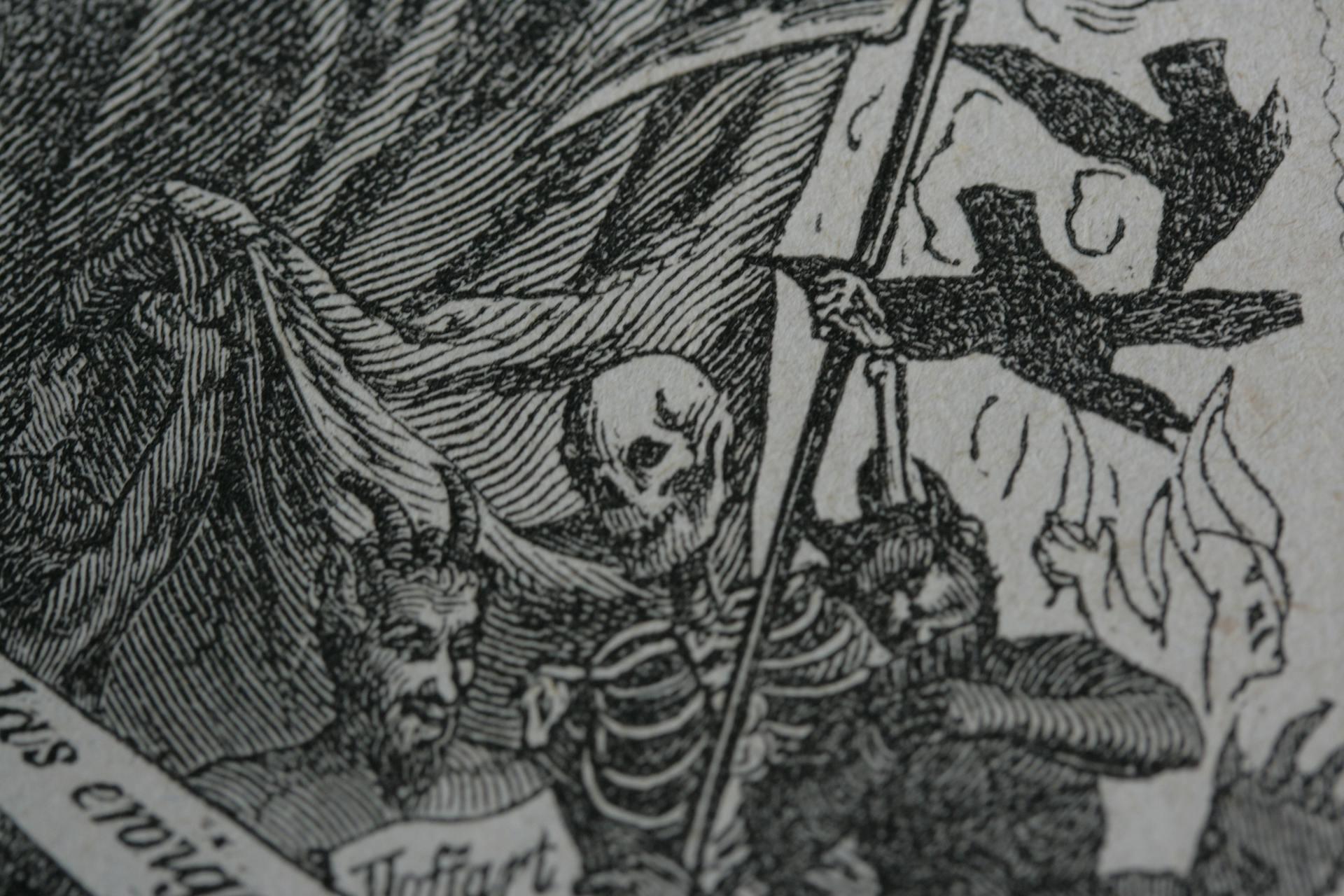
One of the most important contrasts in the novella is the difference between Tiny Tim’s possible death and Scrooge’s own. Tim’s future is treated with genuine sadness, while Scrooge’s is met with indifference.
As a result, death becomes a major turning point for Scrooge. Witnessing firsthand how little his own passing would matter makes him recognise the impact of his behaviour on others and pushes him to rethink his ways.
Redemption and Realisation
“I will honour Christmas in my heart, and try to keep it all the year.”
A Christmas Carol

Scrooge's journey through the novella revolves around change. Dickens begins by showing him as someone whose entire life centres around money. But each spirit forces him to look honestly at the type of person he has become.
As the story unfolds, a few moments stand out as clear signs that his outlook is beginning to change for the better:
Conclusion
This novella is a multifaceted narrative that weaves together themes of wealth, redemption, death, poverty, family, and Victorian society. Through Dickens's masterful use of language and storytelling, the novella continues to resonate with readers, imparting timeless lessons about the human condition and the enduring spirit of Christmas.
References
- AQA English Literature GCSE. (n.d.). A Christmas Carol: Themes. In PMT Education. https://pmt.physicsandmathstutor.com/download/English-Literature/GCSE/Notes/AQA/A-Christmas-Carol/Themes/Family.pdf
Summarise with AI:
Did you like this article? Rate it!


 Loading...