Iambic pentameter is a meter commonly used in Shakespeare's plays and sonnets, and understanding its power is essential for students of Shakespeare. While the term itself can sound rather technical at first, the ideas behind it are actually surprisingly simple once you get your head around them. In this short but useful guide, we set out to break iambic pentameter down step by step, helping you better understand how its rhythm adds extra meaning and emotion in Shakespeare's various works.




What is Iambic Pentameter?
Simply put, iambic pentameter is a type of poetic metre, meaning it focuses on the rhythm of a line rather than its rhyme. Most lines written in this metre contain ten syllables, which are arranged into five smaller units called iambs. Each iamb is made up of an unstressed syllable followed by a stressed one, thus creating a rising rhythm often described as “da-DUM”.
Meanwhile, the term pentameter refers to the presence of five of these iambs In a single line. When combined like so, they give lines a steady yet flexible sort of rhythm that closely mirrors the patterns seen in everyday speech.
How Does Iambic Pentameter Sound?
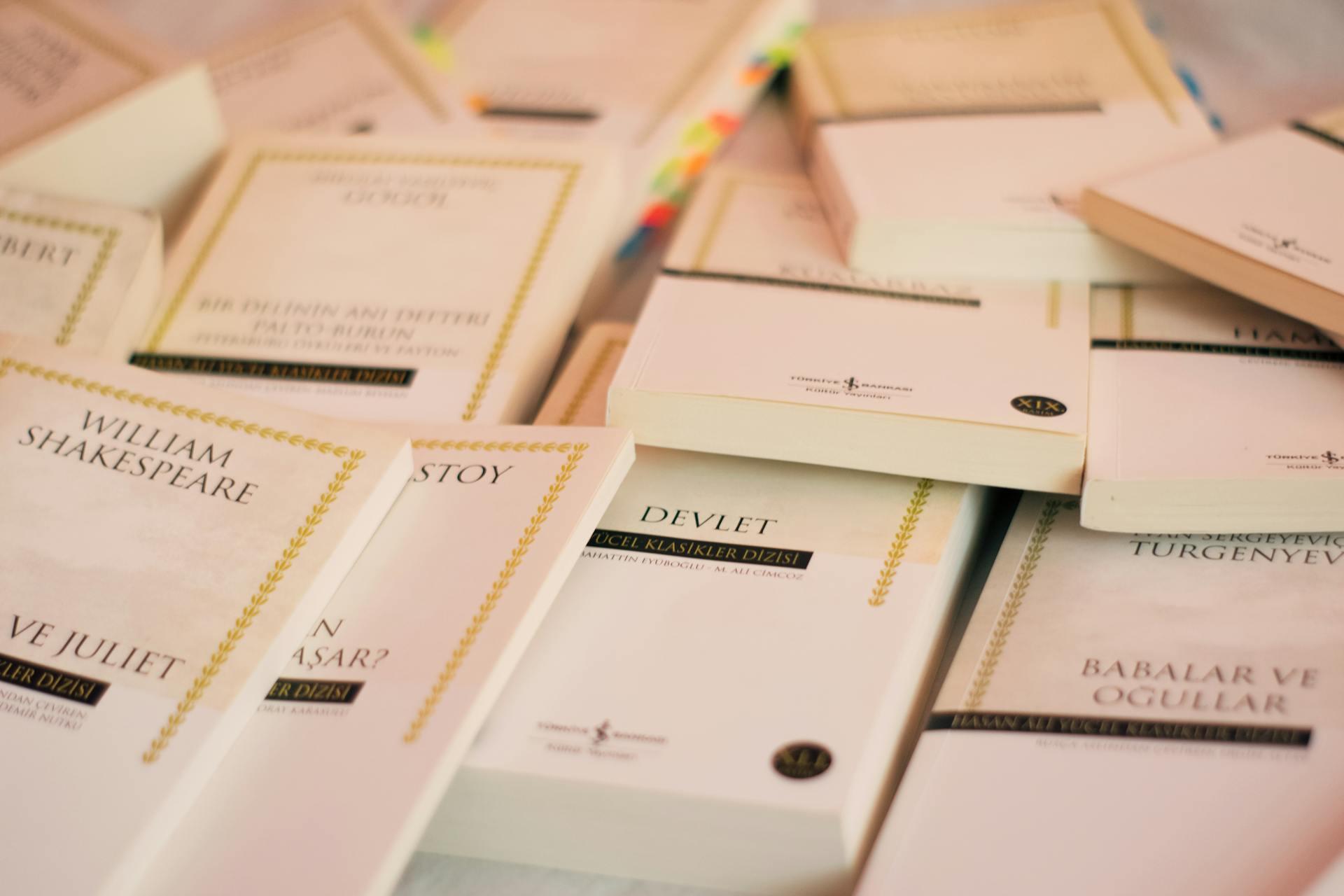
One of the most helpful ways to understand iambic pentameter is to hear it rather than rely on analysing it on a page. The pattern of stresses results in a smooth, forward movement to lines, helping speech unfold in a controlled/deliberate way rather than feeling rushed or uneven.
For example, a pretty clear example of this can be found in Sonnet 18:
Shall I compare thee to a summer’s day?”
Although it's hard to grasp when read, spoken aloud, this type of rhythm helps guide where emphasis should fall - resulting in the line sounding more measured and confident. This makes the verse particularly effective in performances on stage, as the actors can rely on the rhythm to support clarity and expression without forcing the delivery.
| Element | Description |
|---|---|
| Syllables per line | Usually 10 |
| Metrical feet | Five |
| Foot type | Iamb (unstressed + stressed) |
| Rhythm | da-DUM da-DUM da-DUM da-DUM da-DUM |
| Common use | Shakespeare’s plays and sonnets |
Blank Verse vs Prose in Shakespeare
Most of Shakespeare’s plays are written in blank verse, which means unrhymed iambic pentameter. This form gives characters a sense of control and authority while still sounding like natural speech.
Shakespeare switches to prose for specific reasons, such as:
- lower-status characters
- comic scenes
- moments of madness or chaos
- informal or private conversations
For example, kings and nobles often speak in iambic pentameter, while servants and comic characters are more likely to speak in prose. These choices help the audience immediately understand a character’s status and state of mind.
Blank Verse
- Written in unrhymed iambic pentameter
- Sounds natural, but carefully structured
- Often used by kings, nobles, and serious characters
- Suggests control, authority, and emotional stability
- Common in important speeches and dramatic moments
Prose
- Written in ordinary, everyday speech
- Sounds informal and conversational
- Often used by servants, comic characters, or minor roles
- Suggests chaos, informality, madness, or humour
- Common in comic scenes or private conversations
Variation and Disruption in the Metre
While Shakespeare used iambic pentameter pretty extensively throughout his work, he wasn't averse to breaking the rules to add extra impact to key moments in his writing.

These often abrupt and jarring departures from the expected rhythm are usually deliberate and closely tied to what is currently happening on stage. This is particularly noticeable during:
The change in rhythm is often used to signal that a character is under pressure, helping the audience pick up on emotional tension without it needing to be spelt out.
How to Identify Iambic Pentameter in an Exam
In an exam, you don’t need to scan every line perfectly, but you do need to show that you understand how the rhythm works.
A simple method is:
- Count the syllables – most lines will have around ten
- Listen for the stress pattern – an unstressed syllable followed by a stressed one (da-DUM)
- Read the line aloud – iambic pentameter sounds natural when spoken
For example:
Common Variations in Iambic Pentameter
Shakespeare rarely sticks to perfect iambic pentameter for long. Instead, he often varies the rhythm to reflect emotion or tension. These changes often occur during moments of anger, fear, excitement or inner conflict. When the rhythm breaks down, it usually reflects a character who is emotionally unsettled or under pressure.
Some common variations include:
These changes often occur during moments of anger, fear, excitement or inner conflict. When the rhythm breaks down, it usually reflects a character who is emotionally unsettled or under pressure.
Why Iambic Pentameter Matters in Analysis

Understanding how iambic pentameter will help you move away from describing what happens in a scene and start explaining how meaning is created. At GCSE level, this is where you can land lots of extra marks
As explained, Shakespeare's use of metre is never accidental and being able to recognise it shows an awareness of form as well as language. When you can link rhythm to mood or character, your analysis will become all the more convincing for your teacher or examiner.
Using clear analytical phrasing can strengthen your responses and help you explain how meaning is created.
You could write:
“The use of iambic pentameter suggests…”
“The regular rhythm reflects the character’s…”
“Shakespeare disrupts the metre here to show…”
“The breakdown in rhythm mirrors…”
These sentence starters encourage you to link technique to effect, which is exactly what examiners are looking for.
Examples of Iambic Pentameter From Shakespeare
Here are some examples of Iambic pentameter used by Shakespeare in his work.
- Hamlet: "To be, or not to be: that is the question."
- Othello: "It is the cause, it is the cause, my soul, / Let me not name it to you, you chaste stars!"
- Sonnet 18: "Shall I compare thee to a summer's day? / Thou art more lovely and more temperate."
In each of these examples, you can hear the iambic pentameter's rhythmic pattern of unstressed and stressed syllables, with ten syllables in each line.
References
- Iambic Pentameter - GCSE English Literature Definition. (2025, May 14). Save My Exams. https://www.savemyexams.com/glossary/gcse/english-literature/iambic-pentameter-definition/
- Iambic Pentameter: Definition and Examples. (2023, March 6). Iambic Pentameter: Definition and Examples | Grammarly. https://www.grammarly.com/blog/creative-writing/iambic-pentameter/
Summarise with AI:
Did you like this article? Rate it!


 Loading...