In this Lady Macbeth essay, we explore one of Shakespeare's most powerful and complex female characters. We'll take a journey into how her ambition influences the events of Macbeth, eventually culminating in her shocking psychological collapse. For GCSE English Literature students, her character offers a great portrayal of how power, guilt, and psychological conflict all come together in a classic Shakespearean tragedy.
Key Themes Overview
- Ambition and Power – Lady Macbeth’s desire for control drives the action of the play
- Guilt and Psychological Decline – Suppressed conscience resurfaces and destroys her sanity
- Language and Control – Commanding speech gives way to fragmented, broken language
- Gender and Authority – She challenges Jacobean expectations of femininity
- The Supernatural and Disorder – Her appeal to dark forces links ambition to moral chaos
- Tragic Downfall – Power ultimately leads to isolation and self-destruction




Ambition and Manipulation
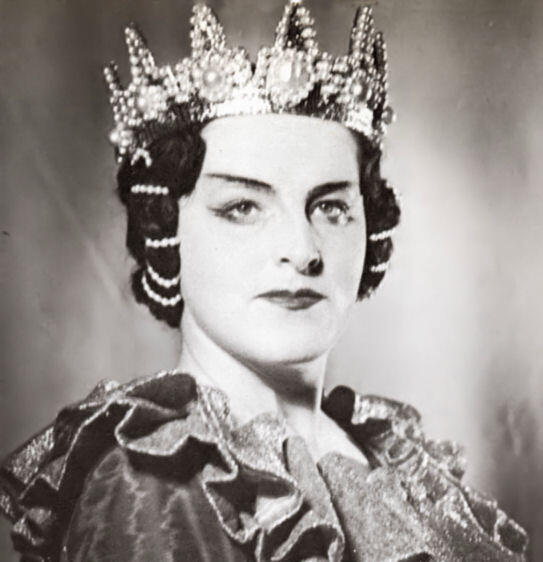
From her very first appearance in Macbeth, Lady Macbeth is presented as a character driven by intense ambition. After reading Macbeth's letter about the witches' prophecy, she immediately focuses on the possibility of kingship and makes the decision to take control.
This is very different from Macbeth, who hesitates and wrestles with the morality of murder. Instead, Lady Macbeth reacts with certainty and urgency, showing little concern for the ethical consequences of her actions. Shakespeare writes her as highly determined and decisive, willing to suppress emotion and conscience in her pursuit of power.
Additionally, her ambition is also closely tied to her desire for control. Lady Macbeth fears that Macbeth is “too full o’ the milk of human kindness” to act on the prophecy, leading her to forcefully push him towards regicide. Her language repeatedly undermines Macbeth's confidence, labelling hesitation as a weakness and actions as a strength.
Lady Macbeth’s ambition is not driven by personal glory alone. She views Macbeth’s rise as something they must achieve together, seeing his success as inseparable from her own.
Examples of Lady Macbeth’s Manipulation
- She chips away at Macbeth's confidence by suggesting his hesitation makes him less of a man
- She brushes away any fear and guilt, labelling them as temporary feelings that can be ignored
- She takes charge of the details of Duncan's murder, placing herself in control and steering Macbeth's decisions
Psychological Decline and Guilt
After Duncan's murder, Shakespeare begins to detail the cost of Lady Macbeth's focus on ambition. Although she appears very composed at first, her confidence quickly starts to unravel as the seeds of guilt begin to take hold.

As the play progresses, her certainty in her and her husband's actions slowly fades as she realises the difficulty of surpassing her conscience. While she begins the play believing her conscience can be suppressed, Shakespeare shows how guilt works under the surface and how it can grow stronger over time.
Lady Macbeth tries to stay in control by brushing aside Macbeth’s fear and pushing him to move on. She believes that if the crime is ignored, guilt will fade. However, as Macbeth becomes more violent and emotionally distant, shutting her out of his decisions, her influence slips away - leading to isolation and a gradual breakdown of her mental stability.
Act 5, Scene 1: Why This Scene Matters
Before her death, Lady Macbeth’s guilt is most clearly revealed in Act 5, Scene 1, commonly known as the sleepwalking scene. Let's take a look at it here:
Language and Power
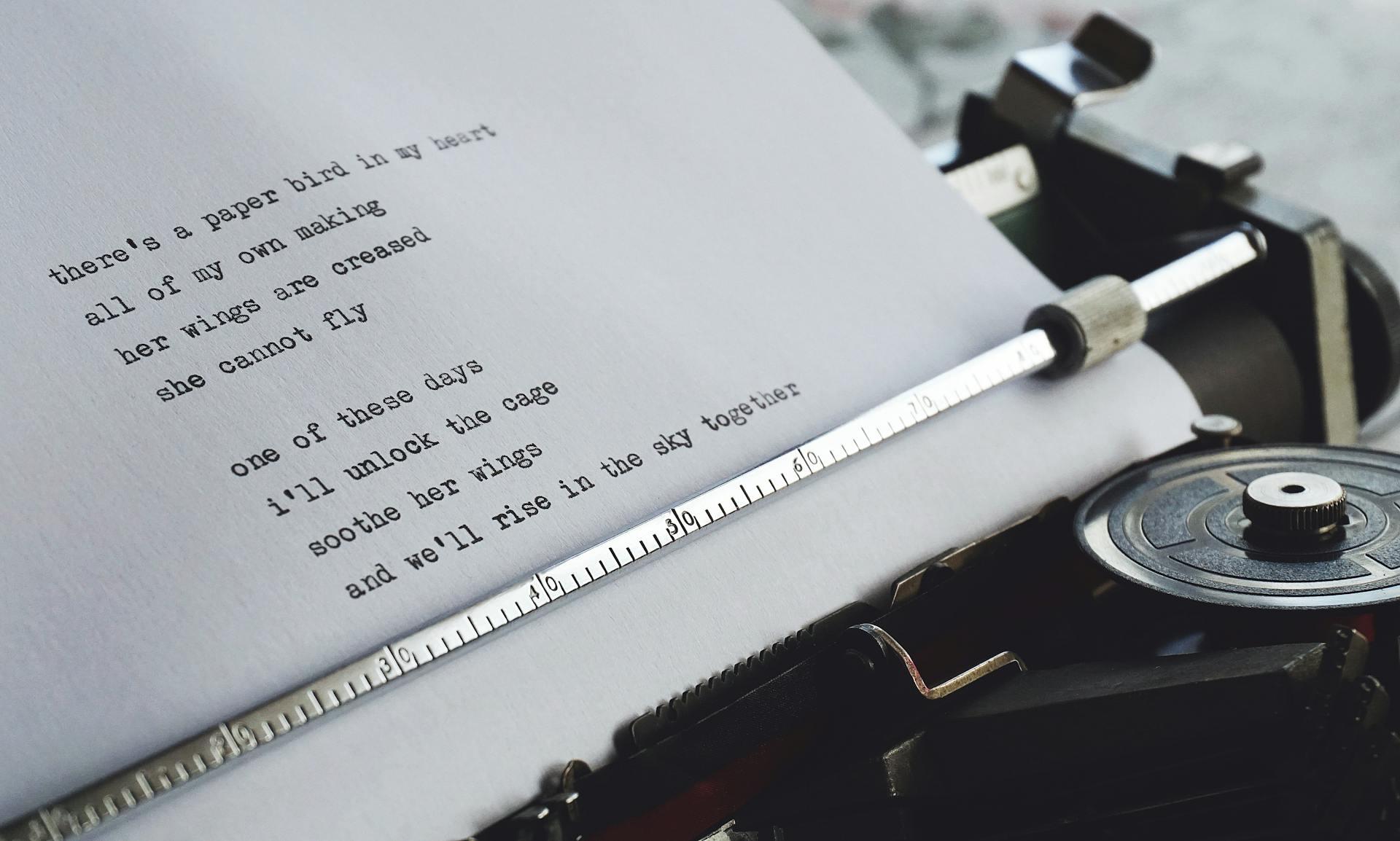
Language is one of Lady Macbeth's most powerful tools. Shakespeare writes her as a character who knows how to use speech to dominate other people in her surrounding circle, particularly her husband, Macbeth.
Rather than relying on any actual form of physical action, she takes control of situations through means including persuasion and emotional manipulation.
Context: Gender and Jacobean Society
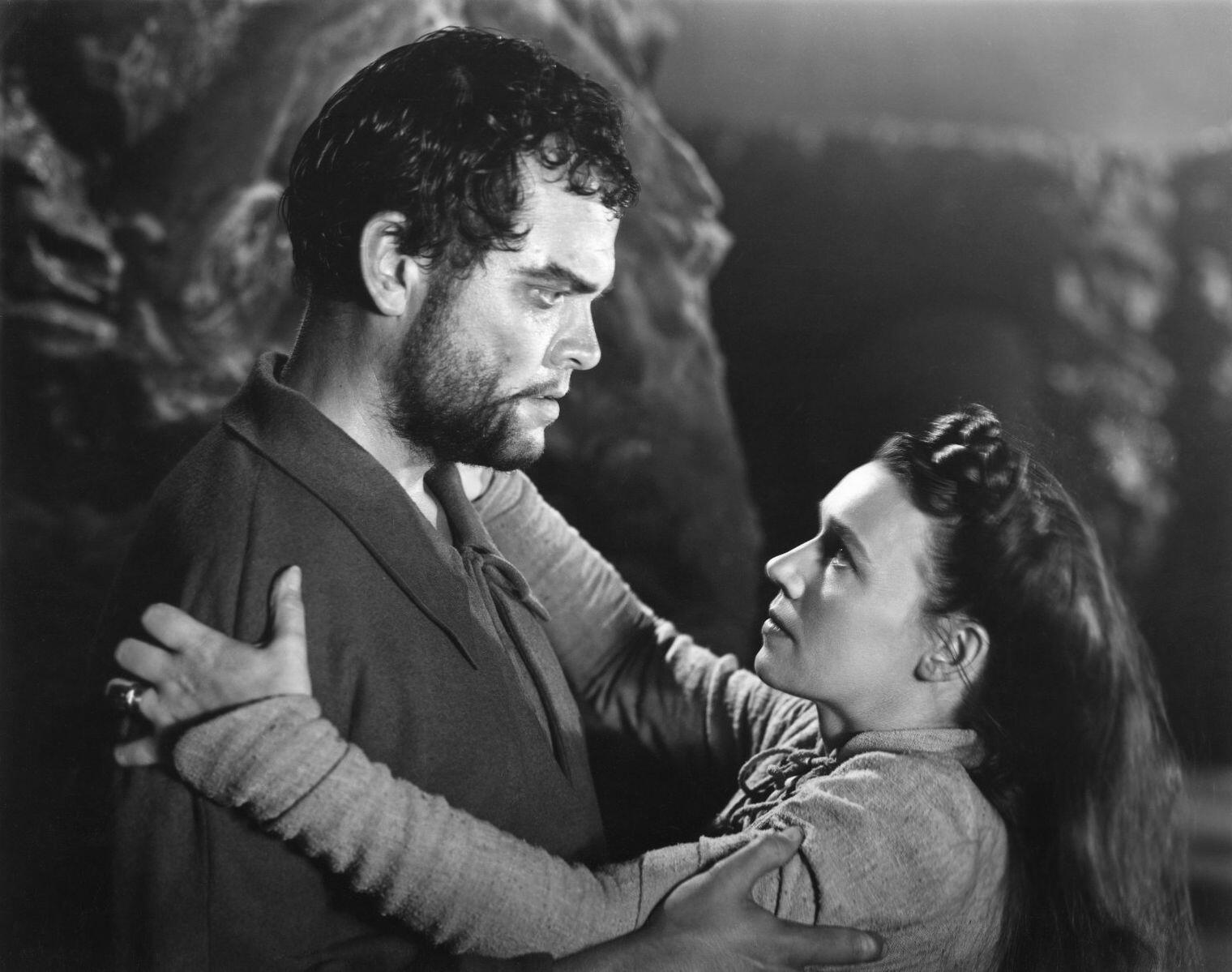
To fully understand Lady Macbeth's character, it's also really helpful to consider the context in which Macbeth was written.
In Jacobean society, women were expected to be obedient and submissive, with any notions of power and authority solely reserved for men. What's more, ambition was seen as a masculine trait while femininity was associated with compassion and weakness.
Lady Macbeth challenges these expectations most clearly when she calls on spirits to “unsex” her, showing that she believes femininity holds her back from gaining power. However, Shakespeare does not present this choice as successful - her eventual mental collapse reflects the fears people held about women stepping out of their expected roles.
The Supernatural and Moral Disorder

Additionally, Lady Macbeth's character is strongly connected to the supernatural too. For instance, her decision to call upon spirits to “unsex” her aligns her with dark and unnatural forces that are somewhat similar to witches
Come, you spirits That tend on mortal thoughts, unsex me here
For the Jacobeans, this type of association would have been deeply unsettling as anything supernatural in their eyes was connected to evil, chaos and moral disorder. Shakespeare cleverly used this connection to suggest her ambition disrupts the natural order, ultimately resulting in her punishment later on in the play.
Lady Macbeth’s appeal to spirits shows a conscious rejection of traditional Christian values. Rather than relying on morality or divine order, she foolishly chooses to seek power through unnatural forces instead.
Famous Lady Macbeth Quotes To Remember
| Quote | Theme |
|---|---|
| Unsex me here | Rejection of femininity; ambition and desire for power; links to gender and the supernatural |
| Too full o’ the milk of human kindness | Belief that compassion is weakness; manipulative view of morality |
| Look like th’ innocent flower, but be the serpent under’t | Deception and manipulation; appearance vs reality |
| Screw your courage to the sticking-place | Imperative language; dominance and control over Macbeth |
| A little water clears us of this deed | Belief guilt can be erased; dramatic irony |
| Nought’s had, all’s spent | Realisation that ambition brings emptiness and dissatisfaction |
| Out, damned spot! Out, I say! | Overwhelming guilt; loss of control; psychological breakdown |
| What’s done cannot be undone | Acceptance of irreversible guilt; contrast with earlier confidence |
GCSE Focus: Answering Questions on Lady Macbeth
For GCSE English Literature, questions on Lady Macbeth usually ask you to explore how Shakespeare presents her ambition, power, guilt, or relationship with Macbeth. To score highly, students need to combine a clear argument, close language analysis, and relevant context.
Common GCSE Questions on Lady Macbeth
You might be asked to:
- How does Shakespeare present Lady Macbeth as a powerful character?
- How does Lady Macbeth change over the course of the play?
- How does Shakespeare explore guilt through Lady Macbeth?
- How is Lady Macbeth presented in Act 1 / Act 5?
Questions often focus on a specific extract, so it’s important to analyse both that moment and link it to the rest of the play.
How to Structure a GCSE Essay Answer
A clear structure helps examiners see your understanding:
Introduction –
Briefly answer the question and outline your main idea
Main paragraphs
Main Paragraphs
Make a clear point, embed a short quotation, analyse language or techniques and link to themes and context
Conclusion
Sum up how Lady Macbeth fits into Shakespeare’s overall message
Key Tips for Top Marks in GCSE
- Focus on how Shakespeare presents Lady Macbeth, not just what she does
- Analyse language choices (imperatives, imagery, repetition)
- Track her development from control to collapse
- Use context carefully – link it directly to her behaviour
- Keep quotations short and relevant
By showing how Lady Macbeth’s ambition leads to both power and self-destruction, you demonstrate a strong understanding of her role as a tragic figure — exactly what GCSE examiners are looking for.
Additional Resources
Here, you can find downloadable resources which contain essays written by GCSE students on Lady Macbeth's character.
- GCSE Essay about Lady Macbeth
- A pack of 6 sample essays written by GCSE students on character of Lady Macbeth
Summarise with AI:
Did you like this article? Rate it!


 Loading...