Priestley's An Inspector Calls expertly turns a single evening into an examination of how people treat one another, and the deeper social values influencing their choices. The play layers questions of responsibility, class, gender, and the generational conflict into every scene, with each act pushing the Birling family to confront the part they played in Eva Smith's life. Below you'll find an easy-to-understand breakdown of the themes present throughout the story.
| Theme | Summary | Key Examples |
|---|---|---|
| Social Responsibility | Explores how each character’s choices shape Eva Smith’s life and highlights Priestley’s message that society must care for those who are vulnerable. | Inspector’s warnings; Sheila accepting blame; Eric’s confession; Mr and Mrs Birling refusing accountability. |
| Age | Shows the contrast between younger characters who are open to change and older characters who cling to rigid beliefs. | Sheila and Eric learning from the Inspector; Mr Birling calling Eric a “hysterical young fool”; Mrs Birling refusing to reconsider her choices. |
| Gender | Examines expectations placed on women and how social attitudes limit their independence, especially for working-class women. | Gerald judging women at the bar; Mrs Birling claiming Eva couldn’t have “fine feelings”; Eva’s challenges finding secure work. |
| Class | Focuses on the divide between upper-class privilege and working-class struggle, showing how class influences opportunity and treatment. | Mr Birling denying the pay rise; Mrs Birling dismissing Eva based on background; Eva’s unstable jobs and hardship. |




Social Responsibility
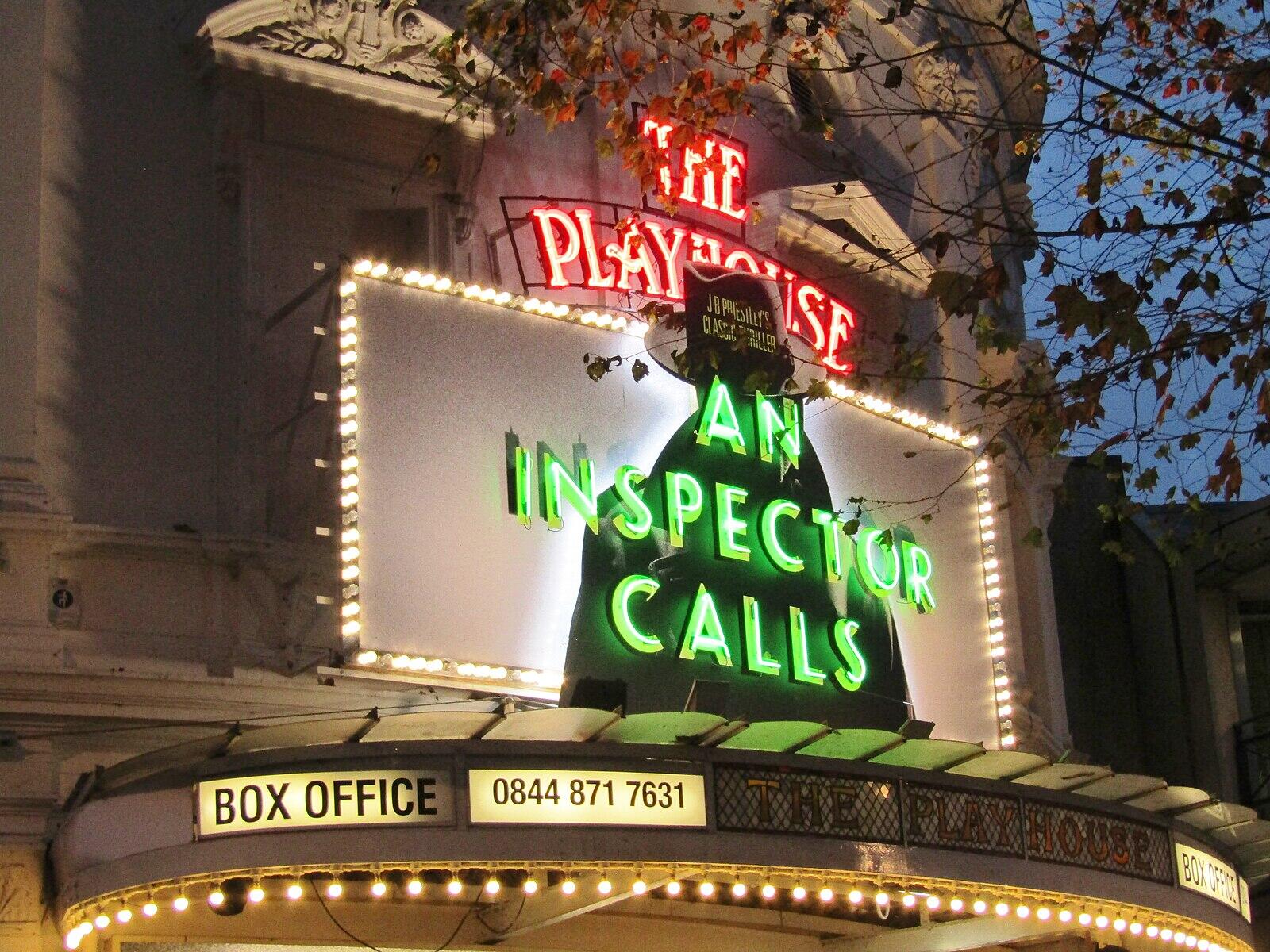
Priestley wrote An Inspector Calls at a point when Britain was beginning to question how it treated its people. Many families lived close to the edge1, and the belief that society should offer some protection to those who were struggling was becoming harder to ignore.
Through Eva Smith, Priestley shows how vulnerable people can be when those with more power make careless decisions. Upon the arrival of the Inspector, each member of the Birling Family has no choice but to confront the role they played in Eva's life. While some accept what they did, others sadly refuse to look past their own selfish interests.
Properly understanding the themes is essential for GCSE English Literature, as it helps you see what Priestley is getting at and makes it easier to explain how key moments in the play fit together. When you're able to link a theme to a specific part of the text, your answers on the exam will become clearer and more confident too.
How Priestley Presents Social Responsibility in His Work
- How Eva Smith is treated at different stages of her life
- The way each character reacts when the inspector challenges them
- The Inspector’s reminder that people’s actions affect others, even when they don’t notice it
Characters Who Take Responsibility
Shiela almost immediately recognises the consequences of her actions. She doesn't hide behind any excuses, and her willingness to reflect marks her out as someone who has the capacity to change for the better. Likewise, Eric reaches the same understanding later and refuses to pretend everything is fine just because the Inspector may not have been genuine.
Characters Who Avoid Responsibility
On the other hand, Mr Birling believes people should only focus on their own affairs. Any sort of idea of shared responsibility feels to him like an obstacle, not a duty. Similarly, Mrs Birling remains convinced she acted correctly at the charity, even though her decision shut Eva out at a critical moment.
Age
One of the clearest divisions in the play comes in the form of the gap between the younger and older characters. Shiela and Eric genuinely listen to the inspector and start to question the way they've been living.

However, their parents actually react in the opposite way - holding steadfast to their original beliefs and refusing to admit they're wrong2. For example, at one point, Arthur snaps at Eric with the line “Why, you hysterical young fool“, this outburst demonstrating how quickly he dismisses a younger person's opinion, no matter how reasonable it sounds.
Priestley wrote the play with the belief that the younger generation had a better chance of breaking old habits and moving society in a different direction than their older counterparts.
How Priestley Shows the Theme of Age
- The younger characters are far more willing to acknowledge uncomfortable truths (Eric tells them, “You’re beginning to pretend now that nothing’s really happened at all.”)
- The older generation dismisses anything that threatens their established views (Mrs Birling stays convinced she was “perfectly justified.”)
- The play hints that social change will come from those prepared to question the world they inherit
Gender

Gender is another major theme in An Inspector Calls. The play was written during World War Two, an era where many men had to fight away from home. As a result, a large percentage of women needed to take on crucial job roles left empty - thus proving they were far more capable than society had previously believed.
However, despite this positive change, people of the time still commonly hold on to old expectations about how women should behave. For instance, staying out of serious discussions or remaining focused on their appearance and manners, etc. Priestley reflects these attitudes through characters like Gerald, who casually dismisses women he sees at the bar as “hard-eyed” if they don’t match his expectations.
Even Mrs Birling is quick to look down on Eva, saying a girl like her couldn’t have “fine feelings.” This opinion shows how class snobbery and old ideas about women often worked together - making life even harder for someone in Eva’s position.
How Priestley Shows Gender in the Play
- Men often judge women on appearance or expect them to be sheltered
- Old-fashioned attitudes are reinforced by class prejudice
- Eva’s story shows how tough it was for a working-class woman to try and live independently
Class
Finally, the last theme present in An Inspector Calls is class. Before the events of World War two, there was a pretty big divide between the working and upper classes3. However, after the war ended, this gap began to shrink, largely in part due to the shared experiences of rationing, fighting, and the reality that everyone was a part of a bigger, more pressing struggle.
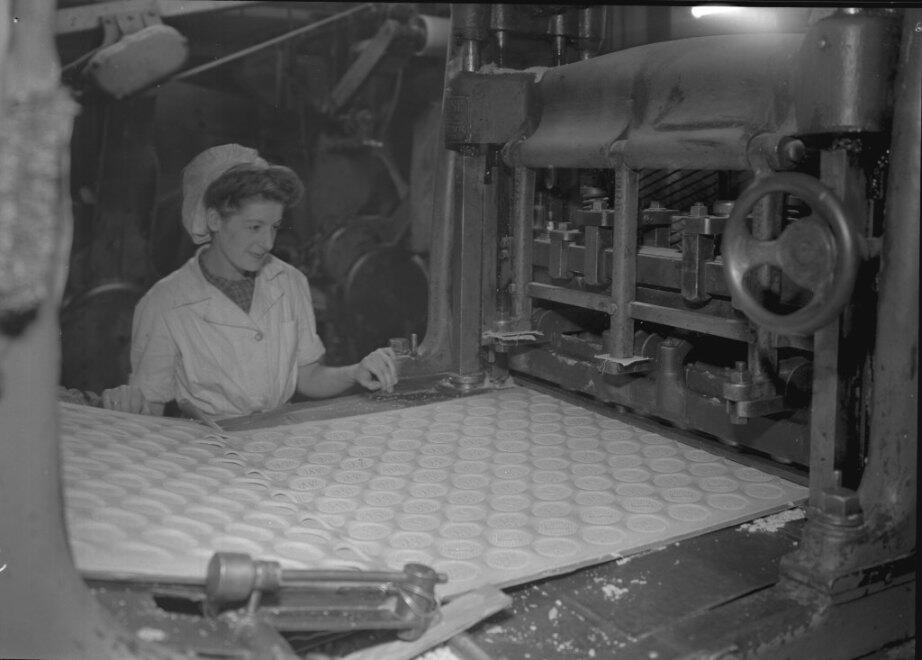
Prestley ties the theme of class to the way in which workers were treated a the time. For instance, Mr Birling talks about his employees as if they're nothing more than a problem, and when Eva and the others ask for a rise, he shuts it down immediately. The line about people like her asking “asking for the earth” clearly shows this sentiment.
How Priestley Shows Class in the Play
- Mr Birling treats his workers as replaceable and undeserving of better working conditions
- Mrs Birling judges Eva purely based on her background
- Eva’s struggle reflects how hard it was for a worker to stay afloat
References
- Social responsibility in An Inspector Calls - Themes - AQA - GCSE English Literature Revision - AQA - BBC Bitesize. (2023, March 30). BBC Bitesize. https://www.bbc.co.uk/bitesize/guides/zxcqycw/revision/2
- Key themes in An Inspector Calls - GCSE English Literature. (2025, June 30). Save My Exams. https://www.savemyexams.com/gcse/english-literature/aqa/17/revision-notes/3-modern-texts/an-inspector-calls/an-inspector-calls-themes/
- Hindson, L. (2025, October 7). Themes in an Inspector Calls | GCSE English Literature Revision Guide. TeachTutti. https://www.teachtutti.co.uk/blog/an-inspector-calls-gcse/
Summarise with AI:
Did you like this article? Rate it!

 Loading...