Unless you've been living under a rock, you’ve probably heard of climate change and are aware of some of the far-reaching consequences it could have for humanity. It’s a pressing issue that affects every person on earth, regardless of where they live, what their background is, and whether they’re rich or poor.
As such, properly understanding climate change is vital, especially for younger students who could one day find themselves in charge of thinking up solutions to new and ongoing climate change-related issues.
Below, we’ve put together an article that answers many of the most important questions about climate change - including what it is, what is causing it, and the steps we can take to lessen its disastrous effects on our planet.


What Is Climate Change and What Are Its Effects?
To put it very simply, climate change refers to ongoing changes in global temperatures and patterns that are happening around the globe. While there is evidence that climate change has occurred throughout the entirety of the planet's long history, recent trends have shown that humans are directly contributing to an accelerated and unnatural rate of change.
As a result, things like sea levels, severe weather events, and major shifts in ecosystems and wildlife populations are becoming more and more common - much to the concern of scientists and environmentalists the world over.
However, the most worrying of these changes stems from the ongoing warming of the earth's surface and atmosphere. Just over the last century, the average global temperature has risen by an astonishing 1.1°C, with the majority of this warming happening in only the last 40 years or so.
How Do Scientists Know Climate Change is Happening?
So how exactly are scientists aware that climate change is happening? Well, evidence can be traced all the way back to a time in history called the Quaternary period, which took place around 2.6 million years ago.
Using various scientific methods, experts have spent years in the field comparing historical climates to the ones taking place now by studying things like ice cores, sediment layers, and even tree rings. When it comes to these ice cores, scientists begin by drilling deep into polar ice caps and glaciers and then extracting cores that contain minute bubbles of ancient air.
By analysing the composition of these bubbles and looking at the levels of carbon dioxide and other greenhouse gases within, they can essentially paint a picture of what Earth's atmosphere and temperature were like hundreds of thousands of years ago.
Worryingly, these ice core samples have revealed that current levels of carbon dioxide have been unprecedented in the last 800,000 years, indicating there is a very real link between the rise of human activities and a steep change in climate trends.
What Are the Natural Causes of Climate Change?
While it’s undeniable that humans have played a huge role in climate change, it’s important to realise that natural factors also influence the earth's climate too. For example, changes in the earth's orbit and tilt, known as Milankovitch cycles sometimes affect the amount of solar energy reaching our planet - leading to periods of glaciation or warmer interglacial periods.
Alongside this, when a volcano explodes, vast amounts of ash and sulfur dioxide are then released directly into the atmosphere, reflecting sunlight and causing temporary cooling as a result. However, over longer periods, volcanic activity can have a warming effect on the climate as well.
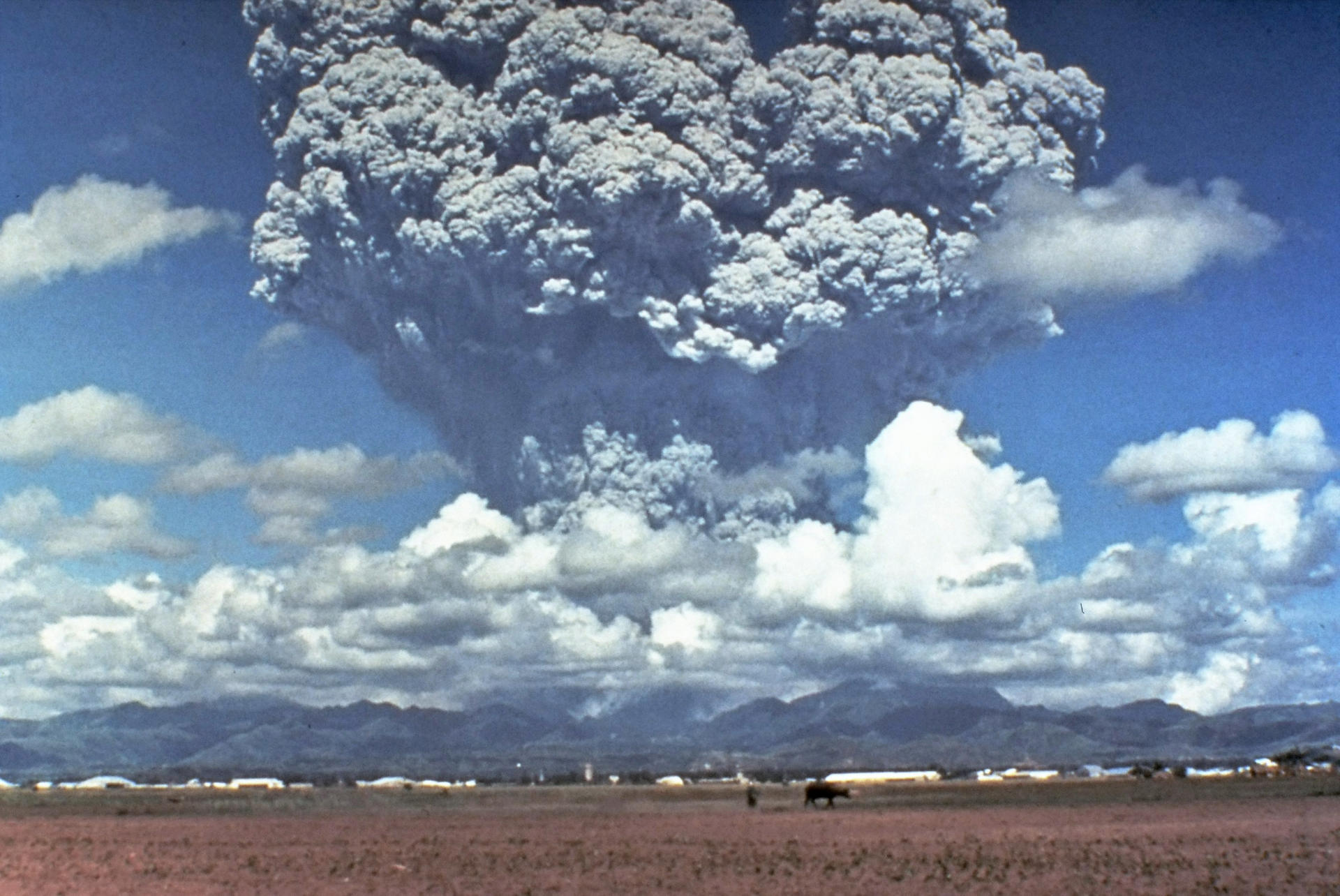
A particularly well-known example is the eruption of Mount Pinatubo in 1991, which actually caused a global cooling of about 0.6°C for the following two years.
Lastly, the sun is not a constant source of energy. Fluctuations in solar radiation, such as what occurred during the famous Maunder Minimum event in the 17th century, have also been associated with cooler global temperatures.
How Do Human Activities Contribute to Climate Change?
One of the main ways humans are affecting the climate is through our continued use of fossil fuels. Whenever we burn coal, oil, or natural gas for energy, we also release large amounts of C02 and other greenhouse gasses into the atmosphere. From here, the gases begin to trap heat and over time begin to cause the Earth's temperature to rise.
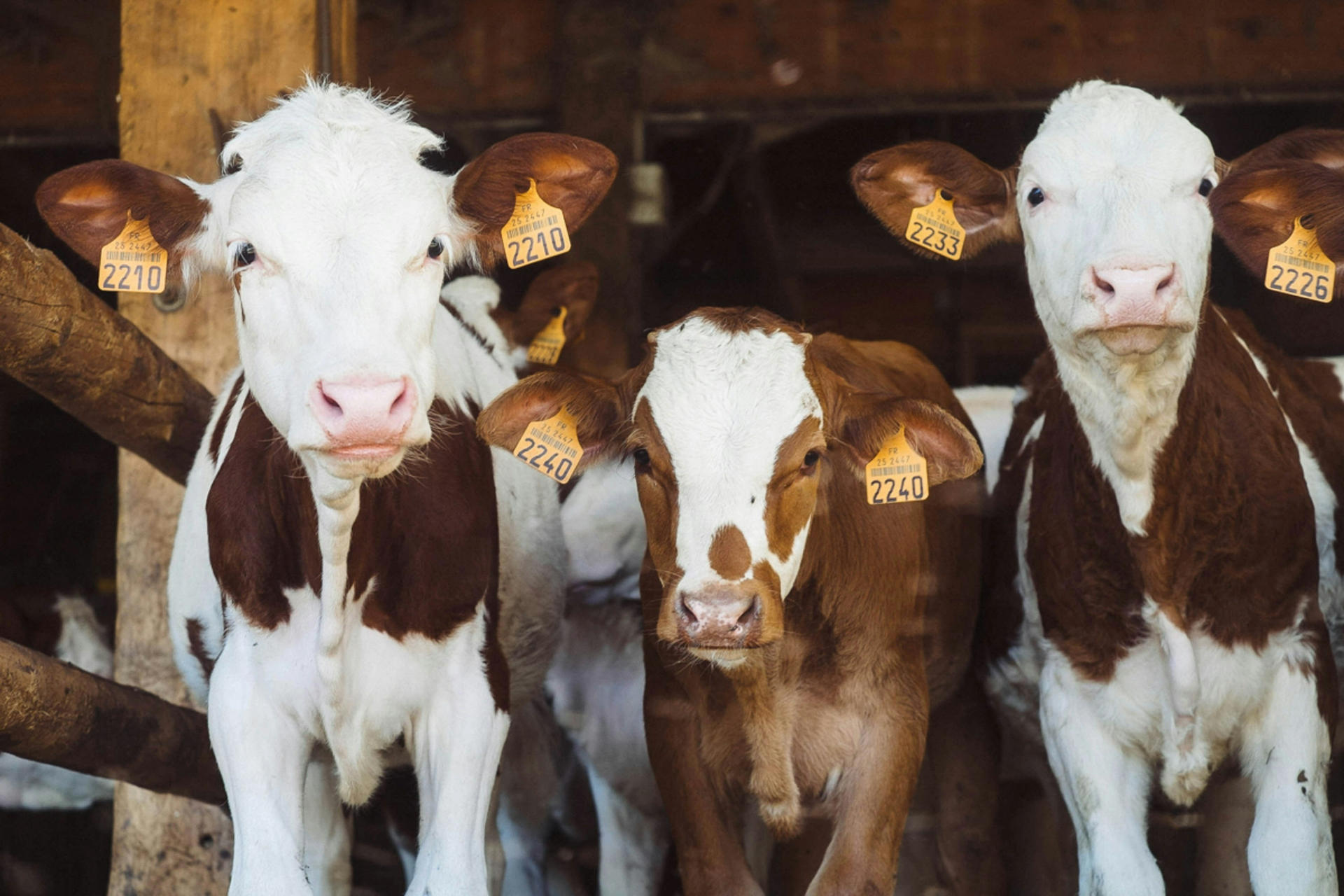
Additionally, another less well-known contributor to climate change comes from agriculture. In the pursuit of raising livestock for food and other purposes, methane gas is released into the atmosphere whenever the animals release gas.
While this might sound like a joke, it’s a well-known fact that cows and similar livestock animals actually contribute about 40% of methane emissions per year.
But the bad news doesn’t end there, deforestation is another major issue as well. By cutting down large swathes of forest, we actually prevent trees from absorbing C02 from the atmosphere - one of planet Earth's methods of maintaining its delicate ecological balance.
Effects of Climate Change on People and the Environment
As climate change continues, so do the impacts on human society and the natural world. Firstly, sea levels are continuously rising and immense swathes of ice caps and glaciers are melting at a faster rate than ever recorded.
Because of this, coastal communities, especially low-lying areas and island nations are increasingly feeling the effects of severe flooding and erosion. Sadly, for some areas of the world, it’s only a matter of time before they are lost under the sea forever.
But rising sea levels aren't the only consequence of a warming planet either. Severe weather events like hurricanes, heatwaves, and heavy rainfall are also becoming more common too. Additionally, as temperatures change, many species of animals are beginning to shift their ranges in search of more suitable conditions while others are unable to adapt and are at major risk of extinction.
How Can We Manage Climate Change?
Thankfully, there are two main approaches we can take to better deal with climate change - mitigation and adaptation.
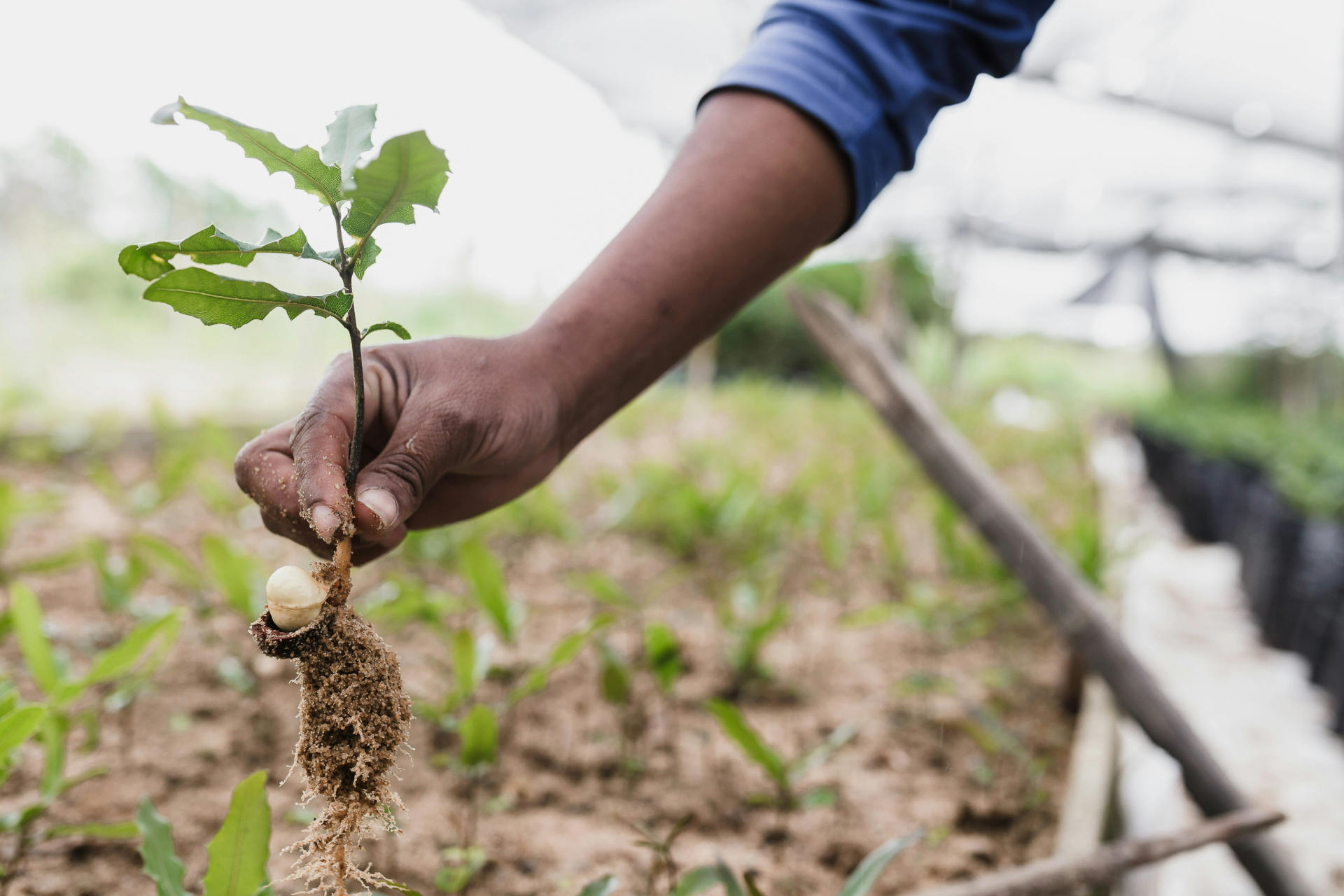
The former focuses on tackling the root causes of climate change by drastically reducing how much greenhouse gas is being released into the atmosphere. How can this be achieved? Swapping to cleaner energy sources like solar and wind power, planting more trees so they can absorb carbon dioxide, and making use of new tech designed to capture or reduce emissions from factories and power plants can make a huge difference overall.
Next, we have adaptation. This method is all about dealing with the effects of climate change that are too late to stop and are already in the process of happening right now. For example, in order to keep crops alive, certain farmers may have to start planting crops that are more suited to warmer climates. Similarly, the rapid creation of sea walls and flood-resistant buildings and shelters can also help countries facing rising sea levels as well.
Conclusion
In conclusion, climate change is a serious threat to our planet and the lives of people all around the world. Caused by activities like the burning of fossil fuels and deforestation, the effects of climate change have led to rising temperatures, extreme weather events, and many other serious consequences worldwide.
Thankfully, all is not lost. With the help of mitigation and adaptation strategies, we do have a chance of reducing the severity of climate change and the potential ramifications it has for further generations.
Summarise with AI:
Did you like this article? Rate it!

 Loading...