Cold environments present a massive challenge for communities and serve as part of the delicate balance of life.
We often hear stories about cold environments that show the impact of humankind, such as polar ice caps melting. This should be a huge cause for concern and shows the fragility of these ecosystems.
Polar, tundra, and other cold environments have their own unique set of characteristics which we’re exploring in this guide. If you are studying for GCSEs this could be a very useful overview of the living world and its cold environments.


The Characteristics of Cold Environments
The main thing you may note about these environments is the temperature. Often well below freezing, with long, harsh winters and short, cool summers. The average annual temperature can be as low as -30°C in some regions. Canada is often touted as the coldest country on earth and faces these tough conditions.
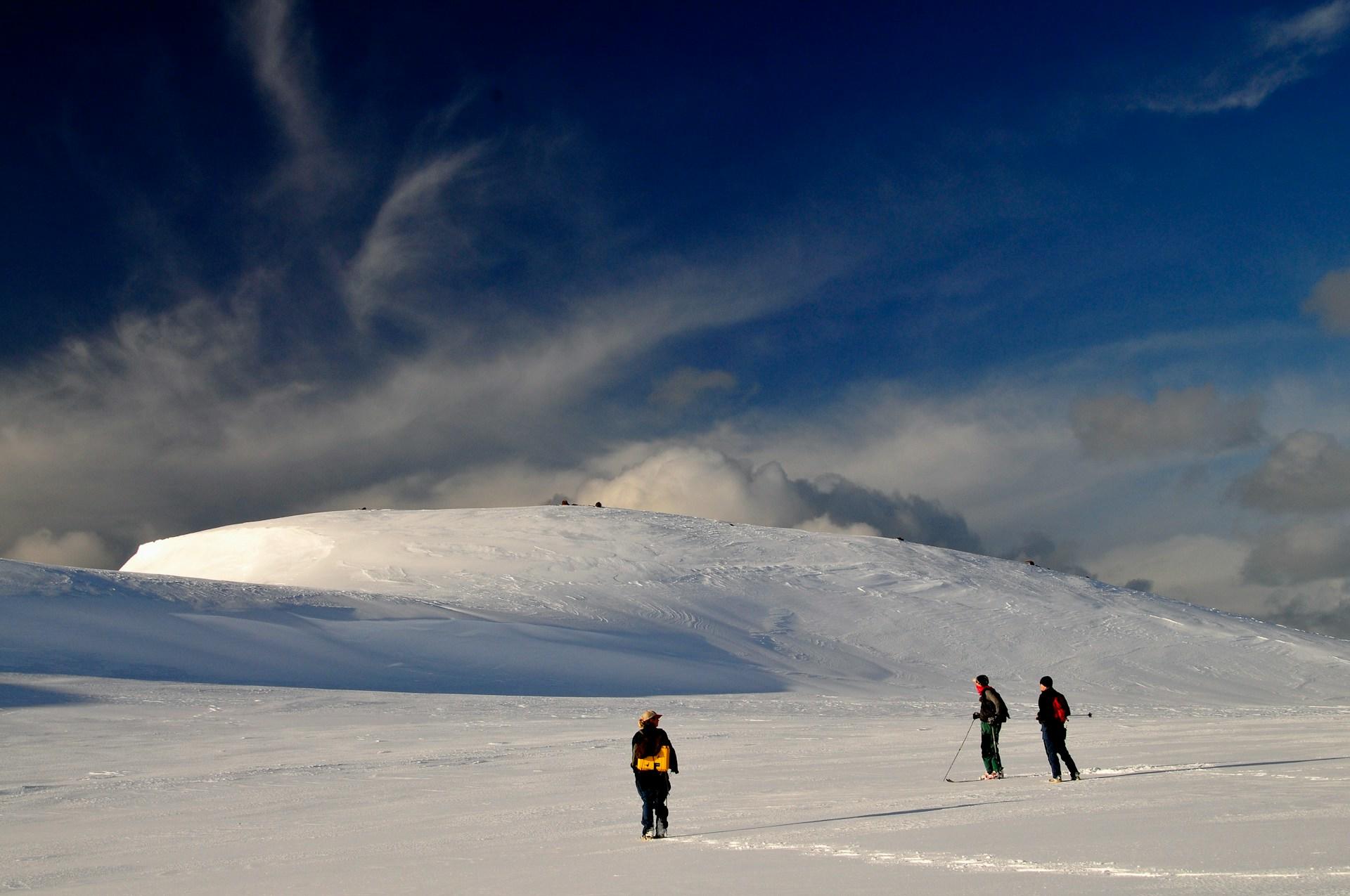
Persistent snow cover and extensive ice formations, including glaciers, icebergs, and permafrost. Permafrost, a layer of permanently frozen ground, can extend hundreds of metres below the surface.
Many cold environments are technically deserts because they receive less than 250mm of precipitation annually, mostly in the form of snow?
The lack of precipitation contributes to already tough growing conditions. There are just periods during the summer when temperatures rise enough to support plant growth, often just a few weeks. Hardy plants and crops are required in order to ensure something grows, and there is also a reliance on other food sources.
Animal life includes species adapted to the extreme cold, such as polar bears, Arctic foxes, and various bird species. These animals depend on the sparse vegetation and each other for food, forming a delicate food web. Over thousands of years, animals have learned to cope with the conditions. However, with climates changing, some animals have been spotted changing their behaviours. Some birds have even stopped migrating altogether.
Challenges are met by the indigenous populations, too, many of which have traditionally adapted to these harsh conditions by developing specialised skills and knowledge. Modern human activities, including resource extraction and tourism, can significantly impact the fragile ecosystem.
Development in Cold Environments
Challenges and Opportunities
Some countries with cold environments are seeing opportunities for development. Cold, polar, and tundra environments offer several development opportunities due to their unique resources and landscapes. These opportunities include mineral extraction, energy production, fishing, and tourism.
The potential for energy production in cold environments is substantial. Besides fossil fuels, these regions also have significant potential for renewable energy sources. For instance, Iceland harnesses geothermal energy, while wind and hydroelectric power are viable in many cold regions due to their vast open spaces and abundant water resources. Sweden has the biggest wind farm in the whole of Europe, and this provides power that could potentially run 1.5 million homes.
The cold oceans and seas around the Arctic and Antarctic are some of the richest fishing grounds in the world. Species like cod, haddock, and shrimp are abundant and form the basis of substantial fishing industries. Sustainable fishing practices in these regions can provide a continuous source of food and economic activity, but they must be sustainable.
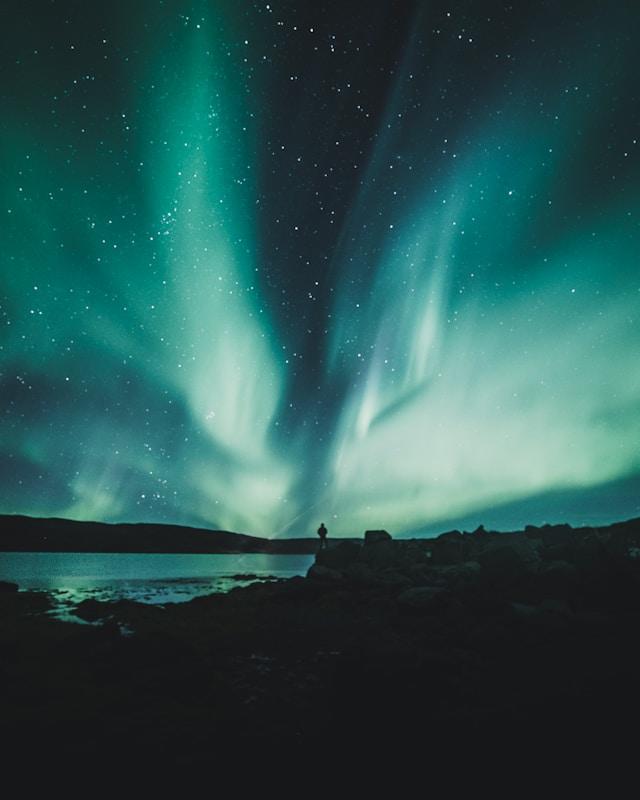
Northern lights image by Luke Stackpoole
Cold environments offer unique tourism opportunities, including wildlife watching (such as polar bears, whales, and numerous types of birds), experiencing indigenous cultures, and participating in adventure activities like dog sledding, ice fishing, and Northern Lights viewing.
Tourism can bring significant revenue and jobs to local communities, but it also risks making huge changes to the countries in question. Norway is a country where tourism is booming, and it is 10% higher than it was before the COVID-19 pandemic.
There are many challenges to development in these areas. Of course, we see plenty of examples of highly-developed countries where temperatures can be low, but that doesn’t mean it is easy to make developments.
The harsh climate in cold environments poses a significant challenge. These extreme conditions can hinder the construction, maintenance, and operation of facilities. Workers face health risks such as frostbite and hypothermia, and machinery can fail in the intense cold, increasing the cost and complexity of development projects.
Many cold environments are remote and difficult to access. Limited transportation infrastructure, such as roads and airports, can make it challenging to transport goods and people. For example, ice roads are only usable during the winter months, and ships may need icebreaker escorts to navigate through frozen waters, further complicating and increasing the cost of logistics.
The Risks to Our Cold Countries
Cold environments are at risk from economic development and change, as well as the human impact of climate change.
Many cold environments are home to indigenous peoples with rich cultural traditions. These communities have deep connections to the land, relying on it for their livelihood and cultural practices. On top of this, the countries offer a huge amount in terms of flora and fauna and must be protected.
In order to ensure that these polar and tundra countries are protected:
- Governments can implement strict environmental regulations to control resource extraction, pollution, and land use. This includes setting limits on emissions, enforcing sustainable practices, and protecting critical habitats.
- International agreements, such as the Paris Agreement, aim to combat climate change by reducing greenhouse gas emissions. These agreements can have direct benefits for cold environments by mitigating global warming.
- Advances in technology can minimise environmental impact. For example, directional drilling reduces the surface footprint of oil extraction, and enhanced oil recovery techniques can lessen the need for new drilling sites.
Preserving cold climates is essential, but it is one area that has caused a lot of controversy. Modern technology needs to help to ensure that the industry that operates in these areas is sustainable and prioritises local wildlife and communities.
List three challenges that colder climates are facing.
What are three examples of cold environments?
How can technology help us to preserve these areas?
Summarise with AI:
Did you like this article? Rate it!

 Loading...