Ever wondered why the ground shakes during an earthquake or how volcanoes erupt so forcefully? Good news, you’ve definitely in the right place!
In the following article, we're diving headfirst into the fascinating and sometimes terrifying world of tectonic hazards. These natural events are all about the dynamic processes happening beneath the Earth's surface, and understanding them is crucial for any student who’s looking to ace their upcoming GCSE geography exams.
Keen to find out more? Stay tuned as we explore the amazing and powerful forces that have been shaping our planet for millions of years!


What are Tectonic Hazards?
Tectonic Hazards are natural events caused by the sudden movement of the Earth’s tectonic plates. Located deep underground and floating on a semi-fluid layer, these plates are essentially massive slabs of rock that make up the Earth's crust and upper mantle.
Constantly moving, albeit at a very slow rate, these plates occasionally come into contact. Unfortunately, the results of these interactions can often be catastrophic for the people living in immediate or surrounding areas. For example, earthquakes, volcanic eruptions, and tsunamis are all potential outcomes of these tectonic movements.
How Do Tectonic Plates Move?
The movement of tectonic plates is driven by the intense heat from Earth's interior, which creates convection currents in the mantle. From here, these currents then push the plates around bit by bit, averaging around a few centimetres per year at the max. While this might sound incredibly slow, these seemingly tiny changes in the position of the plates are enough to build up immense stress over time.
Additionally, there are three main types of boundaries where tectonic plates interact - destructive, constructive and conservative. What’s the difference between the three?
🟩Constructive
occur when plates move apart
🟥 Destructive
occur when plates move towards each other
🔵 Conservative
occur when plates slide past each other
Well at destructive boundaries, plates move towards each other instead of apart. When an oceanic plate meets a continental plate, the denser oceanic plate is forced beneath the continental plate in a process known as subduction.
On the other hand, constructive boundaries only happen when plates move apart. Generally, this process occurs along mid-ocean ridges, where new crust is formed as magma rises from below the Earth’s surface.
Last on the list are conservative boundaries, which are essentially when plates slide past each other horizontally. At times, this lateral movement can result in significant friction which prevents the plates from gliding smoothly and often leads to earthquakes.
What Causes Earthquakes?
Earthquakes happen when the stress built up along the plate boundaries are suddenly released. This release of energy then creates seismic waves that travel through the Earth, shaking the ground above in the process.
Scientists refer to the point within the earth where the earthquake originated as the focus, while the point directly above it on the surface is called the epicentre. Generally, the epicentre is where the largest effects of the earthquake are felt, with this often resulting in most significant damage caused by the quake overall and the highest number of casualties.
However, each and every earthquake is different and they can vary greatly in magnitude and overall potential for destruction. While it’s pretty common for people to sleep through smaller quakes, larger ones can be powerful enough to topple buildings or even cause large cracks to open within the ground.
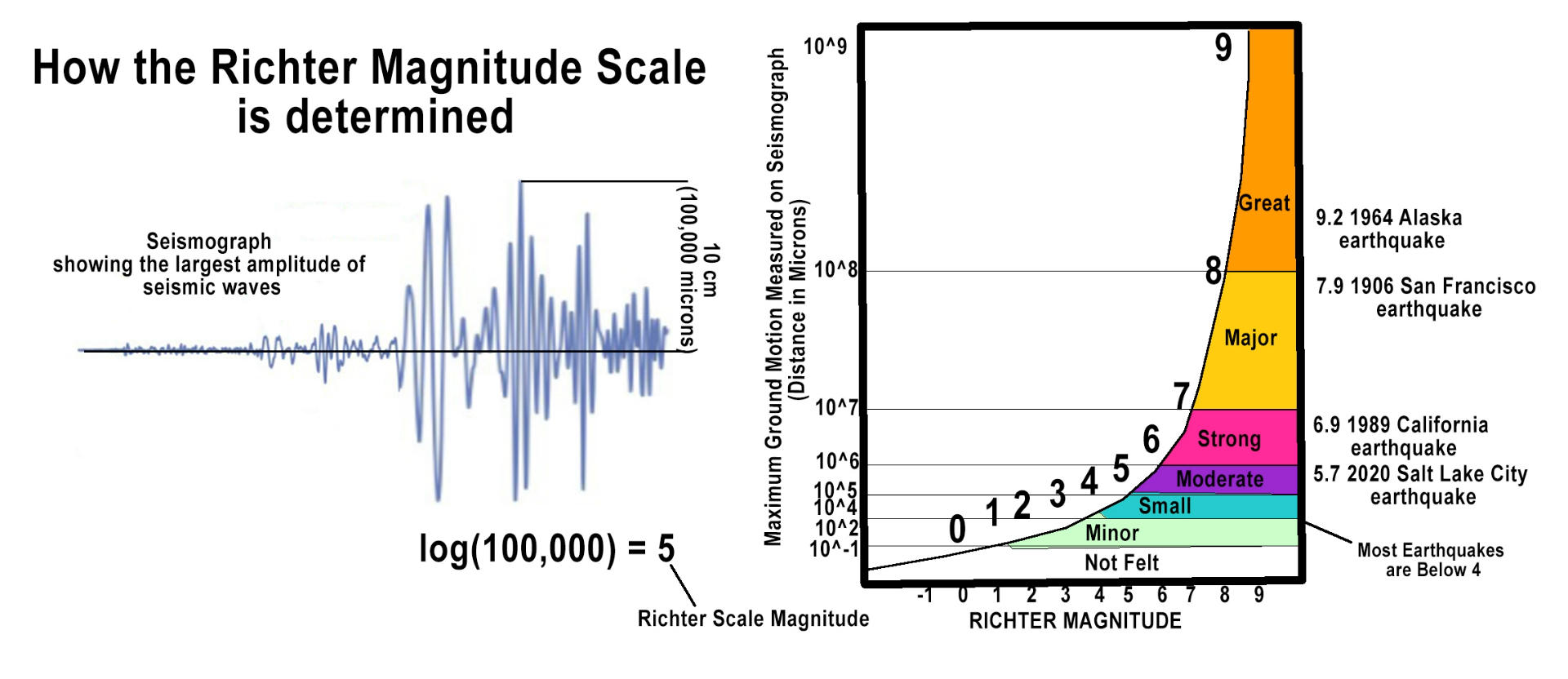
All in all, the level of destruction depends on the depth of the earthquake, whether the epicentre is located close to highly populated areas, and whether local infrastructure is built with earthquake protection in mind. By using the Richter scale, experts are able to measure the magnitude of earthquakes and get a rough idea of their energy release and their potential for wide scale destruction.
Why Do Volcanoes Erupt?
Volcanoes erupt when magma from within the Earth's mantle forces its way to the surface. This can happen at both constructive and destructive plate boundaries, as well as at hotspots - areas where plumes of hot mantle material rise towards the crust.
There are actually several types of volcanic eruptions, each with their own unique characteristics. For example, effusive eruptions are generally less destructive and involve relatively gentle flows of lava, as seen in shield volcanoes like those found in Hawaii.
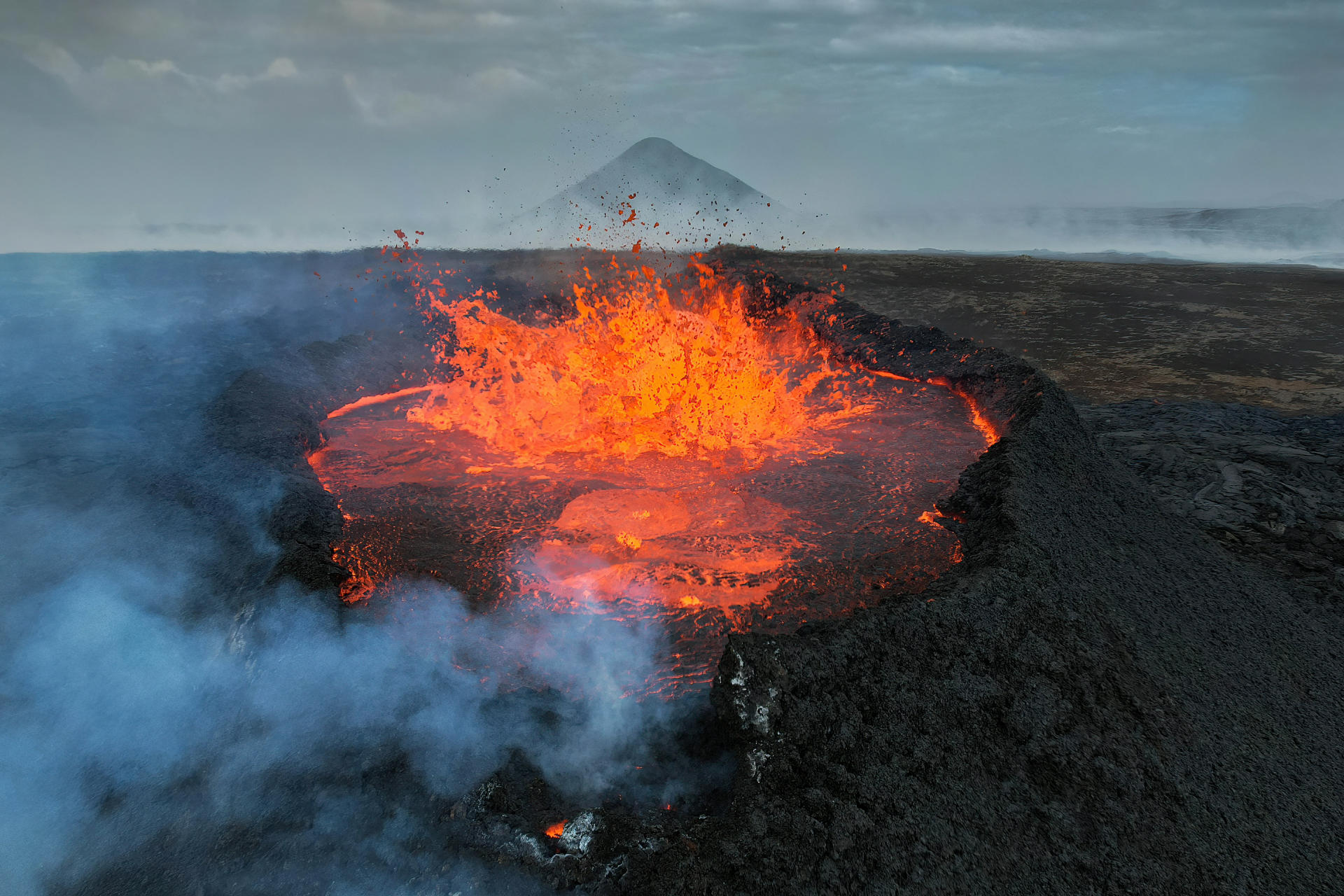
In contrast to this, explosive eruptions are much more violent as the name suggests, with ash, gas, and volcanic bombs (a type of molten rock) being ejected hundreds of metres into the air during these events.
How Do Tectonic Hazards Affect People and the Environment?
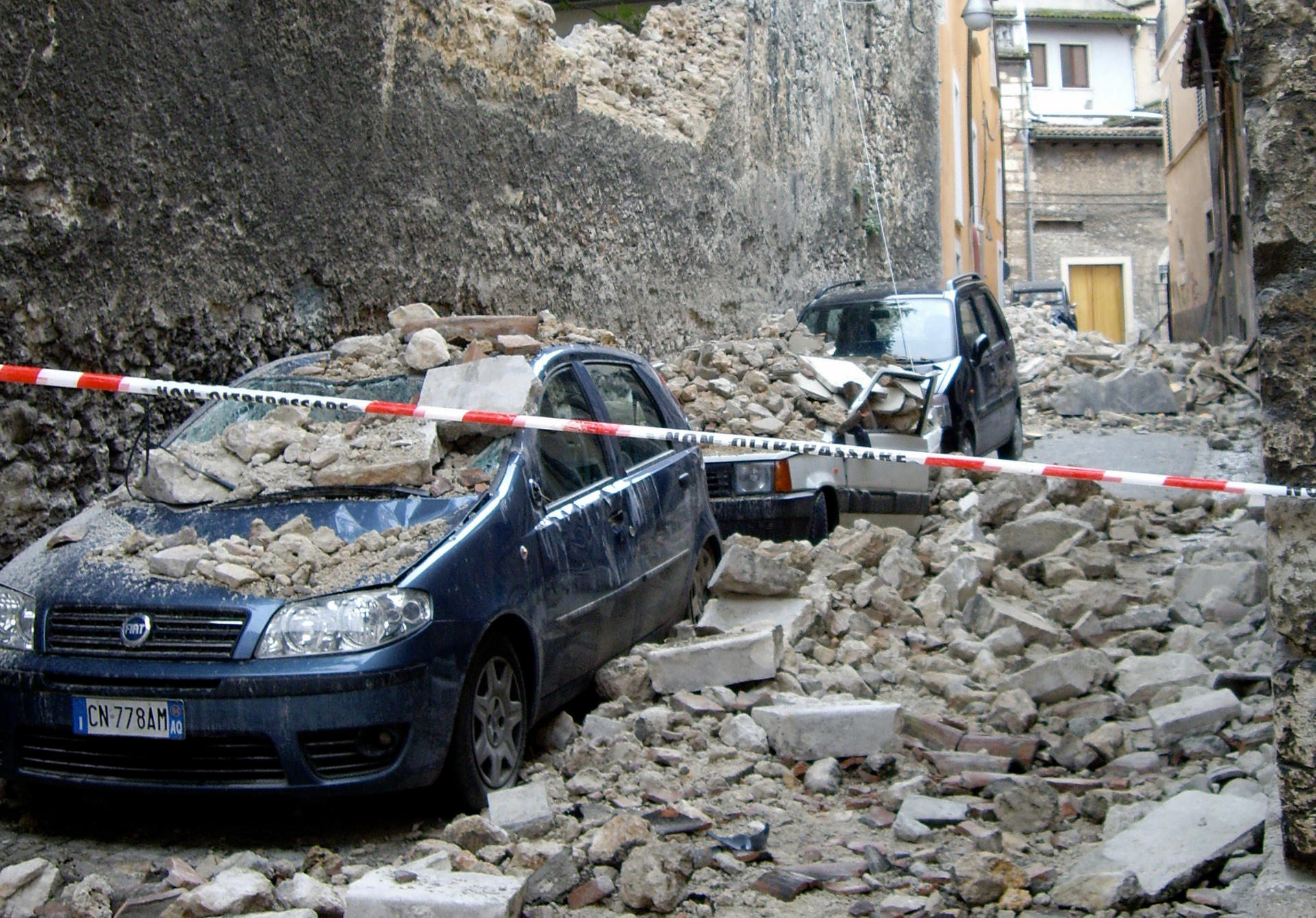
Sadly, tectonic hazards can have huge and long-lasting effects on both people and the environment. For instance, earthquakes have the power to completely obliterate houses and important infrastructure, and cause massive loss of life. To make matters worse, they can sometimes also trigger secondary hazards like landslides and tsunamis, resulting in further destruction and deaths amongst those already reeling from the initial disaster.
Similarly, volcanic eruptions can also be just as dangerous, burying entire villages and towns under ash, destroying vast swathes of crops, and contaminating water supplies. However, there are some positives associated with volcanic eruptions - they can create fertile soil and new land, as seen in places where they have occurred in the past like in Iceland and Hawaii.
What Are the Primary and Secondary Effects of Tectonic Hazards?
The aftereffects of tectonic hazards can be split into two distinct categories - primary and secondary effects. The first of these centres around the immediate destruction being caused by the hazard - like buildings crumbling, roads splitting apart and lava engulfing homes and farmlands.
However, after the initial destruction has come to an end, secondary effects can be just as disastrous as well.
For example, things like fire breaking out due to broken gas lines or landslides occurring days later are all too common following a severe earthquake. Sadly, these secondary effects often prolong the suffering of the affected communities and make recovery even more challenging.
What Role Does Wealth Play in a Country's Response to Tectonic Hazards?
The way people respond to tectonic hazards, like earthquakes and volcanic eruptions, can differ exponentially depending on how rich or poor the area is.
Right after a disaster hits, the priorities are usually trying to find and save survivors who might be trapped, getting medical help to injured people as fast as possible, and making sure everyone has a safe place to stay and enough to eat.
However, in wealthier countries, there are usually more resources and infrastructure available for a swift response. For instance, the immediate response to the 2011 Tōhoku earthquake and tsunami in Japan involved rapid deployment of search and rescue teams and extensive international aid.
In contrast, poorer countries may struggle with long-term recovery due to limited resources. Take Haiti, which has been battling to recover long after the 2010 earthquake, due to ongoing political struggles, poverty and other related challenges.
Why Do People Live in Areas With Tectonic Hazards?
Despite the risks, many people around the world continue to live in areas where tectonic hazards are fairly frequent or even expected. While this might seem crazy to us, the reality is that many of these areas offer great economic opportunities for local residents.
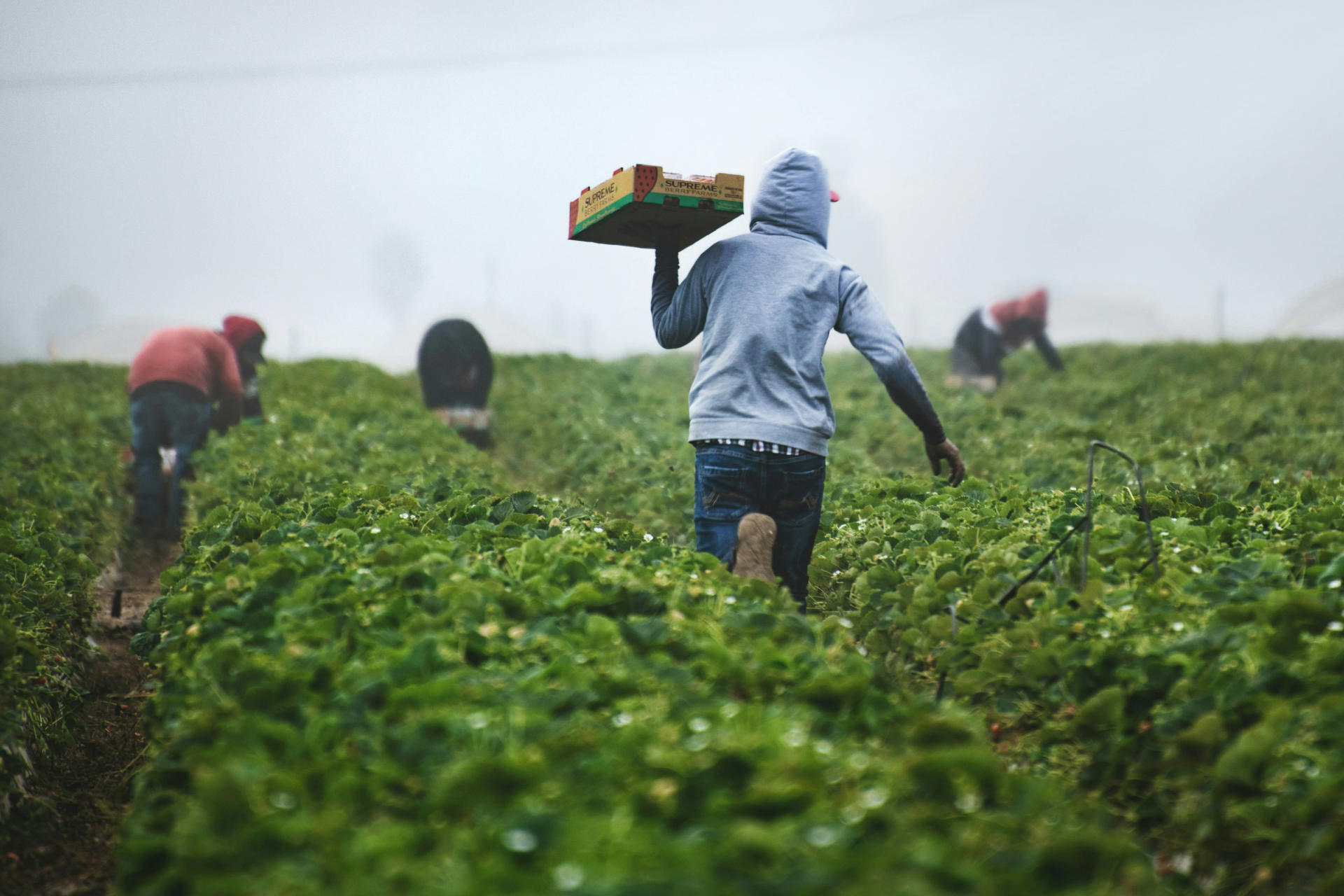
For instance, the land around volcanoes is often fertile and perfect for growing crops, while areas prone to earthquakes are usually also home to valuable mineral resources like gold, copper, and diamonds.
Additionally, cultural and historical significance also plays a role in why people stay in these hazard-prone areas too - Many communities have deep-rooted cultural ties to their land, with generations of families having lived there.
Conclusion
In conclusion, tectonic hazards are an integral part of how the planet works. While natural events like earthquakes and volcano eruptions, caused by the shifting of underground tectonic plates, do cause severe damage and loss of life, they also often create new fertile resources and land.
Unfortunately, how communities deal with the effects of these hazards depends on whether they come from a wealthy or poor background. Additionally, while it can be risky, many people still choose to live in these areas due to the various financial opportunities available, as well as cultural reasons.
Summarise with AI:
Did you like this article? Rate it!

 Loading...