Hello, geography enthusiasts! Today, we’re taking a look into the fascinating topic of natural hazards, one of nature’s most fearsome and awe-inspiring phenomena.
All across the planet, natural hazards regularly interfere with everyday life, causing destruction, disrupting communities, and creating huge and often long-lasting challenges for society.
From the mighty force of earthquakes to the devastating impact of floods and the fury of wildfires, these events remind us of the raw power of the natural world and the importance of understanding and preparing for their effects.
In the following article, we’ll explain exactly what natural hazards are, the different types that exist, and the factors that play a role in what risks they pose. So, let’s get started!


What is a Natural Hazard?
Simply put, a natural hazard is any naturally occurring event or process that can or has the potential to cause harm to people, damage property, and disrupt the environment.
Natural hazards come in all different shapes and sizes and originate from a wide range of sources - including geological processes, weather phenomena, or even dangerous biological agents.
Interestingly, these events have been a part of our Earth’s history from the very beginning. For example, the dinosaurs were wiped out by a massive asteroid impact, while the famous Roman city of Pompeii was buried in lava and ash due to the eruption of Mount Vesuvius.
Unfortunately, natural hazards are still an issue in modern times too, with communities around the world regularly having to rebuild after experiencing the large-scale destruction caused by earthquakes, tornadoes, hurricanes and wildfires.
What Are the Different Types of Natural Hazards?
As mentioned above, there are multiple forms of natural hazards, each of which comes with its own characteristics - let’s discuss some of the most common types together.
Firstly, there are Tectonic Hazards which originate from underground processes taking place within the Earth.
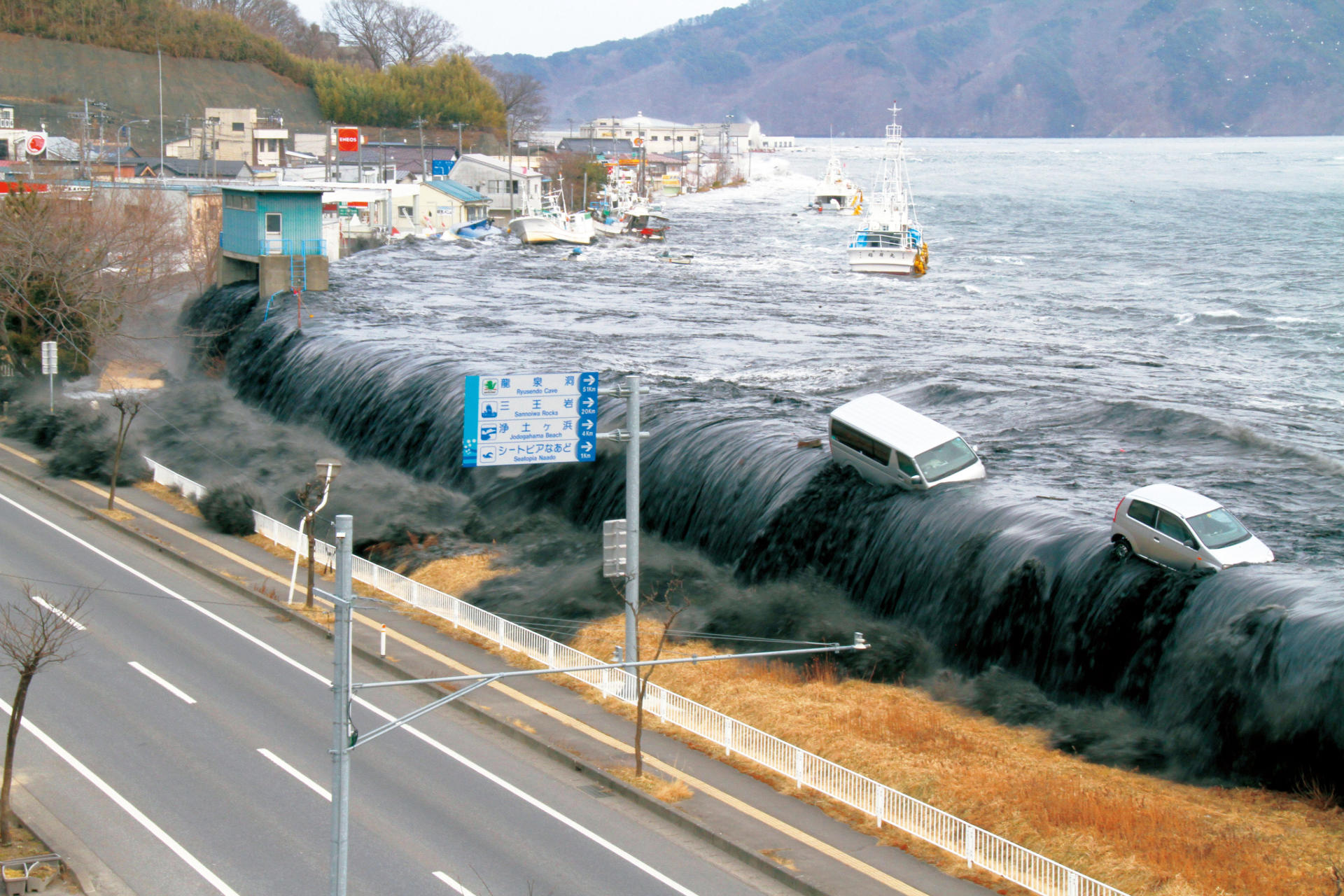
Generally, the most common types of Geological hazards include things like earthquakes, volcanic eruptions, and tsunamis.
Unfortunately, the aftermath of these hazards can often be incredibly devastating due to their sudden nature and how difficult it is to predict when they might occur.
Next, there are Climatic hazards, which as the name suggests, are closely linked to both water and weather phenomena. Hazards like floods, hurricanes, tornadoes, droughts, and extreme temperature events fall into this rather broad category.
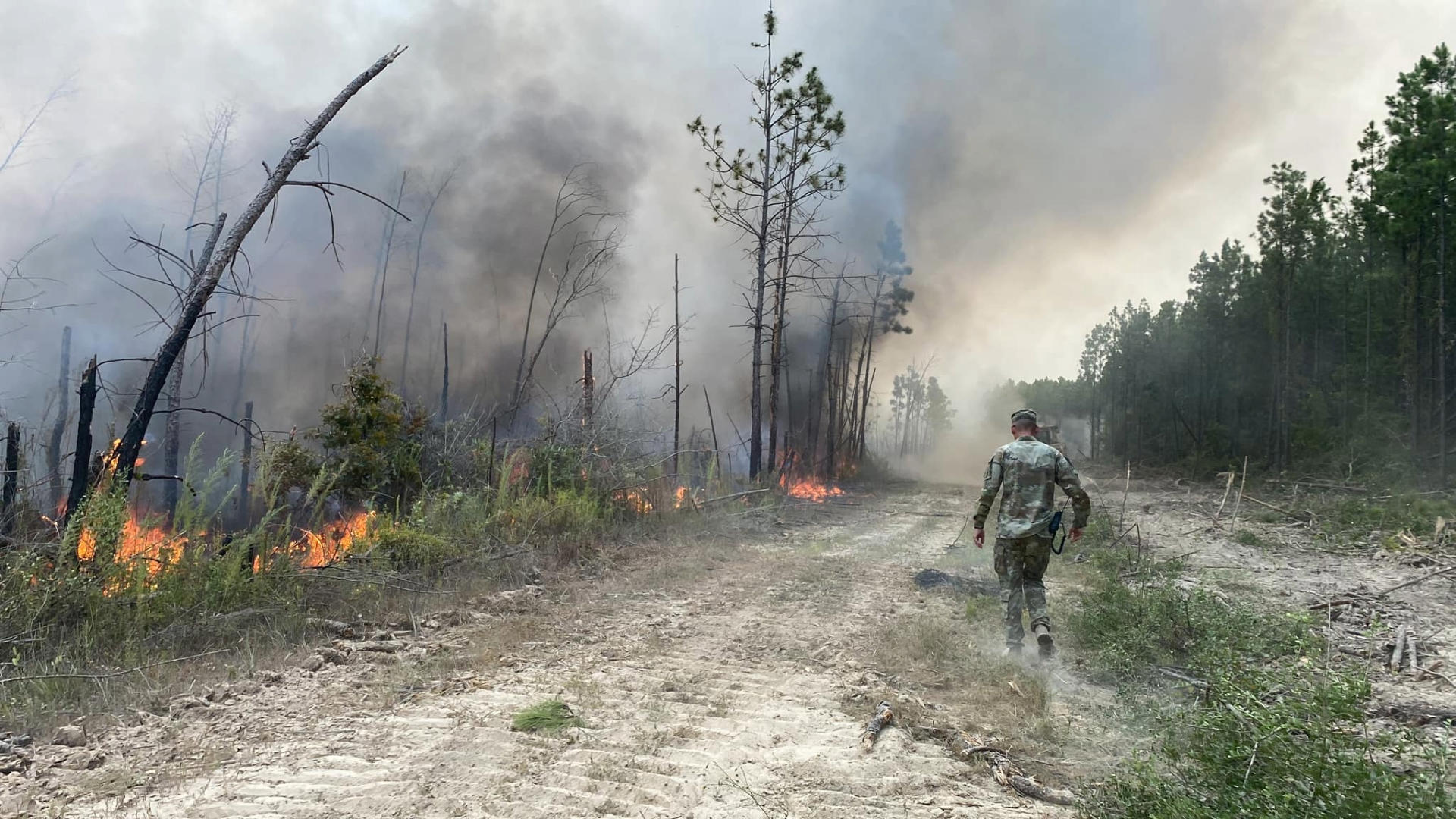
Unfortunately, the effects of climate change have resulted in a major increase in how frequent and intense these hazards are, with the California and Australian wildfires of recent years being two worrying examples of this.
In addition to geological and climatic hazards, there are also biological hazards, which are generally caused by living organisms or their by products.
These include outbreaks of infectious diseases, such as the COVID-19 pandemic, as well as infestations of pests or invasive species that can harm crops and natural ecosystems.
Biological hazards can have significant impacts on public health, agriculture, and biodiversity, often requiring coordinated efforts to control and lessen their effects.
What Factors Can Influence the Risk Of Natural Hazards?
Several key factors play a role in determining the level of risk posed by natural hazards. And of the biggest of these is location - for example, areas situated near tectonic plate boundaries, are at much higher risk of earthquakes compared to other more geologically stable regions.
Additionally, there’s also population density to consider as well. The higher the concentration of people in the area where the natural hazard is taking place, the more likely the death and injury toll will be higher.
Additionally, whether or not an area has warning systems in place and buildings and infrastructure designed to deal with natural hazards can make a huge difference as well.
In countries like Japan, many buildings are built to withstand the shaking caused by earthquakes. While in America, towns or cities equipped with strong dams, levees, and storm shelters are usually way better protected against floods or tornadoes than the areas that lack them.
Money and resources are another piece of the puzzle too. Generally wealthier countries usually have more cash to spend on things like strong buildings, emergency planning, and recovery efforts after a disaster strikes. But for poorer communities, it's often a different story. They might not have the funds to prepare as well or bounce back as quickly, which can make the impact of a natural hazard much worse.
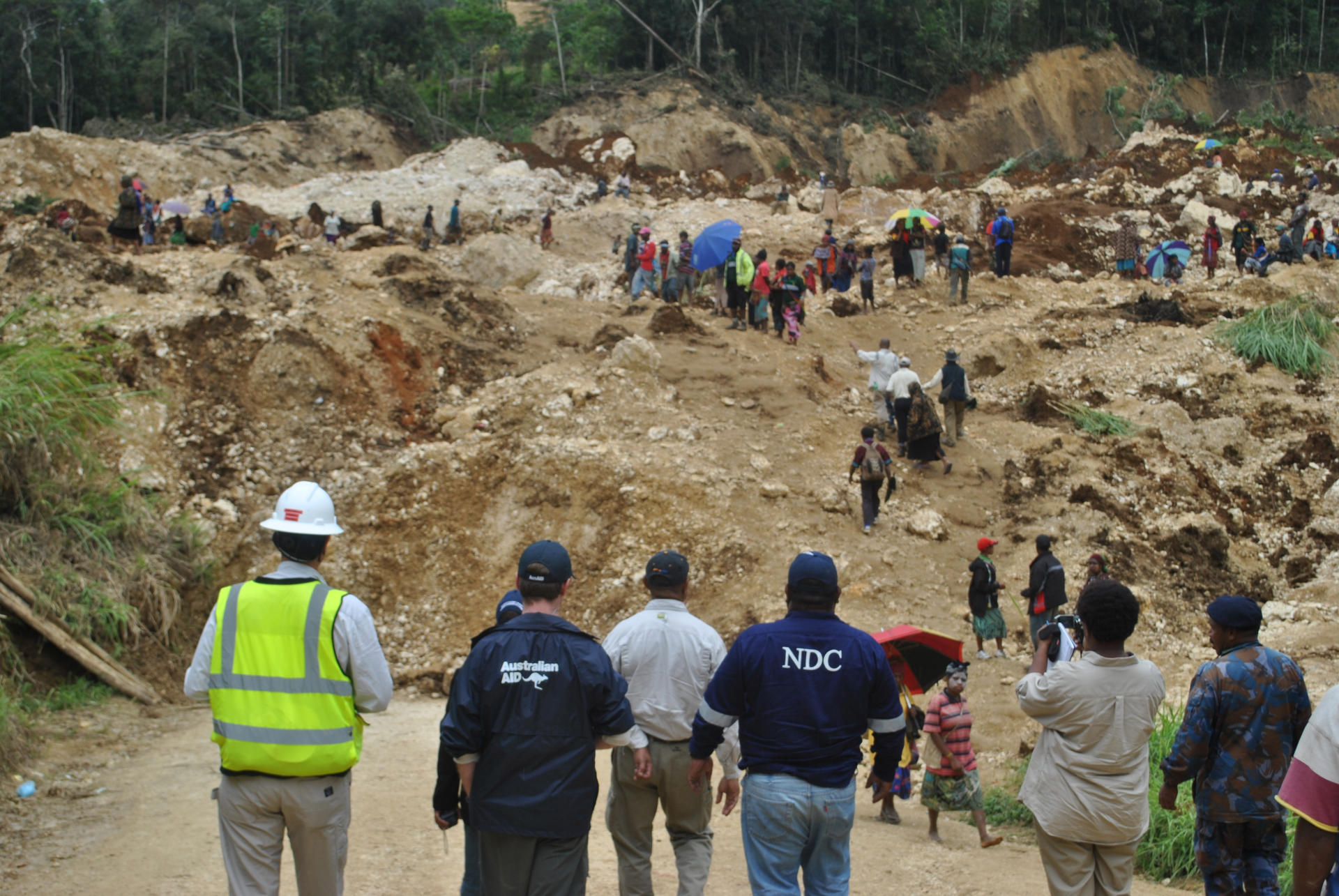
And then there’s also the environment. For example, if a lot of trees in one area are felled, that naturally raises the risks of landslides occurring due to the lack of tree roots holding the soil together and keeping it stable.
Why Is it Important To Understand Natural Hazards?
So, why is it so important to learn about natural hazards? Well, there are plenty of reasons. First and foremost, when people make an effort to really understand the risks they face, they can prepare themselves and their communities much better for potential disasters.
This means having emergency plans ready to go, practising safety drills regularly so everyone knows what to do, and investing in infrastructure that has a higher chance of withstanding the effects of natural hazards.
Likewise, being educated about hazards can also help us make smarter decisions about where we build our homes and other vital infrastructure.
If you know an area is prone to flooding or landslides, you would probably think twice about constructing a new development there, right? Understanding the risks allows for better land use planning and development decisions, so we're not putting people and property in harm's way unnecessarily.
Conclusion
Simply put, natural hazards are powerful, naturally occurring events that can cause significant harm and disruption. From geological hazards like earthquakes and volcanic eruptions to climatic events such as floods and hurricanes, these phenomena pose ongoing challenges all over the world. By understanding the types and risks of natural hazards, as well as the factors that influence their impact, people have a better chance of preparing themselves for when disaster strikes.
Summarise with AI:
Did you like this article? Rate it!

 Loading...