The world faces many challenges, and hot topics that are discussed a lot include things like climate change and dwindling resources, but people also need to understand the challenges brought about by urbanisation.
This refers to the process by which an increasing percentage of a population lives in cities and towns, and is one of the most significant trends in the human environment.
Over half of the world’s population now resides in urban areas, and this is expected to rise even further in the coming decades. While urban growth offers numerous opportunities, it also presents significant challenges, including in Low Income Countries (LICs) and Newly Emerging Economies (NEEs).


Opportunities and Challenges in LICs and NEEs
Urban growth in LICs and NEEs is driven by two main factors: natural increase (the difference between birth rates and death rates) and migration.
Many cities in these countries experience rapid population growth due to high birth rates and an influx of people from rural areas or from other countries seeking better opportunities.
Case Study: Lagos, Nigeria
Lagos, Nigeria, exemplifies the dual nature of urban growth. As one of the fastest-growing cities in the world, Lagos faces both opportunities and challenges.
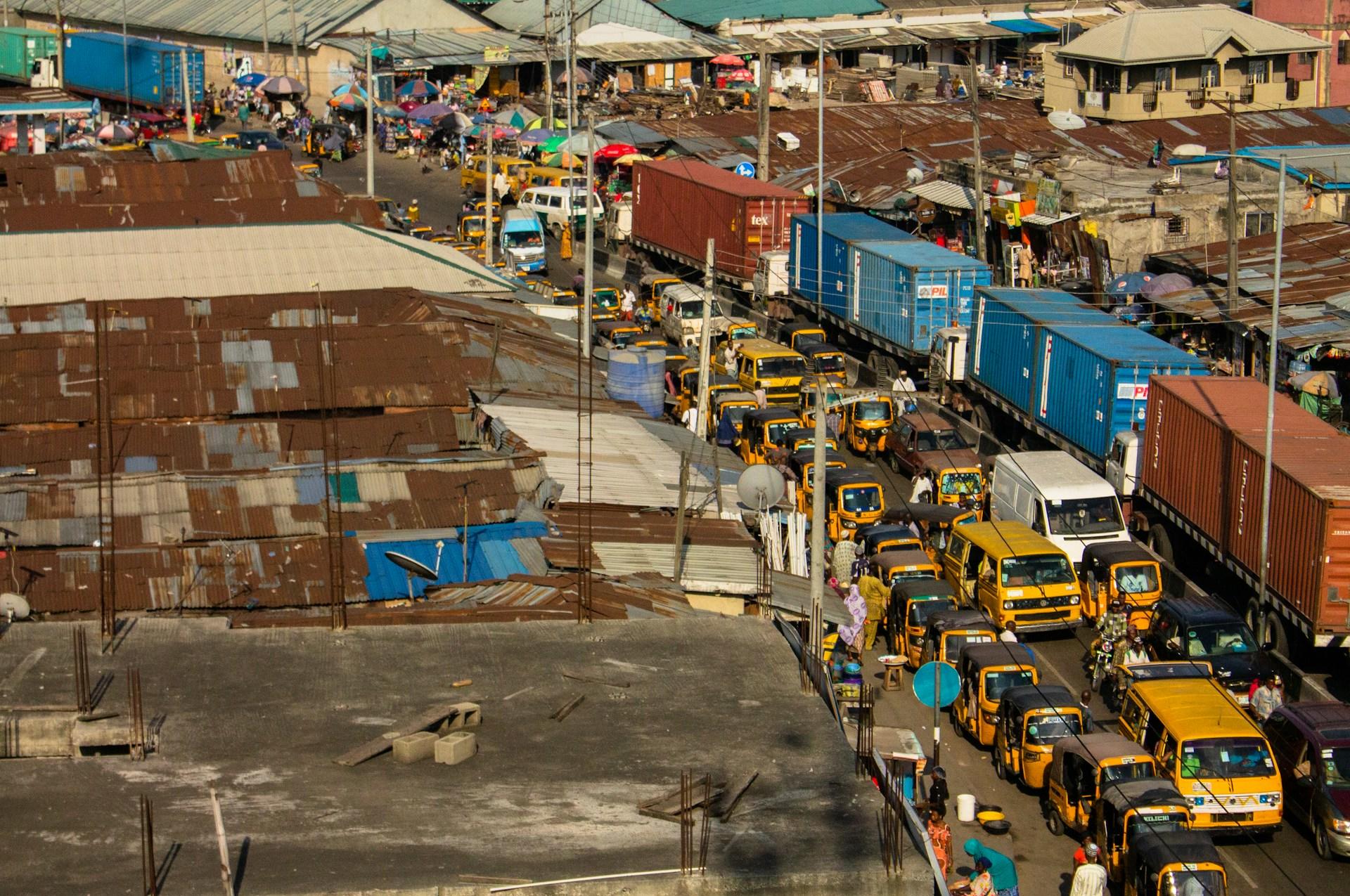
Opportunities created by this growth include urban areas providing better access to health and education services. In Lagos, the concentration of hospitals and schools means that more people can access healthcare and education than in rural areas. For example, the establishment of teaching hospitals and numerous primary and secondary schools in Lagos has improved health outcomes and literacy rates.
Urbanisation can improve access to essential resources like water and energy. Lagos has initiated various projects to improve water supply and electricity distribution, which are more challenging to implement in scattered rural communities.
Urban areas, with their dense populations and infrastructure, are hotbeds for economic activity. Lagos's urban industrial areas have attracted businesses and industries, providing employment and stimulating economic growth. The city’s port, one of the largest in Africa, is a crucial hub for trade, further driving economic development.
Challenges created by this growth are clear.
Rapid urbanisation often leads to the development of slums and squatter settlements due to insufficient housing. In Lagos, areas like Makoko have become sprawling informal settlements with inadequate living conditions.
Sanitation and energy is a huge challenge. The rapid population increase has strained Lagos’s infrastructure. Many residents in informal settlements lack access to clean water, proper sanitation, and reliable electricity, leading to health and environmental issues.
Despite improvements, the demand for health and educational services often outstrips supply in rapidly growing cities. Overcrowded schools and hospitals are common in Lagos, affecting the quality of education and healthcare.
Urban growth can exacerbate unemployment and crime if economic opportunities do not keep pace with the growing population. High youth unemployment in Lagos has contributed to increasing crime rates and social unrest as well as the growth of slums.
Waste management is challenging in densely populated urban areas. Lagos struggles with inadequate waste disposal systems, leading to pollution and health hazards.
Additionally, industrial activities and high traffic congestion contribute to air and water pollution, posing significant health risks to the urban population.
Urban Change in the UK: Opportunities and Challenges
We see similar challenges on our doorstep in the UK, though they may not be as extreme as they are in LEEs. Urban change in cities in the UK, such as Manchester, faces a different set of opportunities and challenges. As a post-industrial city, Manchester has undergone significant transformation, shifting from manufacturing to a diversified economy.
Opportunities Created by Urban Change
Manchester’s urban change has led to a vibrant cultural mix, enriching the city’s social fabric. Diverse communities have fostered a dynamic cultural scene with various festivals, cuisines, and cultural events.
The redevelopment of old industrial areas has created new recreational and entertainment spaces. Areas like the Northern Quarter and Salford Quays are now bustling with bars, restaurants, theatres, and museums.
Manchester has experienced a huge level of population growth since 2000; the number of residents has risen from 422,000 to almost 600,000, and this is even expected to increase to 630,000 in the coming years.
Urban regeneration has attracted businesses and investment, creating job opportunities in new sectors such as technology, finance, and creative industries. According to ONS, of people aged 16 to 64 years living in Manchester, 71.4% were employed in the year ending December 2023
Investments in public transport have improved connectivity within the city and beyond. Manchester’s Metrolink tram system is a prime example of efforts to create an integrated and efficient transport network.
There are still a lot of challenges seen in Manchester’s economy and the growth has caused its own issues. Despite regeneration efforts, significant inequalities remain. Some areas of Manchester still experience high levels of deprivation, affecting access to quality housing, education, and healthcare.
Housing affordability is a major issue, with rising property prices and rents pushing lower-income residents out of the city centre. Education and employment disparities also persist, with some neighbourhoods facing higher unemployment rates and poorer educational outcomes.
The decline of traditional industries has left behind derelict buildings and contaminated land. Redevelopment of these brownfield sites is often complex and costly. Urban expansion sometimes encroaches on greenfield sites, leading to loss of green spaces and natural habitats. Balancing development needs with environmental conservation is a continuous challenge.
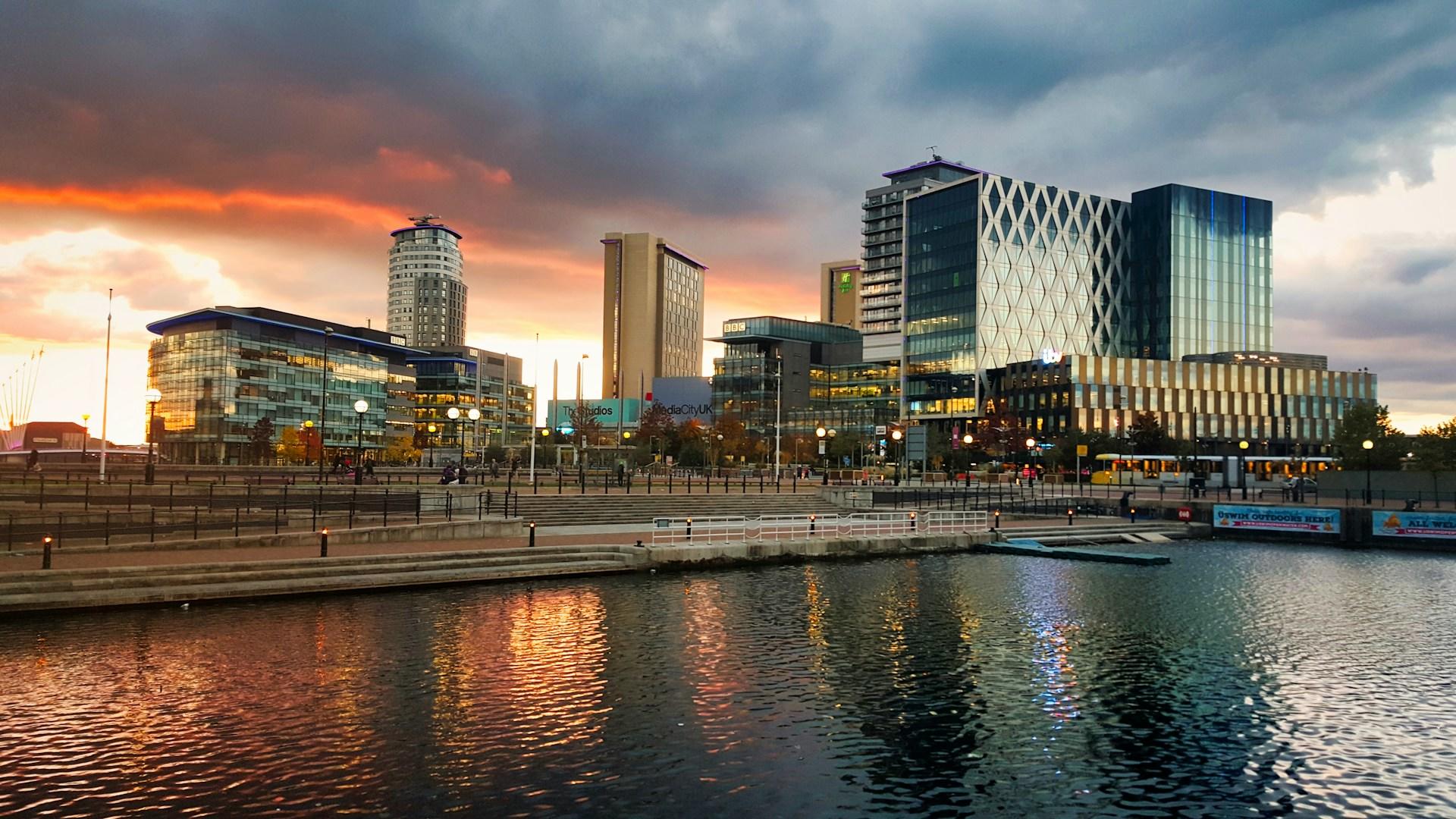
The growth of Manchester has led to urban sprawl, impacting the rural-urban fringe. Increased commuting from surrounding towns and villages has led to traffic congestion and environmental degradation.
Urban sustainability involves managing resources and transport to ensure cities remain livable and resilient. Efficient resource management includes providing clean water, sanitation, and energy, while minimising waste and pollution. Sustainable transport systems reduce traffic congestion and environmental impact.
Resource Management is Crucial to Every City
Urban sustainability depends on effective management of resources and transport to create livable, resilient cities.
Sustainable resource management involves ensuring reliable access to clean water and energy. More people can make this more difficult.
Transport management is equally critical. Sustainable urban transport systems prioritise public transportation, cycling, and walking, reducing reliance on private cars.
Integrated transport networks, like those seen in many modern cities, enhance connectivity and accessibility, making urban life more convenient and reducing the overall carbon footprint, but they aren’t easy to implement, especially in cities growing at a rate of knots.
Efficient waste management, recycling programs, and green spaces are also key components, contributing to a healthier urban environment, but all present their own unique challenges. It isn’t easy to create a city that functions, especially as the world becomes more urban.
A Challenge Across the World
Urbanisation and urban change present both opportunities and challenges. Cities in LICs and NEEs, like Lagos, face issues such as slums and inadequate infrastructure but also benefit from economic growth and improved services. In the UK, cities like Manchester show how urban change can revitalise economies and enhance cultural life, but also highlight the need to address social and environmental inequalities.
Summarise with AI:
Did you like this article? Rate it!

 Loading...