When you conjure up an image of the UK, what’s the first thing that comes to mind? Is it the hectic and bustling streets of London, the dark and historical allure of Edinburgh, or the charming and quaint villages of the countryside?
No matter where you go in the UK, you’re never far from a striking physical landscape - be it a quiet lake, dramatic mountainside, or stormy coastline. Keep reading to take a journey with us through some of the most stunning landscapes this beautiful nation has to offer.


What Are the Main Physical Landscapes of the UK?
The UK’s physical landscape is diverse and has been shaped by a range of complex geological processes over millions of years. However, the two most important of these are upland and lowland areas. But how exactly do they differ?
Upland Areas
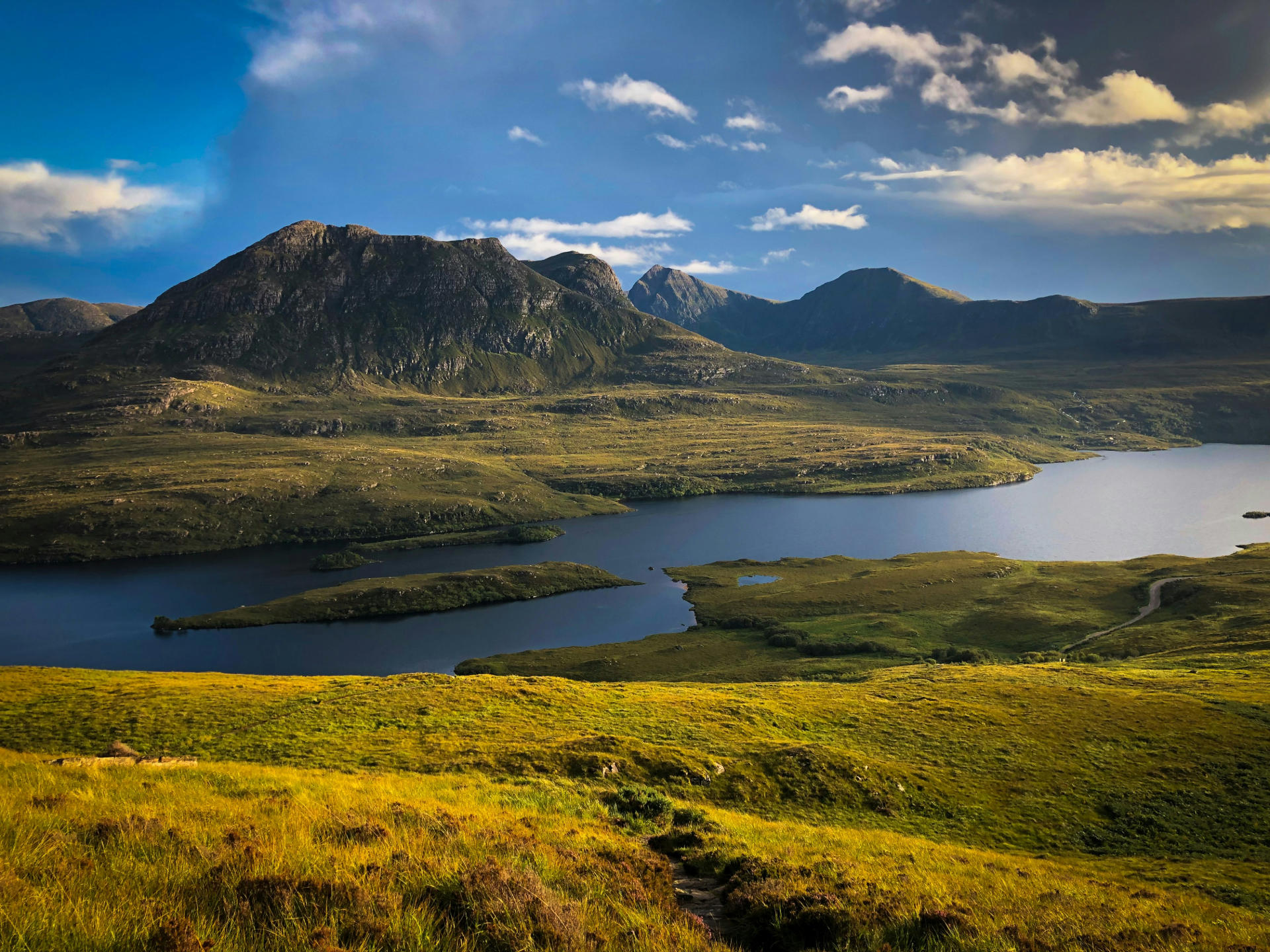
Upland regions are mostly found in the north and west of the UK and are known for featuring rugged terrain, higher elevations, and dramatic landscapes
Examples of Upland Areas
- Scottish Highlands: Arguably the most wild and unspoilt area in all of the UK, the highlands are incredibly beautiful and worth a visit for anyone wanting to experience the best landscapes the nation has to offer. The Highlands are home to Ben Nevis, the UK's highest peak, and the beautiful lochs like Loch Ness, which are steeped in mystery and legend.
- Lake District: Just as beautiful as the Scottish highlands but on a somewhat smaller scale, the Lake District is world-renowned for its natural beauty and outdoor activities, drawing in millions of visitors each year. Overall, there are 16 major lakes scattered throughout the lake district, most of them being left over from a time when glaciers made their slow journey through the area.
Lowland Areas
Mostly found in the south and east of the UK, lowland areas feature gentler, rolling landscapes. As a result, more people live in these lowland areas compared to the uplands due to the milder climate and rich and fertile soils.
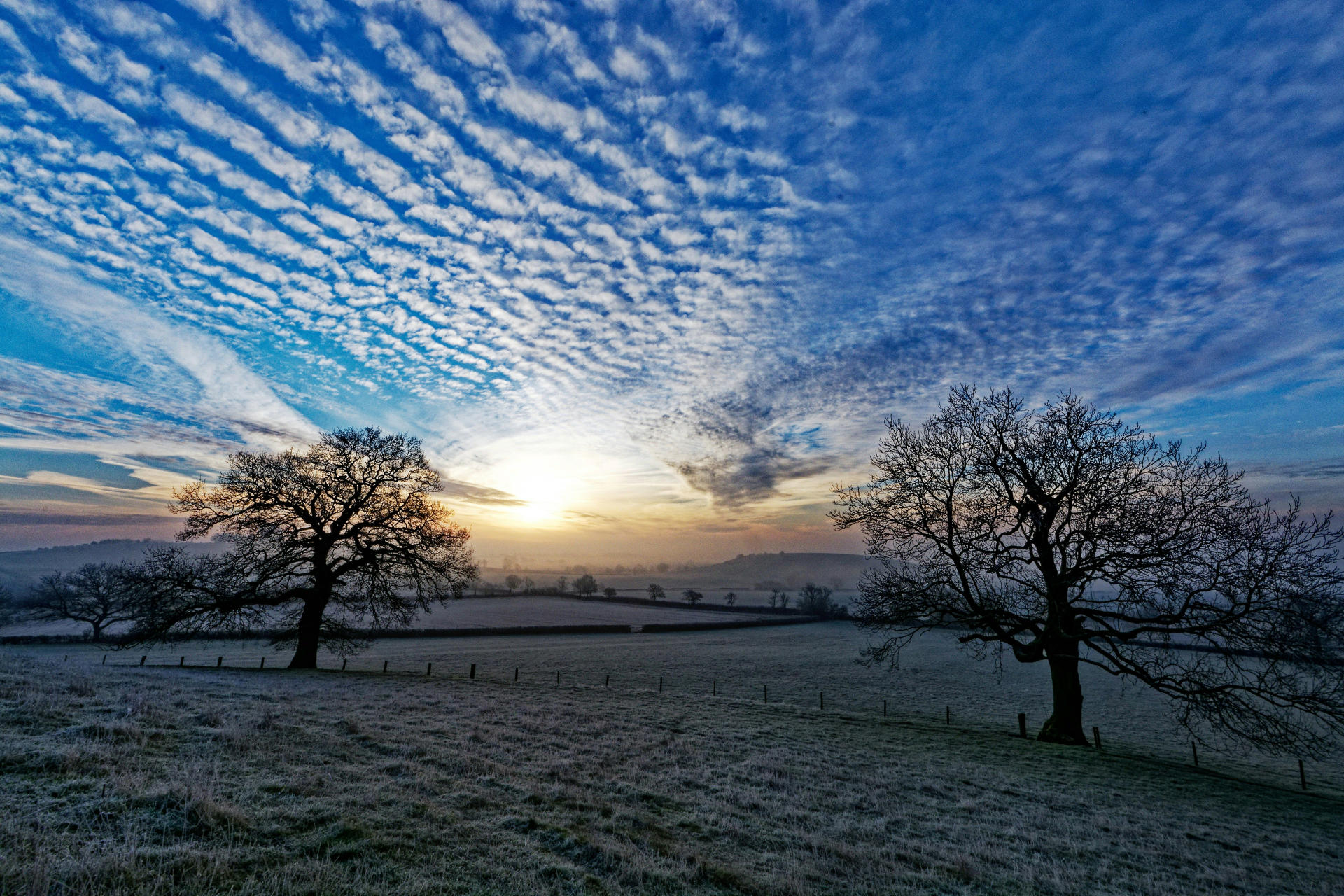
Examples of Lowland Areas
- The Fens: This low-lying area in eastern England is famous for its flat and fertile agricultural land which is intersected by a network of drainage channels. The Fens are one of the flattest areas in the UK, which makes them perfect for large-scale farming.
- The South Downs: Stretching all the way from Winchester to Eastbourne, the rolling chalk hills of the South Downs offer stunning views and are rich in biodiversity. The area is a haven for all sorts of wildlife and flora, including protected bird species, rare orchids, and endangered butterflies.
- The Cotswolds: If you’re looking to see picturesque villages and gently rolling hills, the Cotswolds definitely have these in abundance. Incredibly scenic, the Cotswolds represent the quintessential English countryside, with their honey-coloured limestone cottages, winding lanes, and charming market towns.
How Have Rivers Shaped the UK’s Landscape?
Rivers have massively changed the UK’s landscape through erosion and other similar processes like deposition. As a result, many different landforms have been created - including river valleys, floodplains, and levees.
River valleys, such as the ones that have been carved out by the River Tees feature both steep sides and flat bottoms. As time passes, these valleys can become important agricultural areas due to the fertile soil deposited by the river. One of the most famous river valleys in the UK can be found in the Wye Valley, which straddles the border between England and Wales.
Meanwhile, in areas where rivers frequently flood like the lower reaches of the river Thames, floodplains and natural levees are eventually formed. Many cities in the UK owe their development and growth to their strategic positioning around floodplains, which provide reliable water sources and fertile grounds for farming. For example, London actually developed along the Thames, benefiting from the river's resources and the fertile land around it.
Lastly, Waterfalls and gorges are among the UK's most dramatic river-formed landscapes. These features have come about from differential erosion, where softer rock wears away faster than harder rock, eventually creating steep drops where water can sometimes flow over. High Force on the River Tees is a striking example of such a waterfall and is a must-visit for anybody who enjoys exploring the outdoors.
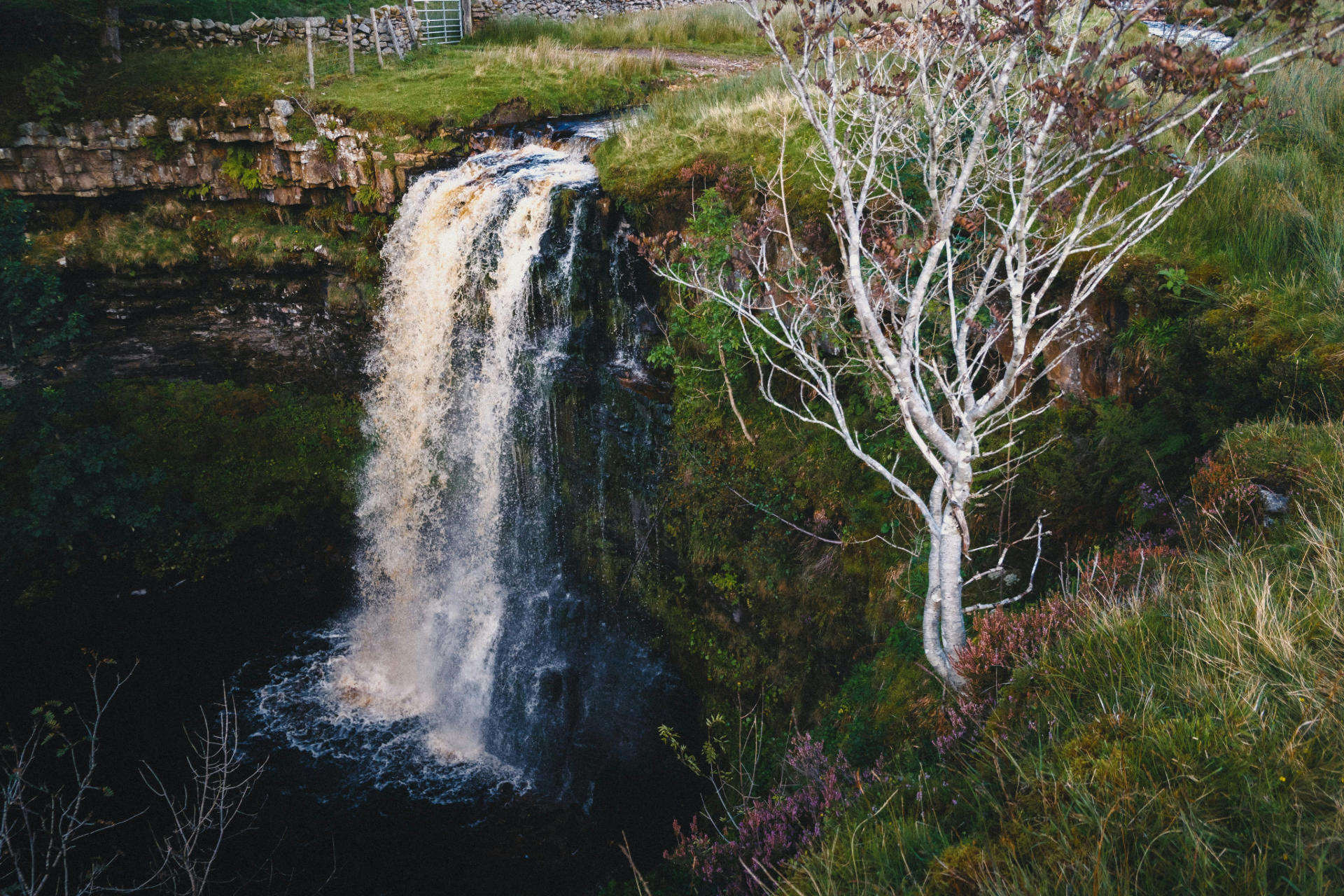
Famous Rivers in the UK
| River | Length (Miles) | Notable Locations |
|---|---|---|
| Thames | 215 | London and Oxford |
| Severn | 220 | Shrewsbury and Gloucester |
| Trent | 185 | Stoke on Trent and Nottingham |
| Clyde | 106 | Glasgow and Lanark |
| Tyne | 73 | Newcastle and Gateshead |
What Impact Did Glaciers Have on the UK?
The last ice age left a huge mark on the UK’s landscapes as a whole, with glacier movement carving out many of the most striking landscapes you can find today.
U-shaped Valleys and Fjords: During the last ice age, glaciers carved deep chunks out of the UK’s landscapes, leaving U-shaped valleys and Fjords in their wake. Moving down mountain sides, glaciers slowly eroded the rock beneath, thus forming valleys with steep straight sides and flat bottoms.
Drumlins and Moraines: Firstly, drumlins are smooth oval shaped hills that lie in the path of a glacier's flow, giving an indicator to the direction it was moving in. On the other hand, moraines are piles of rocks and debris that were pushed to the edge of glaciers.
Erratics: Erratics are large rocks that were transported by moving glaciers and left behind when the ice melted. These boulders often look out of place because they're usually made of different rock types than the area where they are found.
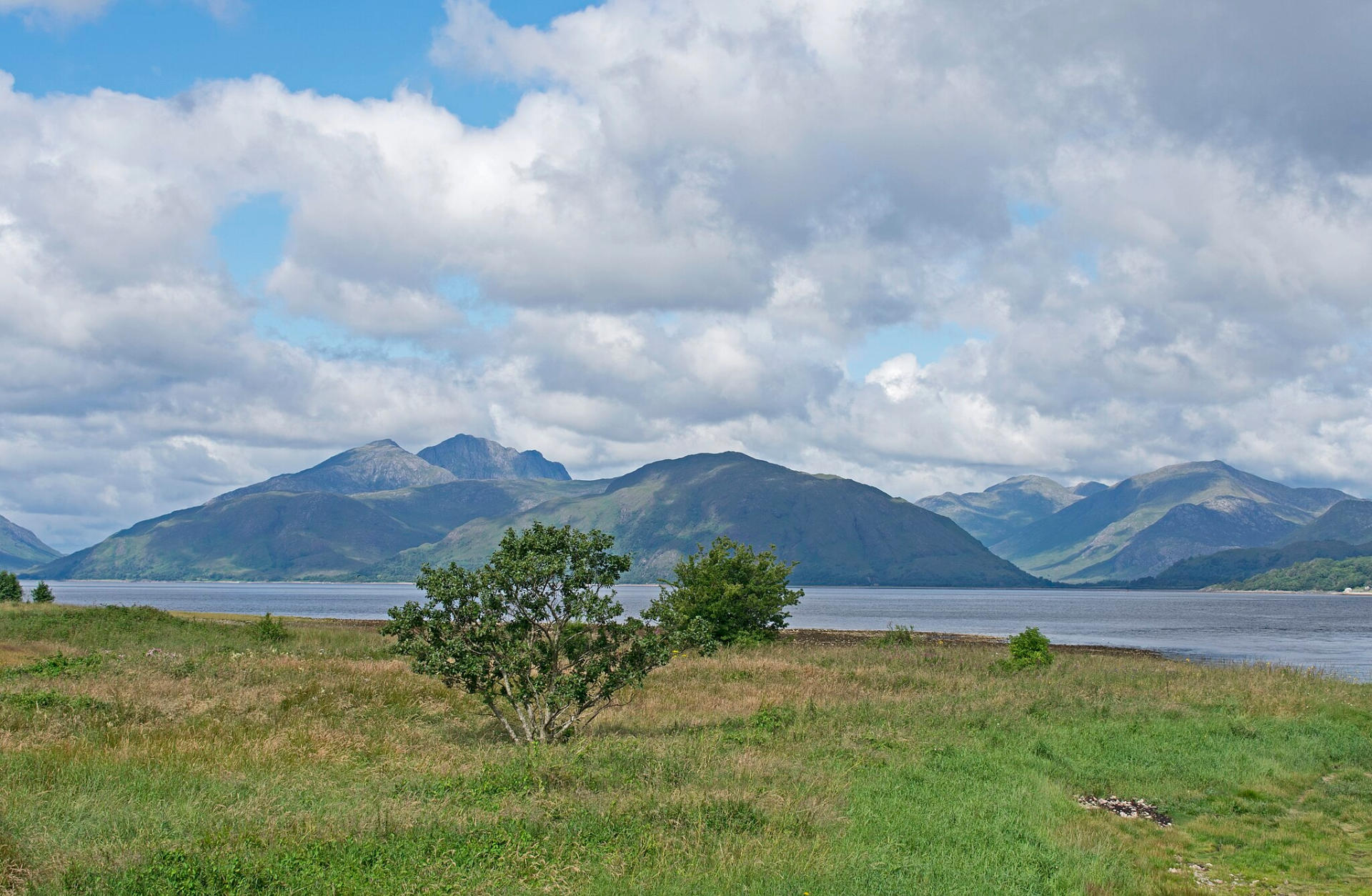
Where To Find Glacial Landforms in the UK
| Landform | Location |
|---|---|
| U-shaped Valley | Borrowdale in the Lake District, England |
| Fjord | Loch Linnhe in Scotland |
| Drumlin | Vale of Eden in Cumbria, England |
| Moraine | Cairngorms in Scotland |
| Erratic | Norber in the Yorkshire Dales, England |
How Have Human Activities Changed the Landscape?
For better or for worse, it’s clear to see that the activities of humans have left a permanent mark on the UK’s landscape. Over many many centuries, extensive agriculture has resulted in large swathes of forest and other habitats being cleared to make way for fields for crops and pastures for grazing animals.
Similarly, urban development has exploded, rapidly changing natural spaces into bustling cities and towns where buildings and roads alter the terrain in and out of the areas completely.
Thankfully, in recent years, there has been a growing interest and effort to conserve and restore these landscapes. For instance, national parks, nature reserves, and reforestation projects are working in tandem to bring back many of our natural habitats and protect the flora and fauna that call it home.
Conclusion
All in all, the UK's physical landscapes are varied and breathtaking, offering something for everyone - from keen adventurers to the most casual of sightseers. Each distinct region, from the rugged Scottish Highlands and serene Lake District to the gently rolling hills of the Cotswolds and the flat expanses of the Fens, tells a unique story of complex geological processes that have happened in years gone by.
Summarise with AI:
Did you like this article? Rate it!

 Loading...