When you picture in your mind's eye the UK’s landscapes, rivers probably aren't the first thing you think of. However, rivers and waterways play an important role in shaping the environment of the UK, supporting biodiversity, and providing communities with access to water and other important resources.
Additionally, they come in all different shapes and sizes, with many being just as striking as more dramatic landscapes like mountains and coastlines. What’s more, you’re never far from a river, with them being found pretty much anywhere - from bustling urban areas to the most remote rural settings.
In the article below, part of a series detailing the UK’s diverse landscapes, we’ll take you through all the hidden details of how rivers work. Keep reading below.


How Do Rivers Change From Source to Mouth?
Most rivers undergo a huge change from their source (the beginning of the river) to their mouth (the end). Generally, rivers originate in highland areas where steep slopes are present. As a result, the water flows downwards very quickly, cutting into the ground as it goes and forming narrow V shaped valleys (vertical erosion).
However, as the river moves further and further downstream, the land also becomes less steep which causes the water to flow at a slower speed and the river to widen. In this middle section, the river begins to cut away at the sides of its bank (lateral erosion).
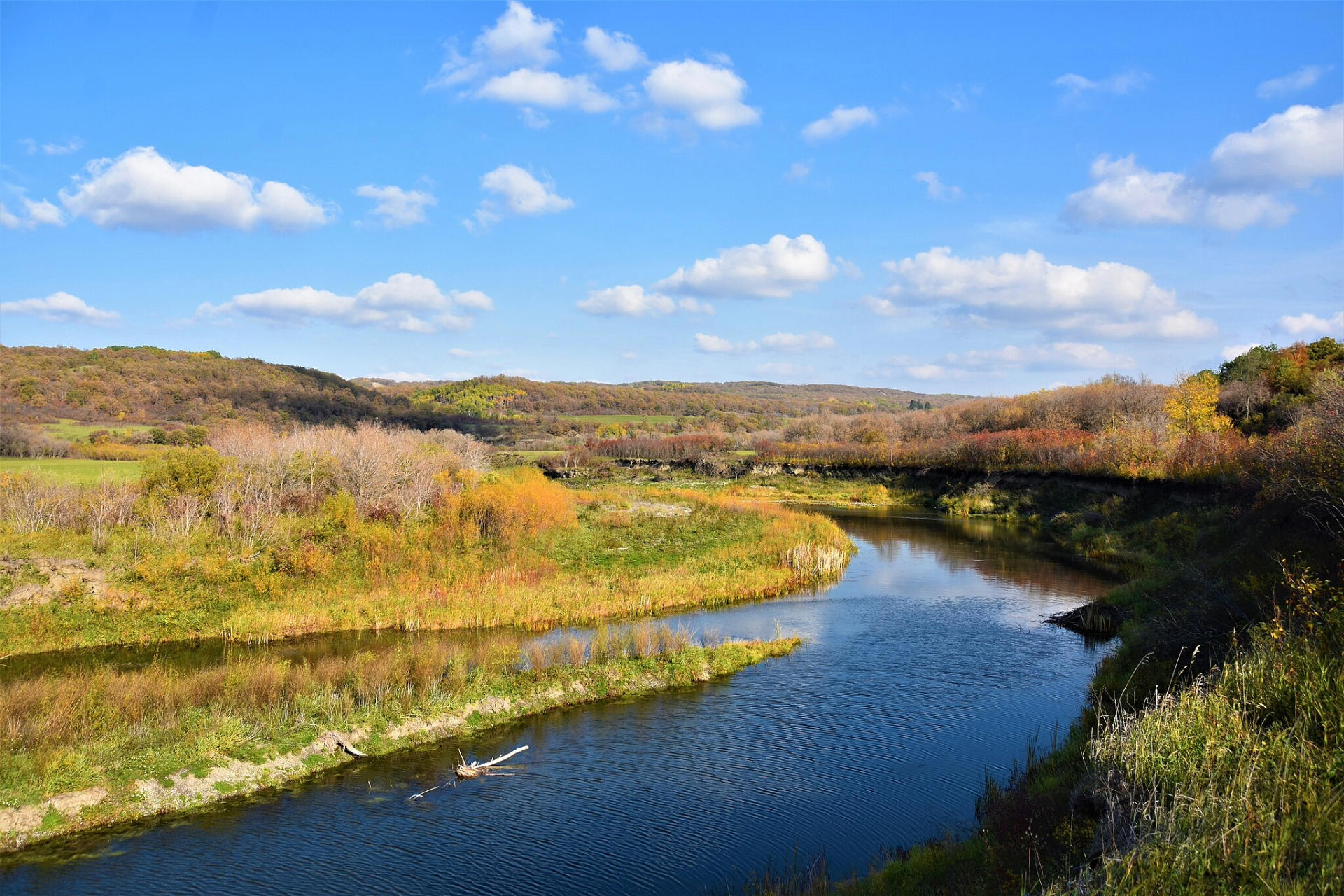
Over time, this process slowly creates wide river valleys and large bends called meanders. By the time the river reaches its lowest point or its mouth, the land is very flat, and the river flows much more slowly as a result.
How Does Erosion Affect Rivers?
Erosion is a key process that shapes rivers and their valleys. Although we’ve touched on erosion and how it links to rivers above, in this section we’ll explore the different types in more detail.
| Types of Erosion | Characteristics |
|---|---|
| Hydraulic Action | Essentially, hydraulic action is the force of the water hitting the riverbanks and beds, which forces air into cracks and eventually breaks apart the rocks. This generally only happens in faster-flowing sections of the river. |
| Attrition | As the river rushes onwards on its nonstop journey, rocks and pebbles are carried along and often collide into one another - breaking into smaller and rounder pieces. |
| Abrasion | As the river rushes onwards on its nonstop journey, rocks and pebbles are carried along and often collide into one another - breaking into smaller and rounder pieces. |
| Solution | Not all minerals present in the river are the same, with some actually dissolving in the water and being carried away downstream in solution due to a chemical reaction. |
What is Transportation?
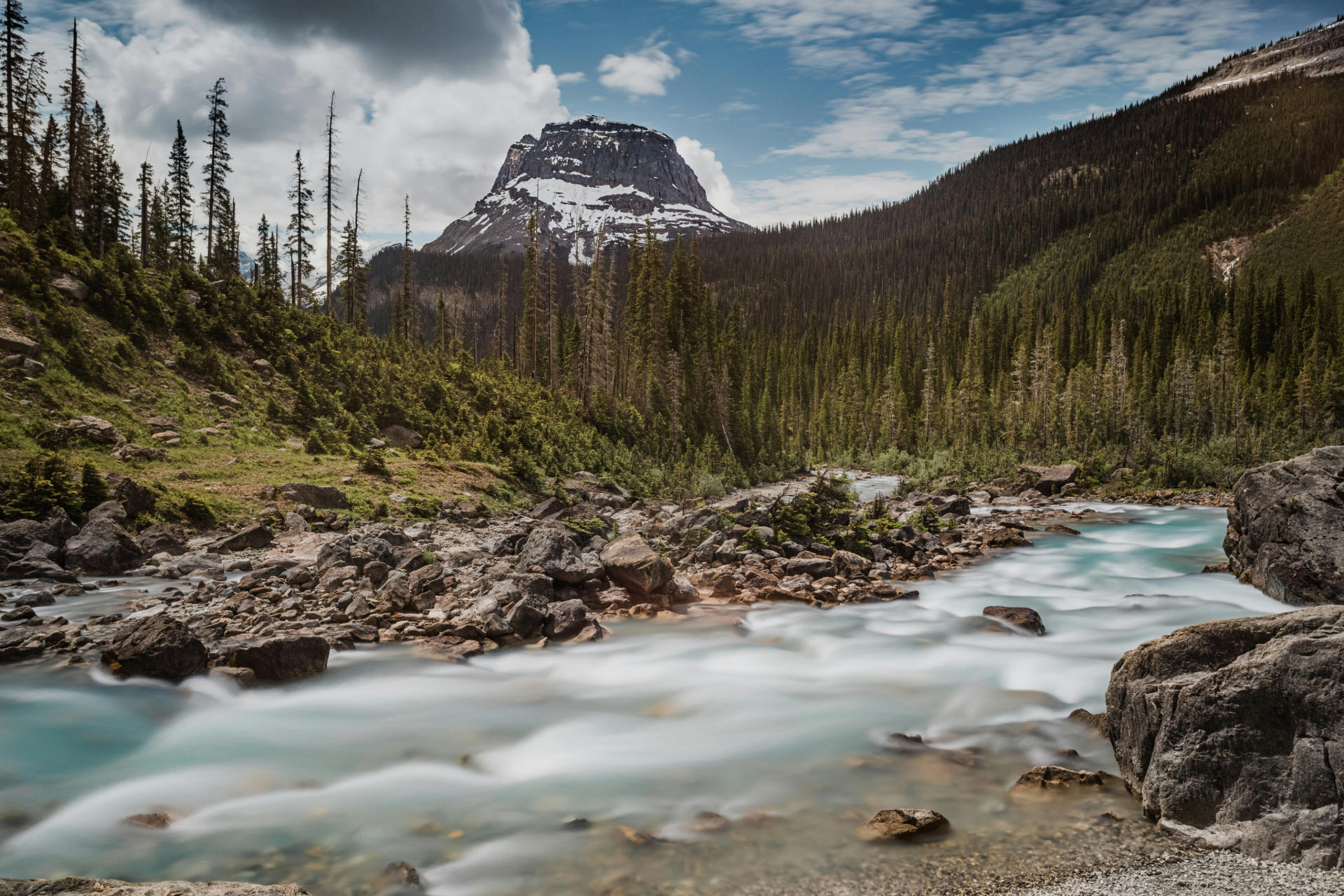
In essence, transportation is when sediment and materials are moved from place to place by the power of the river. Let’s take a look at the different types of transportation and how each differs from one another:
Traction: During traction, large rocks and stones are rolled along the riverbed. Generally, this only happens near the upper course of the river where the water flows swiftly enough to move heavier materials.
Saltation: Here, smaller pebbles and stones are bounced along the river in a sort of hopping motion. This unique movement happens because the water's force is enough to lift them into the flow before gravity pulls them back down again.
Suspension: In this mode of transportation, finer materials like silt and clay are carried along with the water itself. Suspension happens all along the river, but it is most common at the lower course where the water flow is a lot gentler.
What is Deposition?
If you’ve been paying attention, you’ll probably remember that most rivers begin at a steeper location where the water flows fast and strong but inevitably reach a lower area where the flow slows down significantly. It's this reduction in speed that causes the river to lose energy and start depositing the sediment it carries - hence the name deposition.
However, this process can also occur when the water becomes shallower or when the river comes into contact with obstacles like rocks, heavy vegetation or man-made structures. Over time deposition can result in many different yet equally important landforms being created - check out the graph below to learn more.
| Landform | Features |
|---|---|
| Floodplains | Flatter areas next to the river which are often flooded. They’re made from layers of silt and clay deposited during floods which makes them fertile and perfect for agriculture. |
| Levees | Levees are raised banks along the river that have been formed by heavy sediments being deposited during flooding. Funnily enough, they actually help prevent flooding. |
| Deltas | Fan-shaped areas at the river's mouth where it comes into contact with either the sea or a lake. Formed by sediment deposits, creating many small channels. |
How Do Physical and Human Factors Affect Flood Risk?
As we all know, the UK is no stranger to large amounts of rainfall. Unfortunately, this can often lead to rivers bursting their banks and flooding areas unlucky enough to be located nearby. Additionally, the geology of the area can also play a role with permeable rocks reducing floods by absorbing water and impermeable rocks increasing it.
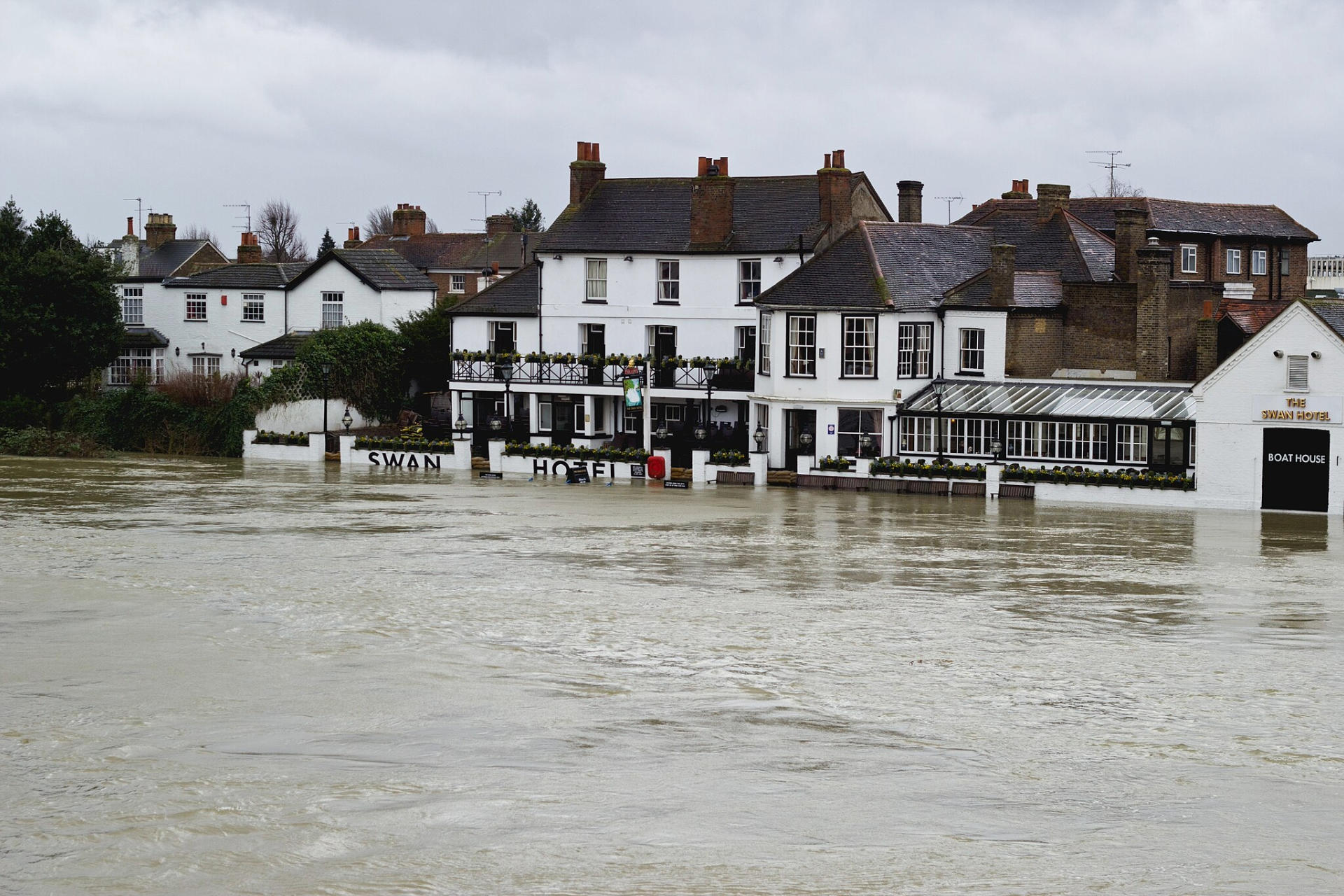
Likewise, the relief, or shape of the land also matter as well - steep slopes can cause faster runoff, raising flood risk, while flat areas reduce it. Lastly, human activities like urbanization can also further heighten the risk of floods. For example, cities with lots of concrete and asphalt prevent water from soaking into the ground, leading to increased surface runoff.
Luckily, experts across the UK use tools like hydrographs to help manage flood risk. Hydrographs work by showing the relationship between rainfall and river discharge over time. By routinely analysing the data provided, experts can predict when and where a flood might strike, allowing them to issue warnings and implement plans to mitigate the flooding.
What Steps Are Taken to Reduce the Risk of Flooding?
To reduce the risk of floods, two main strategies are the most effective. The first of these, hard engineering, involves things like building dams, reservoirs, and creating embankments. While these methods are pretty effective at preventing or getting floods under control quickly, they’re also expensive, can harm the environment, and need regular maintenance in order to not break down.
In contrast to this, soft engineering focuses more on working alongside nature. What do we mean by this? Well, soft engineering involves using natural processes and making smart choices about land use to manage flood risks. For example, setting up flood warning systems can alert people in advance, giving them time to prepare or evacuate.
Planning where we build homes and other structures (flood plain zoning) helps avoid putting communities in high-risk areas. Additionally, restoring rivers to their natural, winding courses can create natural floodplains and wetlands that soak up excess water, reducing the flood risk downstream.
Conclusion
Often overlooked, rivers have always played a massive part in shaping the varied landscapes present throughout the entirety of the UK. As they journey from source to mouth, they carve valleys, support diverse ecosystems, and provide essential resources for people all across the nation. By fully understanding how erosion, transportation, and deposition work, we can also better manage the flood risks that are sadly happening on an increasingly regular basis.
Summarise with AI:
Did you like this article? Rate it!

 Loading...