The demand for water resources is rising globally, driven by population growth and economic development. It is unbelievable for many of us to think that something as basic as water may not be available to people.
However, the supply of water is often insecure, leading to potential conflicts and significant challenges.
We explore factors affecting water availability and the impacts of water insecurity. We’re also examining various strategies to increase water supply and the importance of moving towards a sustainable resource future.
A report by the U.N. revealed that 2 billion people (26% of the population) lack safe drinking water in 2023


High Demand and Insecure Supply
The global demand for water is increasing due to economic development and a growing population. As countries industrialise and urbanise, their water consumption rises significantly. This heightened demand is met with an often insecure supply, resulting in regions of water surplus and deficit.
Areas of Surplus and Deficit
Water surplus and deficit vary significantly across the globe. Regions with abundant rainfall and robust river systems, such as parts of North America, Europe, and Southeast Asia, generally experience water surplus.
Unfortunately, arid and semi-arid regions, including much of Africa, the Middle East, and parts of Asia, may face water deficits. These deficits are exacerbated by dry weather, climate variability and limited infrastructure.
Reasons for Increasing Water Consumption
Why does the world need more water now than ever before? Two primary factors contribute to rising water consumption: economic development and population growth.
As economies develop, industrial and agricultural activities expand, requiring more water. Urbanisation also leads to increased domestic water use for industrial purposes.
Factors Affecting Water Availability
The water availability in each region varies depending on lots of different factors. Even in the UK, we get droughts every 5-10 years.
Climate
Climate plays a critical role in water availability. Regions with consistent rainfall and reliable river systems tend to have stable water supplies. However, climate change introduces variability, causing droughts in some areas and excessive rainfall in others, disrupting established water availability patterns.
Geology
Geological factors affect the distribution and accessibility of groundwater. Areas with a lot of aquifers have a reliable water source, while regions with poor geological conditions may struggle to access groundwater.
Pollution of Supply
Water pollution from industrial waste, agricultural runoff, and untreated sewage contaminates water sources, reducing the amount of clean water available for consumption and ecological health.
One shocking example is in Flint, Michigan, where a contaminated water supply led to huge health issues and some people even lost their lives. Legionnaires disease broke out in the region as a result of unsafe drinking water.
Limited Infrastructure
Many regions, particularly in developing countries, lack adequate water management infrastructure. Poorly maintained or non-existent infrastructure results in significant water losses and inefficiencies, which can have a bad impact on water supplies.
Poverty
Poverty limits access to clean water. In many low-income countries, communities rely on distant or contaminated water sources, leading to water insecurity and health risks.
Impacts of Water Insecurity
What happens when there isn’t enough water? Obviously, drinking water is essential for humans to remain healthy and without it, they can have serious health problems. However, there are indirect impacts of water not being available, too.
Waterborne Disease and Water Pollution
Contaminated water sources can cause waterborne diseases. These diseases seriously affect impoverished communities with limited access to clean water and sanitation.
Approximately 3.5 million people die each year due to inadequate water supply, sanitation and hygiene
Food Production
Agriculture is highly dependent on water. Water scarcity reduces crop yields and livestock productivity, leading to food shortages and increased prices, exacerbating hunger and malnutrition.
Industrial Output
Industries rely on water for manufacturing processes, as well as cooling, and cleaning. Water shortages can disrupt industrial operations and can stop countries from producing as much.
Strategies to Increase Water Supply
Solving this problem is never going to be easy for countries facing a lot of challenges, but strategies can be employed to increase water supply, ensuring more reliable access to this essential resource.
Diverting Supplies and Increasing Storage
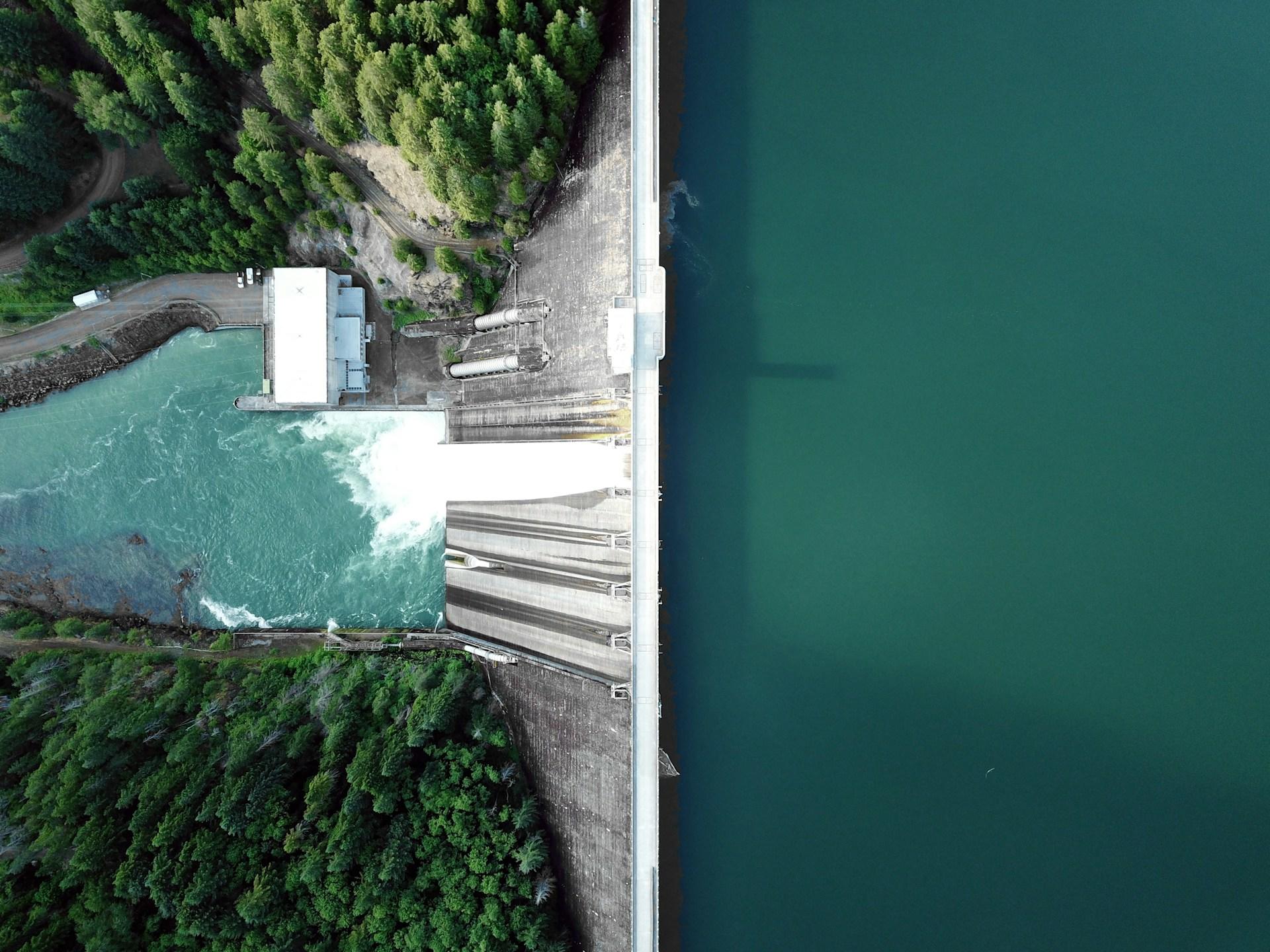
Diverting water supplies from regions of surplus to deficit areas and increasing storage capacity through reservoirs and dams can help manage water availability.
Building dams and reservoirs allow for the capture and storage of water during periods of surplus, which can then be used during times of scarcity. These structures also may have further benefits such as hydroelectric power and flood control.
Water Transfers
Water transfer schemes involve moving water from water-rich areas to water-scarce regions through pipelines and canals. While effective, these schemes can be costly and environmentally disruptive.
Desalination
Desalination is the process of removing salt from seawater to produce fresh water. This technology provides a reliable water source for coastal regions, although it is energy-intensive and expensive.
Example: Large Scale Water Transfer Scheme
The South-North Water Transfer Project in China is a massive initiative to divert water from the water-rich south to the arid north. While it addresses water shortages in northern China, the project has faced criticism for its mismanagement.
Moving Towards a Sustainable Resource Future
There are ways we can all help – a sustainable water future requires conservation, effective management, and innovative technologies.
Water Conservation
Promoting water conservation is essential for sustainability. Public awareness campaigns and regulatory measures can encourage conservation efforts, and we can all do our bit when trying to conserve water.
Groundwater Management
Effective management of groundwater resources, including monitoring and regulation of extraction, recharge practices, and pollution control, ensures long-term availability and quality of groundwater supplies.
Recycling and ‘Grey’ Water
Recycling wastewater and using ‘grey’ water (water from household uses) for non-potable purposes such as irrigation and industrial processes can significantly reduce the demand for fresh water. Effectively, this is prioritising drinking water.
Example: Local Scheme in an LIC
In Kenya, the Makueni Sand Dam Project is a successful local initiative to increase water availability sustainably. Sand dams capture and store rainwater in sandy riverbeds, providing a water source for communities during dry periods. This project has improved water access in the local area.
Conclusion
Water is a critical resource facing increasing demand and insecure supply globally. Though it is upsetting that we don’t have enough globally, through projects, innovative technologies, and sustainable practices, it is possible to address water challenges and ensure a secure and resilient water future for all.
Reflection Questions
What factors impact the water supply globally? Give three examples
How many people die from lack of access to clean water in the world each year?
Summarise with AI:
Did you like this article? Rate it!

 Loading...