Ever stood on the shoreline and wondered how the UK’s beautiful coastal landscapes came to be? If so, you’ve stumbled upon the right article.
Below, we’ll take you through a detailed exploration of the fascinating world of coastal processes, landforms, and the strategies we are using to manage and protect these environments for the next generation.
So, make sure you keep reading if you want to uncover the many secrets behind the constantly changing coastal landscapes of the UK.


What Different Types of Waves Are There?
Waves play a big role in sculpting the coastline. However, did you know they actually come in two very different types? Let’s check these out below.
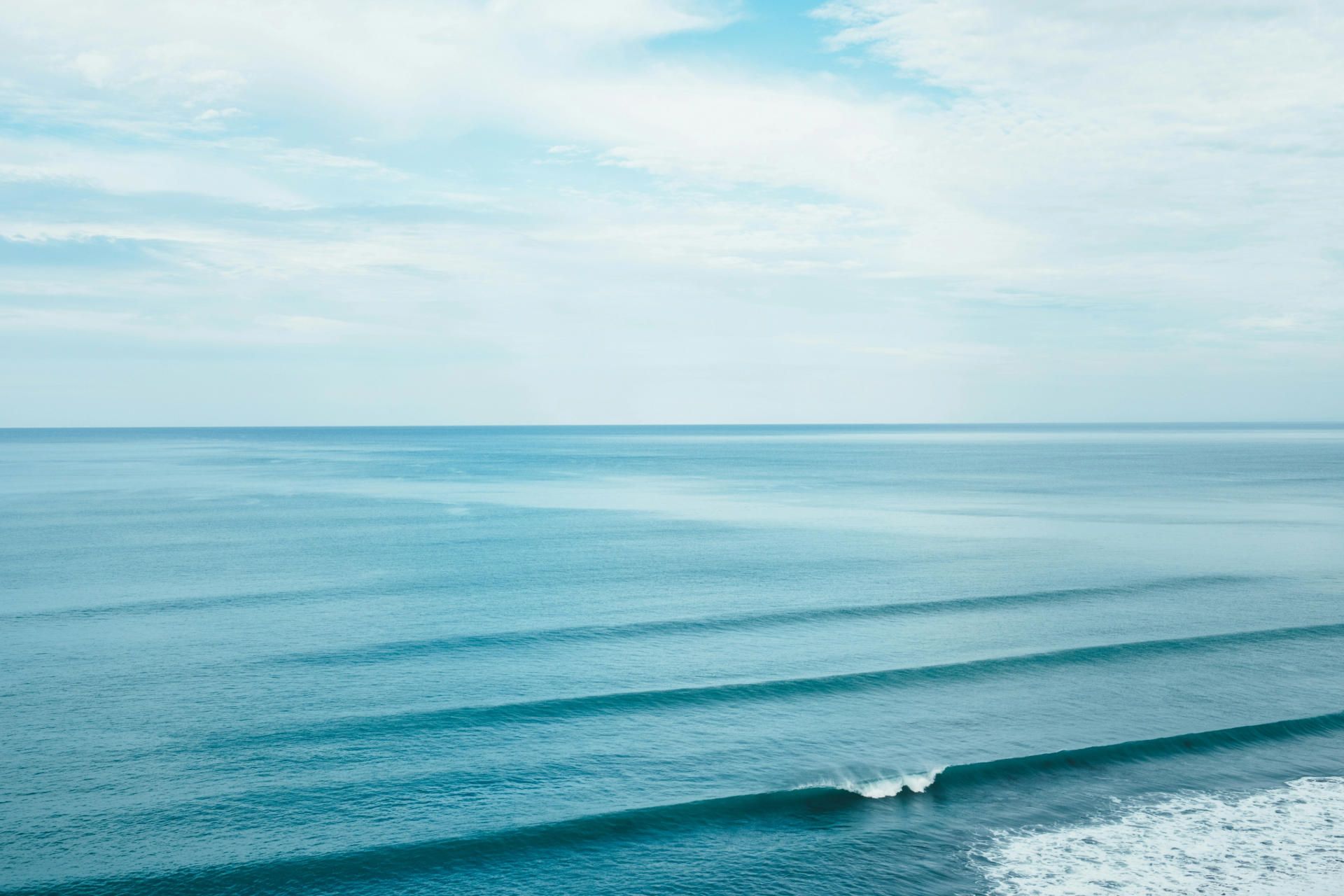
Constructive waves: These waves have a strong swash and a weak backwash. They’re typically low-energy waves that gently spill onto the shore and deposit more material (i.e. sand and rocks) than they remove. If you want to see constructive waves in action, just keep an eye out for calmer bouts of weather. Without these gentle giants, many of the UK’s favourite beaches wouldn’t exist.
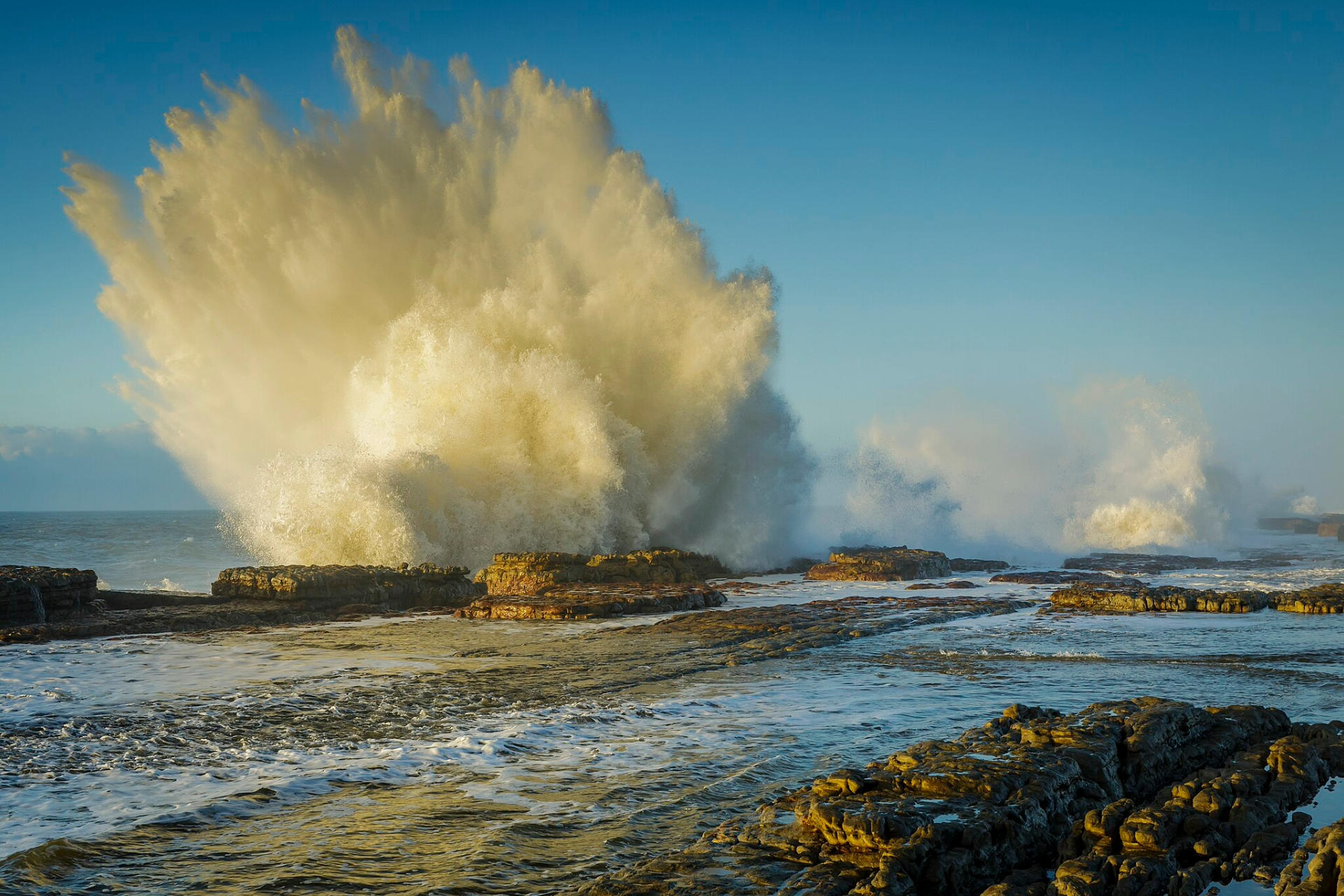
Destructive Waves: In contrast to their weaker cousins, destructive waves have a much stronger backwash and a weak swash. They are high-energy waves that crash with force against the coast, often gradually eroding the shoreline as they do so. In winter, stormy weather brings with it destructive waves, leading to significant coastal erosion in many seaside areas around the UK.
What Different Types of Weathering Are There?
Waves aren’t the only phenomenon that shapes the coastline, weathering also plays just as significant a role too. What is weathering?
In simple terms, weathering is the process that breaks down rocks usually through either physical, chemical or biological means. Let’s explore this in greater detail so you can better understand how this works.
Freeze-Thaw Weathering: During particularly cold bouts of weather, water that has seeped into rocks through cracks begins to freeze and then expand. From here, the rock breaks apart as the pressure from the expanding ice forces the cracks to widen and eventually split apart.
Biological Weathering: This involves the breakdown of rocks by living organisms. For instance, plant roots can easily grow into said rocks and force them to break apart when the roots continue to grow. Additionally, animals can also cause biological weathering when they build their burrows or dig into the ground.
Chemical Weathering: When rainwater (which is actually slightly acidic), reacts with minerals in the rocks, it forms weaker substances. A good example of this is when rainwater reacts with the calcium carbonate in limestone. This results in the formation of calcium bicarbonate which is much more soluble and prone to being washed away. Over time, this can massively weaken and erode the rock, leading to the formation of features like limestone caves and even sinkholes.
What is Mass Movement?
Mass movement is when rock and soil moves downhill due to gravity. All in all, there are several different types of mass movement, with the first being called sliding.
Sliding mainly occurs when a section of land moves down a slope along a well defined surface and is usually triggered by heavy rainfalls, earthquakes or sometimes human activities.
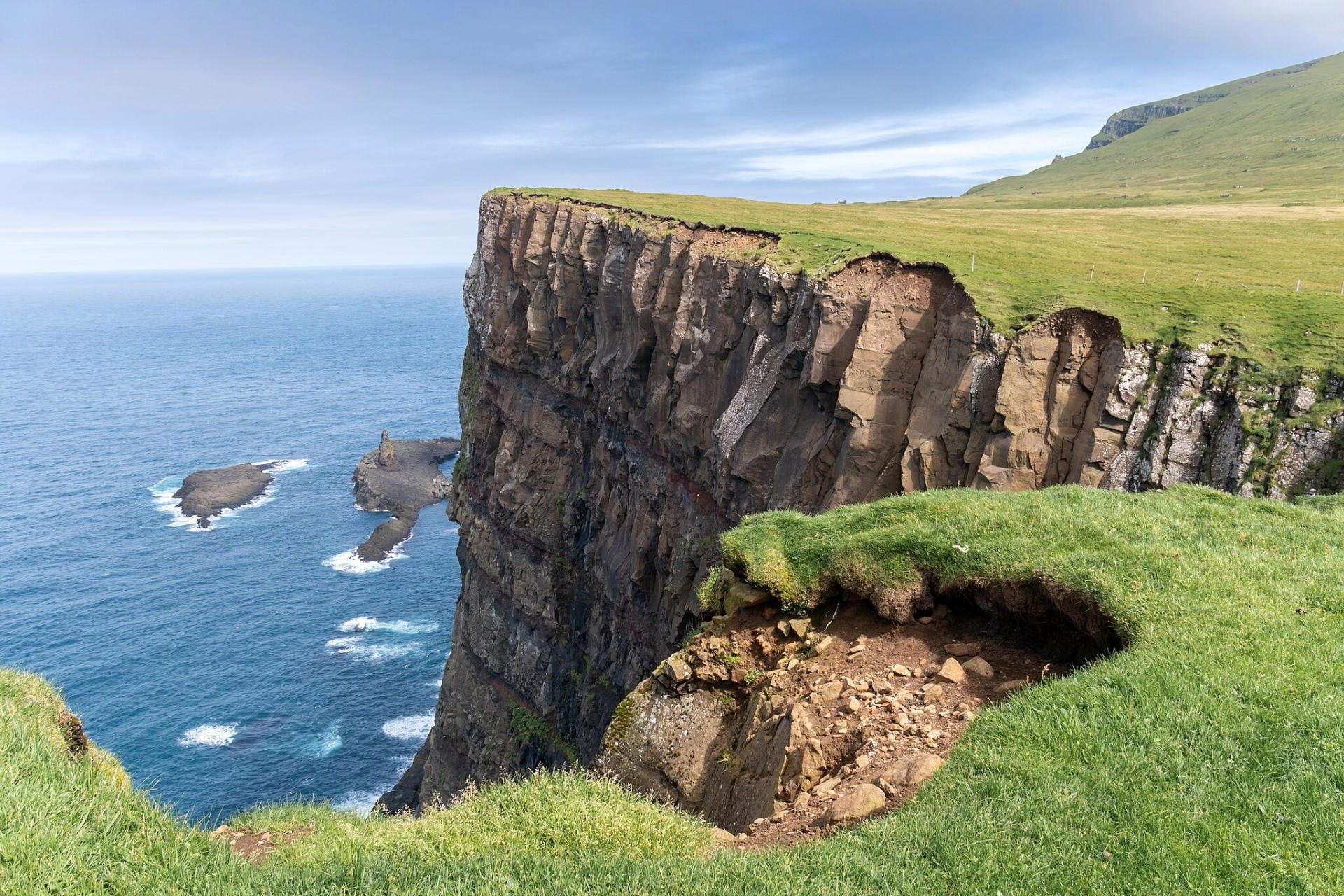
Slumping, on the other hand, happens when weak saturated soil and weaker rock move down a curved slip plane. Unfortunately, slumping can lead to large sections of coastline collapsing - causing irreversible damage to both important coastline areas and local homes as a result.
Last on the list is rock falls, which are pretty self explanatory (the clue is in the name). When rocks begin to break away from a steep cliff face (often due to freeze-thaw weathering), they fall all the way to the bottom, resulting in a pile of rocks forming at the base (known as scree).
How Does Erosion Work?
Erosion is essentially the process by which coastlines are worn away and is mostly caused by waves - although things like wind and human activities can also play a role as well.
Although erosion is natural, when it’s accelerated, it can lead to dramatic changes in the landscapes of our coastline and impact important habitats, local towns or cities, and even the economy as a whole.
Hydraulic action: This happens when the force of waves crashes against the coast, compressing air into cracks and crevices in the rocks. Over time, this pressure causes the rock to break apart, gradually wearing away the coastline.
Abrasion: Also known as corrasion, abrasion usually takes place when rocks and pebbles are thrown and dashed against cliff faces by large waves.
Attrition: When rocks and pebbles grind against each they slowly but surely break down into smaller and smoother pieces. Eventually, these smaller fragments become so worn down by waves they begin to form sand which eventually ends up on our beaches.
How Does Transportation Work?
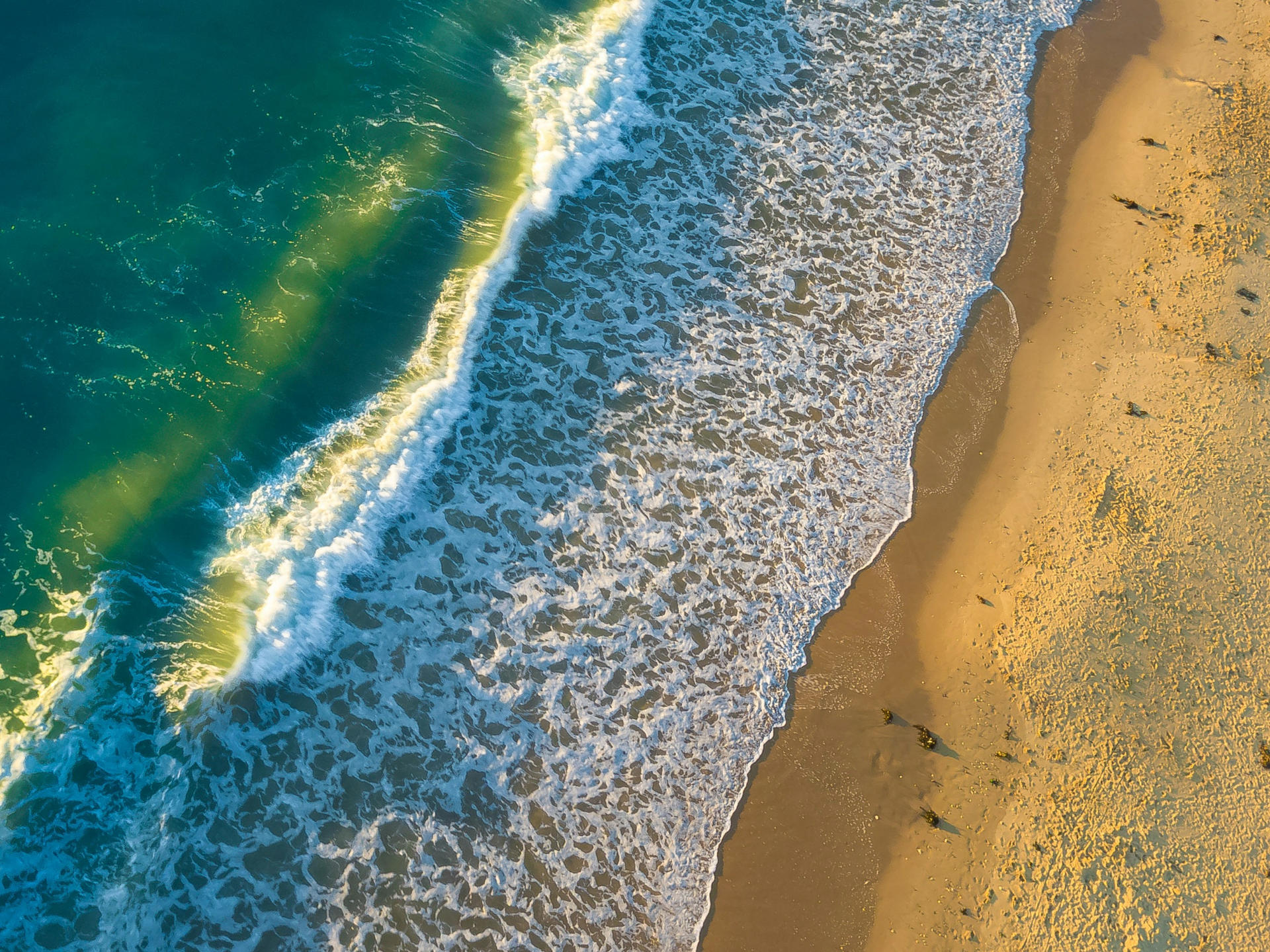
Have you ever wondered why some beaches have a lot more sand than others? That’s longshore drift at work, which is where sediment like sand and pebbles is gradually moved along the coast by waves.
Here's how it works step-by-step:
- Wave Approach: Waves hit the shore at an angle due to wind direction, which sets the stage for sediment movement.
- Swash Movement: The wave's swash (the water that rushes up the beach) carries sediment up and along the shore in the direction of the wave's approach.
- Backwash Movement: Gravity then pulls the water straight back down the beach, dragging the sediment with it. This movement is more vertical compared to the angled swash.
- Zigzag Pattern: The swash and backwash create a zigzag pattern, slowly moving sediment along the coastline.
- Formation of Coastal Features: Over time, this process can transport sediment for miles, creating striking geological features like spits, and barrier beaches, while also extending beaches.
Why is Sediment Deposited in Coastal Areas?
Deposition happens when seawater slows down and loses its energy, causing sediments like sand and pebbles to settle. Generally, this mostly occurs in sheltered coastal areas like bays and other places where the water is much calmer.
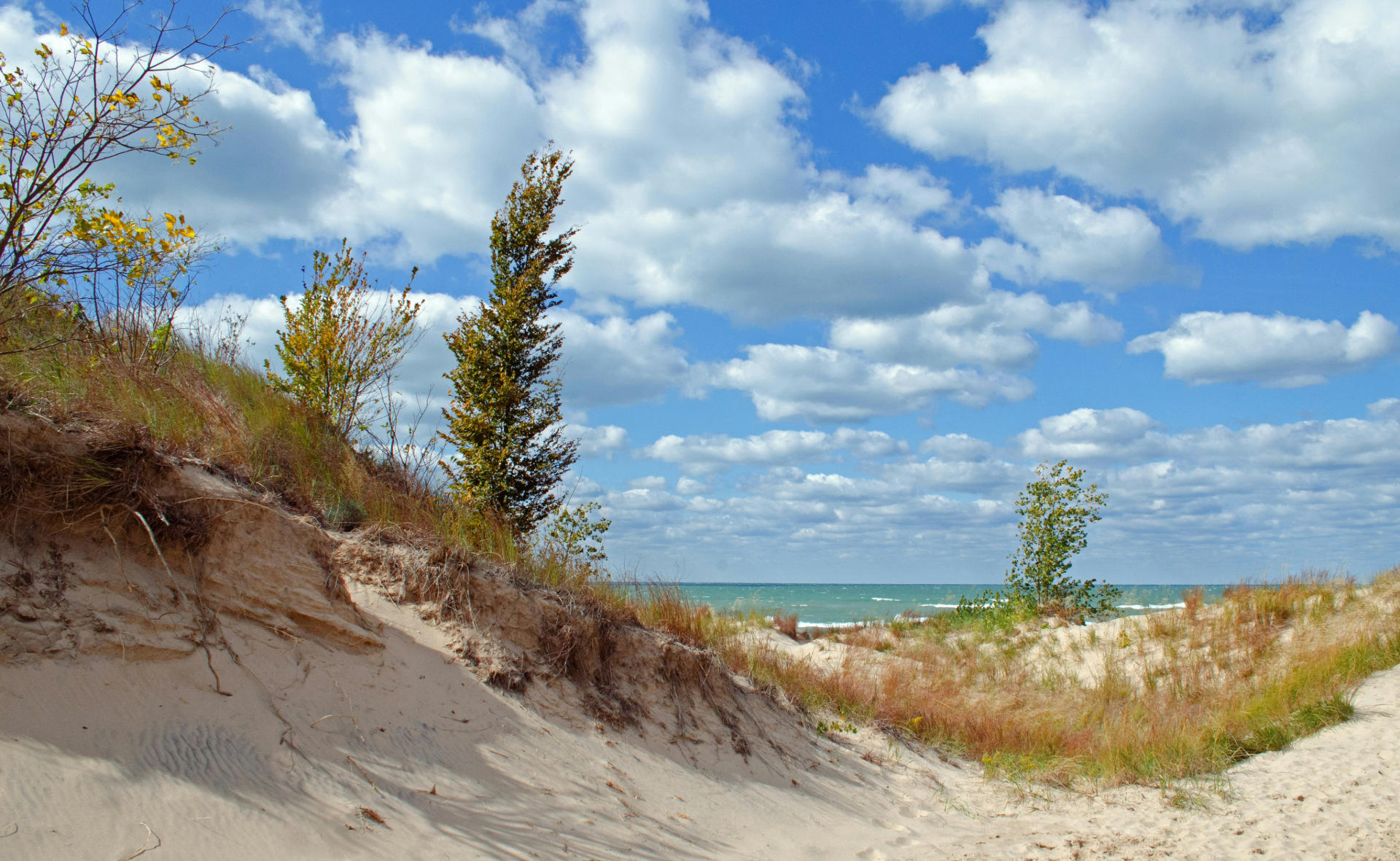
For example, when a river carrying sediment flows into the still sea, the heavier particles drop first, which gradually forms new landforms like beaches, spits, and sand dunes.
What Management Strategies Are There for Protecting The UK’s Coastlines?
In order to keep erosion under control, the UK government has put into place several different management strategies.
First among these is hard engineering, which involves building structures like sea walls, rock armour, gabions, and groynes to reduce the damage caused by destructive waves.
Soft engineering, on the other hand, uses natural processes to protect the coastline and these methods are typically more environmentally friendly overall.
For instance, beach nourishment is when workers add extra sand or shingle to a beach in order to help it absorb wave energy better, while reprofiling is the reshaping of beaches or dunes to create a more effective buffer against waves.
The last tactic is coastal realignment which is when certain areas are actually allowed to flood and erode naturally, creating new habits like salt marshes and mudflats which in turn better absorb wave energy while also creating important new ecosystems for birds and other protected wildlife.
Conclusion
The UK’s dramatic coastal landscapes exist as they do today as a result of both natural forces and the efforts of people to protect them. While constructive waves gently build up beaches, destructive waves erode them and other coastal landmarks, reshaping the coastline in the process.
Additionally, other factors like weathering, mass movement, and erosion, all have their part to play in shaping these ever-changing environments too. Plus, by utilising both hard and soft engineering techniques year after year, we actively take part in protecting our shores, ensuring they remain a proud part of our natural heritage for many future generations to enjoy.
Summarise with AI:
Did you like this article? Rate it!

 Loading...