Hot deserts are some of the most challenging environments for human life as well as vegetation and animals. Deserts in general make up around 1/3rd of all of the earth’s land surface. However, it is important to distinguish hot and cold deserts. Many of the cold areas and cold climates technically class as deserts, too.


Hot Deserts Explained
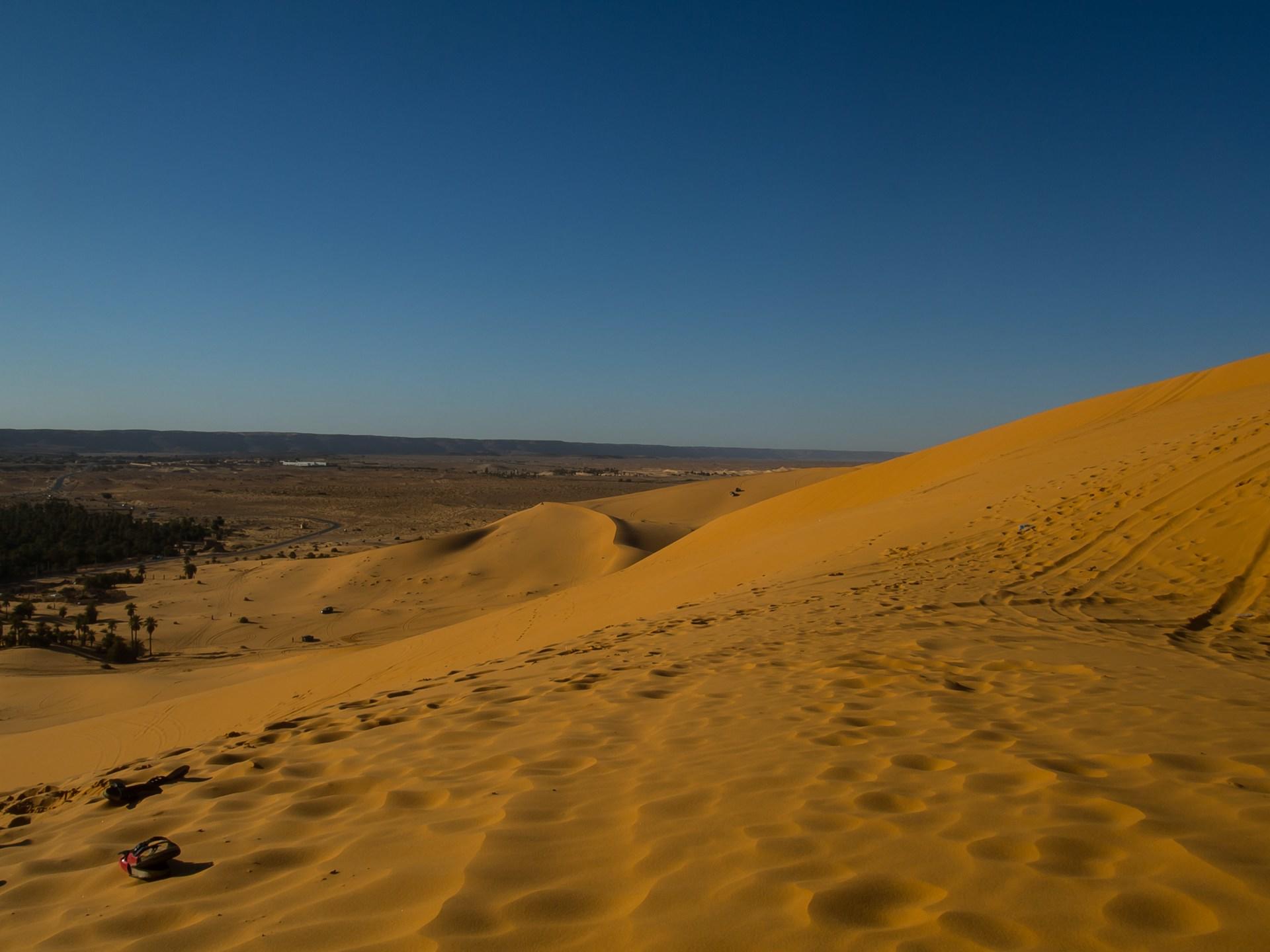
Hot deserts tend to have extreme temperatures, arid conditions, and minimal vegetation. They typically receive less than 250 millimetres (10 inches) of rainfall each year, and the little precipitation that does occur often evaporates quickly due to high temperatures.
These deserts experience scorching daytime temperatures, usually exceeding 40°C (104°F), and can have dramatic drops in temperature at night where it can get very cold. The landscape of hot deserts is often composed of sandy dunes, rocky plateaus, and sparse vegetation, with some deserts featuring extensive sand dunes, such as the Sahara, while others are more rocky, like the Mojave.
The physical characteristics are:
- Climate: Extremely hot during the day and cold at night with very low humidity.
- Water: Scarce and often found in the form of oases, underground aquifers, or seasonal streams.
- Soils: The soils that exist are generally sandy or rocky, with low organic matter and nutrients, often covered with a crust of salt or other minerals due to evaporation.
- Vegetation is sparse and drought-resistant, including cacti, shrubs, succulents, and grasses that are adapted to conserve water and exist in this extreme situation.
- Wildlife: Wildlife is restricted to species that are highly adapted to extreme conditions, and we see a lot of reptiles, insects, and nocturnal mammals.
In hot deserts, the extreme climate dictates the availability of water, which in turn influences soil composition, vegetation, and the types of animals that can survive there. This interdependence creates a delicate balance.
How Animals and Plants Survive?
We see animals such as camels, that have evolved in order to go for long periods and not need to constantly drink in order to survive. Camels store fat in their humps, which can be metabolised into water and energy when needed. They also have the ability to withstand significant dehydration. It is a misconception that camels store water in their humps!
All of the life that exists in hot deserts has evolved to cope. Cacti and succulents store water in their tissues, allowing them to survive long dry periods. Many desert plants have small, thick leaves or spines to prevent water loss through transpiration.
Plants like mesquite have roots that can extend deep into the ground to access underground water sources, and some plants enter a dormant state during extreme drought and quickly resume growth when water becomes available.
In terms of animal life, some desert animals are nocturnal, avoiding the extreme daytime heat by being active at night. Others, like the kangaroo rat, can survive without drinking water, obtaining moisture from their food and producing very concentrated urine.
Birds are another example of animals that adapt, incorporating travel and migration to assist.
Birds were flying from continent to continent long before we were. They reached the coldest place on Earth, Antarctica, long before we did. They can survive in the hottest of deserts. Some can remain on the wing for years at a time. They can girdle the globe. Now, we have taken over the earth and the sea and the sky, but with skill and care and knowledge, we can ensure that there is still a place on Earth for birds in all their beauty and variety – if we want to – and surely, we should.
David Attenborough
Development of Hot Desert Areas
The Great Australian Desert exemplifies both the opportunities and challenges of developing hot desert environments. Its rich mineral deposits present significant opportunities for mining, which can drive economic growth and employment. Australia has major deposits of gold, nickel, copper, lead and zinc ores, many of which are untapped.
Other industries, such as solar energy projects, can capitalise on the abundant sunlight, contributing to a sustainable energy future. Innovative farming techniques can make agriculture viable, improving food security and creating jobs.
Tourism is already a huge industry in Australia, and desert and outback tours are popular, though not as popular as some other desert environments.
However, development must navigate the challenges of extreme temperatures, limited water supply, and inaccessibility.
Australia is actually one of the more mild examples. The Gobi Desert or Sahara have even more remote areas with fewer settlements scattered around.
Sustainable practices and advanced technologies are essential to overcome these obstacles. Effective water management, protective measures against heat, and investment in infrastructure are critical to ensure that development in the Great Australian Desert is sustainable and beneficial for both the environment and local communities.
Australia is a developed country, and there are deserts in countries that are not as developed that have a lot of opportunities for industry, but challenges based on geographic location and how remote some of the places are.
Desertification – What Are the Risks?
Desertification is a serious environmental problem where fertile land becomes desert. This process can make it hard for plants, animals, and people to survive. Several factors contribute to desertification:
- Climate change: The number one threat to humanity. Changes in climate, especially increased temperatures and reduced rainfall, can dry out the soil. This makes it difficult for plants to grow, leading to barren land.
- Growing populations: As the human population increases, more land is needed for housing, farming, and other activities. This puts pressure on the land and can lead to overuse.
- Removal of wood for fuel and building: In many areas, people cut down trees for fuel. Without trees, the soil is exposed to wind and rain, which can cause it to erode.
- Overgrazing: When animals like cows and goats eat too much grass, the land can’t recover. The plants die off, leaving the soil bare and vulnerable to erosion.
- Soil erosion: It is possible that wind and water can carry away the top layer of soil, which is rich in nutrients. This leaves the ground less fertile and more like a desert.
In order to mitigate against desertification, it is crucial that mitigations are made. Technology is already playing a role here. Techniques like building terraces and using contour ploughing can help manage water flow and reduce soil erosion. Mulching, which involves covering the soil with organic material, may also help retain moisture and protect the soil.
Planting trees and shrubs can help anchor the soil, reducing erosion and improving the land's ability to retain water. Trees also provide shade and can help cool the area, ensuring more spaces don’t turn into deserts.
What is desertification?
How have camels adapted to the desert?
What kinds of plants are more likely to survive in the hot desert?
Summarise with AI:
Did you like this article? Rate it!

 Loading...