Chapters
- Rising Demand and Insecure Supply
- Areas of Surplus and Deficit
- Global Patterns of Calorie Intake and Food Supply
- Reasons for Increasing Food Consumption
- Factors Affecting Food Supply
- Impacts of Food Insecurity
- Strategies to Increase Food Supply
- Example: Sustainable Food Scheme in Kenya
- Conclusion
- Reflection Questions
Everybody needs to eat. That’s not news to anybody! Not only do we need to eat, a variety of foods that provide nutrition are required to keep the population healthy. In some countries, this is more of an issue than others, and even in the modern age there are places where starvation is a huge issue.
The global demand for food resources is escalating due to increasing population and economic development. However, the supply of food remains insecure in many regions, leading to potential conflicts and widespread challenges. This discussion explores the demand for food, the areas of surplus and deficit, and how the food chain works globally.





Rising Demand and Insecure Supply
The demand for food resources is increasing globally, driven by factors such as economic development and population growth. As countries develop economically, dietary habits change, often leading to higher consumption of calories and more resource-intensive foods like meat and dairy. Additionally, the global population could reach nearly 10 billion by 2050, further straining food resources.
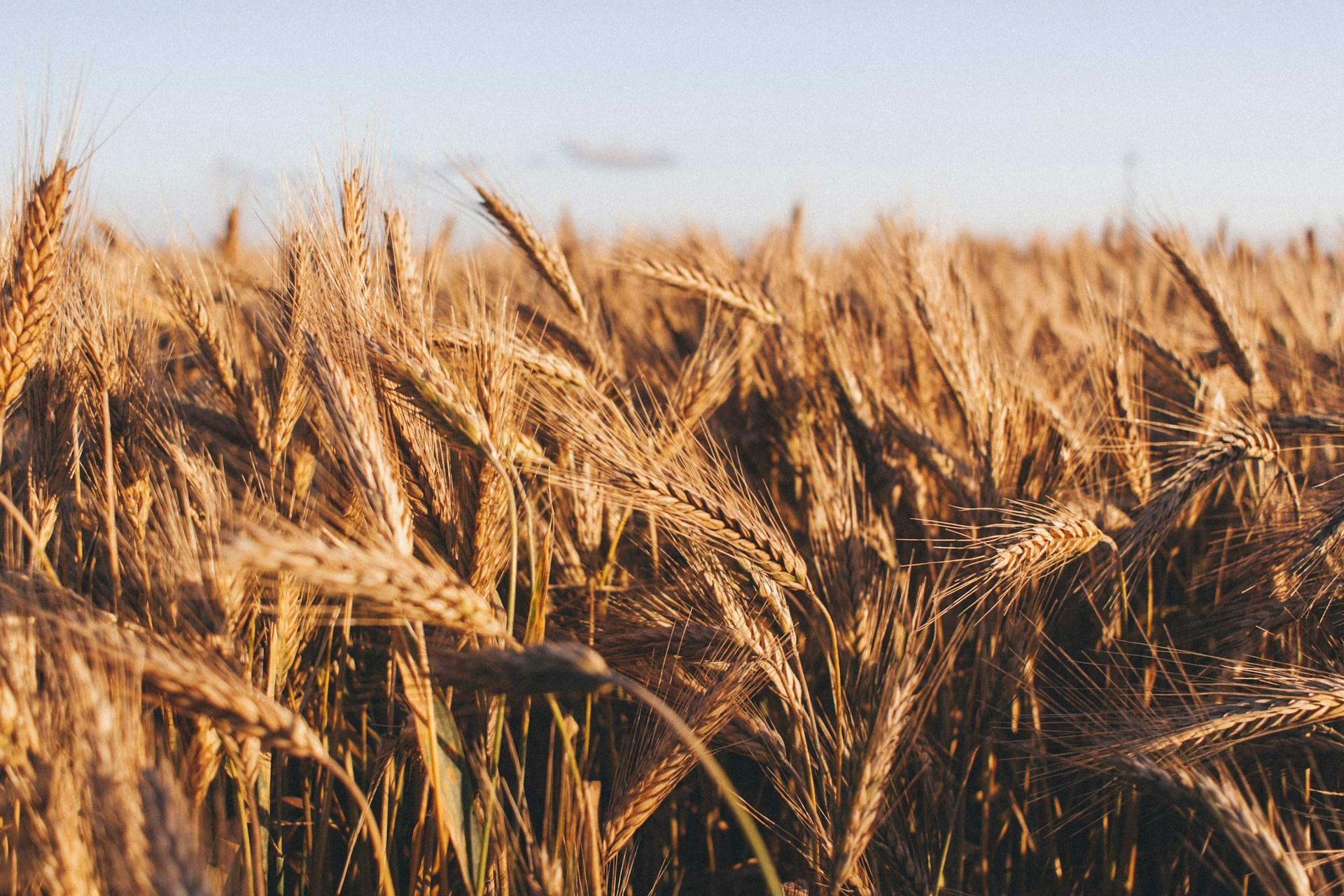
Areas of Surplus and Deficit
Globally, there are significant disparities in food security. Some regions enjoy a surplus of food, while others face severe deficits. The patterns of calorie intake and food supply reveal these disparities. High-income countries (HICs) often have high-calorie intake and abundant food supplies, but many low-income countries (LICs) and newly emerging economies (NEEs) struggle with food insecurity.
Global Patterns of Calorie Intake and Food Supply
In regions like North America and Europe, average calorie intake is significantly higher than the global average, reflecting a surplus in food supply. Conversely, regions in Sub-Saharan Africa and South Asia often have lower calorie intake, indicating food deficits.
Economic stability and agricultural productivity play a huge role here, and in some countries, this is a big problem for the food supply.
Reasons for Increasing Food Consumption
Economic development and rising populations are key drivers of increasing food consumption. As countries grow wealthier, their citizens can afford a more diverse and calorie-rich diet.
Additionally, a growing global population naturally increases the demand for food. Urbanisation also plays a role, as urban dwellers typically consume more processed and resource-intensive foods compared to rural populations, plus, fewer communities may build their economy on food production.
Factors Affecting Food Supply
The food supply can be impacted by so many different things from taxes to wars. In fact, we’ve seen the impact of a war in recent years. Ukraine’s wheat production has been huge for so many countries, who import wheat and grain from the country, but war brought pressure on production.
This is one example of a factor impacting food supply. There are many more…
Climate
Climate significantly influences agricultural productivity. Extreme weather events, changing precipitation patterns, and rising temperatures can all adversely affect crop yields. Regions prone to droughts or floods face particular challenges in maintaining stable food supplies.
Technology
Technological advancements in agriculture can boost food production, but access to such technology is uneven. Developed countries often have advanced farming equipment and techniques, while many developing regions lack these resources, limiting their agricultural productivity.
Pests and Disease
Pests and diseases can devastate crops and livestock, reducing food availability. Without effective pest control and disease management, agricultural output can suffer significantly, exacerbating food insecurity.
Did you know that growers lose up to 23% of their crops to disease every single year to infectious diseases spread between certain plants?
Water Stress
Water is a critical resource for agriculture. Regions experiencing water stress, whether due to natural scarcity or over-extraction, struggle to maintain adequate food production. Irrigation systems can mitigate some of these challenges but require significant investment and infrastructure.
Impacts of Food Insecurity
So, what happens when we can’t produce enough food? Sadly, this is something that the world has been having to deal with on a large scale, even though we live in a more global society and don’t rely on local production so much.
Famine and Undernutrition
Famine represents the most extreme form of food insecurity, where large populations face severe shortages of food, leading to widespread starvation and death. Undernutrition, on the other hand, refers to inadequate intake of nutrients, resulting in stunted growth and even susceptibility to diseases.
Soil Erosion
Intensive farming practices, often adopted to increase food production, can lead to soil erosion. This depletes the soil of essential nutrients, reducing its fertility and making future agricultural activities less productive.
Rising Prices
Food insecurity and sparseness often lead to rising food prices, making it even more difficult for vulnerable populations to afford adequate nutrition. This leads to even more hunger.
Strategies to Increase Food Supply
To address the challenge of food insecurity, various strategies can be employed to increase food supply. There is a huge industry here and big companies are working on a way to increase the supply.
Irrigation, Aeroponics, and Hydroponics
Irrigation systems can significantly enhance agricultural productivity by providing consistent water supply to crops. Aeroponics and hydroponics are innovative methods of growing plants without soil, using nutrient-rich solutions. These techniques can maximise space and resources, especially in urban environments.
The New Green Revolution and Biotechnology
The new Green Revolution focuses on sustainable agricultural practices, incorporating high-yield crop varieties, advanced irrigation techniques, and better pest management. Biotechnology, including genetically modified organisms (GMOs), can improve crop resilience and productivity.
Appropriate Technology
Appropriate technology refers to affordable, sustainable, and locally-adapted technologies that can enhance agricultural productivity. Examples include simple irrigation systems, improved seed varieties, and effective pest control methods tailored to the needs of smallholder farmers.
Example: Large-Scale Agricultural Development
An example of a large-scale agricultural development is Brazil's expansion of soybean farming. This development has boosted the economy and increased food supply but also brought challenges such as deforestation, which causes a lot of controversy.
Brazil is a country where food security is not brilliant, especially in certain areas. Agricultural developments like this can help to solve this problem, but may bring about more issues.
Organic Farming and Permaculture
Organic farming avoids synthetic chemicals, promoting biodiversity and soil health. Permaculture focuses on creating sustainable agricultural systems that mimic natural ecosystems.
Urban Farming Initiatives
Urban farming initiatives can bring food production closer to consumers, reducing transportation costs and emissions. These projects often involve community gardens or even rooftop gardens.
Sustainable Fish and Meat Sources
Sustainable sourcing of fish and meat involves practices that do not deplete resources or harm ecosystems. This includes responsible fishing, aquaculture, and livestock farming that prioritises animal welfare and environmental health.
Example: Sustainable Food Scheme in Kenya
In Kenya, a sustainable food scheme involves promoting agroforestry, where trees and crops are grown together. This approach enhances soil fertility, provides diverse income sources, and mitigates climate change impacts.
Conclusion
This is a global challenge, but some countries do not focus on it so much, especially if they have a good level of food security.
Various strategies, from technological advancements to sustainable practices, are necessary to address food insecurity and promote long-term food security. By improving the way we do things and implementing sustainable solutions, we can move towards a future where everyone has access to sufficient, nutritious food.
Reflection Questions
What are some ways we can boost food production in low income areas?
What are some of the biggest causes of food insecurity in the world?
Summarise with AI:
Did you like this article? Rate it!

 Loading...