Weather hazards are among the most important natural phenomena on our planet, having the ability to change peaceful landscapes into scenes of absolute chaos within hours or even minutes.
From hurricanes that batter coastlines with 100 mph winds, to the more subtle yet equally devastating impacts of extreme weather in the UK, learning about weather hazards will both satisfy your geographical curiosity and equip you with the knowledge to survive should one strike. Keep reading below to find out more!


What is Global Atmospheric Circulation?
Global atmospheric circulation is the large-scale movement of air that redistributes thermal energy across the Earth's surface.
Global Atmospheric Circulation is crucial for the weather patterns and climate we experience worldwide. But what exactly is it, and how does it work?
This complex system involves the large-scale movement of air masses driven by the uneven heating of the Earth's surface and the planet's rotation. The sun provides energy to Earth, but this energy is not evenly distributed. The equator receives the most intense sunlight, causing the air to heat up and rise, creating a low-pressure zone. As the warm air rises, it cools and moves towards the poles at high altitudes.
When this air reaches around 30 degrees latitude north and south, it then cools further and sinks which forms high-pressure areas known as subtropical highs. The descending air then moves back towards the equator along the surface, creating trade winds that blow from east to west - this circulation pattern is known as the Hadley cell.
Between 30 and 60 degrees latitude, we find the Ferrel cell. Here, surface winds move from the high-pressure subtropics to lower-pressure areas at higher latitudes, resulting in westerly winds that blow from west to east.
Finally, the polar cell exists between 60 and 90 degrees latitude in both hemispheres. In this cell, cold, dense air sinks at the poles and moves towards the equator along the surface, creating the polar easterlies as a result.
Hadley Cell ⬅️
Winds blowing from East to West
➡️ Ferrel Cell
Winds blowing from West to East
Polar Cell ❄️
Winds moving from the poles towards the equator
These three circulation cells (Hadley, Ferrel, and Polar) work together to distribute heat and moisture around the planet. Without this system we wouldn’t have the diversity of weather patterns and climatic zones we currently do.
What Causes Tropical Storms?
Tropical storms, also known as hurricanes, cyclones, or typhoons depending on where they occur are created by very specific conditions.
Generally, these powerful storms only form over warm ocean waters that are at least 27°C and where there is an abundance of moisture in the air.
The most common place you’re likely to encounter a tropical storm is in the tropics, between 5° and 20° latitude from the equator - so watch out next time you’re on holiday!
The process begins when a group of thunderstorms begin gathering over warm water. As the sun continues to heat up the ocean's surface, warm and moist air rises, creating an area of low pressure.
Soon after, cooler air from the surrounding areas rushes in to replace the rising warm air, and as this new air warms up and becomes moist, it also rises. This cycle is then repeated, allowing the storm to gain energy and strength.
As the storm continues to get stronger, the earth's rotation causes it to spin due to something called the Coriolis effect. Fascinatingly, storms rotate counterclockwise in the Northern Hemisphere, while they do the exact opposite in the Southern Hemisphere.
At the height of its power, a storm can be divided into several distinct parts. The first of these, the eye, is a calm and clear area located at the centre which stretches for miles and miles.
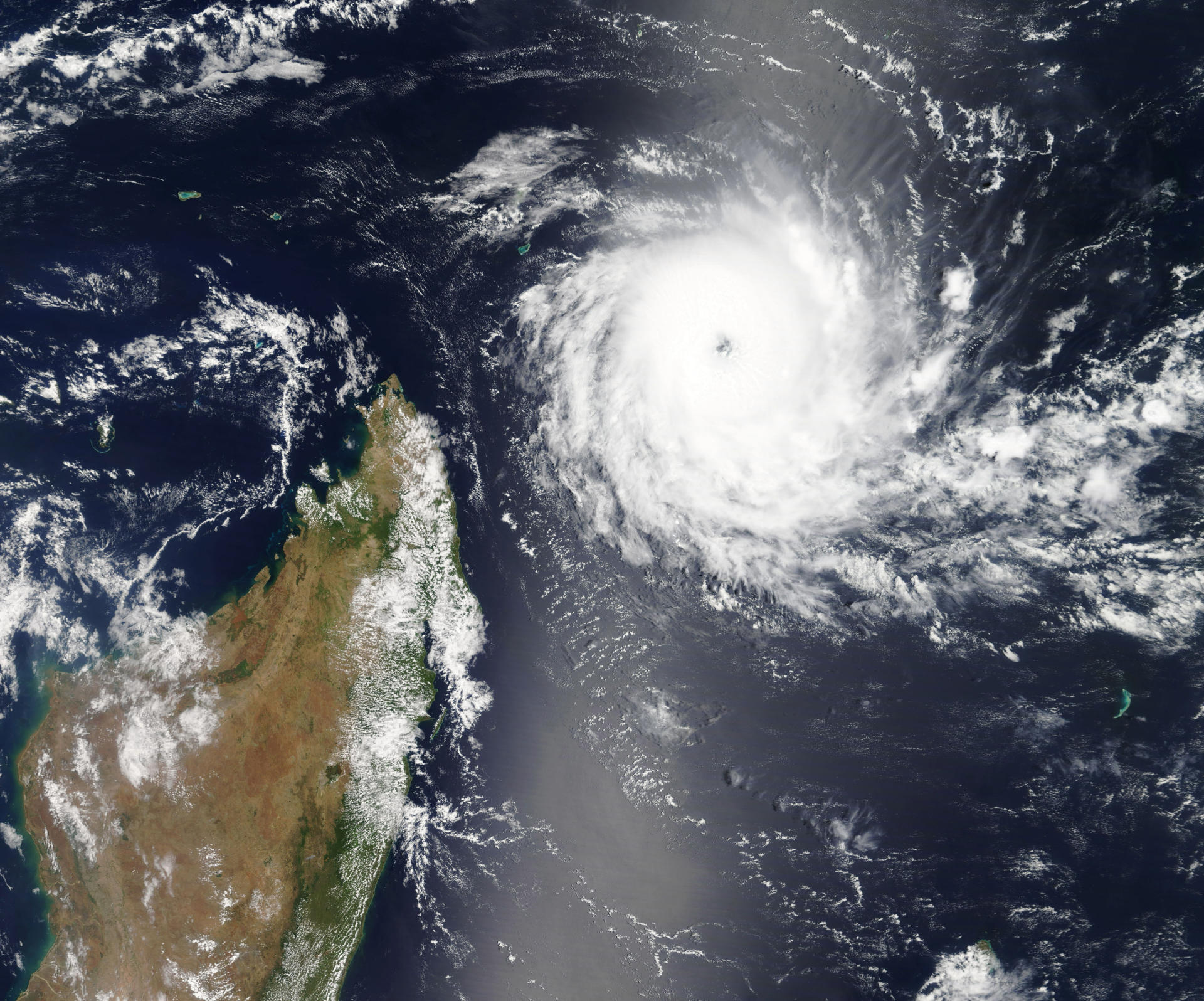
The next, the eye wall, is the most dangerous part of the storm, being made up of intense thunderstorms where heavy rain and winds wreak havoc. Extending outward from the eye wall are what are called the rainbands - spiralling bands of heavy rain and thunderstorms that can stretch endlessly across the horizon.
How Do Communities Respond to Tropical Storms?
Sadly, tropical storms wreak havoc on communities across the world on a yearly basis. Extreme winds, heavy rainfall, and storm surges result in extensive flooding and widespread destruction of homes and critical infrastructure.
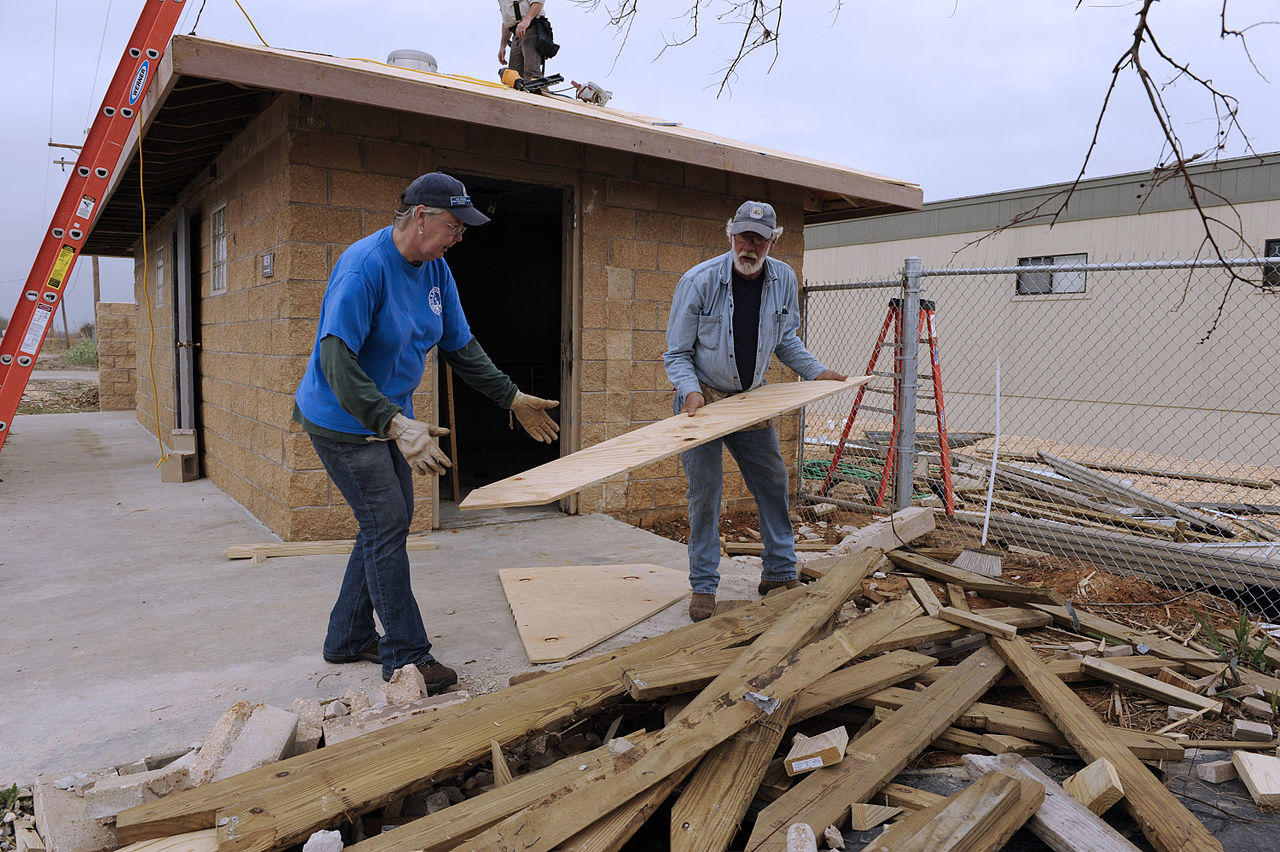
As a result, often the most immediate response by governments is focused on emergency measures to save lives and provide essential services like food and water. Search and rescue operations are typically the priority with specialized teams being deployed to locate and assist people who are trapped or injured. Additionally, emergency shelters are usually set up to provide a safe haven for those who have lost their homes or who are injured.
However, even after the immediate crisis has passed, many communities find it challenging to recover for many months or even years. Long-term recovery often involves rebuilding critical infrastructure that has been damaged or destroyed - this includes things like homes, schools, hospitals, and roads.
What Types of Weather Hazards Does the UK Experience?
While the UK rarely has to worry about tropical storms, it still has its own fair share of adverse weather events due to its temperate maritime climate.
Famous for its rainfall, the nation often has to deal with severe flooding when storms cause rivers to overflow, drains to become overwhelmed and low-lying areas to become completely waterlogged.
Alongside this, strong winds can also cause widespread damage during the winter months, with uprooted and other dangers posing a risk to both the general public and surrounding infrastructure.
Lastly, snow and ice present another challenge, particularly in areas unaccustomed to severe winter weather. When heavy snowfall strikes, transportation systems (especially trains) tend to grind to a halt in the UK - much to people's annoyance.
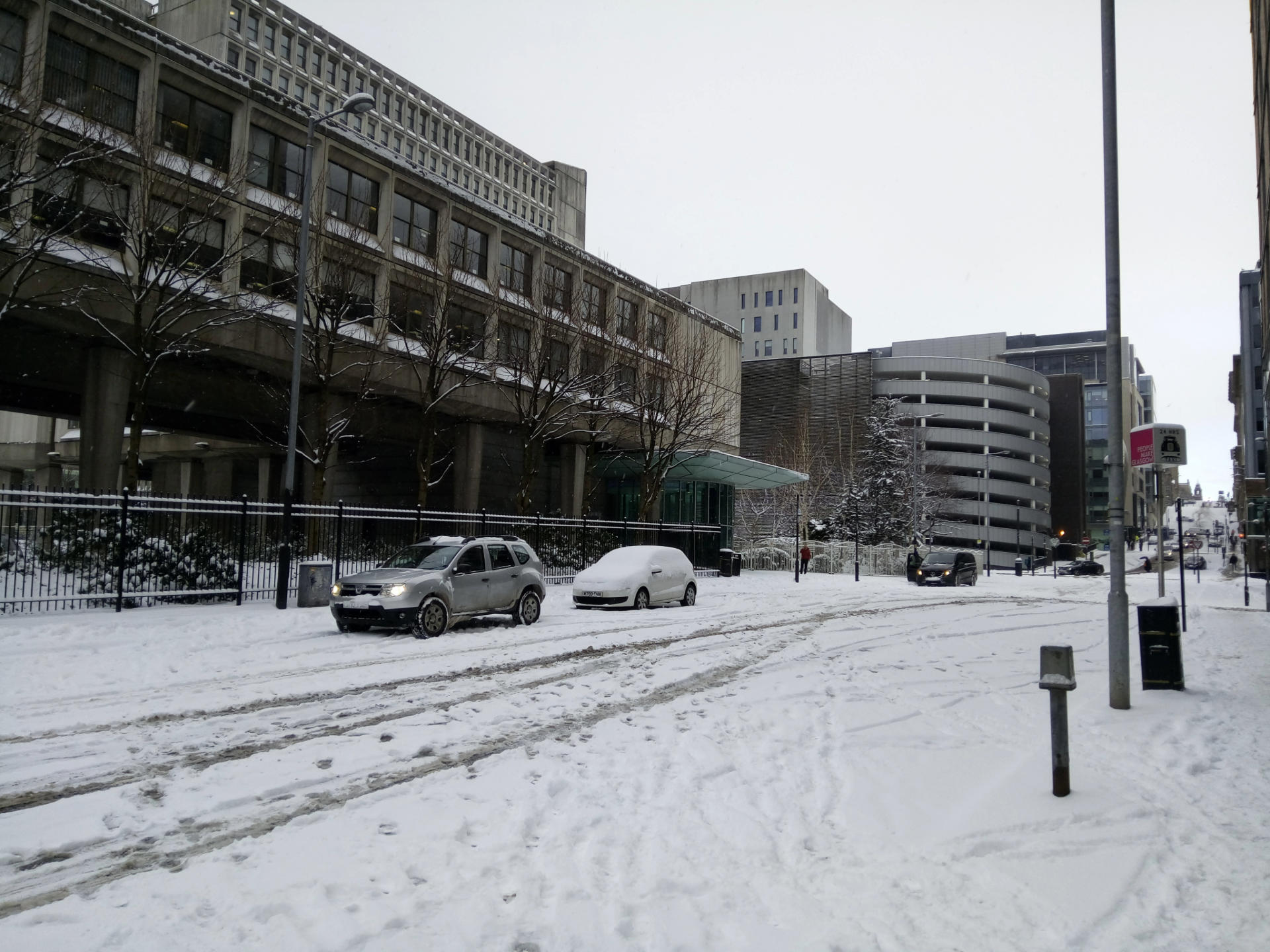
One of the most recent examples of this came with the storm named the “Beast from the East” in 2018 which caused widespread disruption. The severe weather conditions ultimately led to thousands of schools being closed, hundreds of flights being cancelled, and numerous road accidents taking place.
How Does the UK Deal with Weather Hazards?
The UK deals with weather hazards by using a mix of advanced technology, strategic planning and community involvement.
One of the most important roles is played by the Met Office whose job it is to predict when these severe weather events are likely to happen. These forecasts provide early warnings, giving Brits time to prepare and respond in time - whether that means reinforcing defences or evacuating areas at risk of floods.
Additionally, flooding itself is managed through measures such as the Thames Barrier, which protects London from storm surges, and by the environment agency that monitors ground moisture levels to predict when floods may occur.
During extreme cold, local councils around the UK deploy gritters and snowploughs to keep the roads clear, while Public Health England also issues cold weather warnings to keep the general public safely tucked up indoors.
Is Climate Change Making Weather Hazards More Common in the UK?
Unfortunately, there is a growing amount of evidence that climate change is causing weather hazards to become more common in the UK. As global temperatures continue to rise, severe heat waves, once a rarity in the UK, are becoming more and more frequent. In fact, scientists have predicted that by 2070, hot days could become sixteen times more common than in the past.
Likewise, rainfall patterns are also shifting due to climate change as well, resulting in heavier rainfall which naturally leads to flooding. Additionally, storms are becoming more intense due to warmer sea surface temperatures, causing stronger winds and more damage across the country.
Conclusion
In conclusion, weather hazards are an increasingly common issue for countries around the world. From atmospheric circulation patterns to region-specific challenges such as tropical storms, floods, and extreme temperatures, weather hazards can quickly cause chaos for communities that are not prepared.
Unfortunately, climate change is making the severity and frequency of these weather hazards worse. Once famous for its mild albeit rainy climate, the UK is now experiencing extreme weather on an increasingly regular basis as well.
Summarise with AI:
Did you like this article? Rate it!

 Loading...