In this article, we will discuss decomposition and decay in detail. We will especially focus on factors that speed up or slow down the decomposition process along with the steps that can be taken to increase food security and sustainability.









Introduction
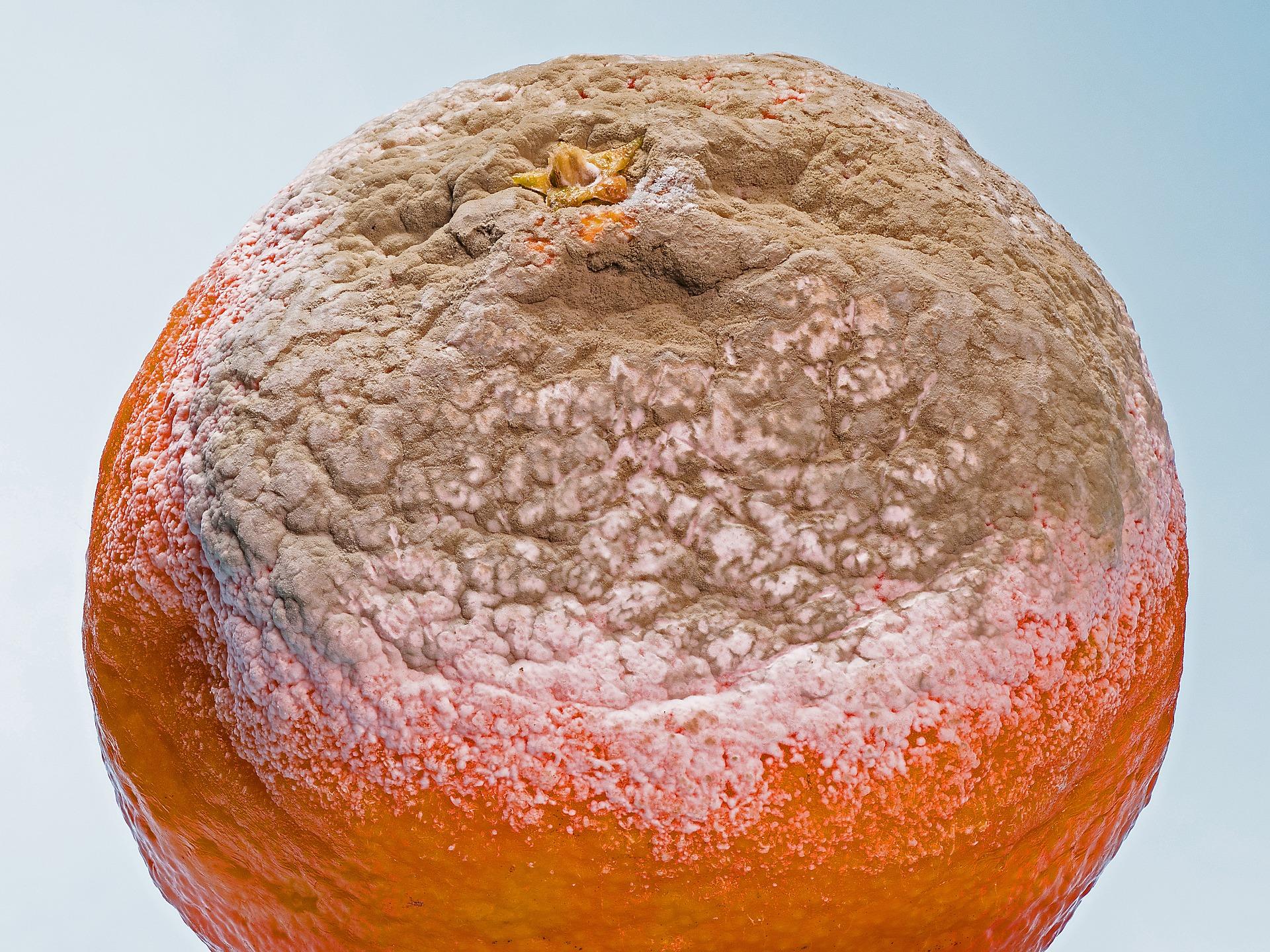
Decomposition or decay, sometimes also referred to as rotting, is the breakdown and digestion of dead matter and wastes by the microorganisms such as bacteria and fungi. These microorganisms are also called decomposers.
Factors that Affect Decomposition
Decomposition is critical for the cycling of important nutrients such as carbon and nitrogen. The three main factors that affect the rate of decomposition are temperature, water, and oxygen.
Temperature
Decomposing organisms work better in warmer conditions as compared to colder conditions. Since they a less active in colder temperatures, therefore we put our food items in the refrigerator to increase their life. Extremely high temperature is also not suitable for decomposing organisms.
Water
Every living organism needs water to survive. The same goes for the organisms that participate in the decomposing process. With little or no water, the decomposing organisms can not survive. Most decomposing organisms also secrete enzymes on decaying biological matter and then absorb any dissolved molecules. Without water, this process cannot take place. That is why food and meat are dried to increase their life.
Oxygen
Decomposing organisms need oxygen for respiration and without respiring they may not survive. When the oxygen level increases, the quantity of the decomposers also increases and the rate of decomposition will be a lot quicker. Canned foods have a greater shelf life because of this reason.
The process of decomposition has several industrial usages, for instance, the production of compost. Compost is the decaying dead matter which is used as a fertilizer for the growth of plants and crops. The decomposition is also used in sewage treatment plants. The microorganisms break down the wastes so that they can be released back into the rivers and the seas. Some microorganisms carry out anaerobic respiration in the absence of oxygen, although the rate of anaerobic respiration is less than aerobic respiration, it still produces a mixture of biogases such as methane, and these gases are used in biogas generators to provide fuel to homes.
Food Security
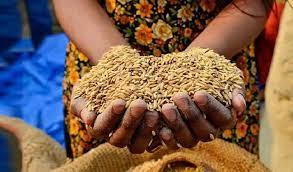
Food security is the measure of the availability of sufficient, affordable, and nutritional food to the population of a specified area.'
Factors that Affect Food Security
Factors such as increasing human population, changing diets, global warming, new pests and pathogens, non-food crops, poverty, and armed conflicts, are decreasing the level of food security in some areas.
Increasing Human Population
There is a rapid increase in the human population in the last century which has posed a serious threat to food security. The birth rate is very high in developing countries. Now, many people also have access to better medical care and this has also contributed towards an increase in the human population.
Changing Diets
Many scarce food resources from the developing countries are transported to the developed countries, as people in developed countries are now consuming more animal-source fast foods, sugars, fats, oils, and processed food. These changing diets have made food resources more scarce in developing countries.
Global Warming
Environmental changes such as global warming have badly affected food security. Some areas are now receiving more rain which has caused flooding, while some areas are experiencing droughts.
Pests and Pathogens
Farming is affected by new pests and pathogens that attack crops and farm animals.
Poverty and Increased Cost of Farming
The cost of irrigation, machinery, and livestock has increased which has made farming too expensive. This has resulted in reduced farming and food production especially in underdeveloped countries.
Armed Conflicts
Armed conflicts and civil wars have made food resources scarce in some countries.
Non-food Crops
The increased farming of non-food crops such as cotton, flax, rubber, tobacco, opium, and fuel crops such as firewood has adversely affected the problem of food security.
Sustainability of Food Resources
Sustainability is meeting the needs of the present without compromising the ability of future generations to meet their own needs. A sustainable resource is produced as quickly as it is removed from the environment so that it does not run out. There are two types of resources: renewable and non-renewable. Nature replaces some resources itself such as water and these resources are called renewable resources.
Global warming and other environmental changes are the biggest threats to the sustainability of these resources. Some resources such as coal, oil, and natural gas are non-renewable because they cannot be replaced so they need to be conserved by reducing the usage of these resources and finding alternative sustainable resources.
All types of resources whether renewable or non-renewable affect the level of food security directly or indirectly. Sustainable food security will require sufficient food production, affordable prices, and the sufficiency of food in terms of its nutritional value. Sustainable methods of farming and food production are required to overcome the shortages of food, especially in developing countries.
Farming Techniques and Equipment
The efficiency of food production can be improved by using modern farming techniques and equipment. Adding industrial fertilizers to the soil and removing pests and pathogens away from the crops can increase food production.
Sustainable Fisheries
Fish stocks in the world are on the decline, and to counter this, strict regulations should be imposed. These regulations include imposing quotas on the weight and species of fish that can be caught, limiting the size of nets, and increasing the mesh size on fishing nets to allow smaller fish to escape so that they can reach adulthood to breed.
Biotechnology and Genetic Modification
To meet the food demands of the growing human population, a lot of biotechnical solutions including genetic modification can be used. These techniques could also result in the production of relatively cheap food. These techniques grow large quantities of microorganisms, that are then used to increase the quantity and nutritional value of different food. For instance, the fungus Fusarium is useful for producing mycoprotein- a protein-rich food suitable for people who cannot eat meat. There is a lack of knowledge about these techniques in under-developed countries.
Seasonal food Consumption
The food can now be stored for a longer period and is available out of season. By encouraging people to eat seasonal foods, we can create food sustainability.
Reduction of Food Wastes
A lot of food is wasted especially in developed countries. We can enhance food sustainability by taking the steps to reduce this waste.
Summarise with AI:
Did you like this article? Rate it!


 Loading...
i like the article
Hi Sam! Thank you! Great to hear that you found this resource useful.
welcome
Hi Suunu! Thanks for reaching out. Hope you’ve found this resource useful 😊!
i have learnt a lot which i did not know
am senior three student but this is cool
Am impressed
Am impressed
learning is the best