Biotic and abiotic factors influence the abundance and distribution of organisms in an ecosystem. Plants and animals have adaptations that enable them to compete for resources. In this article, we will discuss extremophiles such as xerophytic plants, cacti, and marram grass in detail. But before proceeding to discuss that, first, let us discuss what are extremophiles.









What are Extremophiles?
An extremophile is defined as:
An organism living in an extreme environment is referred to as an extremophile.
An extreme environment is an environment in which the majority of the organisms would find it hard or even impossible to survive. Some organisms live in extreme environments that have extremely high or low temperatures, pressures, or high concentrations of salt. The organisms including plants and animals in these regions have highly specialized adaptations. Some examples of extreme environments include polar regions, hot geothermal springs, the deep ocean bed, and the tops of the highest mountains.
The Polar Regions
The North pole of our earth is known as the arctic. This region contains polar bears. On the other hand, the south pole is known as the Antarctic and contains no polar bears. However, this region of earth has many penguins. Both the Arctic and Antarctic are very cold. The average temperature of these regions is as allowed as – 40oC. During the northern hemisphere summer, the north pole has 24 hours of daylight. On the other hand, the south pole has 24 hours of the night during the summer. This time is reversed during the winter of the Northern hemisphere.
Polar bears
Animals, for instance, polar bears, have adaptations that allow them to live in these conditions at the North pole. For insulation and camouflage, they contain thick white fur. They have a strong sense of sight and smell to hunt prey. To avoid heat loss and a thick layer of fat to keep warm, the polar bears have a small surface area.
Penguins
At the south pole, there are many penguins instead of polar bears. Penguins in this region have the majority of the same adaptations. Moreover, the male emperor penguins have adapted to insulate the egg on their feet throughout the winter season. This is an example of behavioural adaptation rather than a physical adaptation.
Deep-sea volcanic vents
Deep-sea volcanic vents are regions on the ocean floor where the bubbling of volcanic gases of underground magma chambers occurs. These create extremely hot plumes of gases. They are characterized as extreme environments due to the high heat and pressure that is present at the bottom of the ocean. Besides being hot, these regions are extremely dark.
In these places, bacteria survive by feeding on chemicals that are released from the volcanic vents. Worms survive on these bacteria, and other species feed on the worms. In the past, it was thought that all food chains and webs originated from photosynthesizing plants and algae. The main producers in these regions are bacteria that survive on chemicals. The ecosystem in these places is unique as compared to the rest of the earth.
Organisms in the bottom of the oceans find it difficult or nearly impossible to move from one vent to another due to the extreme environment. This has given rise to several hydrothermal vents that have evolved certain species separately and are only found in this specific location. Animals survive in these conditions due to the adaptations.
In the next section of the article, we will discuss the plants such as xerophytic plants, cacti, and marram grass that have special adaptations that allow them to survive in the environment where they are found.
Xerophytic Plants
Plants that are found in an environment that has an abundant supply of freshwater contain leaves with a short diffusion distance through the stomata. These plants contain a large surface area created by the air spaces in the spongy mesophyll. Due to these attributes, these plants are prone to water loss.
Plants that are found in an environment where there is a limited amount of freshwater available have certain adaptations that allow them to conserve water. These adaptations include:
- Tiny leaves: Small leaves in the plants ensure that there is less water loss from the plant through transpiration due to the smaller surface area of the leaf.
- Taproots: Xerophytic plants have long roots which are usually 7 to 10 meters long. The long length of these roots enables them to reach deep under the ground to access water supplies. The taproots of these plants are larger and bigger to an extent that they can be seen at the surface.
- Spines: Some plants contain spines instead of leaves. Due to the spines, these plants lose less water as compared to the leaves. This makes these plants efficient in a hot climate. The spines in these plants also protect them against animals.
- Waxy skin: Some leaves contain thick, waxy skin on their surface. The waxy skin minimizes the loss of water through transpiration.
- Water storage: Some plants, referred to as succulents, store water in their stems, roots, or fruits. Plants that store water in their stems and leaves contain thick waxy skin so that the water loss is less due to transpiration.
Plants with the adaptations listed above are known as xerophytic plants.
Cacti
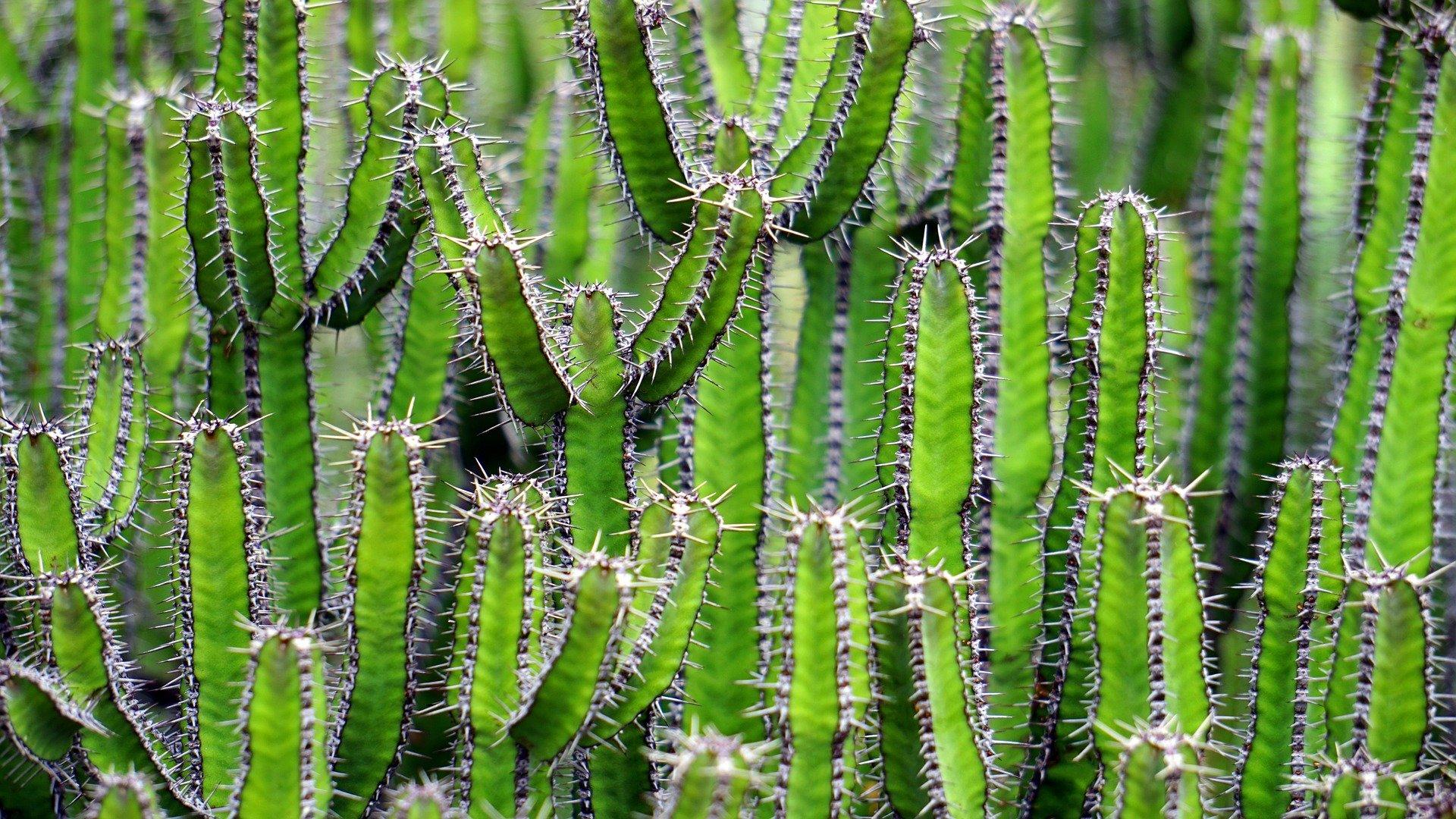
Cacti are present in the deserts of the USA and are one of the most popular xerophytes. These plants have many adaptations which include:
- To stop the process of photosynthesis, their leaves have become spines.
- Photosynthesis in these plants occurs in green steam which contains chloroplasts
- Their stems have a thick cuticle that has an extremely large diameter which enables them to store water.
- They are not only shallow but also have deep penetrating roots which enable them to access all available water.
Marram Grass
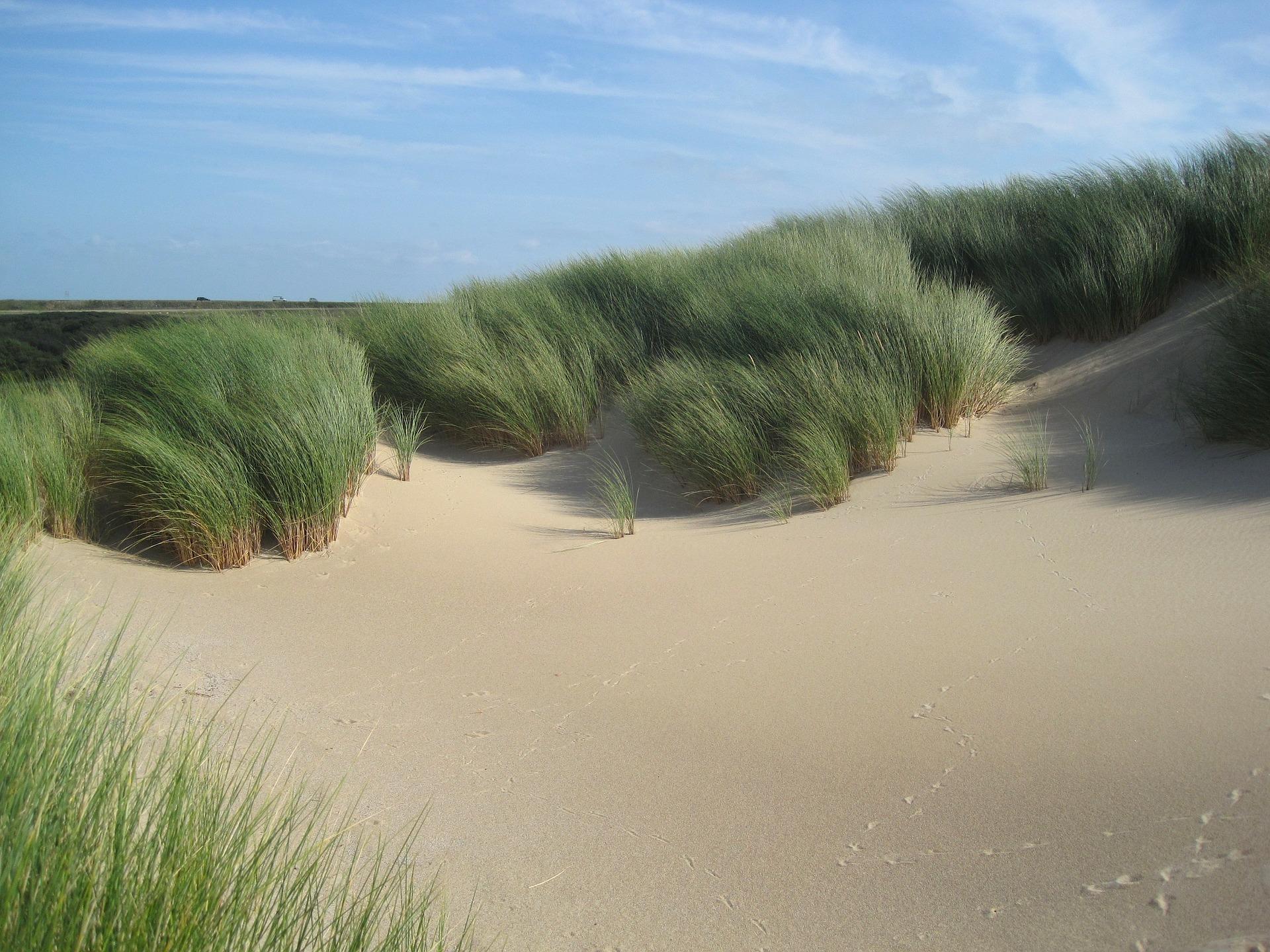
Another example of an extremely dry environment is sand dunes. The plants found in sand dunes have evolved to survive. Marram grass is widely found in these sand dunes. The leaves of this plant have adaptations to minimize water loss.
- Leaves can roll up to minimize the exposure of surfaces to the wind.
- The rolling of leaves creates deep grooves which safeguard the stomata.
- There is no stomata on the exposed surface and have a thick cuticle.
- The inner surface of the leaves has a large number of hairs to trap air.
Summarise with AI:
Did you like this article? Rate it!


 Loading...
i like the article
Hi Sam! Thank you! Great to hear that you found this resource useful.
welcome
Hi Suunu! Thanks for reaching out. Hope you’ve found this resource useful 😊!
i have learnt a lot which i did not know
am senior three student but this is cool
Am impressed
Am impressed
learning is the best