In this article, you will learn what are the functions of cell structures as seen under a light microscope. In addition to this, we will also discuss different types of specialized cells present in animals and plants.









Common Structures in Plant and Animal Cells
All organisms are made up of cells that are specialized to perform a specific task. For in-depth analysis of the cells and their structures, we need a light or an electron microscope. When observed under a light microscope, animal and plant cells share many common structures. The common structures in animal and plant cells along with their functions are discussed below:
Cytoplasm
It refers to a jelly-like material that has dissolved nutrients and salts along with the structures known as organelles. The cytoplasm is the structure where many chemical reactions occur.
Nucleus
It controls all the activities of the cell and contains genetic material including DNA.
Cell membrane
It controls the movement of materials in and out of the cell.
Ribosomes
It is the tiny organelle in the plant or animal cell where protein synthesis happens.
Additional Structures in Plant Cells
Plant cells also have some additional structures which will be discussed in this section. It means that these structures are exclusive to the plant cells and are not present in animal cells.
Chloroplasts
It refers to the organelles that have the green pigment known as chlorophyll which absorbs light energy to carry out the process known as photosynthesis. Photosynthesis becomes possible due to the presence of certain enzymes in this structure.
Cell Wall
This structure is made up of cellulose fibres and it strengthens the plant cell and supports the plant.
Permanent Vacuole
It is filled with cell sap for keeping the plant cell turgid.
Vacuoles may also be present in animal cells, however, unlike plant cells, they are small and temporary. In animal cells, vacuoles are employed to store or transport materials.
In the next sections of the article, we will discuss specialized animals and plant cells.
Specialized Animal Cells
Different types of cells are present in animals and plants that work together. The cells that are adapted to perform a specific function are known as specialized cells. The specialized cells have developed specific characteristics that help them to carry out specific functions. The differences in specialized cells are controlled by the genes in the nucleus. Cells become specialized through the process of differentiation. Differentiation is the process that enables these cells to develop the structure and characteristics that are required to carry out their specialized functions. Some of the specialized cells in animals are explained below:
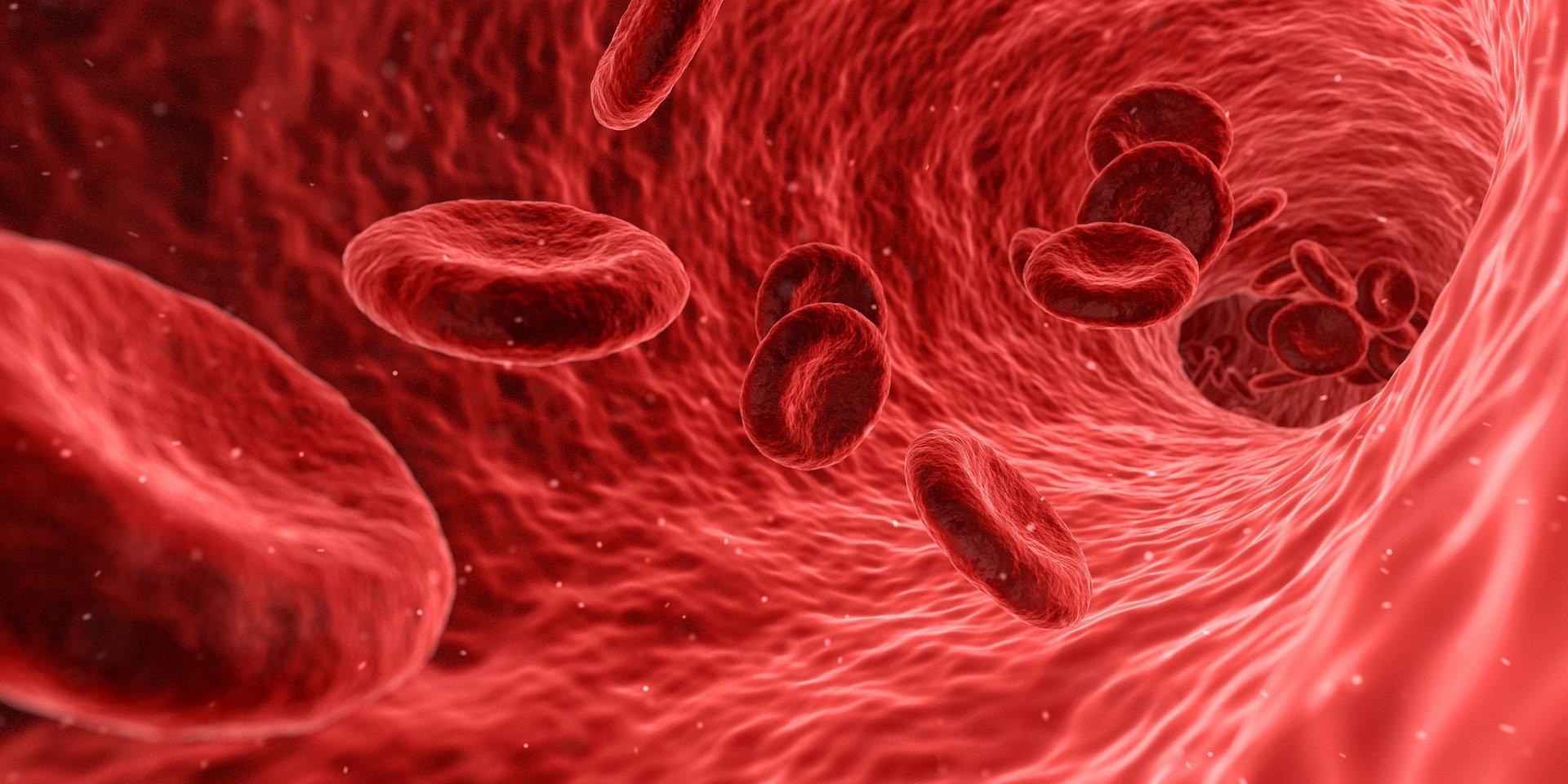
Red Blood Cells
These cells carry oxygen throughout the body. They in fact transport oxygen from the lungs to body tissues to enable aerobic respiration. They perform this function due to the following attributes:
- They have haemoglobin that carries oxygen molecules.
- They do not contain a nucleus which gives them more space to carry oxygen.
- They are bi-concave, i.e., they have a flat disc shape which gives them a large surface area and a great option to absorb as much oxygen as they can.
Ciliated Cells
These cells have a thin layer of small moving "hairs" known as cilia. They are known to push and move mucus from one place to another. The cilia present in the respiratory tract transport mucus that contains trapped dust and microbes.
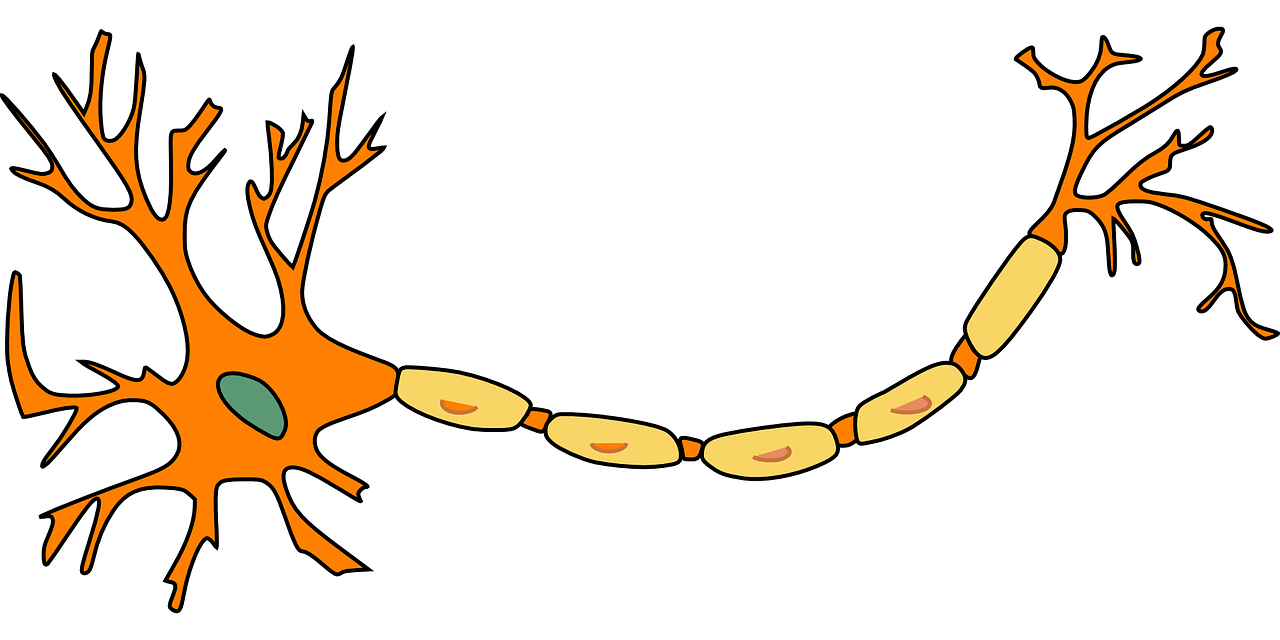
Nerve Cells
Nerve cells adapted to carry electrical signals. They are suitable for this function because of the following attributes:
- They are thin and can have a length of 1 meter. It means that they can transmit messages up and down the body over large distances.
- These cells contain branched connections at each end which connect to other nerve cells to enable the transmission of messages around the body.
- A fatty (myelin) sheath surrounds these cells. This fatty sheath enhances the speed at which the message can travel.
Sperm Cells
These cells are adapted to carry out the process of reproduction. They contain the following parts:
- Head: It contains the genetic material for the process of fertilization in a haploid nucleus. A haploid nucleus contains half the normal number of chromosomes.
- Acrosome: Digestive enzymes are present in the acrosome in the head.
- Mid: This piece has mitochondria to release energy required for swimming and fertilizing the egg.
- Tail: The tail helps this cell to swim
Egg Cells
These cells are also needed for the process of reproduction in animals. They have the following attributes:
- Cytoplasm: These cells have plenty of cytoplasms that contain nutrients that help in the early growth of the embryo.
- Haploid nucleus: It contains the genetic material for fertilization
- Cell membrane: These cells have a cell membrane that alters after fertilization by one sperm so that no more sperm can enter.
Specialized Plant Cells
In this section, we will discuss the functions and parts of the specialized plant cells.
Root Hair Cells
These cells absorb water and mineral ions from the soil. They have the following parts help in performing their primary function, i.e. absorption:
- Root hair: It enhances the surface area of the cell to enable maximum absorption of water and mineral ions
- Walls: They are thin so that water can move through them quickly.
Palisade Mesophyll Cells
These cells are adapted to carry out the process of photosynthesis. Photosynthesis is the process through which plants make their own food. The following features are present in them which enable them to carry out the process of photosynthesis:
- Column shaped: Their column-shaped structure helps in maximum absorption of sunlight. Moreover, it also helps to fit as many cells in the upper epidermis of the leaf as possible.
- Several chloroplasts: They contain many chloroplasts for maximum photosynthesis.
Xylem Cells
These cells help in the conduction of water through the plant and provide support to the plant. Their special features include:
- Having no top and bottom walls between xylem vessels to ensure continuous column of water running through them.
- The walls of these cells become thickened with a substance known as lignin which helps these cells to provide support to the plant.
Summarise with AI:
Did you like this article? Rate it!


 Loading...
i like the article
Hi Sam! Thank you! Great to hear that you found this resource useful.
welcome
Hi Suunu! Thanks for reaching out. Hope you’ve found this resource useful 😊!
i have learnt a lot which i did not know
am senior three student but this is cool
Am impressed
Am impressed
learning is the best