Searching Through Space: The Electromagnetic Spectrum
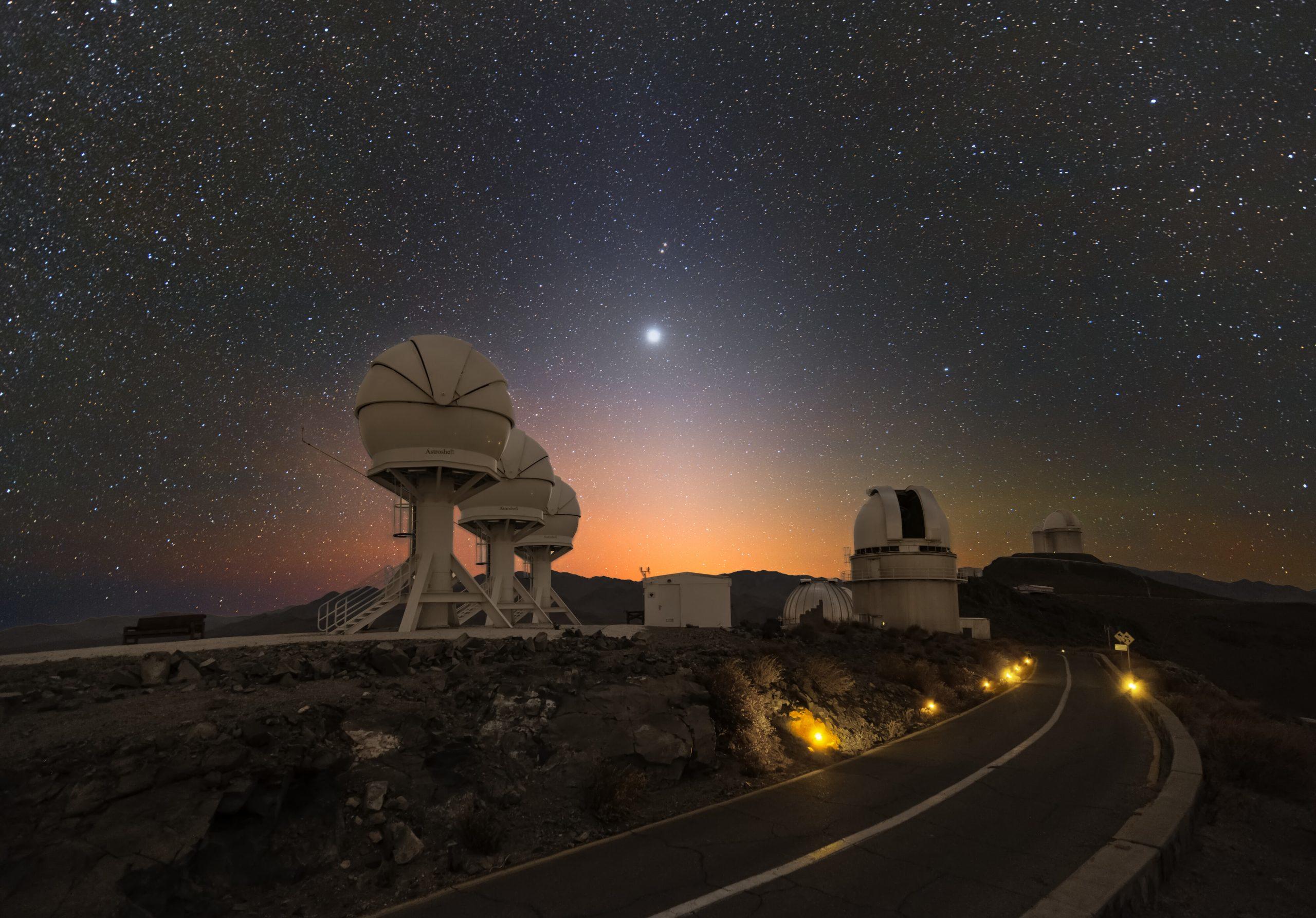
With each technological leap, our ability to see further into space slowly increases. And over time, this has led us to uncover celestial phenomena that have left scientists and casual stargazers in awe-. Interestingly, a game-changing tool in these discoveries is using the electromagnetic spectrum, specifically its diverse range of wavelengths like radio and gamma rays. Let's look into how this offers astronomers and other scientists many unique opportunities to understand the complexities of outer space.
The Basics of Electromagnetic Radiation
Electromagnetic radiation is a kind of energy that comes in many forms, from long radio waves to short gamma rays. The light we can see with our eyes is just a tiny part of all these types. In science, using different kinds of radiation can help us see and understand things in space that we can't see with just regular light. Moreover, these different wavelengths can penetrate through dust and gas, revealing the hidden structure of galaxies, nebulae, and other heavenly bodies.
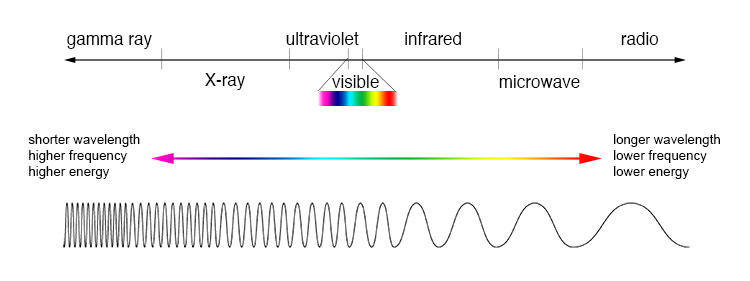
(credit: NASA's Imagine the Universe)
Radio Waves: Radio waves generally study celestial objects like pulsars and cosmic microwave background radiation.
Microwaves: Microwaves (not those found in people's kitchens!) help map the distribution of matter in the universe.
Infrared: Provides a glimpse into the formation of stars and planetary systems.
Visible Light: Traditional telescopes use this range to capture detailed images of planets, stars, and galaxies.
Ultraviolet: Ultraviolet allows for observing young stars and the surrounding ionized gas.
X-rays are an effective tool for studying fascinating phenomena such as black holes and neutron stars.
Gamma Rays: Gamma rays are used to explore extreme events like supernovae and gamma-ray bursts.
How Do Wavelengths Reveal Different Types of Information?
Each type of electromagnetic radiation gives us a unique way to look at objects in space - almost like using different lenses on a camera. For instance, radio waves are great for examining the overall structure of galaxies. On the other hand, infrared light can cut through dust clouds and show us areas where new stars and planets are forming. Due to this, astronomers often use various telescopes tuned to different types of radiation to get a more complete view of what they're investigating.
Complementary Data: Using more than one part of the spectrum provides a fuller understanding.
Resolution and Detail: Shorter wavelengths like X-rays and ultraviolet can offer higher resolution.
Depth of Field: Longer wavelengths can penetrate obstacles, allowing us to see inside of them.
Type of Information: Different wavelengths can reveal temperature, composition, and other essential properties.
Advancements in Multi-Wavelength Astronomy
Over time, technological progress has resulted in more advanced scopes that can watch various wavelengths simultaneously. These multi-wavelength platforms enable instant comparisons between different sorts of electromagnetic waves. Moreover, telescopes in space don't have to deal with Earth's atmosphere, which can mess with or even hide some wavelengths. Due to this, our grasp of complicated phenomena such as black holes, supernovae, and even the early universe has drastically improved.
Space-Based Telescopes: Hubble, Chandra, and Spitzer are examples of telescopes that offer different wavelength capabilities.
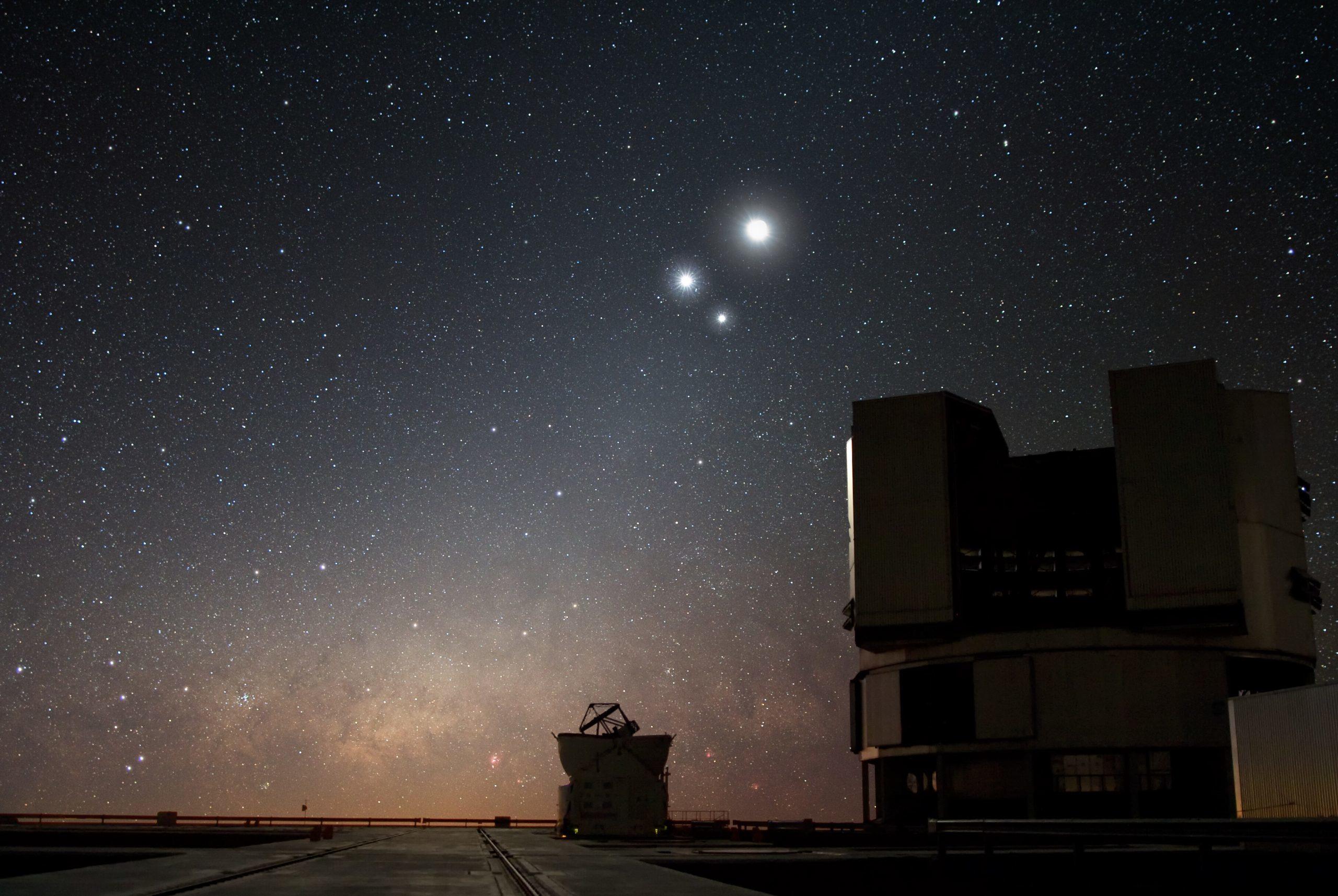
Ground-Based Observatories: Facilities like the Very Large Telescope (VLT) provide high-resolution observations across multiple wavelengths.
Data Analysis: Advanced software now enables the synthesis of multi-wavelength data into comprehensive models.
The Role of Artificial Intelligence in Multi-Wavelength Astronomy
One of the latest advancements in studying space with various types of light involves using artificial intelligence (AI) and machine learning. These cutting-edge technologies are helping astronomers sort through massive amounts of data much more efficiently than before. As a result, AI is accelerating our ability to make discoveries, such as understanding gravitational waves or exploring how dark matter interacts with other elements in the universe.
Automation: AI algorithms can automatically sort and analyze incoming data.
Anomaly Detection: Machine learning helps identify unusual patterns in multi-wavelength data, thus flagging potential discoveries.
Predictive Models: Advanced algorithms can forecast future celestial events based on existing multi-wavelength data.
Collaboration Amongst Scientists

Additionally, the area of studying space has dramatically improved thanks to collaboration across various scientific fields. For example, physicists, engineers, and computer scientists are now collaborating with astronomers to create new tools and methods for observing the cosmos. This combined expertise allows us to see space in much greater detail. In addition to this, these partnerships are also leading to innovative approaches in telescope design, data collection, and analysis methods.
Nanotechnology: Promising advances in nanomaterials are contributing to developing more sensitive detectors.
Signal Processing: Collaboration with electrical engineers enhances the quality of captured data.
Software Engineering: The development of robust software platforms supports the immense computational needs of multi-wavelength astronomy.
The Unexplored Parts of the Spectrum
Although we've made significant steps in exploring the electromagnetic spectrum, certain areas are still not completely understood. For example, terahertz radiation, which lies between microwaves and infrared on the spectrum, is still undergoing research. This range could offer insights into the early formation of galaxies and even shed light on dark matter - one of the universe's greatest mysteries!
Terahertz Scopes: Although they're still in their infancy, these instruments could change our perception of the cosmos and offer us new angles on far-off objects in the far reaches of space.
Heat Imaging: The terahertz range can be used to examine the heat attributes of objects in space. This research could clarify the inner workings of stars and planets, helping us grasp how these celestial bodies change over time.
Chemical Analysis: Spectroscopy in the terahertz range might eventually reveal what distant cosmic bodies are made of. This could help solve mysteries about their origins and the kinds of processes occurring inside them.
Also, studying this part of the light spectrum could help other areas, too - like healthcare, phone services, and maybe even safety measures. There's almost no limit to what we could find, making this unexplored part of the spectrum exciting!
Conclusion
The electromagnetic spectrum is a potential key to unlocking the universe's secrets. Different wavelengths, from radio waves to gamma rays, can offer unique views of celestial objects. Moreover, advances in technology and AI continue to push the field forward, while collaboration across sciences is enhancing the tools scientists can use. In addition, unexplored parts of the spectrum may provide even more exciting discoveries to come in the future.
Summarise with AI:
Did you like this article? Rate it!


 Loading...
You are the best,, coz you have gotten content about the topics
Hello ! Glad to hear that you’ve found the content useful!