Cosmic Expansion: Why is the Universe Growing?
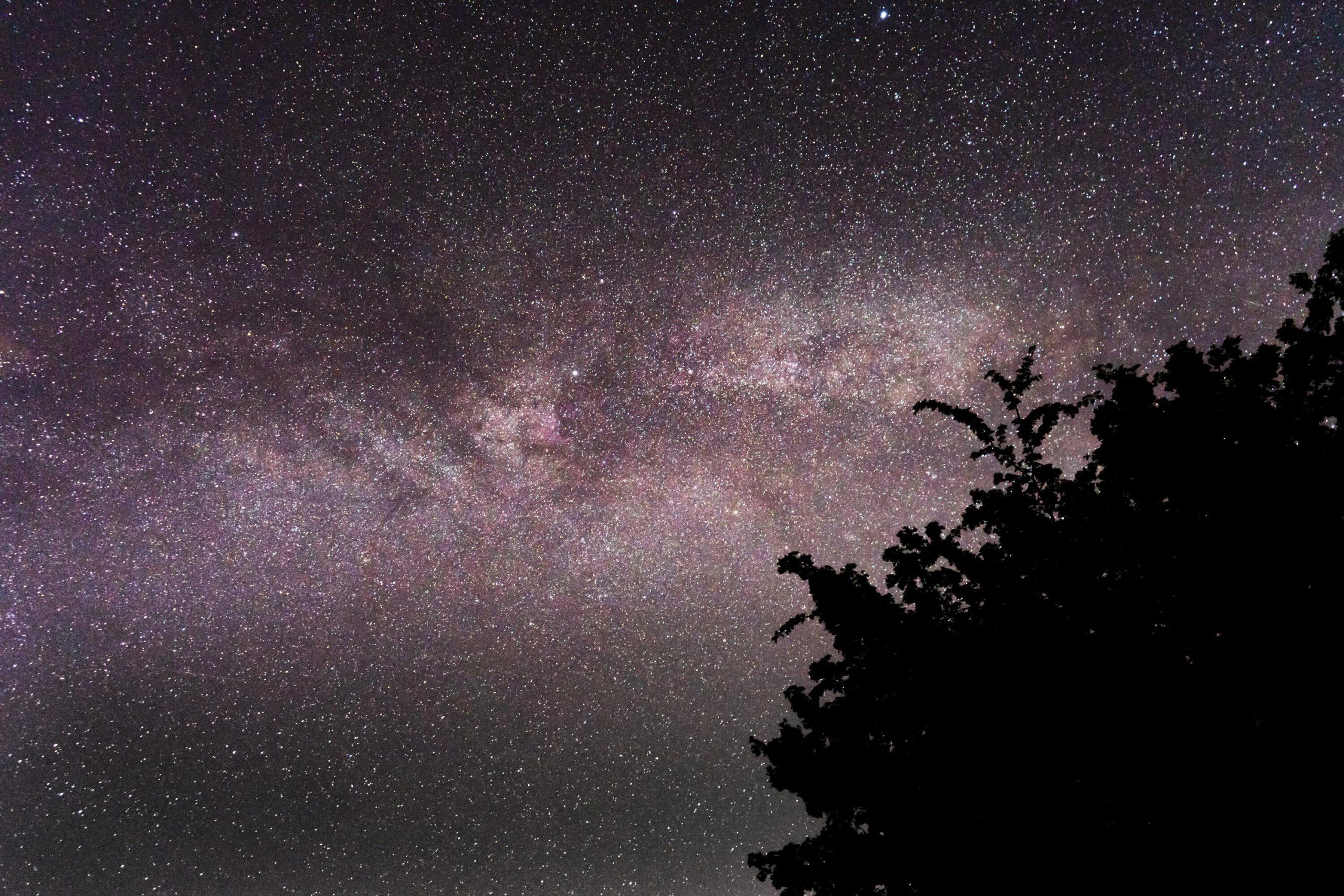
Figuring out how the universe works has always been a massive challenge for astronomers and scientists! But one question has continued to pop up over the years - Is the universe getting bigger? According to scientists, a lot of signs point to yes. For example, critical markers like Hubble's Law and the redshift in light from far-off galaxies offer strong evidence that the universe is indeed growing. Below, we'll take a detailed look into this theory while also looking at the techniques scientists are using to try and prove this phenomenon is happening.
What is Hubble's Law?
In 1929, Edwin Hubble dropped a bombshell in the astronomy community. He revealed that galaxies aren't just sitting in space but expanding away from us. And that the further a galaxy is, the faster it's moving away. This groundbreaking discovery gave birth to what we now know as Hubble's Law. This law states that the speed at which a galaxy moves away from us is directly linked to its distance. Over the decades, scientists have been tweaking the numbers, known as the Hubble constant, to make this law even more spot-on. But even with these adjustments, the basic idea has held its ground and continues to endure years of rigorous scientific examination.
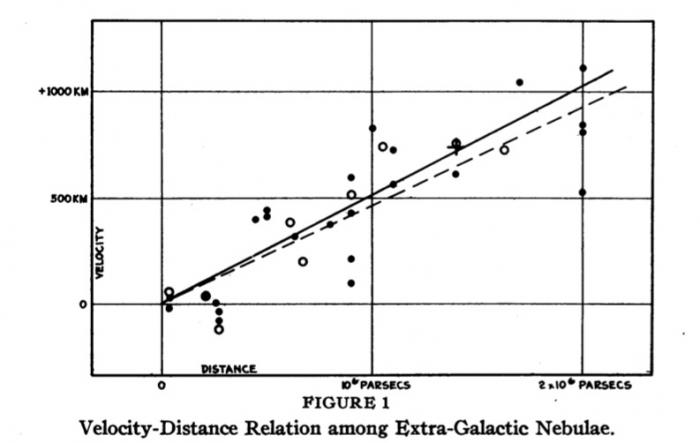
Hubble's Law (Credit: Proceedings of the National Academy of Sciences, Edwin Hubble)
Hubble Constant: The expansion rate is estimated at around 70 km/s/Mpc. Interestingly, this number has been refined multiple times since Hubble's initial discovery, thanks to advancements in technology and data collection. Researchers use methods like Type Ia supernovae and cosmic microwave background radiation to calculate this constant more accurately. The precision of this number is crucial as it helps scientists estimate the universe's age.
Linear Relationship: A direct correlation between distance and speed, meaning that as one variable increases, so does the other. This relationship is crucial for various astrophysical calculations, such as estimating the size of the observable universe. Moreover, this linear relationship has been confirmed through various independent observations and has added a lot of weight to Hubble's original theory.
Recession Velocity: in simple terms, scientists figure out how fast a galaxy moves away from us by looking at redshift data. This isn't just about speed in how we usually think! Instead, it helps us understand how quickly the universe gets more extensive. Moreover, the farther away a galaxy is, the higher its redshift. This means it's moving away faster, which backs up what Hubble's Law was saying. So, the redshift isn't just random data - it's a crucial clue that helps us understand the big picture of the universe.
Redshift from Distant Galaxies
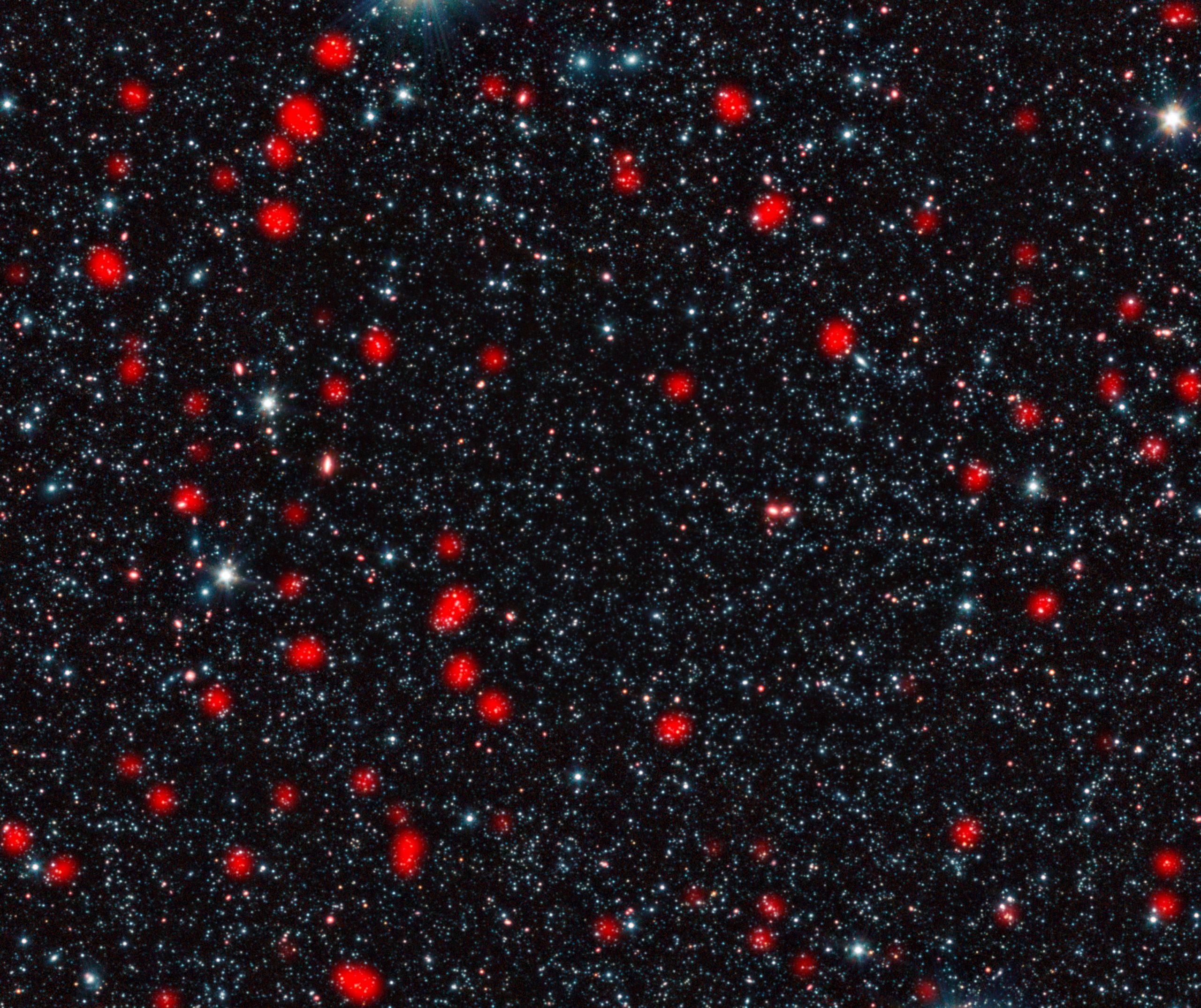
Besides Hubble's Law, redshift in the light from far-off galaxies gives us another crucial clue. When scientists examine light from these galaxies, they look at the galaxy's unique "fingerprint," or spectrum. Each galaxy has its lines on this spectrum, almost like a barcode. Redshift happens when these lines shift towards the red part of the spectrum. So why should we care about this? When we notice this shift, it's a hint that the galaxy is moving farther away from us.
Doppler Effect: You've probably heard a car's pitch change as it drives by you - that's the Doppler effect and the reason for redshift. In space, this effect means that light from a galaxy that's moving away will look redder. This is crucial for figuring out how fast galaxies are moving away, giving us important insights into how the universe expands.
Cosmological Redshift: But that's not all. While the Doppler effect explains redshift from moving galaxies, cosmological redshift is even more intriguing. The actual stretching of space causes this type of redshift. It's not just about galaxies moving away within existing space - it's about the whole universe getting bigger. The Big Bang Theory leans heavily on this idea, suggesting that the universe has expanded since it began.
Validation of Theory: Redshift isn't just a one-time observation and has been seen repeatedly in many studies. Plus, experts have observed this phenomenon in many different galaxies and found it to be pretty much consistent over all of them. Because of this, we're pretty confident that redshift isn't random - it's a fundamental part of our universe.
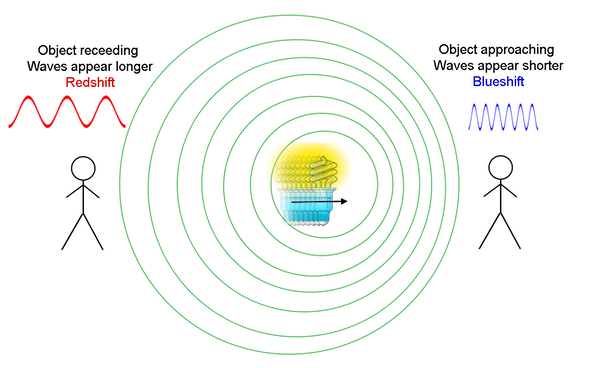
An illustration of how light affects Redshift for the observer (Credit: NASA Imagine the Universe)
The Cosmic Microwave Background
In addition to what we know from Hubble's Law and redshift, the Cosmic Microwave Background gives us another key piece of the puzzle about the universe's expansion. First discovered in 1965 by Arno Penzias and Robert Wilson, the CMB is often called the 'afterglow' of the Big Bang. Moreover, its very existence adds much weight to the idea that our universe is continuously growing.
Steady Temperature: One standout feature of the CMB is its uniform temperature. It's about the same all across the sky, around 2.7 Kelvin. This likely tells us that the early universe was extremely hot and dense and has been cooling down as it expands.
Radiation Maps: Scientists have made detailed maps of this background radiation using tech like the Planck satellite. These maps show us what the universe was like when it was just 380,000 years old. They help us understand how the universe has grown and changed over billions of years. Also, this radiation looks the same no matter where you look, which supports the idea that the universe is uniform and looks the same everywhere.
Crucial for Universe Studies: The CMB plays a significant role in cosmology, the study of the universe. It does more than just back up the Big Bang Theory - it also gives us insights into the universe's early days. Additionally, it's a tool to test our theories about the universe, helping us better grasp how the universe has evolved.
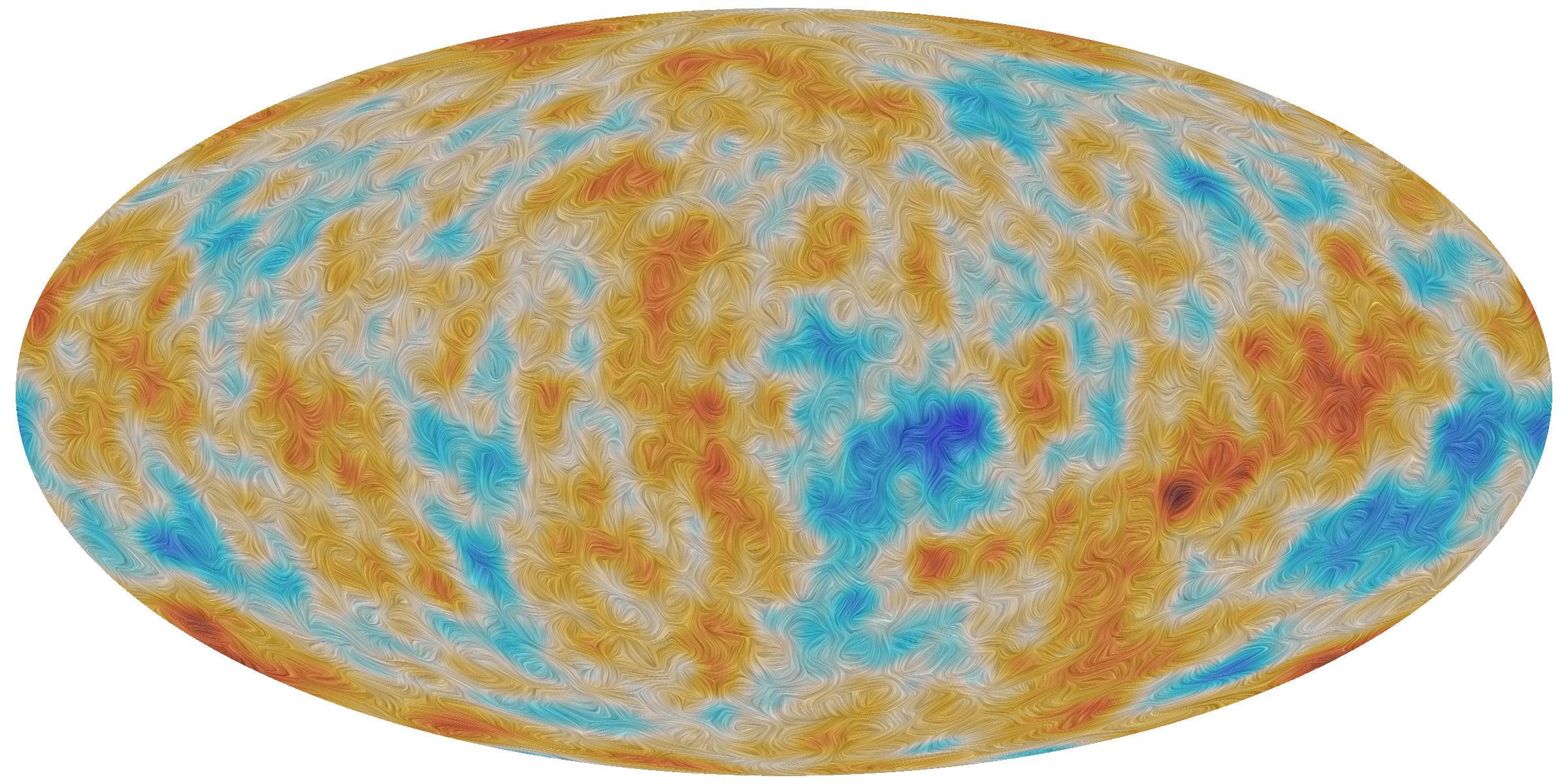
A full-sky depiction of the Cosmic Microwave Background's polarization (credit: ESA/Planck Collaboration)
Conclusion
Clearly, the universe's expansion isn't just a crackpot idea - it's a theory supported by a wealth of scientific evidence. Firstly, Hubble's Law shows that galaxies are moving away from us in a manner directly related to their distance. Redshift data, particularly from far-off galaxies, also adds another layer of solid evidence to this theory. Moreover, the Cosmic Microwave Background (CMB) offers a glimpse into the universe's early days and ongoing expansion. Due to technological advancements and consistent scientific observations, there's an increasing level of confidence that the universe is indeed expanding.
Summarise with AI:
Did you like this article? Rate it!

 Loading...
You are the best,, coz you have gotten content about the topics
Hello ! Glad to hear that you’ve found the content useful!