Searching For Another Earth: Exploring Habitable Exoplanets
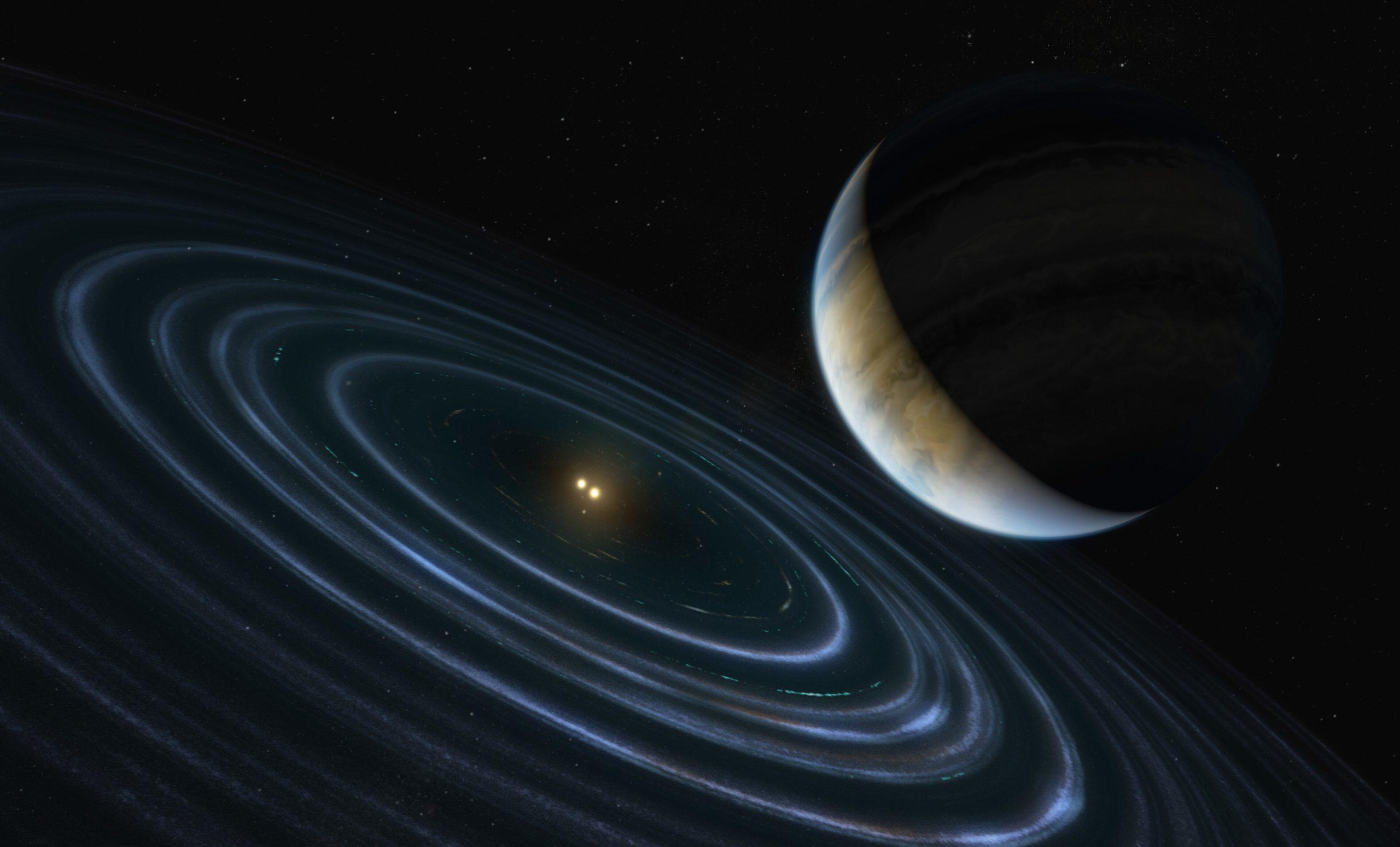
Scientists are always pondering the mysteries of distant worlds in the universe. But what fuels this curiosity? At its core, scientists are eager to discover whether life could thrive on planets other than Earth. Exoplanets and planets circling stars beyond our solar system present the most promising opportunities for such groundbreaking findings. But how do researchers locate these far-off celestial bodies? They employ state-of-the-art technology and creative methods to help them. Moreover, they've even developed clever ways to determine if these planets could sustain life. Keep scrolling to learn more about these intriguing techniques.
Methods of Exoplanet Detection
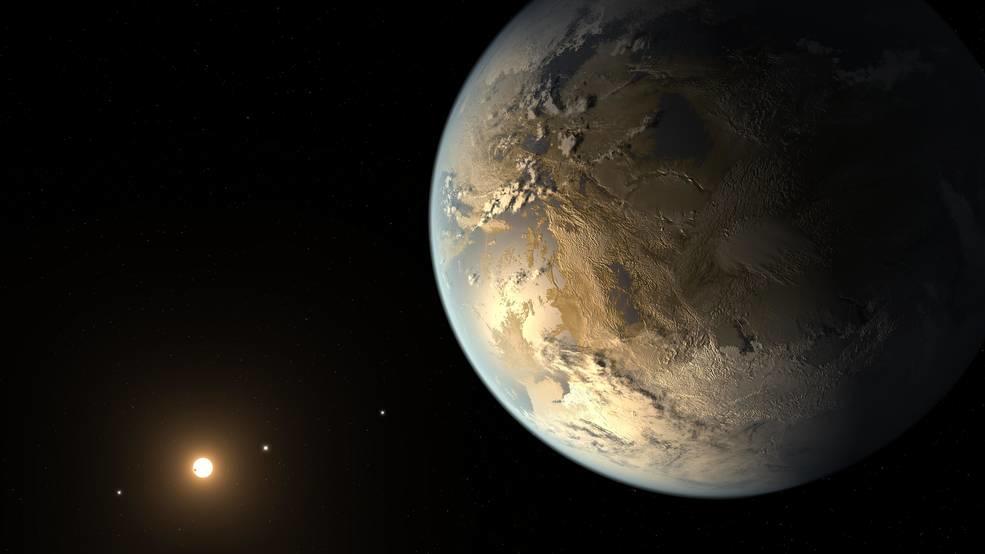
Kepler-186f, one of the most famous of the exoplanets, is very close in size to Earth (credit: NASA Ames/SETI Institute/JPL-Caltech)
The process of finding exoplanets is an exciting mix of innovation and technology. Generally, there are three primary methods that scientists typically use to uncover these celestial treasures - the Radial Velocity Method, the Transit Method, and Direct Imaging. Incredibly, each technique offers its unique window into the universe and goes a long way in contributing to our understanding of these distant worlds. Let's explore them in more detail below.
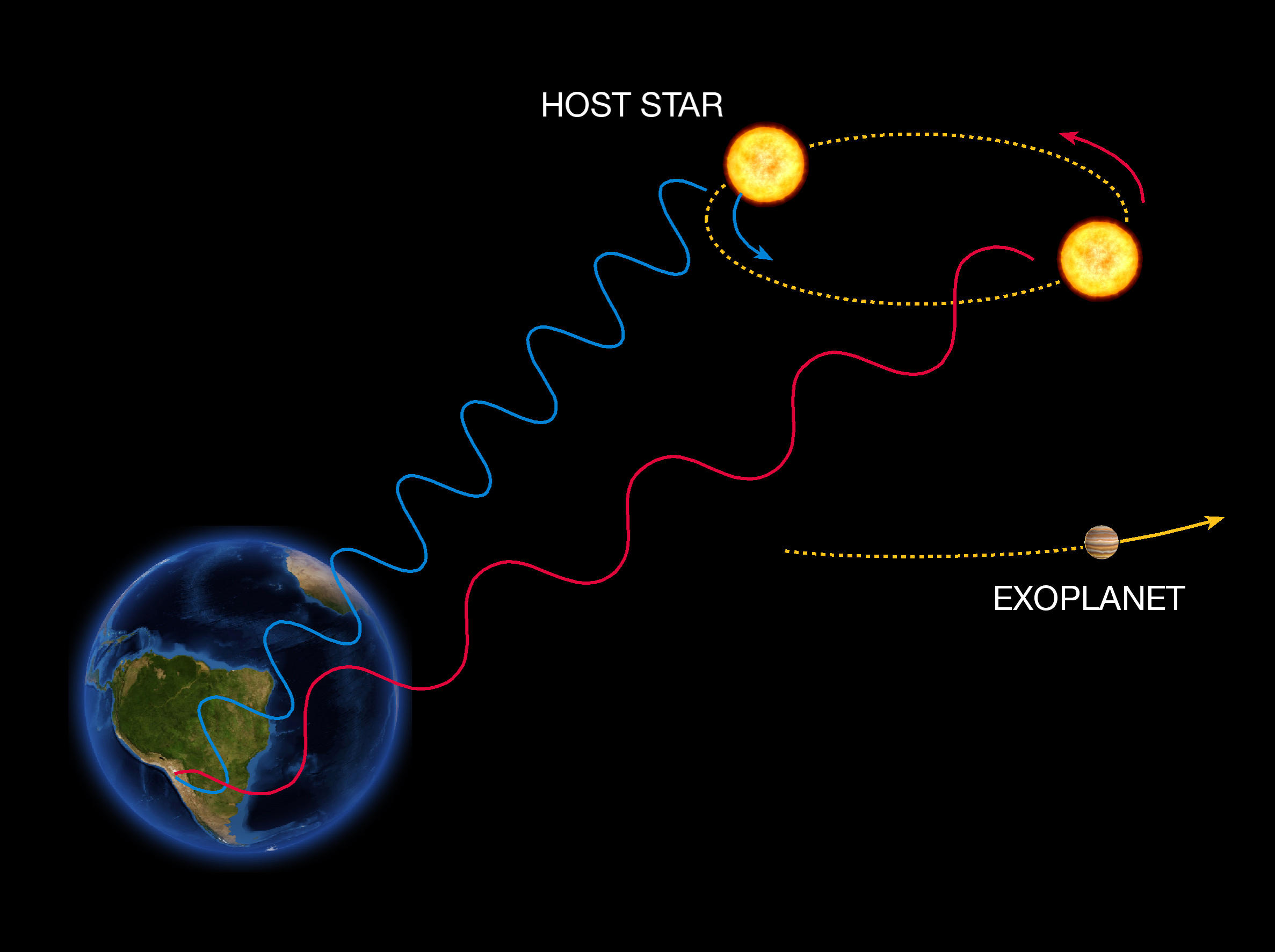
Radial Velocity Method: This method observes the slight "wobble" in the movement of a star generated by the gravitational pull from an orbiting planet. By studying this wobble through spectroscopy, scientists can determine the mass and orbit of the exoplanet - providing critical insights into its nature in the process. Moreover, this method has led to the discovery of hundreds of new exoplanets. For example, it has been instrumental in identifying gas giants similar to our own Jupiter.
Transit Method: In this approach, researchers keep a close eye on the brightness of a star over a given period. A temporary dimming in this brightness suggests that a planet is crossing in front of the star from our point of view. This dimming can also offer clues about the planet's size and atmosphere. This technique has proved vital in exoplanet studies, largely thanks to the Kepler Space Telescope. Accounting for more than 2,300 confirmed exoplanets, the Transit Method has provided a treasure trove of data - from planetary sizes to potential atmospheres.
Direct Imaging: This method uses specialized telescopes to photograph exoplanets. However, this is no simple feat! The overwhelming brightness of the parent star often makes it difficult to get a clear image and requires advanced techniques like adaptive optics to filter out the glare. Though still in its infancy, Direct Imaging is a rapidly evolving field with immense promise for groundbreaking discoveries. So far, it's been mostly successful with more giant, Jupiter-sized planets far from their parent stars.
What are the Criteria for Habitability?
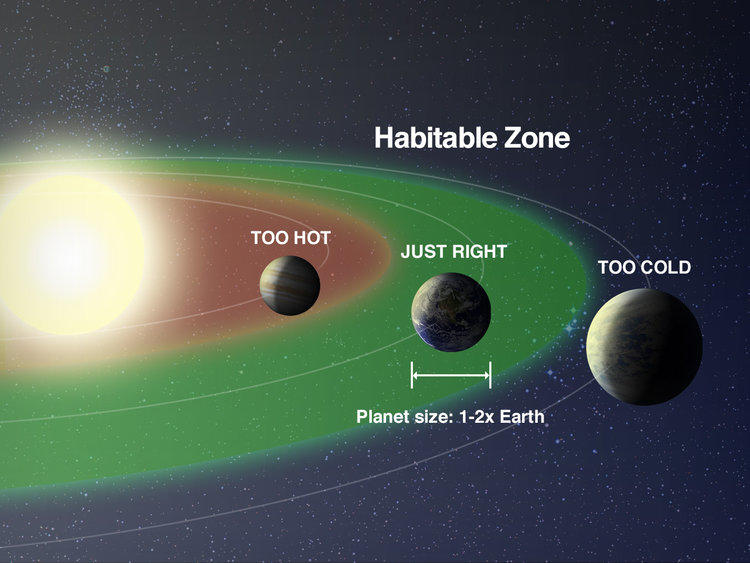
The Goldilocks Zone, also known as the Habitable Zone (credit: NASA)
Discovering a new exoplanet is always exciting for scientists. However, it's not the end of the process - it's just the beginning! After this, scientists must use their skills to evaluate and assess whether these new exoplanets have the correct conditions to support life. But how do they do this? Firstly, they have to cover a wide range of carefully selected criteria. For example, these criteria must consider essential elements like water and atmosphere and specific environmental factors.
Water: Liquid water is considered essential for life as we understand it on Earth. Scientists prioritize searching for this precious liquid in various forms - oceans, lakes, rivers, or hidden underground reservoirs. The presence of water suggests that the building blocks of life might be present and that complex biochemical reactions could occur.
Atmosphere: An atmosphere is much more than just a layer of gases surrounding a planet. Instead, it plays several critical roles, from heat retention for temperature stability to shielding the planet from harmful cosmic and solar radiation. Additionally, the composition of the atmosphere, including gases like oxygen or carbon dioxide, could hint at biological processes and further gauge a planet's suitability for life.
Distance from Parent Star: The "Goldilocks Zone" concept has become central to discussions about planetary habitability. This zone is the just-right distance range from a star where a planet could support liquid water on its surface. Being too close to the star would lead to extreme heat and potential water loss while being too far would result in frigid conditions where water would freeze. This zone offers the ideal conditions for life as we know it, making it a prime focus in the search for habitable exoplanets.
The Role of Space Missions and Telescopes in Exoplanet Discovery
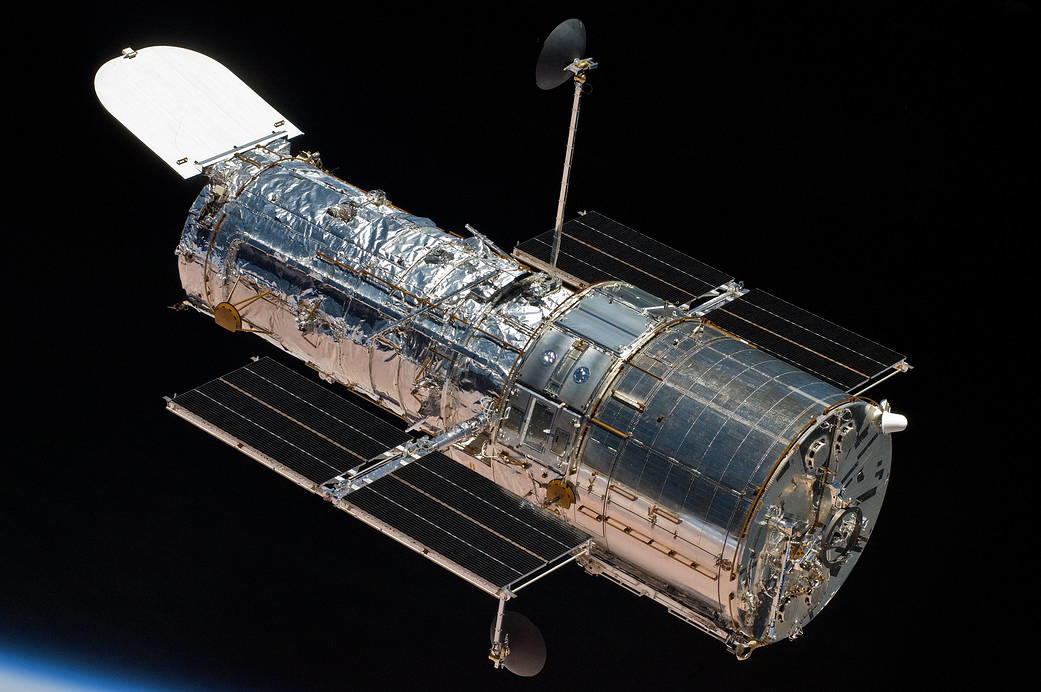
The Hubble Space Telescope continues to make incredible discoveries in the search for exoplanets (credit: NASA)
While methods for discovering exoplanets and assessing their habitability are super important, they'd also be nearly useless without the telescopes and space missions that help us look beyond our immediate cosmic neighbourhood. This section dives into the instrumental role of some of the most iconic telescopes and missions in advancing our understanding of exoplanets and their potential for life.
Hubble Space Telescope: The Hubble Space Telescope has been instrumental in providing high-resolution images and data for various celestial phenomena, including exoplanets. Although not initially designed for exoplanet studies, creative techniques have allowed scientists to utilize Hubble's capabilities. Interestingly, Hubble has been vital for studying exoplanet atmospheres, providing insights into their composition and weather patterns.
Kepler Space Telescope: Kepler's mission was specifically designed to find Earth-like planets orbiting other stars. Utilizing the Transit Method, this telescope has identified many exoplanets, many of which reside in the Goldilocks Zone. Moreover, Kepler's enormous dataset has helped create new scientific approaches and statistical models, making it easier to identify potentially habitable planets.
James Webb Space Telescope: The James Webb Space Telescope is a significant leap forward in discovering exoplanets. With a more giant mirror and advanced instruments, it can capture much more explicit images. Moreover, its infrared capabilities allow for more accurate data collection, cutting through cosmic dust and starlight. This makes it a specialized tool for finding Earth-like planets in habitable zones. Overall, the telescope is set to revolutionize our understanding of exoplanets and could even help us find signs of life beyond Earth. It has already confirmed its first exoplanet, LHS 475 b, which is nearly the same size as our home planet.
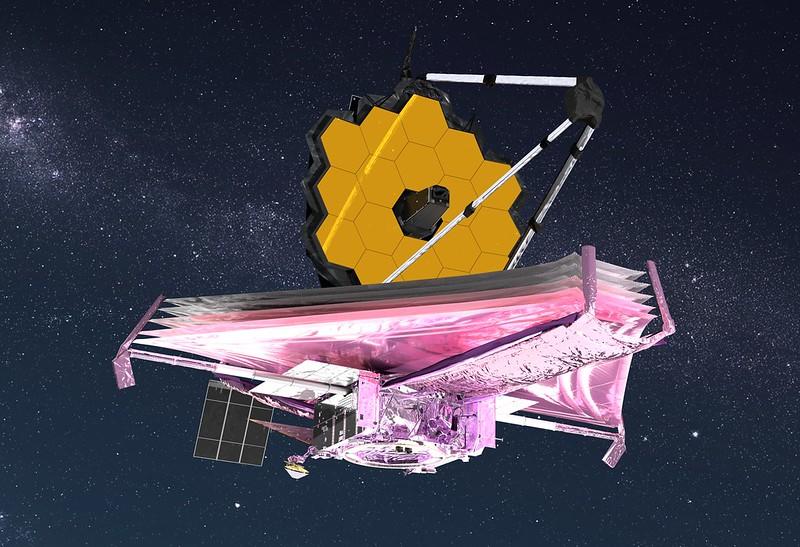
The James Webb Telescope is the latest vital tool in discovering and observing exoplanets (credit: NASA GSFC/CIL/Adriana Manrique Gutierrez)
Conclusion
The search for habitable exoplanets is advancing rapidly due to innovative techniques like the Radial Velocity and Transit Methods. However, finding these distant worlds is just the beginning - the ultimate goal is to determine whether they hold life, and telescopes like Hubble and James Webb are invaluable tools in this quest. Moreover, each discovery brings us one step closer to answering the question that has intrigued humanity for years - are we alone in the universe, or is someone else out there?
Summarise with AI:
Did you like this article? Rate it!

 Loading...
You are the best,, coz you have gotten content about the topics
Hello ! Glad to hear that you’ve found the content useful!