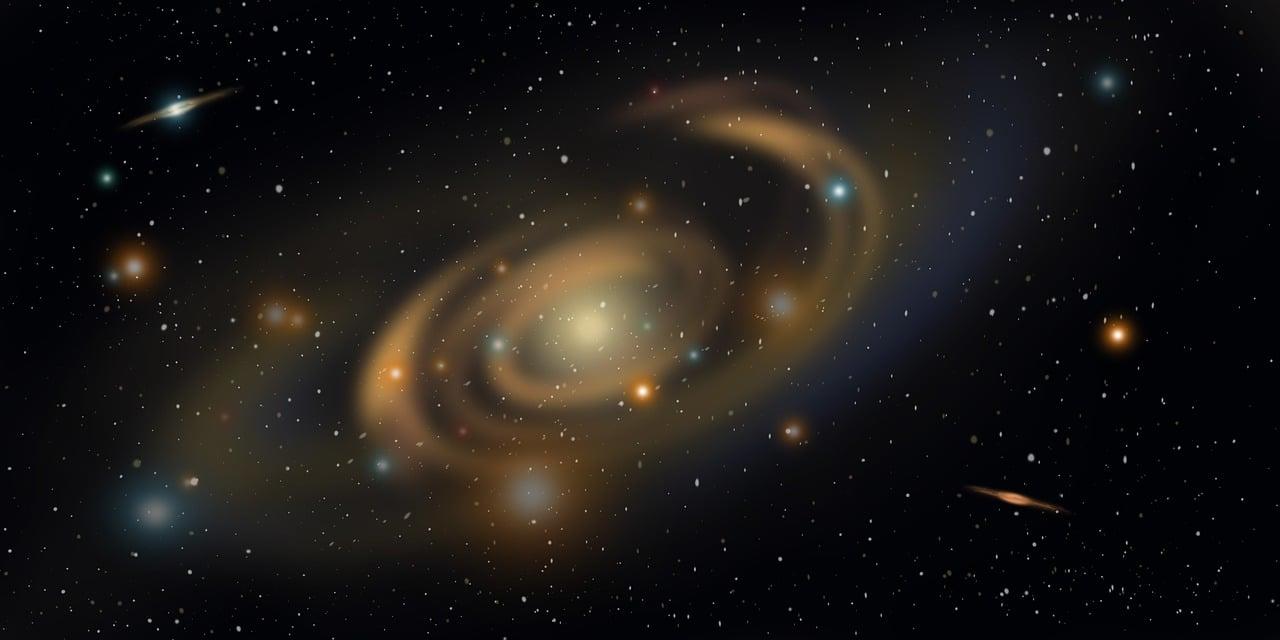
The vast expanse of our universe is filled with tons of galaxies, stars, and other unique celestial phenomena. Near the centre of our galaxy (the Milky Way) lies the Solar System, home to our Sun and various other planets, moons, asteroids, and comets. The mysterious cosmos has intrigued astronomers, scientists, and great thinkers since ancient times. If you want to discover more about our solar system's structure, continue reading below!
The Role of The Sun
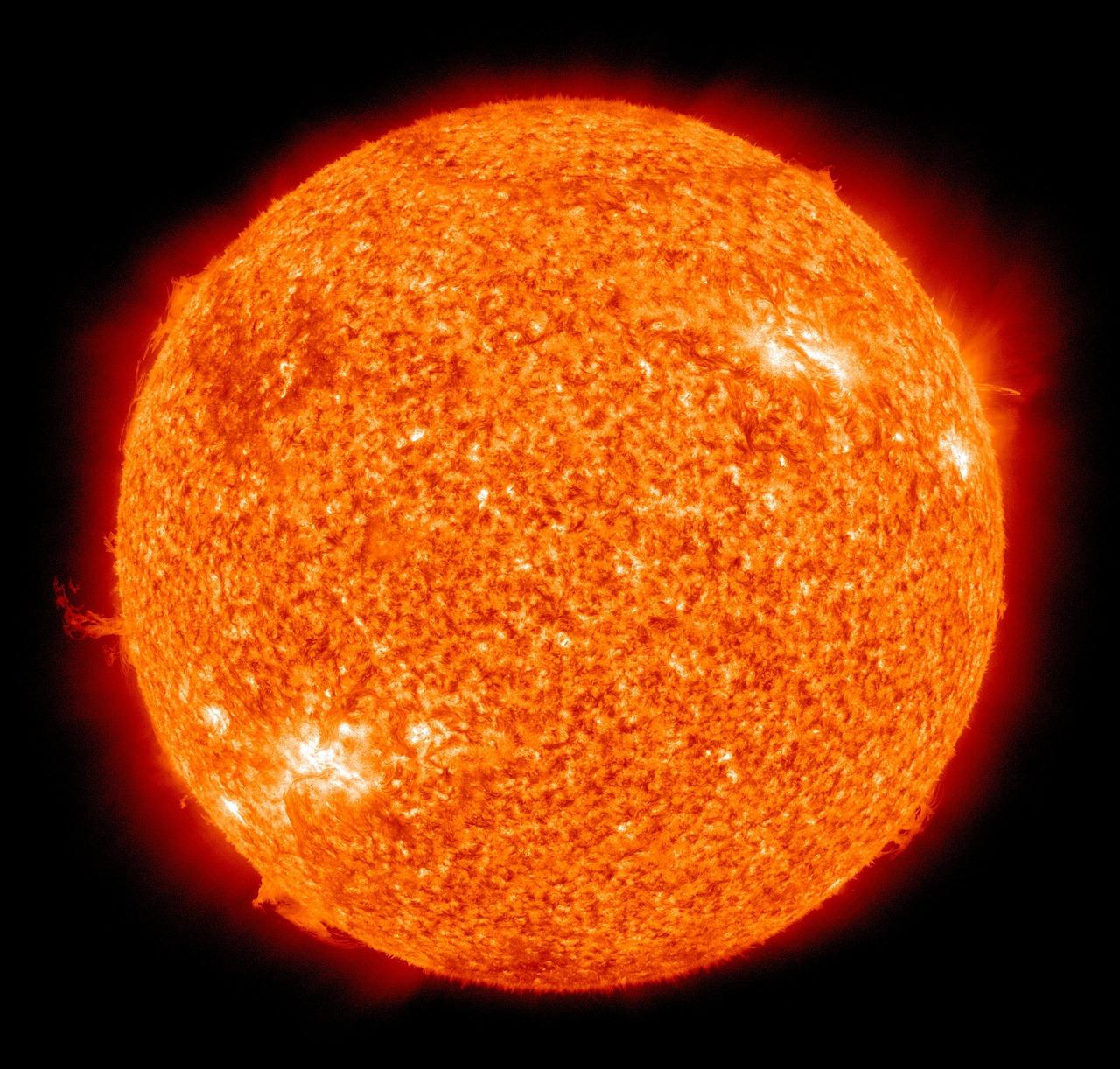
The Sun isn't just a gigantic glowing orb at the heart of our Solar System - it's more like its anchor and holds an astonishing 99.8% of the entire system's mass. Because of this colossal weight, its gravitational force keeps everything from planets and moons to asteroids and comets circling in their designated paths. What's more, the Sun is a powerhouse of nuclear fusion that pumps out an unbelievable amount of energy. This isn't trivial - it's why we have light and warmth on Earth, making life as we know it possible. However, the Sun occasionally spits out solar flares and coronal mass ejections, affecting our planet's magnetic field and atmosphere.
How Many Planets Are Out There?
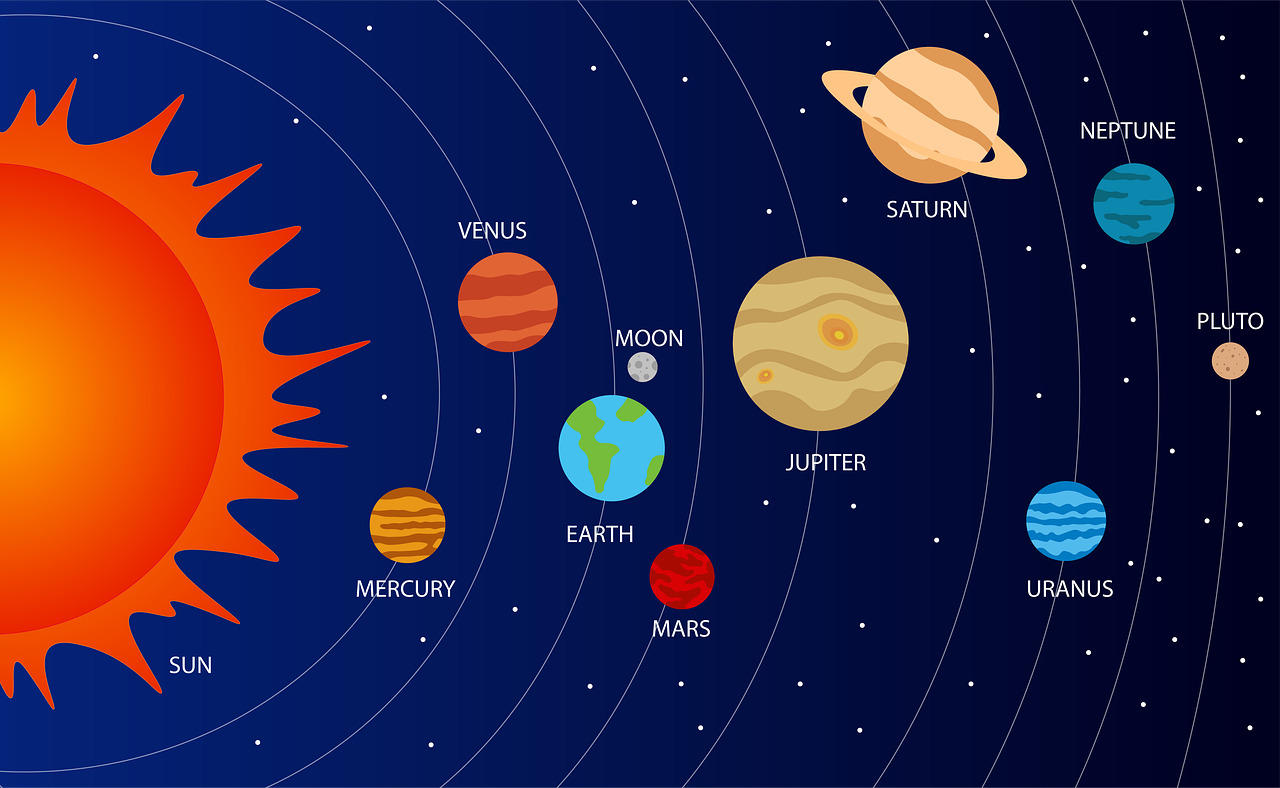
Eight planets in the solar system fall into two very distinct groups. Let's take a look at what they are below.
The Inner Rocky Planets
Mercury, The closest planet to the Sun, experiences incredible temperature extremes due to its thin atmosphere. What's more, Mercury has a heavily cratered surface, and its day is longer than its year, with one rotation taking 59 Earth days and one revolution only 88 days. Explorations of Mercury include NASA's Messenger mission, which provided significant insights into the planet's geology.
Venus: Though Venus is similar in size and composition to Earth, its dense atmosphere leads to a greenhouse effect, making it the hottest planet on the list. Venus's surface is a hellish landscape with volcanoes and thick sulfuric acid clouds. However, the recent discovery of phosphine in its atmosphere has ignited discussions about potential microbial life.
Earth: Our home planet, Earth, is ideally situated to support life. It's the only known celestial body to harbour water in all its forms - liquid, ice, and gas. Additionally, its magnetic field protects us from harmful solar winds, making Earth a hospitable home for diverse ecosystems.
Mars: Known as the red planet, Mars has been the focus of numerous missions for its potential to harbour past microbial life. The presence of ancient river valleys and polar ice caps points to a wetter past. Moreover, the ongoing Mars missions, such as NASA's Perseverance rover, aim to pave the way for future human colonization.
The Outer Gas Giants
Jupiter: The most giant planet in the Solar System, Jupiter is mainly formed from hydrogen and helium. Its famous Great Red Spot, a storm larger than Earth, has swelled for centuries. Additionally, Jupiter's 79 known moons, including Ganymede, the largest moon in the Solar System, could offer exciting possibilities for studying and exploring.
Saturn: Famous for its beautiful ring system, Saturn's rings are made of ice particles and small rocks. The hexagonal storm at its north pole adds to the planet's mystique.
Uranus: This ice giant's blue colour comes from the methane in its atmosphere, and its axial tilt causes extreme seasonal variations. Uranus is unique in that it rotates on its side, likely due to a colossal collision in its past.
Neptune: Known for its deep blue colour, Neptune's winds are among the fastest in the Solar System. Its mysterious dark spots and massive storm systems come and go on its surface. The Voyager 2 mission's flyby provided glimpses into Neptune's atmosphere and its intriguing moon, Triton, which spews nitrogen geysers.
The Different Moons
The planets mentioned above are accompanied by over 200 moons, which vary significantly in size, composition, and features. Earth's moon profoundly influences our planet, affecting tides and stabilizing Earth's rotation. Moreover, some of Jupiter's and Saturn's moons harbour subsurface oceans, leading to scientists' speculation about possible life.
Jupiter's Moons: Jupiter's 79 known moons, such as Ganymede, Callisto, Lo, and Europa, are all unique. For example, Europa's subsurface ocean may contain twice as much water as Earth's oceans. On the other hand, Lo's volcanic activity makes it the most geologically active object in the Solar System.
Saturn's Moons: Saturn's 83 known moons include Titan, the only moon with a substantial atmosphere. Its lakes and rivers of liquid methane and ethane offer a unique environment and could be suitable for some form of life.
Other Remarkable Moons: Neptune's Triton spews nitrogen geysers, while Uranus's Miranda has some of the tallest cliffs in the Solar System.
Asteroids and the Asteroid Belt
The Asteroid Belt consists of numerous rocky objects situated between Mars and Jupiter. These asteroids range in size and are essentially remnants from the early Solar System. What's more, some asteroids even have their tiny moons.
Ceres: The most prominent object in the Asteroid Belt and a dwarf planet, Ceres has signs of water-ice and could have harboured primitive life in the past.
Vesta and Other Asteroids: Vesta is the second-largest object in the belt and is known for its distinct geological features. Missions like OSIRIS-REx and Hayabusa2 have explored more minor asteroids, enhancing our understanding of the building blocks of planets.
Comets
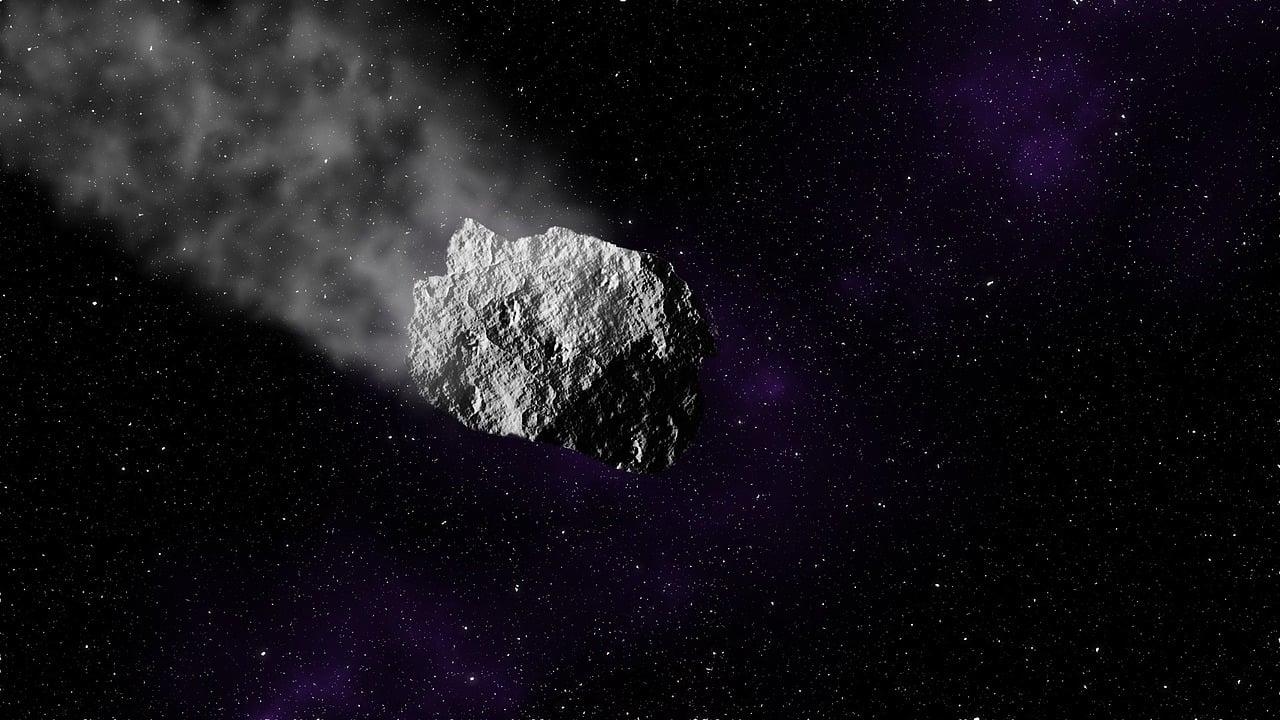
Comets are made up of ice, dust, and organic compounds and originate from the Solar System's outer regions - many people confuse them with asteroids. When close to the Sun, they produce glowing tails, which can provide a spectacular display if you're lucky enough to look up at the night sky at the right moment.
Halley's Comet: Perhaps the most famous of the comets, Halley's Comet returns to the inner Solar System every 76 years.
Comet Missions: Missions like the Rosetta probe to Comet 67P have provided insights into the early Solar System's chemistry and potential origins of Earth's water.
The Kuiper Belt
The Kuiper Belt is an icy space region home to many small icy bodies, including dwarf planets like Pluto.
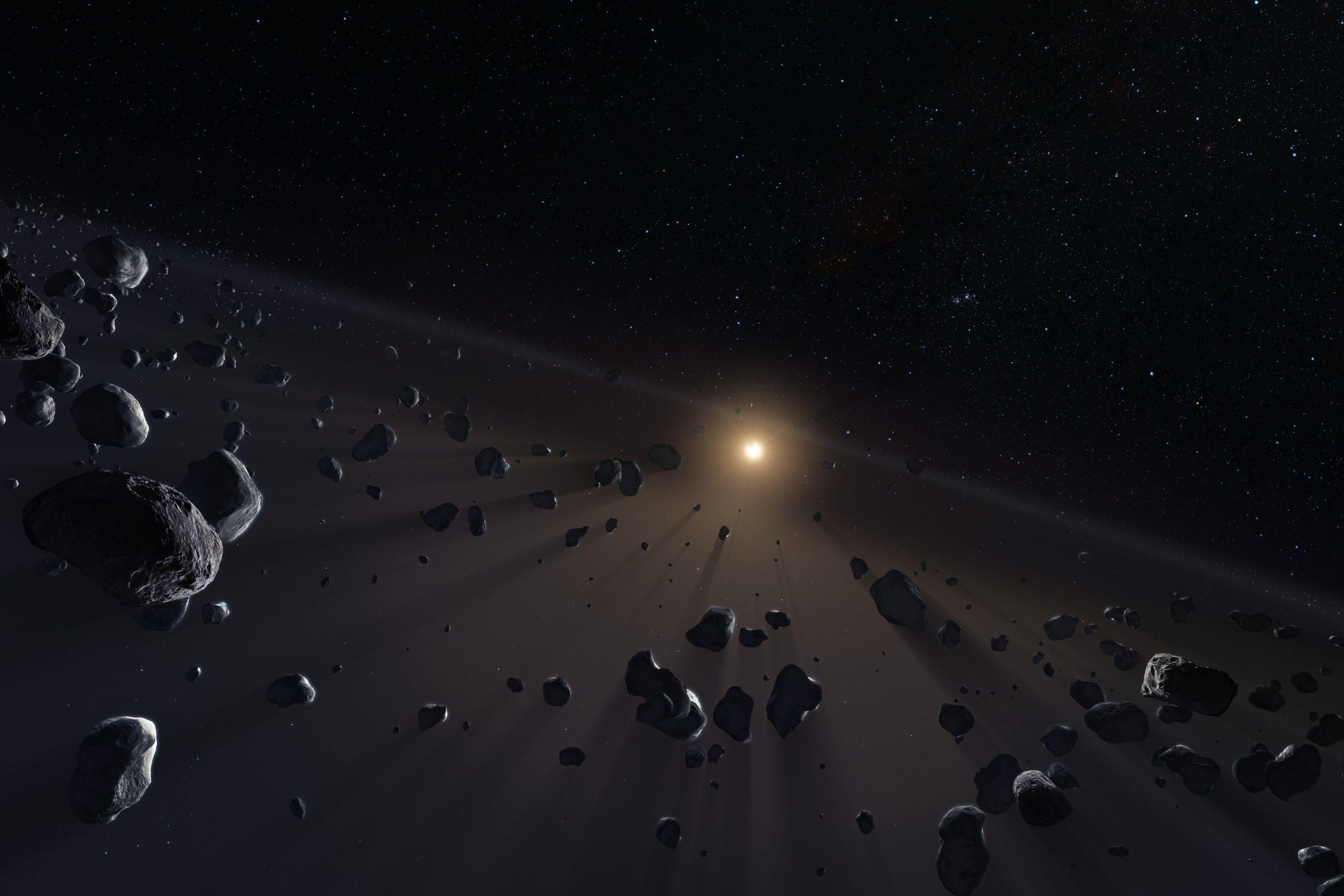
Pluto: Once considered the ninth planet, the New Horizons mission discovered Pluto's complex geology and atmospheric processes.
Oort Cloud: The Oort Cloud is believed to exist at the very fringe of the Solar System. It may be the source of long-period comets, hinting at our Solar System's farthest reaches.
Conclusion
In conclusion, our solar system is a complex and fascinating place constantly changing! The Sun, which holds most of the system's mass, gives us the light and warmth we need for life, whilst the eight planets, split into rocky inner ones and gas-filled outer giants, all have unique features and mysteries. Additionally, over 200 moons orbit these planets, some of which may harbour life. From here, asteroids and comets offer potential insights into the Solar system's origins. Finally, the outer regions like the Kuiper Belt and the Oort Cloud may provide clues about the farthest reaches of space.
Summarise with AI:
Did you like this article? Rate it!

 Loading...
You are the best,, coz you have gotten content about the topics
Hello ! Glad to hear that you’ve found the content useful!