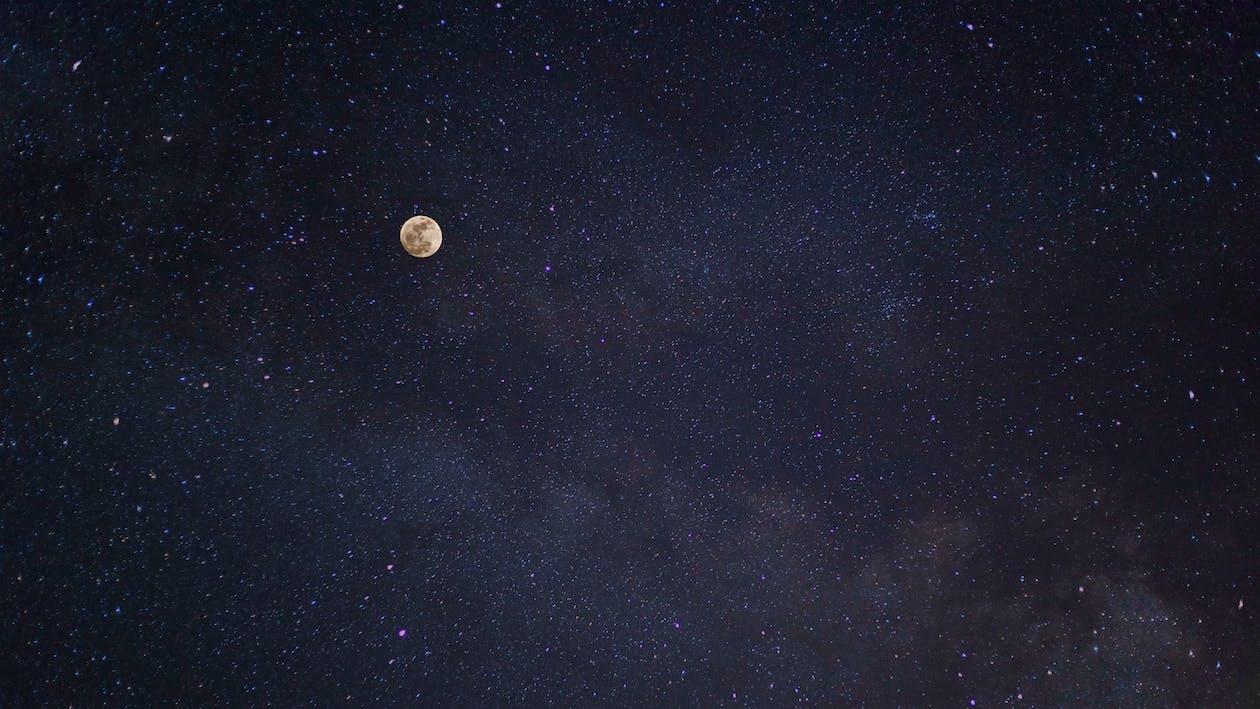
Stars are constantly evolving and present a fascinating journey of transformation and discovery that has intrigued humans since the dawn of humanity. This process of change and growth helps scientists understand more about how the universe works, making stars an essential part of our cosmic understanding. Read on to learn more about the fascinating life journey of stars, from their humble beginnings to their dramatic ends!
The Birth of Stars
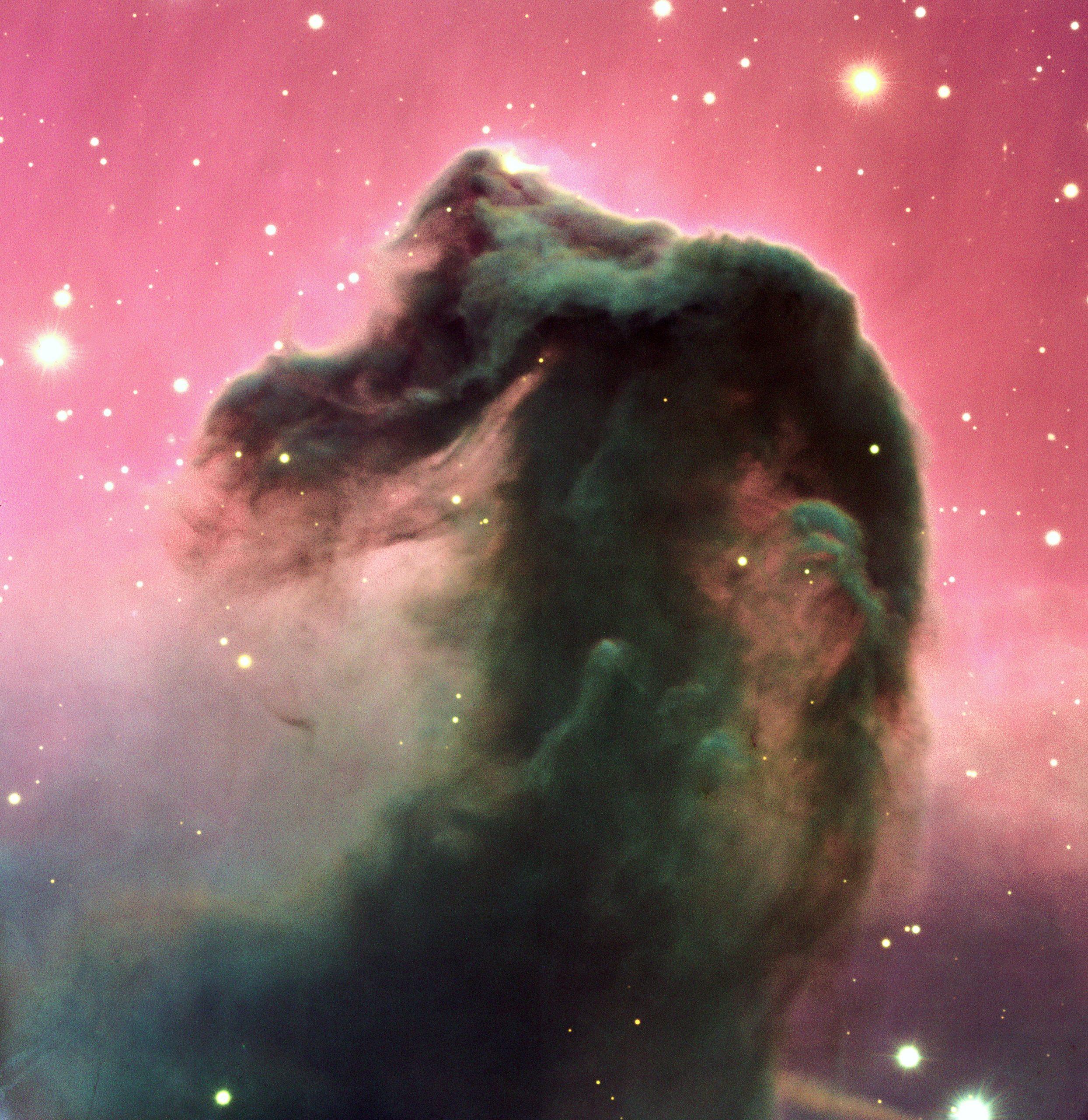
The universe is teeming with stars, each at a different stage in its life cycle. The birth of a star is a complex process that begins in the depths of vast clouds of gas and dust known as nebulae. These nebulae serve as cosmic nurseries, much like galaxies, and are the foundational blocks of the universe.
Nebula Formation: Nebulae are not just random gatherings of gas and dust. Instead, they are often the remnants of older, expired stars. These nebulae, formed from cataclysmic events like supernovae, mark the beginning of a new celestial cycle.
Protostar Phase: Within the nebulae, gravity pulls gas and dust particles together to form a dense core. As this core heats up, it gives birth to what is known as a protostar. Typically, protostars are surrounded by rotating material disks, which can eventually join together to form planets, moons, and other celestial bodies.
Main Sequence Stage: Nuclear fusion comes into play once the protostar reaches a specific temperature and pressure. This is called the main sequence stage, where the star is most vibrant - converting hydrogen into helium. Moreover, depending on their mass, some stars can spend billions of years in this active state.
How Do Stars Evolve?
As stars age, they undergo a series of fascinating transformations. These changes are not isolated events either - they have ripple effects that can influence the formation of planets, the birth of new stars, and even the fabric of the universe itself.
From Main Sequence to Giants: After a prolonged period in the main sequence stage, stars will evolve into red giants or even supergiants. This transformation isn't simple - it involves lots of changes, including the shedding of outer layers. Additionally, some red giants even go through a pulsating phase, expanding and contracting over regular periods, adding another layer of complexity to their study.
Element Creation: The interiors of stars are like cosmic forges, where nuclear fusion creates heavier elements essential for life and planetary formation. These elements, such as carbon, oxygen, and iron, are then scattered throughout the universe, where they will serve as the building blocks for new stars and planetary systems.
Variable Stars: Some stars are variable, meaning their brightness fluctuates over time. These changes offer valuable insights into a star's internal dynamics, including size, mass, and temperature. Additionally, variable stars play a crucial role in our understanding of cosmic distances, helping astronomers map the scale of the universe.
The Final Stages
The end of a star's life is as captivating as its beginning and can lead to several fascinating outcomes.
White Dwarfs: For stars similar to our Sun, the journey ends as a white dwarf. These dense cores gradually lose heat and energy over billions of years, eventually becoming black dwarfs. Funnily enough, the universe isn't old enough for any black dwarfs to exist yet.
Supernovae and Neutron Stars: The end is typically explosive for more massive stars and results in a supernova. What remains is often a neutron star - these objects are incredibly dense and sometimes spin hundreds of times per second.
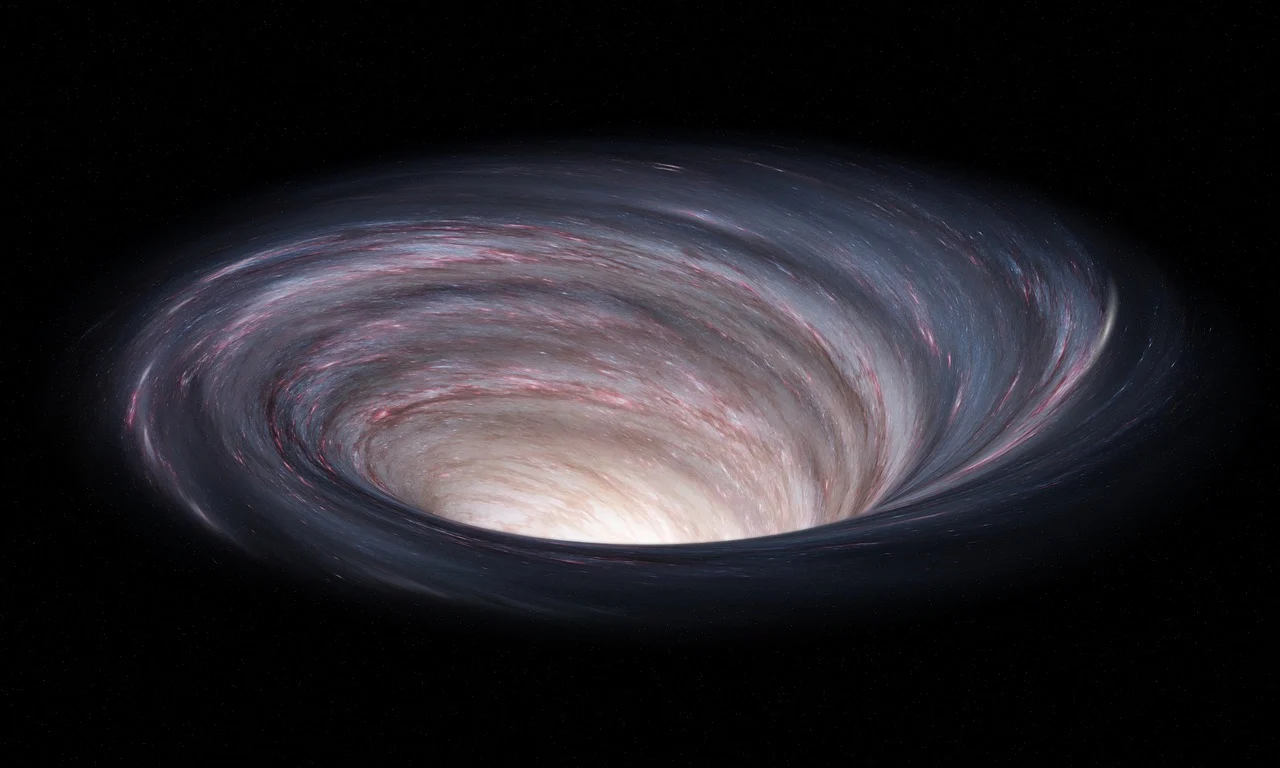
Black Holes: In some cases, a star's core collapse can lead to the birth of a black hole. These mysterious entities challenge our understanding of physics and are the subject of ongoing research and debate among scientists worldwide.
Star Clusters
Stars often form clusters that are not just random gatherings but organized structures that can offer a wealth of information about the universe.

Open and Globular Clusters: Open clusters are generally younger and home to fewer stars. In contrast, globular clusters are older and can contain hundreds or thousands of stars. These clusters offer a rich field for astrophysical research and can provide clues about the formation and history of galaxies.
Elemental Creation: During a supernova, atoms fuse to create heavier elements. These are then scattered across the cosmos as the raw material for new stars and planetary systems. For example, elements like gold and platinum are often formed in these cataclysmic events.
Cosmic Energy: A single supernova can emit as much energy as a star would throughout its entire life. This incredible release of energy can trigger the birth of new stars and even galaxies.
Binary Systems
Binary and multiple star systems offer a unique perspective on how celestial bodies interact due to gravity. These systems are not just celestial oddities but fundamental to our understanding of the universe.
Gravitational Dynamics: These systems allow astronomers to study gravitational interactions in detail. The behaviour of these stars can lead to changes in our understanding of gravitational theories, including Einstein's theory of general relativity.
Planetary Formation: Observing these systems provides clues about planet formation in diverse stellar environments. For example, the presence or absence of exoplanets in binary systems can offer insights into the limitations and possibilities of planet formation.
Our Relationship with Stars
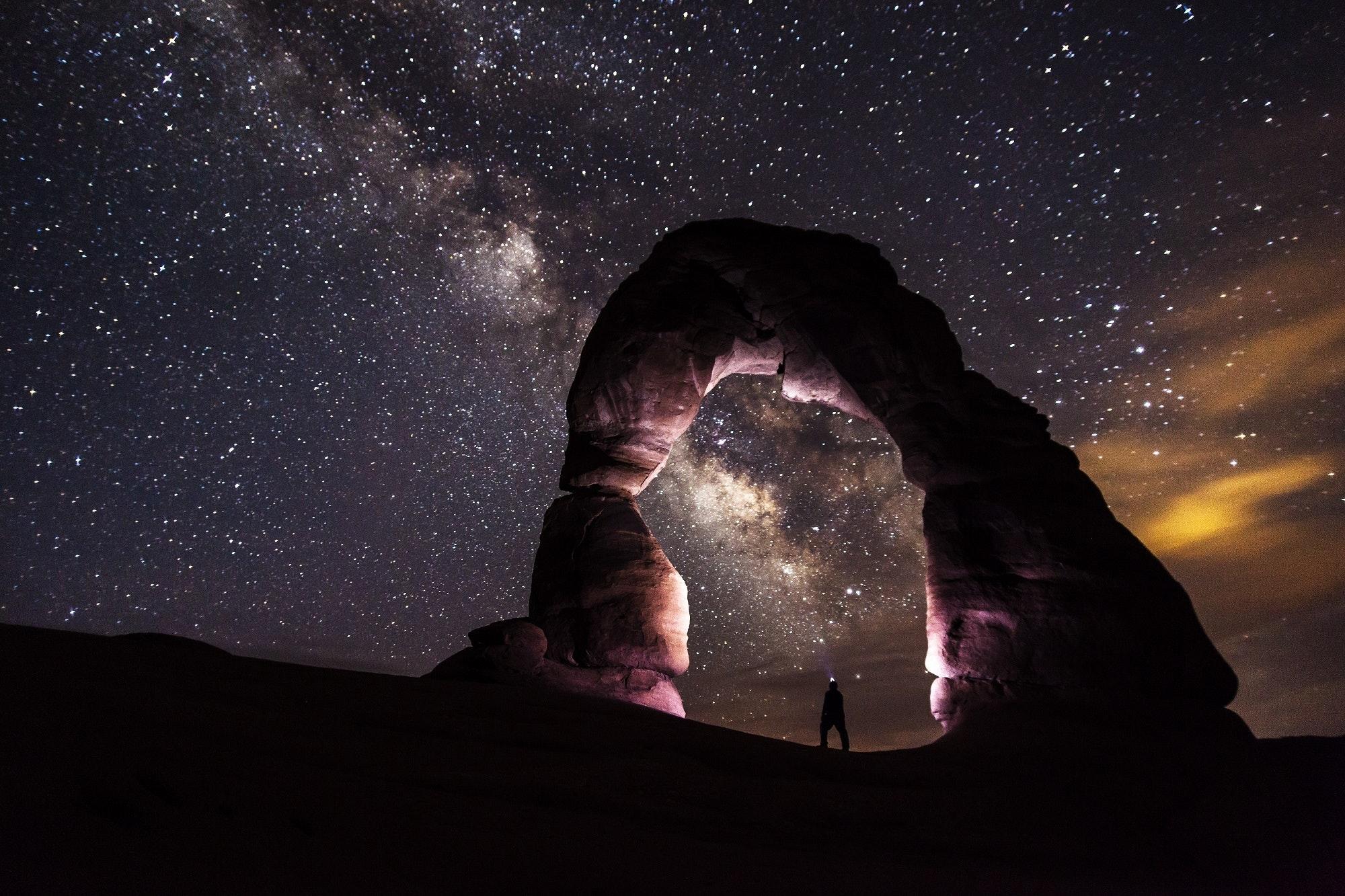
Humans have always been fascinated by stars.
Our connection with stars goes beyond scientific curiosity. It's a relationship that has practical implications for our daily lives.
Navigational Beacon: Stars have been guiding humanity for millennia. For example, many sailors relied on stars to cross oceans before modern navigational tools were invented. Even today, specific navigation techniques still incorporate stellar positions.
Technological Leaps: Researching stars has led to breakthroughs in various fields, from energy to materials science. For example, studying starlight has improved spectroscopy techniques, which have applications in medicine and environmental science.
Earth's Balancing Act: Our understanding of the Sun and other stars informs us about Earth's climate and atmosphere. By studying solar cycles, scientists can make more accurate climate models, which are crucial for planning how to deal with environmental challenges in the future.
Conclusion
Stars begin their lives in nebulae and go through a fascinating journey that can end in various forms - such as white dwarfs, neutron stars, or even black holes. Their lifecycle is pretty complex and features stages such as the main sequence and the red giant phase. Additionally, stars are essential for creating life-sustaining elements throughout the universe. Last but not least, they also group in clusters or binary systems, which greatly interest scientists eager to discover more about the universe.
Summarise with AI:
Did you like this article? Rate it!

 Loading...
You are the best,, coz you have gotten content about the topics
Hello ! Glad to hear that you’ve found the content useful!