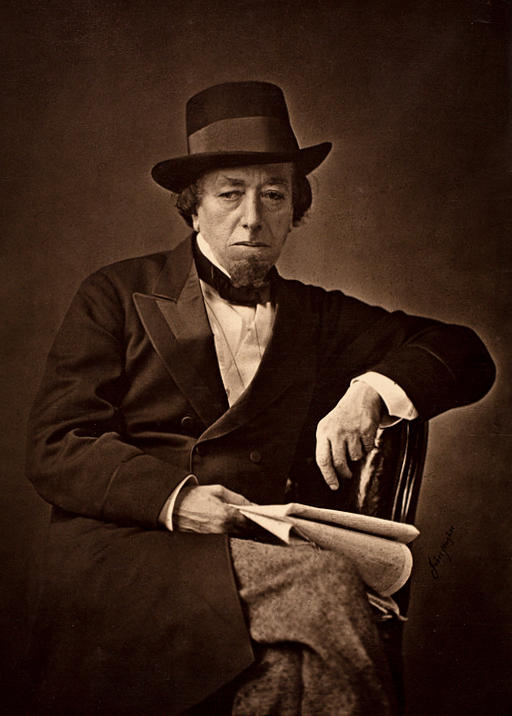
Between 1851 and 1886 in the UK there were significant changes to the whole way the country is run, some of which are still in place and make up the workings of our current political system, as well as having a lasting impact on society.
This era witnessed shifts in the political system, economic developments, societal changes, and challenges to established norms and structures.
In this revision guide, we will explore each of these aspects in detail, examining the political system, economic developments, societal changes, and the condition of Ireland and Anglo-Irish relations during this period.





Changes to the UK’s Political System
During the mid-19th century, the political system in the UK saw the dominance of Parliament, which served as the primary legislative body. However, democracy was limited, with only a fraction of the population having the right to vote. Ruling elites, consisting largely of wealthy landowners and industrialists, held significant influence over political affairs. Prime Ministers such as Lord Palmerston and William Gladstone played pivotal roles in shaping government policies and direction.
Political parties, namely the Conservatives and the Liberals, vied for power, with party realignment occurring up to the Reform Act of 1867.
Under Gladstone and Disraeli, significant political developments unfolded. Gladstone's liberalism emphasised reforms such as expanding individual liberties, reducing government intervention, and promoting free trade. Disraeli's conservatism, on the other hand, emphasised preserving traditional institutions and social hierarchies while addressing the needs of the working class through limited reforms.
The extension of the franchise through the Reform Acts of 1867 and 1884 broadened political participation, albeit gradually, by enfranchising more male citizens, albeit with property qualifications.
In the 1860s, many people in the country were threatening to revolt. Large gatherings, including the 'Hyde Park riots', and the realisation that many skilled workers were respectable people, led to calls for a Reform Bill. However, wealthy Conservative MP Lord Cranborne resigned from his government position in protest against the bill's introduction.
The Reform League, who wanted universal suffrage, became more active, organising demonstrations in Manchester, Glasgow, and many northern cities. Despite preparations by troops and police, the government did not dare to attack due to the massive crowds that descended on Hyde Park, leading to the resignation of Home Secretary Spencer Walpole.
Faced with the threat of further popular revolt, the government hastily made amendments to the bill, expanding the franchise significantly. The bill ended up being more extensive than expected, with Disraeli accepting most reform proposals, as long as they didn't come from Gladstone.
The bill granted voting rights to most urban men, with borough franchise extended to rate-paying individuals, men paying over £10 rent per year, and additional votes for graduates, professionals, and those with over £50 savings.
Gladstone criticised the bill, leading to spirited parliamentary debates with Disraeli and making the bill more radical. Disraeli, seizing the opportunity presented by Gladstone's overreach in 1866, pushed the bill further.
"If Gladstone fell into the Thames, that would be misfortune; and if anybody pulled him out, that, I suppose, would be a calamity”
A quote attributed to Benjamin Disraeli showing the fierce rivalry between the two
Disraeli convinced his party to support the bill, believing the newly enfranchised electorate would vote Conservative in the next election. However, in 1868, the Conservatives lost the first general election in which the newly enfranchised electors participated.
The bill ultimately boosted the radical wing of the Liberal Party and aided Gladstone's victory.
It paved the way for a further act in 1884, which, along with 1885 Redistribution Act, tripled the electorate again, giving the vote to most agricultural labourers (which made up a huge portion of society).
Economic Development
Throughout the 19th century there was a huge amount of economic growth and change.
Economically, the UK experienced a period of rapid industrialization and urbanisation during the mid-19th century. Agriculture underwent significant changes as mechanisation and enclosure altered the landscape of rural life.
Trade and industry flourished, with Britain dubbed the "workshop of the world" due to its leading role in manufacturing and trade. Economic ideologies such as free trade gained some traction, influencing government policies and economic practices, especially as more working class people got the vote.
However, this period also saw economic challenges, including the onset of depression in the late 19th century. The Long Depression, beginning in the 1870s, brought about widespread unemployment, economic instability, and social unrest. The economic downturn prompted calls for reform and led to debates over the role of government in addressing economic hardships.
With these economic and trade changes, so came societal changes. Social movements and policies emerged to address the social challenges of the time. Self-help initiatives, such as mutual aid societies and cooperative movements, provided support to working-class communities.
Trade unions gained strength as workers organised to demand better wages, hours, and working conditions. Education and social reform legislation aimed to improve living standards and provide opportunities for social mobility, although progress was gradual and uneven. People were also living longer. In this time period, the average lifespan increased by around 5 years, which was over 10%.
Anglo-Irish Relations
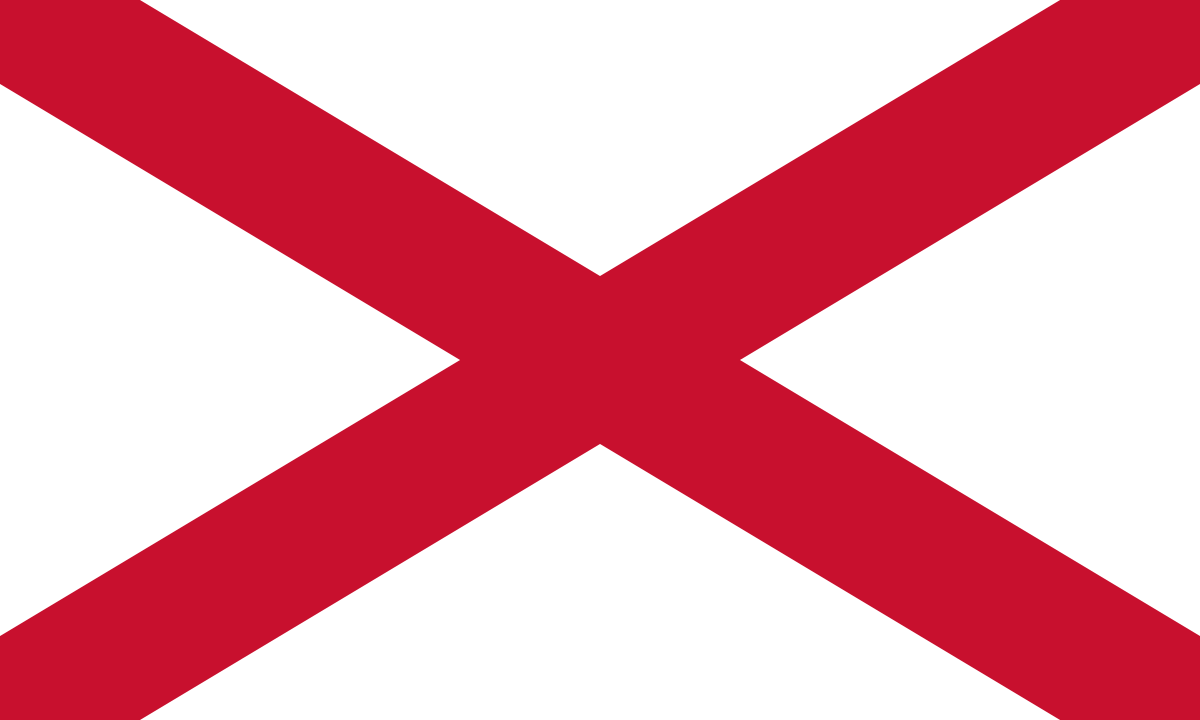
Irish relations and land ownership were contentious issues during this period, with disagreements over land agitation and political unrest. The Irish Land War, fueled by grievances over landownership and tenant rights, led to widespread protests and agrarian violence.
The political response to Irish discontent varied, with Gladstone's government introducing land reform measures such as the Land Acts of 1870 and 1881 in an attempt to address Irish issues.
Anglo-Irish relations were strained, with tensions between the British government and Irish nationalists escalating. Calls for Home Rule, advocating for Irish self-governance and a break from the British Empire, gained momentum, culminating in the Home Rule Bill of 1886 proposed by Gladstone. However, the bill faced opposition from Unionists and Conservatives, ultimately leading to its defeat and exacerbating divisions within the UK.
A Period of Change
This time in history was one of rapid change in society as well as government, as people demanded more representation. It was a shift from certain classes trying to ringfence the power, and led to many changes in power as Conservatives, Liberals, and other parties sought to take control of parliament. Many changes we saw in this time were foundational changes that still impact the way we live and govern today.
Summarise with AI:
Did you like this article? Rate it!

 Loading...