The Berlin Wall, which stood for 28 years, represented much more than just concrete and barbed wire. Its fall in 1989 was a huge historical milestone, representing the conclusion of the Cold War and the start of Germany's path towards reunification. This article will guide you through all of the Berlin Wall's history, from its initial construction to its eventual collapse. Continue reading if you’re interested in diving deeper into the story of the Berlin Wall and its eventual downfall!





Why Was the Berlin Wall Made?
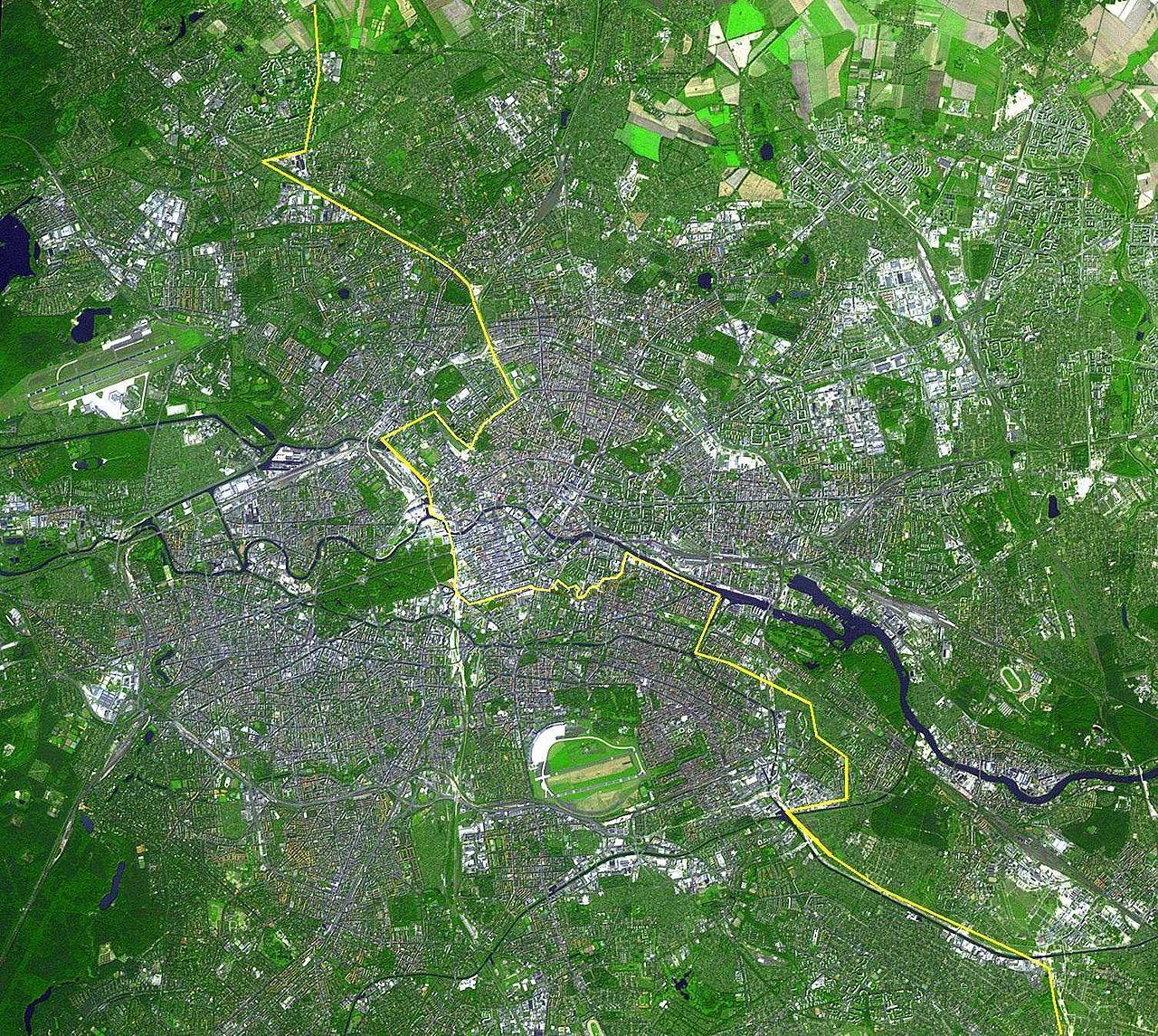
After World War II, Germany was split into zones controlled by the Allies. Berlin, though deep in the Soviet sector, was divided too. The East-West divide in Berlin set the stage for the Wall's construction in 1961.
The East German government, which was supported by the Soviets, essentially built the Wall to prevent East Berliners from fleeing to the West - where life was seen as much more enjoyable.
What Was Life Like In Berlin Once the Wall Was Built?
The Berlin Wall didn't just separate a city - it tore apart families and communities. On each side of the Wall, life was completely different to each other. For example, those living in East Berlin were under strict control and had very limitedfreedoms, while those living in WestBerlin lived a happier and less controlled life - mainly due to the presence of Western culture and capitalism. For many, the Wall was a constant and depressing reminder of the divide between the city - and would impact everything from personal relationships, to job opportunities and more.
What Role Did the Berlin Wall Play in the Cold War?
The Berlin Wall was yet another defining symbol of the Cold War, a period in history which saw heightened political tensions between the United States, their allies, and the Soviet Union. Built at the height of the Cold War, the wall was seen to many as a sort of embodiment of the huge ideological divide between communism and capitalism.
What’s more, in the West, it reminded people of Winston Churchill's warnings about the Iron Curtain, which he believed could one day separate the West from the East if allowed to spread unchecked. Unfortunately, the existence of the wall would intensify the Cold War, and Berlin would go on to become a focal point of this worrying standoff.
How Were Civilians Prevented From Escaping?
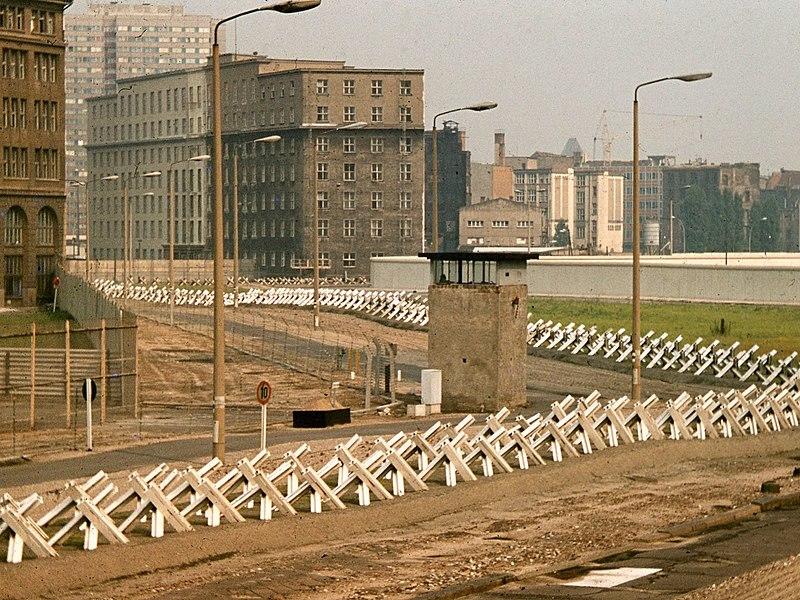
The East German government implemented stringent measures to prevent citizens from escaping to the West. The Berlin Wall itself was a formidablebarrier, standing at about 12 feet high and 4 feet wide, but it was just one part of a complex system of border fortifications.
This system included an inner and outer wall, a 'death strip' in between, which was riddled with landmines, barbed wire, and guard dogs. Additionally, watchtowers were also strategically placed along the Wall, manned by guards with orders to shoot anyone attempting to escape.
Alongside this, the government also used propaganda to dissuade people from fleeing. They promoted the idea that life in the West was fraught with unemployment, crime, and poverty, in contrast to the supposed security and stability of life in East Germany.
Despite these efforts, thousands of East Germans still attempted to escape, with many paying the ultimate price in their quest for freedom.
Escape Stories of the Berlin Wall
Sadly, many Germans living in the East side of the city would go on to lose their lives attempting to escape the confines of the wall. For example, one of the most famous of these stories concerns 18-year-old Peter Fetcher, who made a daring attempt to escape the wall alongside his friend in 1962. Although his friend would succeed in escaping, Peter would not be so lucky - tragically being shot by East German guards while climbing the final wall. Here he would bleed to death in full view of German onlookers and journalists. This incident sparked outrage, and hundreds of civilians would go on to form protests in West Berlin.
Art and Expression on the Wall
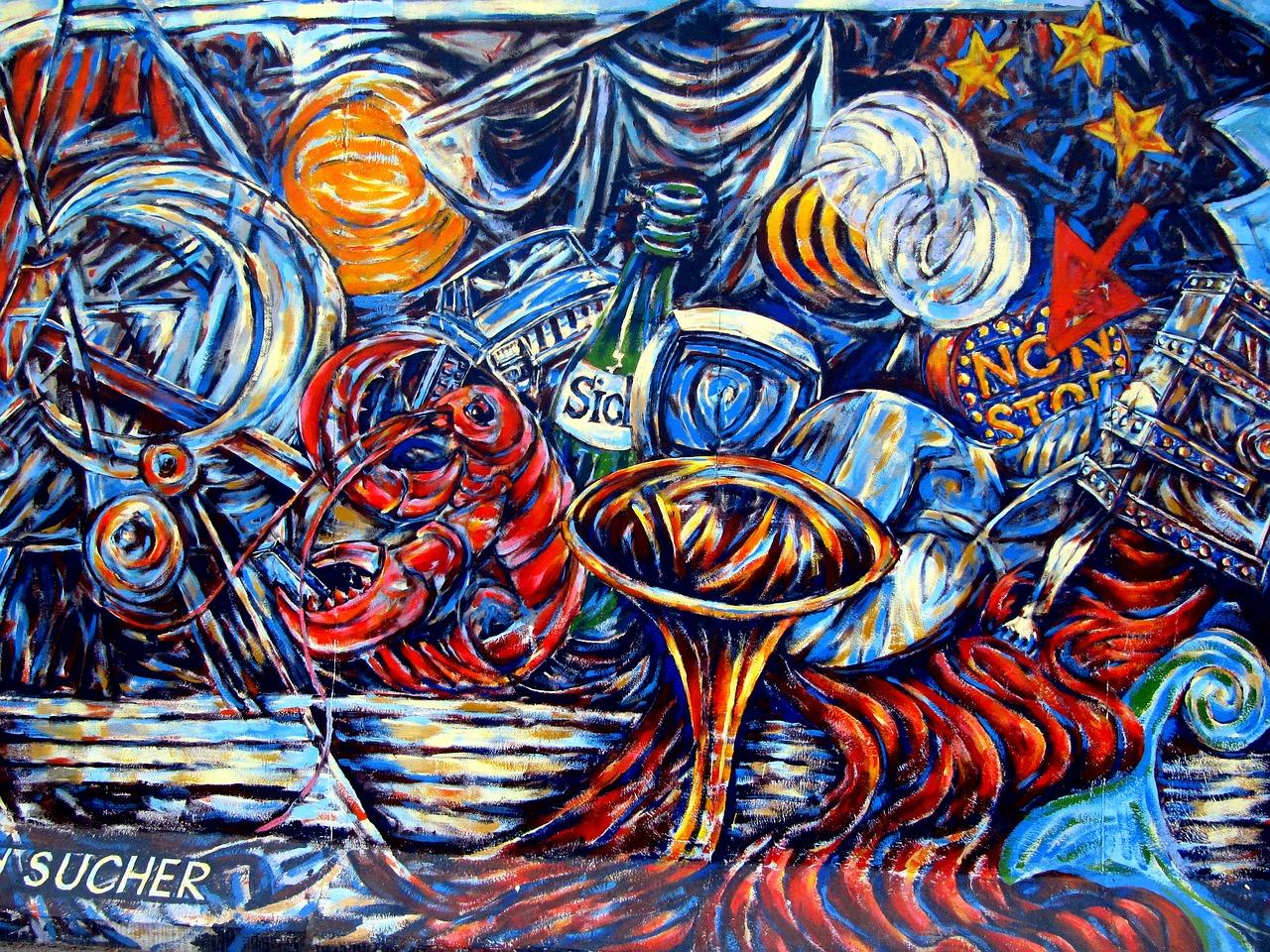
The Berlin Wall, despite its oppressive nature, soon went on to become a sort of medium for artisticprotest and expression - here, many artists around the world used it to voice political statements and express hope for a future without division.
In fact, the East Side Gallery is a section of the wall that still exists and is known for its incredible and striking murals. All in all, this artistic transformation turned a symbol of division into one of hope and resilience, where people of all ages and backgrounds eagerly expressed their desire for freedom and unity.
How Did the Berlin Wall Fall?
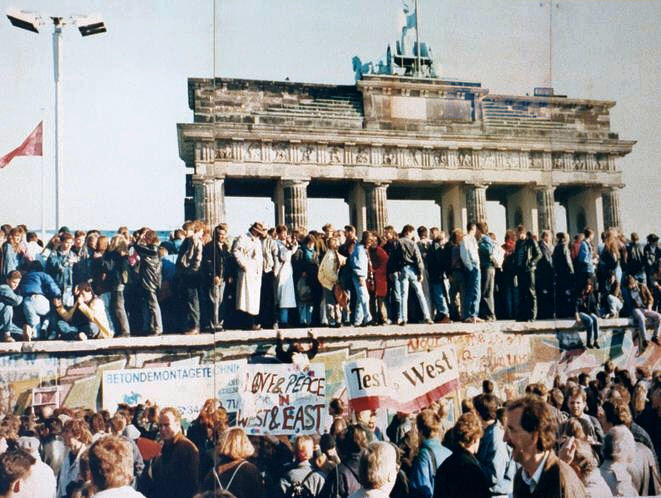
In November 1989, the Berlin Wall's fall marked a significant turning point in history. This event was driven by internal political changes in East Germany, growing public unrest, and the diminishing influence of the Soviet Union in Eastern Europe.
As Soviet power waned, the East German government's ability to enforce its strict regime began to weaken too and people would soon gather to demand the immediate opening of the gates. From here, the dismantling of the Wall by jubilant crowds would go on to signal the end of the Cold War and the start of a new chapter for Germany and Europe. This moment was a clear indicator of change - the beginning of Germany's reunification and a shift towards a much more open and interconnected Europe.
Legacy and Remembrance
Today, the Berlin Wall is remembered as a symbol of the victory of freedom over oppression. And many of its ruins, which are still preserved in many areas across Berlin, are intended to serve as poignant reminders of what happened in the past. Additionally, many Museums and memorials dotted around Berlin and Germany dedicated to the history of the Wall aim to educate new generations about its history and significance. What’s more, the Wall's legacy still continues to shape German society and politics to this day, reminding the world of the importance of freedom and human rights.
Conclusion
In Conclusion, the Berlin Wall, in place for 28 years, was a significant Cold War symbol. Built in 1961, it divided Berlin and represented the global conflict between communism and capitalism. The Wall was central to the Cold War, with many attempting to escape from East to West, often at great personal risk. Additionally, it also served as a medium for political and hopeful messages through graffiti and art. However, its eventual collapse in 1989, due to political changes and growing public unrest, signalled the end of the Cold War and the start of Germany's reunification process.
Summarise with AI:
Did you like this article? Rate it!

 Loading...