Once one of the most dominant powers on the planet, the British Empire would eventually come to an end with the Commonwealth rising from its ashes. Previously ruled with an iron grip by the British Crown and its associates, this group of nations has slowly but surely turned into a long-lasting partnership based on equality and mutual respect for one another.
However, does the existence of the Commonwealth mean that the British Empire exists in some shape or form today? Below, we’ll aim to answer that question by taking a closer look at how the Commonwealth was formed, how the organization functions today and its significance in the modern world. Sounds interesting? Keep reading below.





What is the Commonwealth?
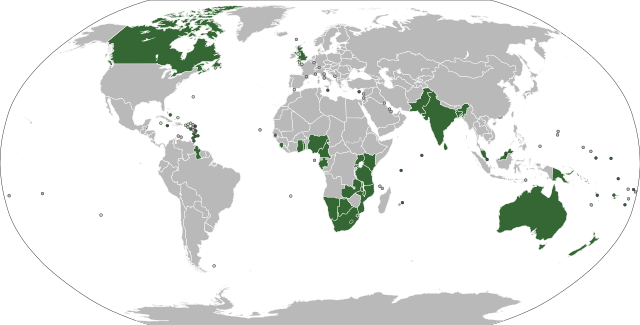
The Commonwealth, also known as the Commonwealth of Nations, is an association made up of over 56 different countries, most of which belonged to the British Empire at a certain point in history as a colony. For example, on the African continent, countries such as South Africa, Ghana, Botswana and Cameroon are all member states of the Commonwealth. While in Asia, the Caribbean, and the Americas, countries like India, Malaysia, Singapore, the Bahamas, Canada, Saint Lucia and Jamaica are all part of the organisation too. Essentially, the Commonwealth as we know it today was formed soon after the aftermath of World War 2, as countries around the world began to break free from the chains of colonialism while creating a new more cooperative international partnership.
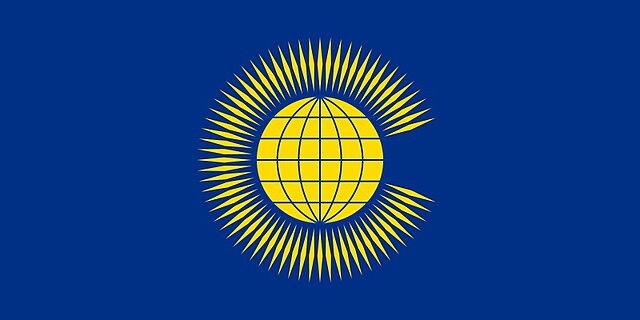
How Was the Commonwealth Created?
The creation of the Commonwealth was a gradual process that reflected a global shift in attitudes towards the independence and cooperation of former British colonies. One of the first big changes to occur was the Statute of Westminster in 1931, which recognised that countries like Canada and Australia were capable of making their own decisions.
This legal milestone was a huge deal, as it would start redefining the ties between Britain and its dominions, and pave the way for a future where these nations could eventually stand on more equal footing. After World 2 came to a close, the push for independence from colonies would become even stronger, resulting in the London Declaration. Taking place in 1949, the London Declaration would play a big part in shaping the Commonwealth as we know it today. This declaration was especially significant because of India's unique position.
Despite its desire to become a republic and have its own head of state, India also wanted to remain a part of the Commonwealth. However, this challenged the traditional view of membership, which had previously required allegiance to the British monarch. Due to this, the rules for joining would undergo a reevaluation, ultimately leading to more flexible membership where countries could adopt different forms of governance while still remaining a part of the Commonwealth.
How Does the Commonwealth Work Today?
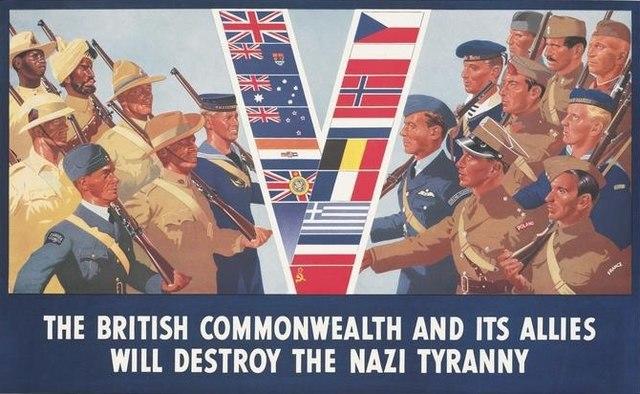
So how does the Commonwealth actually work today? Well, it primarily functions through a commitment to democracy, freedom, and mutual support, and does not have a central governing body like other international organisations.
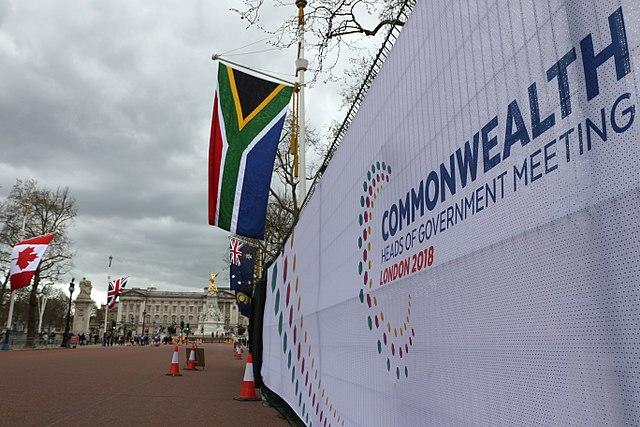
Instead, it operates through the Commonwealth Secretariat, which handles everyday meetings, and the Commonwealth Heads of Government Meeting (CHOGM) which is held around every two years. During these meetings, a variety of different topics are spoken about, including economic growth, the environment, and other important subjects.
All in all, the Commonwealth is fairly unique in the way it focuses on soft power and consensus building instead of strict rules and agreements. Over time, the Commonwealth has gone from an extension of the British Empire, with a British monarch serving as a central figure, to more of a collaborative platform where member countries now work together as equals.
(Credit: Wikimedia Commons)
What Do Commonwealth Countries Have in Common?
Despite being located all over the globe, many commonwealth countries share a few key things in common, mainly due to their past as former colonies of the British Empire. First and foremost, most Commonwealth countries commonly speak English, although it’s not always their dominant or first language.
This allows members of the commonwealth to communicate and work closely together on a range of different issues. Alongside this, many Commonwealth countries also base their legal systems on English common law, which provides a common legal framework and eases trade and international relations.
Lastly, education and professional qualifications are other areas where nations in the Commonwealth typically find common ground as well. For example, it’s not uncommon for academic and professional qualifications from one Commonwealth country to be recognized in another, thanks to similar educational standards and systems.
What Are the Challenges and Criticisms of the Commonwealth?
The Commonwealth is not without its fair share of both criticism and challenges. Whilst in modern-day times, its focus is centred around equality and mutual respect between member nations, the shadows of colonialism still linger in the minds of many.
For instance, the British Monarchy is still linked to the Commonwealth, with some seeing this as a symbol of old colonial times that don’t fit with the Commonwealth's goals and aim to treat each member country equally.
In terms of challenges, the Commonwealth has long been made up of both wealthy and developing countries. At times, this difference in wealth has led to different priorities amongst member nations, making it difficult for them to agree on certain issues like climate change policies and human rights issues.
Can the Commonwealth Be Considered a Successor to the British Empire?
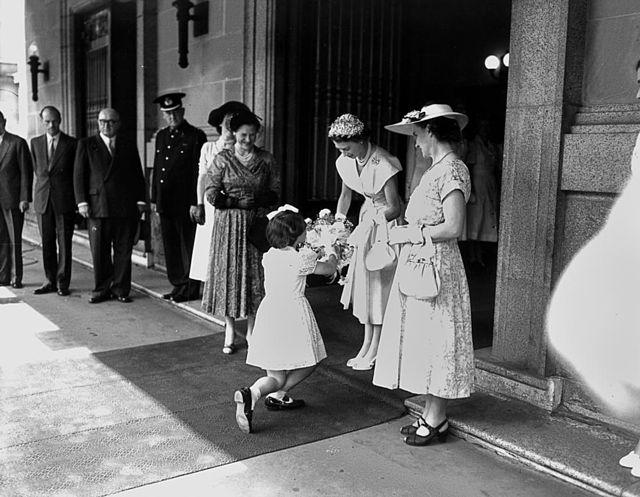
While the Commonwealth’s roots can be traced back to the British Empire, it’s by no means its successor. Instead, the Commonwealth represents a sort of evolution from the old imperialism structures and ideologies of the Empire. It's a collective formed on the principles of equality, mutual respect, and shared goals, rather than dominion and control. The change from an Empire controlled by the British Crown to a group of free, independent countries was a big change in the way countries work together around the world.
Conclusion
In conclusion, the journey from the mighty British Empire to today's Commonwealth marks a big change from what was once control to something more akin to cooperation. The Commonwealth, with its 56 nations stands as a symbol of partnership, promoting democracy, freedom, and mutual help without one single leader in charge.
Even though these countries share a common language, laws, and education systems, the Commonwealth has grown beyond its colonial roots to encourage teamwork among equal partners. Yet, it's not without its problems, including reminders of colonial times and differences in wealth and priorities among its members. While the Commonwealth still exists today, the British Empire, known for its dominance and control - no longer exists in any shape or form.
Summarise with AI:
Did you like this article? Rate it!

 Loading...