During the early 20th Century, the world would look on in horror as a global conflict began to spiral more and more out of control - World War 1. This war, characterized by brutal trench warfare and a huge loss of human life, would go on to mark a distressing yet important turning point in the history of mankind. However, what actually caused the Great War to happen in the first place? In this article, we’ll take an in depth look at the events leading up to WW1, from the Assassination of Franz Ferdinand, to the role European Expansionism and the rise of nationalism in Serbia played in triggering the conflict. So if you’re interested in learning about the history of WW1, why not keep reading below?





What Caused the Rise of Nationalism?
During the late 19th and 20th centuries, nationalism would begin to spread through Europe like wildfire. This movement was instrumental in the unification of Germany and Italy, where shared language, culture, and history brought people together. However, the unification of these two countries, the former led by Otto von Bismarck, and the latter by Guiseppe Garibaldi, would also lead to the drastic reshaping of power dynamics in Europe as a whole.
How Did Imperialism Affect Relations Between Countries?
Unfortunately, imperialism would also play a big role in further heightening the growing tensions. Over the years, certain European Powers, namely France and Britain, had gone on to form massive empires by taking control of territory all over the world. Alongside this, Germany, which was a rather late newcomer to imperialism, would go on to try and assert its dominance too - challenging the existing powers and worsening the already strong tensions and rivalries between the countries involved. With nationalism on the rise, it was only a matter of time before these two conflicting factors sparked a larger, more devastating confrontation.
How Did the Alliance Systems Contribute to the War?
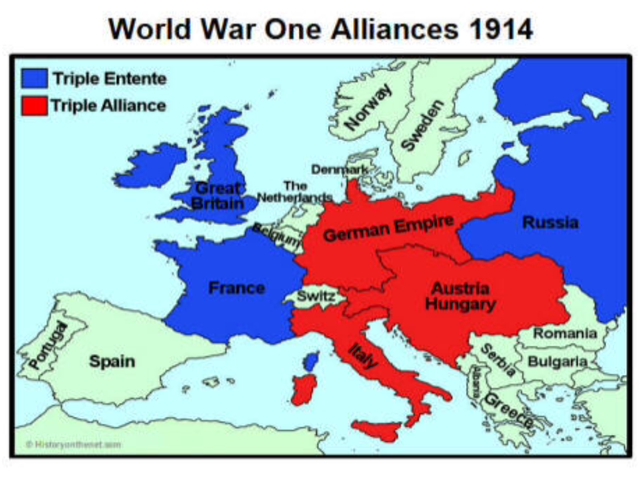
Europe in the early 20th century was a mishmash of different alliances between countries. Although these alliances had initially been created as a method for countries to benefit from mutual protection, it also created a scenario where any conflict, no matter its size, could rapidly descend into a full scale war between nations. Amongst these alliances, The Triple Entente, which comprised Britain, France, and Russia, and the Triple Alliance, made up of Germany, Austria-Hungary, and Italy, were the two most important of all. That being said, these alliances weren’t set in stone - there was the potential for countries to switch sides, much like Italy would go on to do in the impending world war.
Why was the Balkans Known as the Powder Keg of Europe?
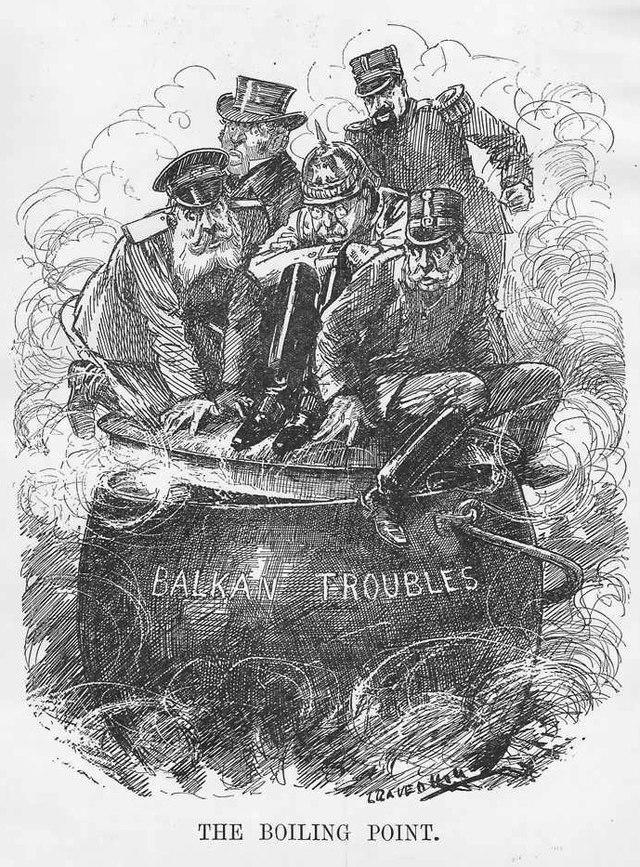
Over time, the Balkans would receive a unique yet worrying nickname - the “Powder Keg of Europe”. But what exactly did this mean? Essentially, the Balkans was famous for its support towards nationalism, and this had led to the region becoming one full of conflict and tension. In addition to this, the decline of the Ottoman Empire had also left a power vacuum in the region, intensifying the struggle for dominance among the Balkan states. For example, Serbia wanted to unite all the slavic people in the region into a single nation. However, this didn’t sit well with Austria-Hungary, who feared their population, many of whom supported the idea, would break away and join Serbia - making them a much weaker empire in the process. Unfortunately, situations like these made the Balkans extremely unstable, like a barrel of gunpowder that could explode at any moment, leading to the creation of its nickname.
What Event Actually Started WW1?
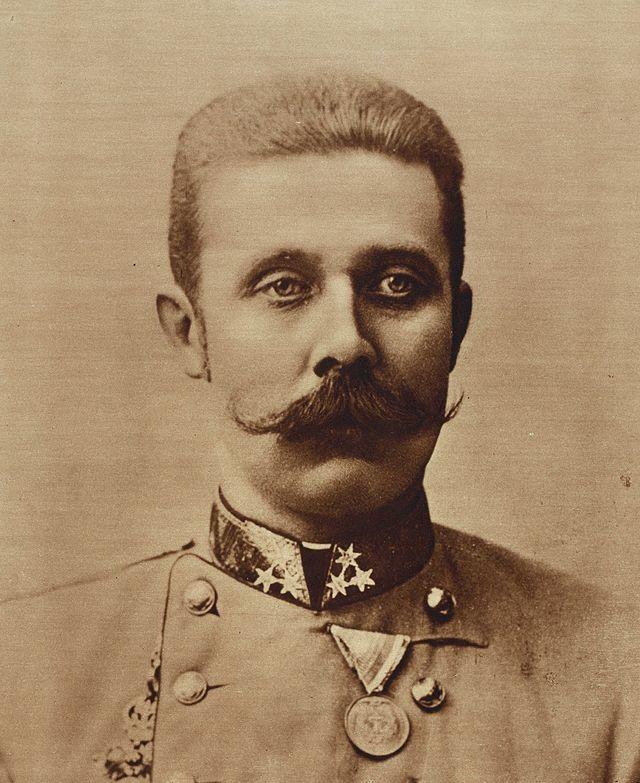
Although everything mentioned is an important factor in the lead up to WW1, one event would go on to directly spark the conflict - the murder of Archduke Franz Ferdinand of Austria. On June 28, 1914, the Archduke and his wife would be shot at close range by a man named Gavrilo Princip, a Bosnian Serb and fervent nationalist. From here, a chain reaction would begin to take place. Firstly, Austria-Hungary, with the support of their ally, Germany, would present Serbia with an ultimatum consisting of various demands - many of which were almost impossible for them to accept. Therefore, after Serbia refused to meet these demands, Austria-Hungary declared war, triggering the alliance system and dragging countries on both sides into a massive and far reaching global conflict.
How Did Misunderstandings Lead to World War I?
In the lead up to WW1, miscommunication and misconceptions amongst the European populace resulted in increased tensions. Often, important diplomatic messages were frequently delayed or misinterpreted, and this naturally led to a lot of confusion and suspicion. Alongside this, many of those in charge held the fatalistic belief that war was inevitable - this resulted in them viewing any action taken by another country as hostile, regardless of whether it actually was or not. Furthermore, the rapid mobilization of armies across Europe only added fuel to the fire as well. For example, these actions, often intended as precautionary measures, were perceived by neighboring countries as aggressive moves - escalating the already high tensions. Across Europe, the atmosphere was rife with paranoia and distrust and this made any form of peaceful negotiation or understanding increasingly difficult.
How Did Individual Leaders and Decisions Influence the Path to War?
It goes without saying that the decisions of many key leaders during this period of time also contributed to the outbreak of the war. For example, Kaiser Wilhelm II of Germany and Tsar Nicholas both made choices that increased tensions because of their beliefs in nationalism mixed with their own personal ambitions. Likewise, after the death of Archduke Franz Ferdinand, leaders such as Count Leopold Berchtold would retaliate with aggression to the news, leading to a direct confrontation with Serbia, as mentioned previously. On the other hand, in France, President Raymond Poincaré's strong commitment to the alliance with Russia played a key role in drawing the nation into the conflict. Meanwhile, Britain's entry into the war was largely prompted by Germany's invasion of Belgium, breaching its neutrality, a vital issue for the British. Sadly, these leaders, often acting in high-pressure situations with limited foresight would fail to grasp the devastating consequences of a widespread war.
Conclusion
All in all, World War I was caused by a complex mix of causes. Firstly, the rise of nationalism altered Europe's power dynamics, and imperialism heightened tensions among key powers. In this charged atmosphere, the Balkans, rife with nationalist tensions, became a critical flashpoint. Additionally, the assassination of Archduke Franz Ferdinand went on to set off a chain reaction, with Austria-Hungary's stern ultimatum to Serbia eventually sparking the war. From here, misunderstandings and a widespread belief in the inevitability of war further fueled the crisis. Lastly, unfortunate decisions made by influential leaders like Kaiser Wilhelm II and Tsar Nicholas II played pivotal roles in propelling their countries into conflict.
Summarise with AI:
Did you like this article? Rate it!

 Loading...