The First World War would see the deployment of many new technologies never before seen on the battlefield. However, one of the most important of these advancements was aerial combat. Although barely in its infancy at the start of the war, aerial combat would soon go on to become a key aspect of military strategy for both sides. Below, we’ll take a look at the history of aerial combat during WW1, covering everything from its inception, technological advancements, key strategies, and the pilots who would go on to gain national fame as “aces”. Keep reading below to find out more about this fascinating topic!





How Did Aerial Combat During WW1 Begin?
When WW1 first broke out, planes weren’t actually used for combat. Instead, they were mostly used for reconnaissance and would fly deep into enemy territory in order to provide important information about the position of troops and their movements on the battlefield. Pilots often flew over trenches, capturing photographs as they did, which proved instrumental in planning strategies. However, in many ways this was the first step towards the birth of aerial combat, as the need to protect and stop these aircraft from gathering information would soon result in fighter planes and dogfights becoming a crucial component of the war.
How Did Technology Advance in WW1 Aviation?
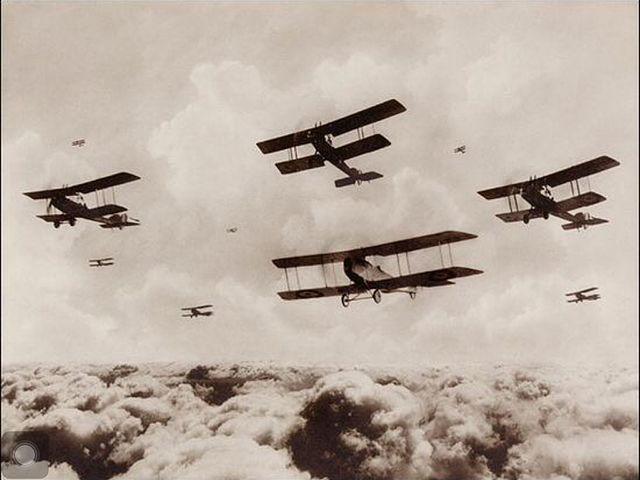
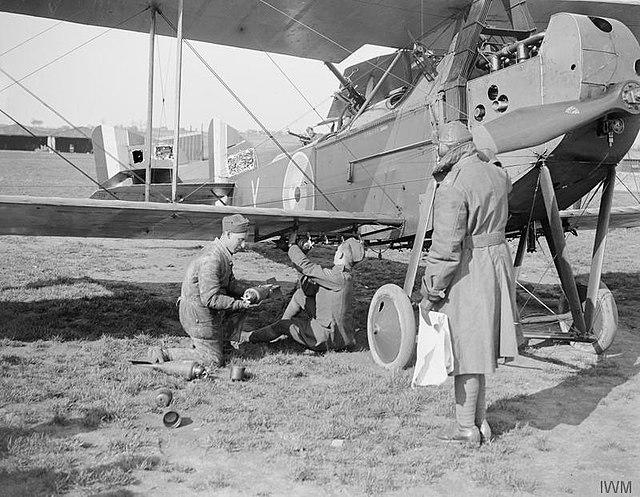
During WW1, aviation technology would make a massive leap. Once purely tools intended only for renaissance, planes would eventually evolve into formidable weapons of war. Arguably one of the biggest breakthroughs in this technology was the synchronized machine gun, which allowed pilots to fire through their propeller without damaging it. However, this was only the beginning. From here, dedicated fighter planes would soon be developed, boasting improved speed, agility and better armament. Alongside these changes, the development of bomber planes would also introduce yet another new strategic element to the battlefield as well.
What Were the Key Strategies of Aerial Combat?
Aerial combat in WW1 was characterized by strategic dogfights and bombing raids. Pilots engaged in intense battles in the sky, known as dogfights, often in a bid to prevent enemy reconnaissance. These battles required skill and bravery, as pilots maneuvered their aircraft in high-speed chases and aerial acrobatics. Additionally, bombing raids also evolved as a strategy to target military and industrial sites - sadly, they would also sometimes target civilians too. This shift aimed to disrupt enemy supply lines and lower morale of troops and marked a new era in warfare wherein civilian populations became targets.
Who Were the Aces of WW1 Aerial Combat?
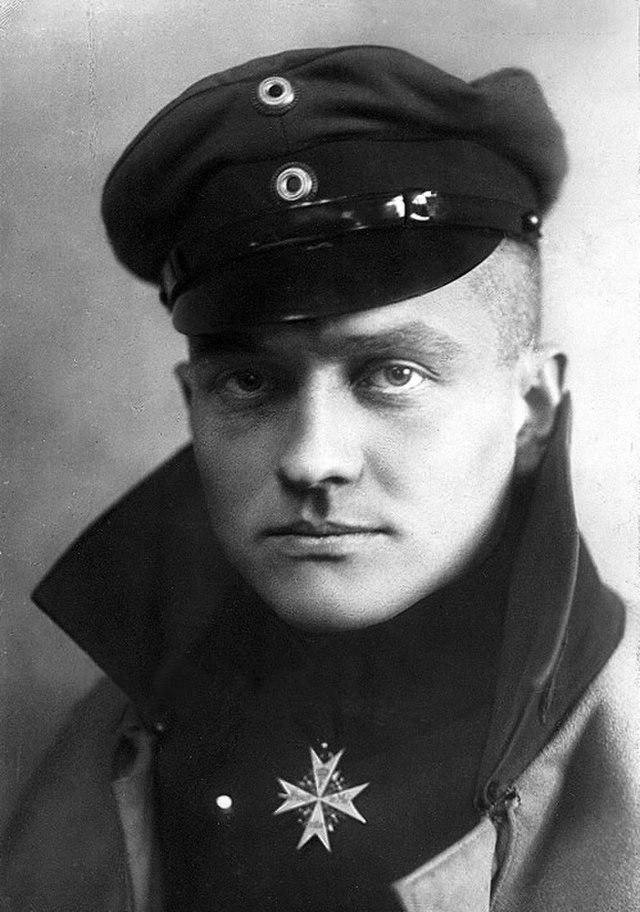
The term 'ace' was coined in WW1 to describe fighter pilots who had achieved five or more aerial victories. The most famous among them was Manfred von Richthofen, known as the Red Baron, who became a legend for his aerial prowess. These aces were not just skilled pilots but also symbols of national pride and military success, inspiring both their comrades and the public. But Richthofen was not alone in his fame. For example, other notable aces included René Fonck of France, who was the Allies' most successful fighter pilot with 75 confirmed victories. Likewise, British pilot Edward "Mick" Mannock, credited with 61 victories, was another celebrated ace known for his aggressive tactics and leadership.
What Were the Most Significant Aerial Battles of WW1?
During World War I, gaining control of the skies was essential, as it directly affected ground operations and could shift the balance of the war. With this in mind, let’s take a look at some of the most important battles where aerial warfare played a crucial role.
The Battle of Verdun (1916) - This battle was one of the war's longest and bloodiest. In the skies above Verdun, fighter planes on both sides engaged in intense and vicious dogfights. These battles were crucial to conflict because controlling the air meant better support for the troops on the ground.
The Battle of the Somme (1916) - This conflict saw the first deployment of the British Royal Flying Corps in a coordinated offensive. Incredibly, over 19,000 aerial photographs were taken during the battle, playing a massive part in the planning and strategies taking place on the ground.
The Battle of Arras (1917) - This battle is notable for the high level of air activity, with both sides deploying large numbers of aircraft in direct support of ground operations.
The Spring Offensive (1918) - During this series of German offensives, the Allied air forces played a crucial role in slowing down the advance by attacking troop concentrations, supply lines, and railroads.
What Were the Dangers and Challenges Faced by WW1 Pilots?
Sadly, being a pilot during WW1 was fraught with danger and challenges. Unfortunately, the life expectancy of most pilots was very short. For example, if lucky, the average pilot during the Western front would expect to survive for around 69 hours. Alongside this, pilots often had minimal training (a far cry from today) and were expected to learn most of their skills on the job. In fact, many pilots would earn their flying license in as little as 3 hours, all while flying relatively untested new forms of aircraft. Alongside this, the constant threat of being shot out of the sky, combined with the physical demands of flying at high altitudes would also take a huge toll on pilots mental and physical health. The perilous conditions, from enemy fire to mechanical failures, added to the hazards, making every mission a potential last flight.
Conclusion
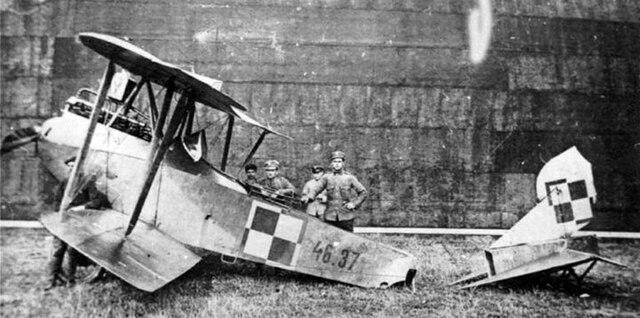
In conclusion, aerial combat in WW1 marked a significant evolution in military tactics, as it began to shift from reconnaissance to intense dogfights and bombing campaigns. Additionally, advances in technology, such as the synchronized machine gun, led to the rise of fighter aircraft and the iconic status of ace pilots. What’s more, these developments were crucial in battles like Verdun and the Somme and emphasized the importance of air dominance. However, the advent of this new warfare style also brought substantial risks, with pilots confronting harsh dangers, limited training, and significant physical and mental strains.
Summarise with AI:
Did you like this article? Rate it!

 Loading...