From 1678 to 1702, England would find itself embroiled in a political and religious upheaval that would ultimately lead to the establishment of a constitutional monarchy.
In this captivating article, we'll explore the events and figures that defined this era, from the Exclusion Crisis and the Glorious Revolution to the reign of William and Mary.
Along the way, we’ll also talk about the bitter political divide between the Whigs and Tories, how Parliament became more influential, and the religious tensions that plagued this period in history. So if you're curious to learn more about the forces that played a role in shaping modern Britain, keep reading!





What was the Exclusion Crisis?
The Exclusion Crisis (1679-1681) was a fierce political struggle that centred around the possibility of a Catholic Monarch inheriting the crown and becoming king. An openly practising catholic, King Charles II’s brother, James II, was touted to be next in line.
However, this did not sit well with many in parliament, who were convinced that James II would restore papal influence in England and erode the rights of protestants around the country. Fearing the worst, the Whigs launched an extensive and far-reaching campaign designed to keep James off the throne entirely.
How did they do this? Well, they started by introducing a series of Exclusion Bills in Parliament. These bills aimed to legally bar James from the line of succession, arguing that a Catholic monarch would pose a grave danger to England's laws, religion, and very way of life.
The Whigs were also not above using propaganda to sway public opinion either, warning of a return to the dark days of "Bloody Mary," when Protestants were burned at the stake, and even hinted at a possible Spanish Inquisition-style reign of terror.
However, Charles II was all too aware of their intentions, dissolving parliament multiple times to keep the bills from being passed. Additionally, the king also had the support of the Tories, a powerful political faction who rallied behind him and was vocal about their shared beliefs in the divine right of kings and the importance of hereditary succession.
How Did James II's Reign Lead to the Glorious Revolution?
James II would ultimately succeed in inheriting the throne following the death of his brother in 1685. With ambitious goals in mind, the new king would waste no time in attempting to establish an absolutist monarchy and restore Catholicism as the primary religion of England.
Unfortunately, this only confirmed the worst fears of the Whigs and turned many of the crown's staunchest supporters like the Tories against him.
Ignoring the existence of the Test Acts (which were designed to keep Catholics from holding public office), James began brazenly appointing Catholics to key positions in the government and military.
In an even more controversial move, he would also issue the Declaration of Indulgence in 1687 - essentially giving religious freedom to both Catholics and Protestant dissenters. The following year, James' second wife, Mary Modena, would give birth to a healthy male heir, convincing many that a new Catholic dynasty was on the horizon.
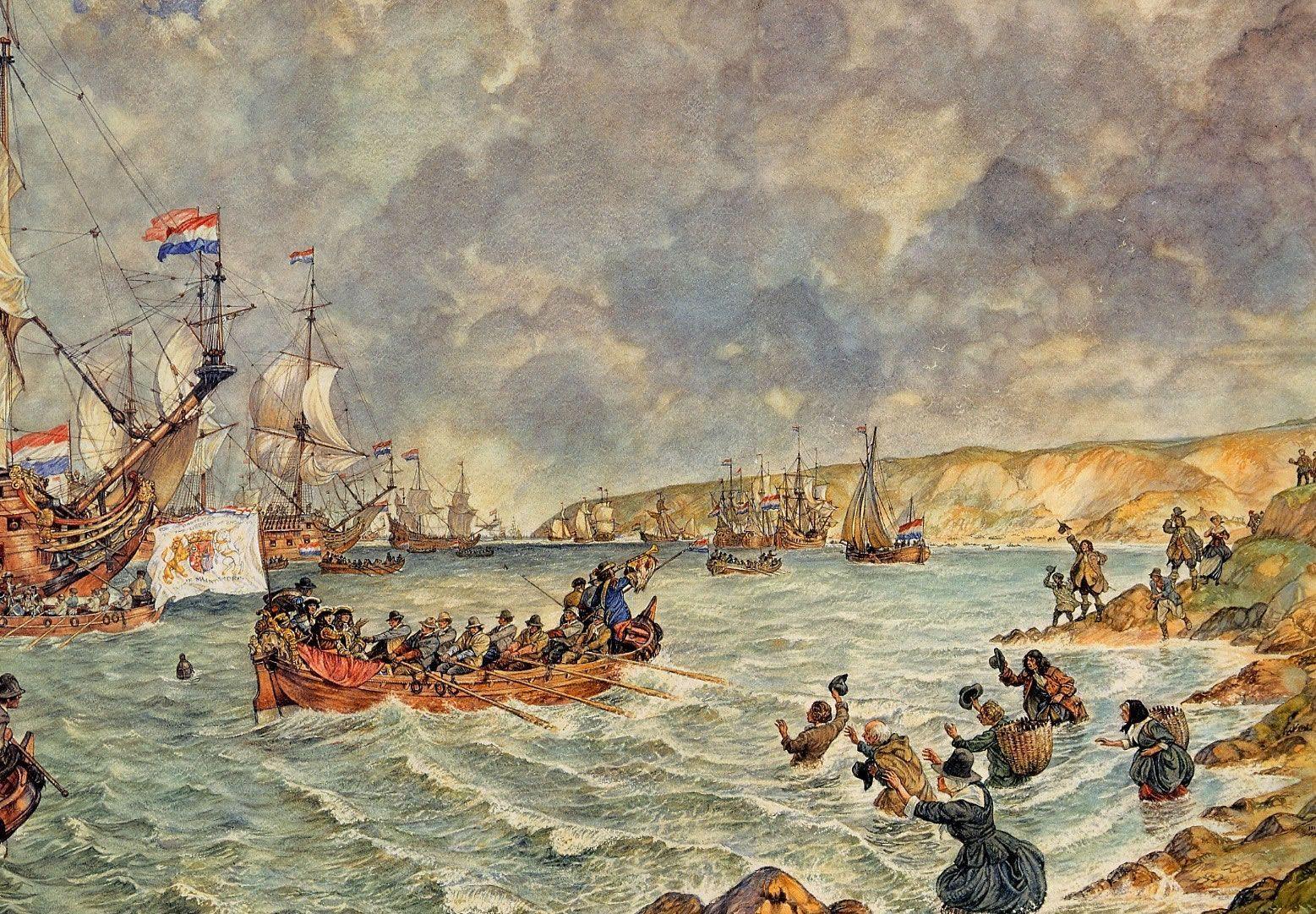
As a result, a group of seven prominent noblemen and clergymen, known as the "Immortal Seven”, would take matters into their own hands. In a secret meeting in June 1688, they successfully convinced William of Orange, the Protestant Dutch ruler and husband of James's daughter Mary II, to invade England and seize the throne.
How Did the Events of the Glorious Revolution Unfold?
The Glorious Revolution, also known as the Revolution of 1688, was a pivotal event in British history that involved the overthrow of King James II of England by a union of English Parliamentarians with the Dutch stadtholder William III of Orange-Nassau (William of Orange).
The Glorious Revolution officially began when William of Orange landed at Torbay in November 1688 with a large army in tow. As William began his march towards London, James II’s support slowly but surely started to crumble.
Watching as both his troops and even his own daughter, Anne, defected to his enemies, the king saw no other course of action but to flee the country. Aware the king had fled, William then convened an assembly of lords and former members of the Commons - known as the "Convention Parliament”.
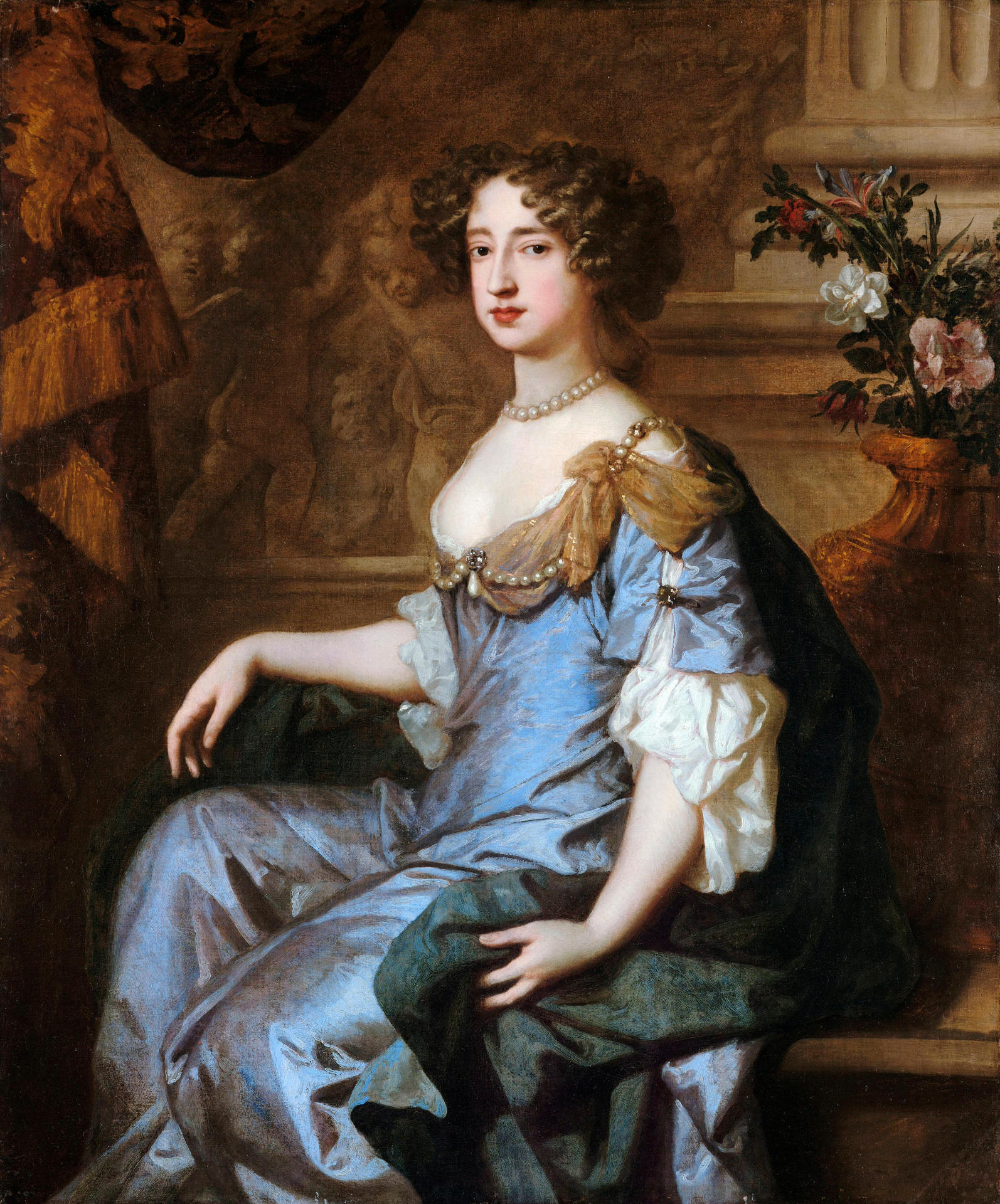
Wasting no time, they declared that James II’s attempt to flee the country was equivalent to abdicating the throne. With the king out of the picture, the crown was then offered to both William and Mary as joint sovereigns, a new form of power sharing that had never before been seen in the history of the English monarchy.
On February 13, 1689, the couple formally accepted the throne, marking the end of the glorious revolution once and for all.
How Did the Rest of Britain React to the Revolution?
The events of the glorious revolution would send shockwaves throughout its neighbouring territories. For example, in Scotland, the revolution resulted in a separate Scottish parliament being formed and the Presbyterian Church coming into power.
Aware the king had fled the nation and choosing to follow in the steps of the English Parliament, they too offered up their crown to William and Mary who soon accepted. Meanwhile, across the sea in Ireland, the situation would soon become much more complex and bloody.
Landing on Ireland in 1689 with the backing of King Louis XIV, James II quickly garnered the support of the island's sizable Catholic population. Unfortunately, this resulted in the Williamite War taking place, a brutal conflict that pitted James II's Jacobite supporters against William III's Protestant forces. Raging on for two years, the war would finally come to a close with the signing of the treaty of Limerick in 1691.
How Did the Government Function Under William and Mary?
Under the joint rule of William and Mary, the government soon underwent a number of changes that laid the foundation for a constitutional monarchy.
Much like James II and his predecessor had feared would happen, the overall power of the monarchy was massively reduced.
For example, in 1689, the Bill of Rights was passed, making it illegal for either the king or queen to suspend laws or levy taxes without the approval of Parliament. In later years, parliament would become even more influential, with the Triennial Act of 1694 mandating that elections be held every three years.
However, arguably the most important change would come with the emergence of a true two-party system, with the Whigs and Tories vying for control of Parliament and influence over the appointment of ministers.
Ultimately, this led to the formation of the cabinet system, where a group of ministers, drawn from the ruling party in Parliament, acted as advisors to the monarchs and helped them shape policy.
While William and Mary still held onto some snippets of their power, it was clear that the nation was fast approaching a more democratic system of rule.
What Was the Condition of Britain and Its Monarchy by 1702?
By 1702, the nation and monarchy had undergone a pretty remarkable transformation. The Monarchy, once a powerhouse, was now almost entirely reliant on parliament for both its authority and finances. In many ways, it had almost become a sort of figurehead.
On the religious side of things, a new bill called the Toleration Act, had also granted freedom of worship to Protestant dissenters - allowing them to build their own schools and churches wherever they saw fit. However, this tolerance did not extend to Catholics who still faced countrywide discrimination.
Passed in 1701, the Act of Settlement stated that only Protestants were allowed to inherit the throne, striking another major blow to the religion and ensuring a Protestant line of succession for the foreseeable future.
The following year, William would pass away, leaving Anne to inherit the throne by herself and effectively becoming the last of the Stuart Monarchs. From here, a new chapter in the history of the nation would soon begin to unfold, one where the Hanoverian dynasty would eventually sit on the throne.
Conclusion
From 1678 to 1702, England underwent significant changes that eventually led to the Establishment of a Constitutional Monarchy. Beginning with the Exclusion Crisis, which primarily was caused by fears of a Catholic monarch taking the reins, it would all come to a head with the Glorious Revolution which was spearheaded by William of Orange.
Soon after, William and his beloved wife Mary II would take the throne as joint sovereigns, ultimately sacrificing much of their power to parliament in the process. By the end of this era, the country was rapidly hurtling towards a new age, one where the Stuart Monarchy would never sit on the throne again.
Summarise with AI:
Did you like this article? Rate it!

 Loading...