The era from 1929 to 1941 under Joseph Stalin's leadership stands as one of the most pivotal and controversial periods in all of Soviet history. In the article below, we’ll aim to shed light on Stalin’s time in power, including the mechanisms of state terror, the transformation of culture and society to fit Stalin’s ideals, and the Soviet Union's interactions with other countries around the globe. Curious to learn more about Stalin and how he shaped the Soviet Union? Make sure you keep reading below to find out more about this dark chapter of history.





What Was the Machinery of State Terror Under Stalin?
During Stalin’s reign, the Soviet Union would roll out an extensive system of surveillance, coercion and punishment. The reason for this? To root out any of the regime's potential enemies and tighten its overall control on the nation and its people. The NKVD, a secretive organization led by men such as Genrikh Yagoda, Nikolia Yezhov, and Lavrentiy Beria, were instrumental in carrying out Stalin's orders - orchestrating mass purges and running the infamous Gulag Labor camps.
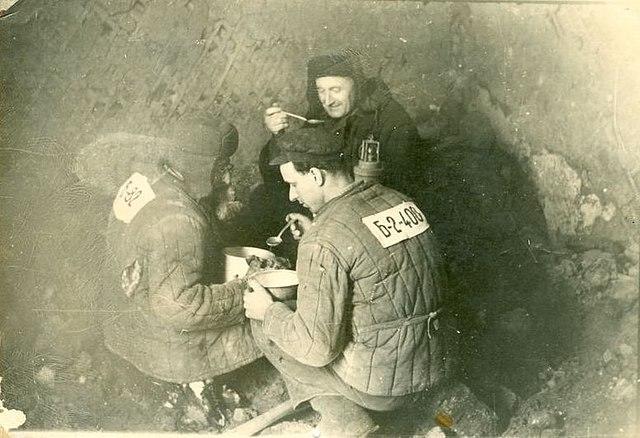
The Gulag labour camps, notorious symbols of Stalin's repression, were scattered across the most remote and unforgiving areas of the Soviet Union. These camps were essentially brutal penal colonies where millions of prisoners, from political dissidents to ordinary citizens accused of anti-regime activities, were forced to work under incredibly inhumane conditions. Beyond the Gulags, the NKVD also used a vast network of informants, many of whom were ordinary citizens, to keep tabs on the populace. This action led to widespread paranoia and fear that anyone could be an informant - including neighbours, friends, and even family members.
How Did the Kirov Murder and Show Trials Cement Stalin's Power?
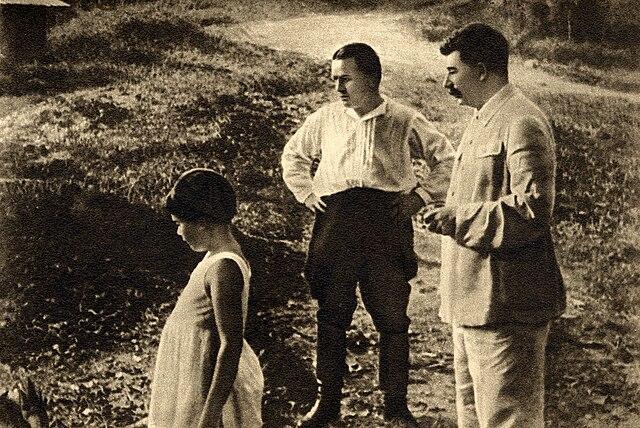
The assassination of Sergei Kirov in 1934, a prominent Bolshevik leader, marked a huge turning point in Soviet politics as a whole. Stalin used Kirov’s murder to justify unleashing a wave of terror across the Soviet Union, initiating the infamous show trials. These public trials were staged events where high-ranking officials were forced to confess to fabricated crimes against the state. But why did Stalin do this? Essentially, the trials served multiple purposes - not only did they eliminate potential rivals and instil fear among the populace, they also showcased Stalin's overwhelming power.
How Did the Purges Affect the Soviet Union?
The Great Purges, which reached their peak around the late 1930’s, were a brutal campaign focused on eliminating anyone who was seen as a threat to Stalin’s rule. During the crackdown, the NKDV not only targeted Stalin’s political rivals, but also members of the military, critics of the regime, and ordinary citizens alike. However, amongst these targets, the military would go on to take the biggest brunt with many high-ranking officers being killed or imprisoned.
Similarly, the Bolsheviks would also face Stalin's wrath as he aimed to eradicate any potential traces of opposition. All in all, The Great Purges had a deep and lasting impact on the Soviet Union, causing the immediate loss of millions of lives and the destruction of numerous families.
How Did Stalin's Regime Impact Women, Young People, and Working Men?
During Stalin’s rule, the soviet government would work hard to promote a vision of a society where women, youth, and the working class would enjoy equal rights and opportunities. However, the reality was more mixed. Although women were now given the opportunity to step into what were once largely male-centric jobs, they still faced discrimination and other obstacles.
Likewise, for the younger generation, organisations such as Komsomol (the All-Union Leninist Young Communist League) were mainly created as tools for indoctrination. Lastly, working men, whose efforts were largely responsible for the transformation of the Soviet Union into an industrial powerhouse also faced increasingly harsh working conditions.
What Was the Stalin Constitution?
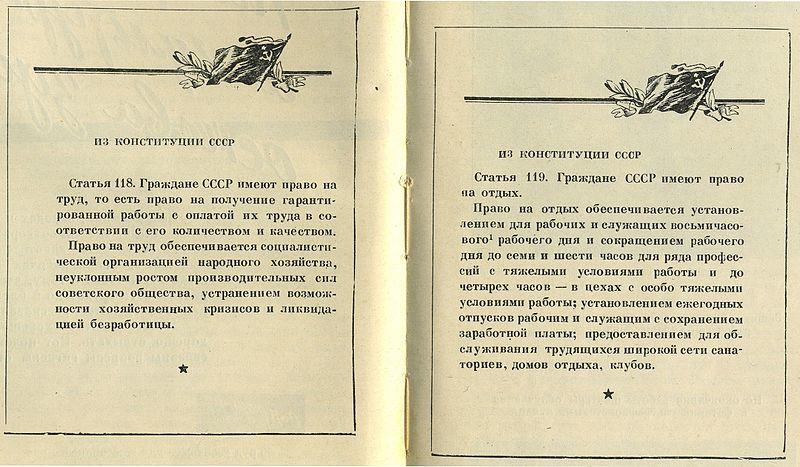
During 1936, the Stalin Constitution (officially known as the 1936 Constitution of the Soviet Union) would officially be introduced to the public. The document promised an array of freedoms that were groundbreaking for their time, including freedom of speech, press, and assembly, as well as the right to vote through secret ballots. However, these promises were largely an illusion and were instead a clever ploy by Stalin to present the Soviet Union as a progressive and lawful state, both to the general public at home and to other countries across the world. To make matters worse, the Stalin Constitution was unveiled during the height of the great purges - illustrating Stalin’s hypocrisy.
What Led to the End of the Purges and the Death of Trotsky?
The decline of Stalin’s infamous purges would officially begin when the leader of the NKVD, Nikolia Yezhov was removed from power in 1938. From here, his successor, Lavrentiy Beria, would slowly scale back the level of violence and repression bit by bit. Despite this, Stalin’s paranoia only continued to grow as he remained fixated on rooting out any form of dissent or competition.
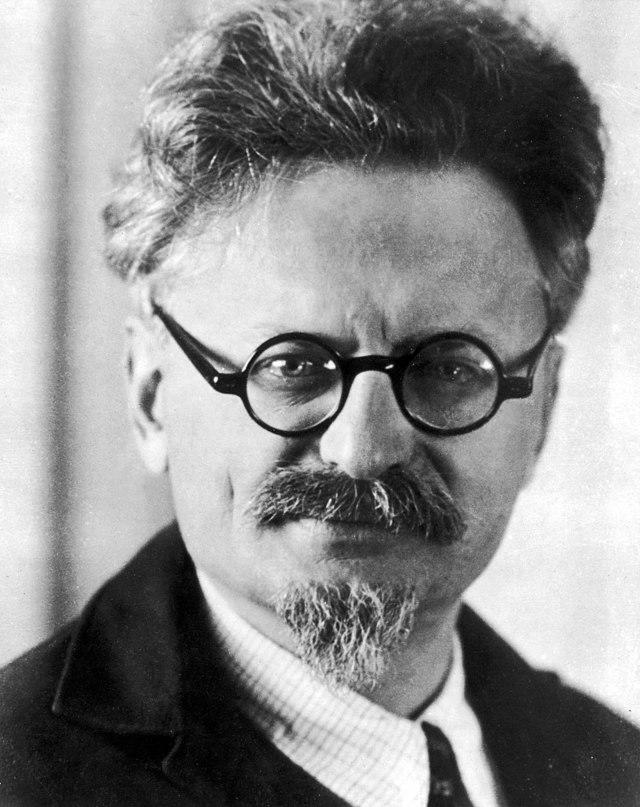
Eventually, this would lead to the assassination of one of Stalin's greatest detractors, Leon Trotsky, who had sought exile in Mexico. All in all, the assassination marked the climax of Stalin's relentless campaign against his perceived enemies and pretty much silenced the last of his political rivals from the era of the Bolshevik Revolution.
How Were Culture and Society Molded Under Stalin?
Under Stalin's rule, the cultural and societal fabric of the country saw a big shift as a result of the government's keen interest in making sure everyone thought and acted in line with its ideology. For example, education and the arts were tightly controlled and used as propaganda tools to promote socialism and other soviet virtues. Unfortunately, anyone who did not conform to these rules would find themselves under the very real threat of imprisonment or exile. At the same time, Stalin's government didn't take kindly to religious practices either, seeing them as a threat to their control and the spread of their communist ideals.
What Was Stalin's Approach to International Relations?
From 1929 to 1941 Stalin's approach to global politics was mostly centred around protecting the soviet union's interests above all else. In 1934, he would take his first step towards international diplomacy by joining the League of Nations.
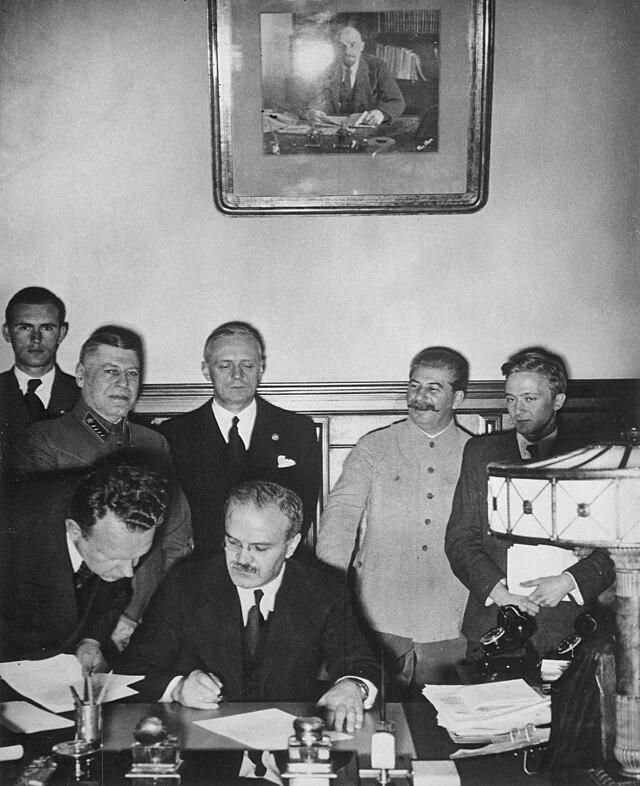
A few years later, in 1939, Stalin would make a decision that shocked the world. By signing the Molotov-Ribbentrop Pact with Nazi Germany, Stalin believed that he could avoid conflict with Nazis and secretly gain territory from countries that had been invaded in Eastern Europe. However, this strategy would ultimately backfire in a catastrophic way.
In June 1941, Nazi Germany launched Operation Barbarossa, a massive invasion of the Soviet Union that violated the Molotov-Ribbentrop Pact. This betrayal essentially thrust the Soviet Union into the forefront of the Second World War. However, before the agreement, Stalin had been actively seeking alliances with France and Czechoslovakia as a countermeasure against the rising threat of Nazi Germany. Additionally, Stalin would also support the republican forces in the Spanish Civil War, who were fighting tooth and nail against Franco’s Nationalist group. By doing this, Stalin believed he could halt the advance of fascism and strengthen Soviet presence in Western Europe.
Conclusion
In conclusion, Under Stalin's iron-fisted rule, the Soviet Union would witness the ruthless actions like purges executed by the NKVD, and the harsh realities of the Gulag labor camps. Alongside this, Stalin would also promise his citizens equality which was in stark contrast to the struggles faced by women, youth, and workers. Additionally, the Stalin Constitution also highlighted the regime's hypocrisy with its unfulfilled promises of greater freedom for the people. On the international stage, Stalin's moves ranged from strategic alliances to the catastrophic Molotov-Ribbentrop Pact.
Summarise with AI:
Did you like this article? Rate it!

 Loading...