From 1924 to 1929, Russia would play host to a wide range of intense political manoeuvres, ideological battles and a consolidation of power that would go on to reshape the future of the Soviet Union for years to come.
During this time, Joseph Stalin would rise to power following the death of Vladamir Lenin, who was responsible for founding the Soviet State. Below, we'll look at how Stalin manoeuvred through the political landscape of the time, sidelining rivals and implementing policies that would eventually cement his control over the Soviet Union. Keep reading below if you want to explore more about Stalin's rise to power.





What Was Lenin's Testament?
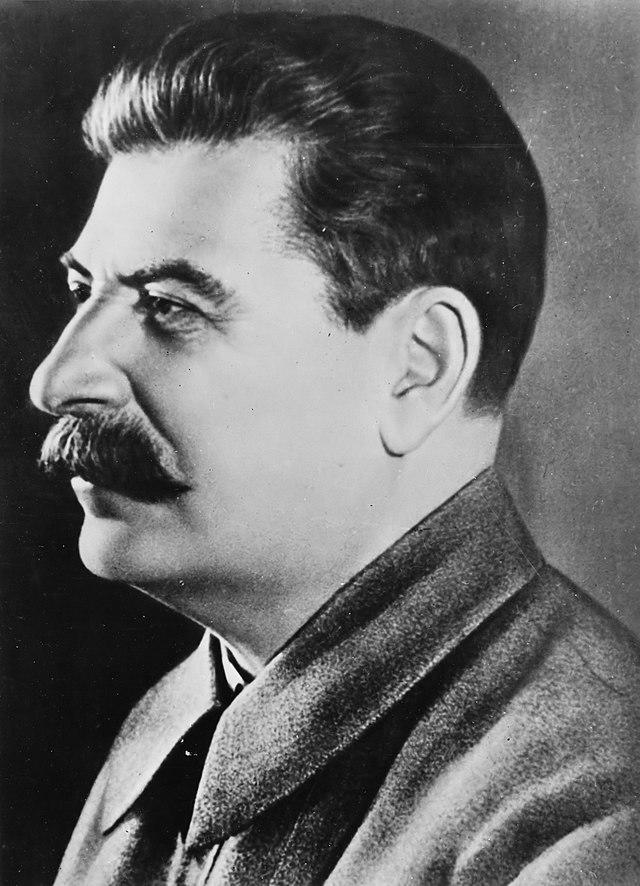
Immediately after the death of Vladimir Lenin in 1924, Russia would find itself at an important crossroads. Firstly, the question of who would succeed Lenin as leader had created a power vacuum inside the Communist Party, sparking a fierce internal struggle in the process.
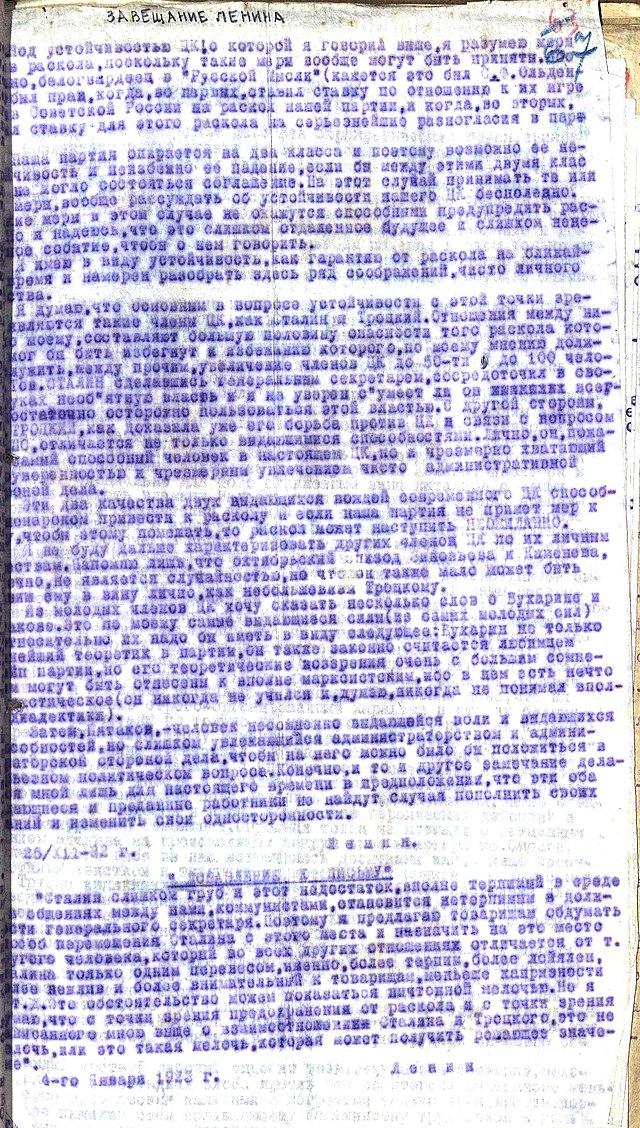
To make matters worse, Lenin had left behind a testament after his death that was highly critical of his potential successors, with Stalin included among them. In his testament, he suggested removing Stalin due to his coarse and power-hungry nature and appointing a more tolerant and loyal man in his place as Secretary General. However, Stalin would remain undeterred by this - working tirelessly to reduce the damage caused by the testament in a bid to ensure it did not ruin his political ambitions.
How Did Stalin Become Leader of the Soviet Union?
Stalin started his ascent to power by discrediting and suppressing the criticism left behind by Lenin’s testament, all while promoting his image as a loyal Leninist. Essentially, he argued that his actions and policies were in line with Lenin's wishes for the Soviet Union, painting any opposition as a betrayal to the legacy of Lenin.
Alongside this, Stalin also used his position as Security General to ally with key figures within the party like Zinoviev and Kamenev, creating a strong coalition of supporters. This alliance would play a huge role in helping Stalin counter the growing influence of Trotsky, the commander of the Red Army, who was seen by many as Lenin’s true heir. By banding together, they managed to challenge his ideals and question his loyalty to Leninist principles. However, once Trotsky was isolated from the party, Stalin also turned against his former allies as well, aligning himself with Bukharin and the right wing of the party to defeat the left opposition.
What Were the Key Ideological Debates During this Period?
The ideological battles of the era were a pivotal part of the Soviet Union's history, focusing on how best to shape its economy and society. At the heart of these discussions were two main ideas - the New Economic Policy (NEP), which allowed a blend of private and state businesses, and the push towards more aggressive industrialisation and collectivization.
At first, Stalin would back the NEP in order to rally the party's more conservative members behind him. However, this would soon change in an event called the “Great Turn” where Stalin turned his back on the NEP and instead pushed for more industrial growth and the implementation of collective farming. By varying who he supported, Stalin was able to align with different groups within the Communist Party at different times, effectively isolating potential rivals like Bukharin who found themselves at odds with Stalin's new direction after initially supporting the NEP.
What Was the Impact of Stalin’s Economic Policies?
The first Five-Year Plan, launched in 1928, was a bold initiative to accelerate industrial growth. Essentially, it focused on expanding heavy industries like steel, coal, and machinery, which were seen as crucial for the country's development and defence capabilities. The plan set ambitious targets for production increases, aiming to lay the foundation for a strong, self-sufficient economy.
However, these policies came with significant challenges and hardships too. For example, the push for collectivisation would anger farmers, resulting in conflict and famine spreading across the Soviet Union. The most tragic example of this was the Holodomor in Ukraine, where millions died due to famine. Similarly, while industrialisation did do a lot to boost the economy, it also placed heavy demands on workers who were often subjected to difficult and unsafe conditions.

How Did Stalin Consolidate His Power?
Stalin's grip on power didn’t just centre around political strategies and outsmarting his rivals, it also involved the extensive use of propaganda and the establishment of a cult of personality. By taking control of media and education, he pretty much placed himself at the forefront of everyday Soviet life and ensured his image was synonymous with Soviet success and progress. In schools, textbooks were created that glorified his achievements and leadership, indoctrinating soviet children into believing he was a heroic leader who could do no wrong.
This cult of personality would only further be amplified by the arts too - with poets, playwrights, and filmmakers producing works that idolised Stalin's rule, contributing to an atmosphere where questioning his leadership became almost unthinkable. Alongside this, Stalin would also use celebrations, public events, and the naming of cities and landmarks to further cement his growing legacy.
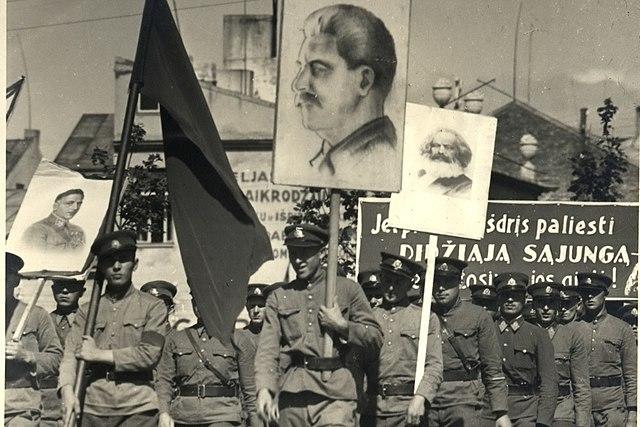
(Credit: Wikimedia Commons)
What Was Stalin's Approach to Foreign Policy?
From 1924 to 1929, Stalin's foreign policy essentially focused on making the Soviet Union more secure and improving its position on the world stage. For example, Stalin would reach out to other major powers, notably China and Germany, to better relations. In 1926, the Treaty of Berlin would be signed which normalised relations between Germany and the Soviet Union, both of whom had previously come to blows in World War I. All in all, the treaty was significant for several reasons - it helped prevent potential conflicts by securing peace with Germany and also allowed the Soviet Union to focus on internal development without the immediate threat of external aggression.
During Stalin's time in power, there was also a notable shift in how the Comintern operated. Initially set up to spread communism worldwide, the Comintern under Stalin started focusing more on what was best for the Soviet Union rather than pushing hard for global communist revolutions. Essentially, Stalin believed that the Soviet Union needed to be strong and stable first before anything else.
Conclusion
Between 1924 and 1929, Stalin's rise to power fundamentally transformed the Soviet Union. Ignoring Lenin's last wishes, he cleverly navigated the political landscape to sideline his competitors. No longer willing to follow the New Economic Policy (NEP), Stalin instead focused on more radical strategies like collectivisation.
Unfortunately, Stalin would also cause widespread suffering throughout the Soviet Union, most notably through the Holodomor, a catastrophic famine in Ukraine that resulted from his policies. Beyond economic changes, Stalin created a cult of personality, presenting himself as the indispensable leader who was the only one who could guide the Soviet Union to greatness.
Summarise with AI:
Did you like this article? Rate it!

 Loading...