In the 16th century, Europe was on the brink of a religious revolution that would reshape it forever. At the heart of this revolution stood Martin Luther, a German monk whose bold ideas and defiant actions were instrumental in kickstarting the Protestant Reformation.
But what was the Holy Roman Empire like during Luther's time, and how did it influence the course of the Reformation? And what drove Luther to lose faith in the Church?
In this article, we’ll aim to answer those questions and more, painting a vivid picture of the world during Luther's time and the factors that shaped his unique ideas and actions. Keep reading below if you want to find out more!





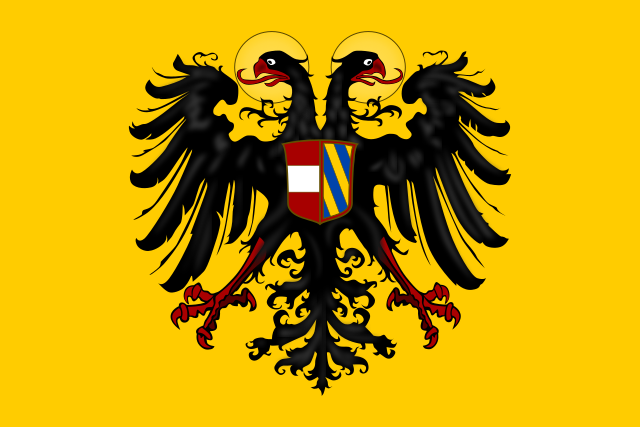
What was the State of the Holy Roman Empire during Luther's time?
The Holy Roman Empire was an immense political realm that stretched across large swathes of Europe. It wasn't a single, unified country like we think of today, but instead a collection of lots of smaller territories, each with its own leader and different amounts of independence.
At the top of this hierarchy was the Holy Roman Emperor, who was chosen by a group of seven powerful princes known as electors. These electors, which were made up of an assortment of archbishops and princes, also wielded significant power within the empire and were not afraid to pursue their own goals and interests - often leading to clashes with the emperor.
Below them, stood the lesser nobles who were made up of dukes, counts and margraves, each of whom ruled over their own slice of territory in Europe. Much like the electors, the lesser nobles were also power-hungry and constantly sought to expand their influence and control, even if it meant butting heads with their neighbours or the emperor himself.
In the cities, merchants and other workers grew increasingly frustrated with the limitations of the feudal system. Additionally, out in the rural areas, life was equally tough for the peasants too. Generally, most peasants were bound to the land they worked and were forced to toiled for long hours and give away much of their harvest.
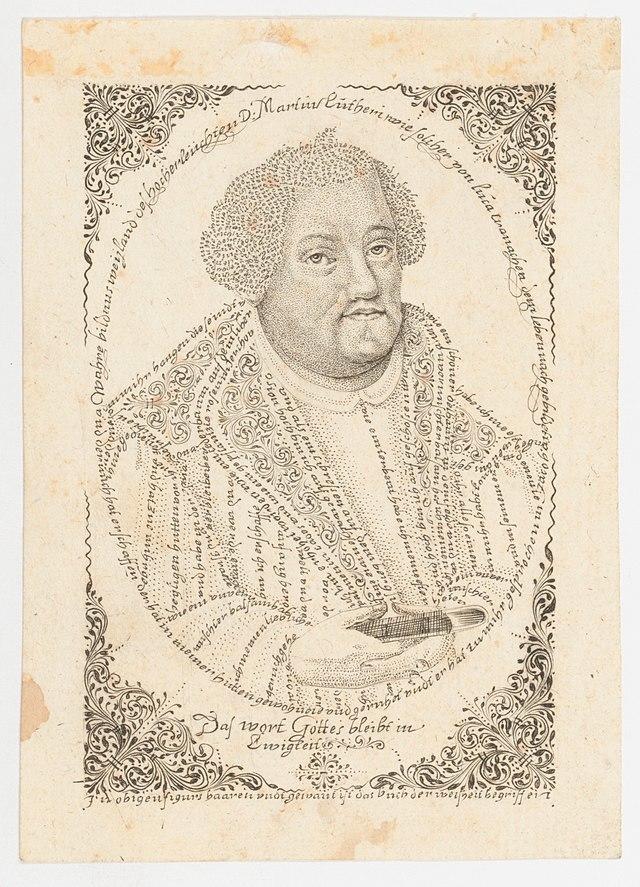
Who was Martin Luther and What Shaped His Early Life and Ideas?
Martin Luther was a German monk, theologian, and professor of theology who became a central figure in the Protestant Reformation, challenging the doctrines and practices of the Catholic Church in the 16th century.
Born sometime in 1483 in Eisleben, Saxony, Luther was the son of a successful minor. Early on in his life, Luther would set out to pursue an education in law due to the urging of his father.
However, a terrifying brush with death during a thunderstorm would eventually prompt him to abandon his studies altogether and enter an Augustinian monastery, becoming a monk in the process.
As a monk, Luther threw himself headfirst into the study of theology and the Bible, grappling with serious religious questions about sin, salvation, and the role of the Church in the lives of believers.
During his time in the monastery, Luther became increasingly troubled by what he saw as corruption and abuse within the Church, particularly the sale of indulgences. These were essentially pardons that could be purchased to reduce the amount of punishment one had to undergo for sins, either in this life or in purgatory after death.
For Luther, this practice was a symptom of a deep problem - the Church had lost sight of the true message of the Gospel and had become too focused on worldly power and wealth. As a result, he would set out to develop his own unique ideas about the nature of the church, the authority of the Bible, and the means by which humans could be saved.
What Were the 95 Theses and Why Were They Important?
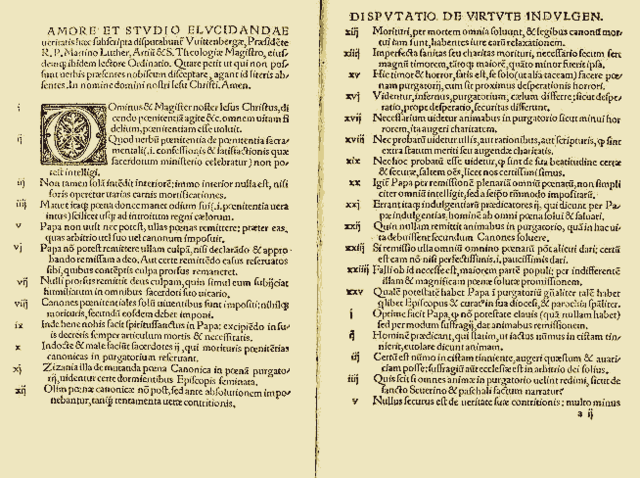
The 95 Theses were a set of statements and arguments written by Martin Luther in 1517, challenging the Catholic Church's practices and beliefs, particularly regarding indulgences and the authority of the Pope.
On October 31, 1517, Luther would nail a document known as the 95 Theses to the door of the Castle Church in Wittenberg - a move that would go down in history as the symbolic beginning of the Reformation.
But what exactly were the 95 theses and why did they matter? Essentially, they were a series of statements and questions that Luther had written that directly challenged many of the Church's core teachings and practices.
For example, one of the most compelling arguments was that the Bible, not the church itself, was actually the ultimate authority on matters of faith. These beliefs would strike a chord with many people who had grown disillusioned with the Church and its corruption.
Soon after, the 95 Theses would spread like wildfire throughout most of Germany, thanks in large part to the recent invention of the printing press. This new technology allowed Luther's ideas to be quickly and widely spread to the public in the form of pamphlets, sermons, and other writings, reaching a much larger audience than would have been possible just a few decades earlier.
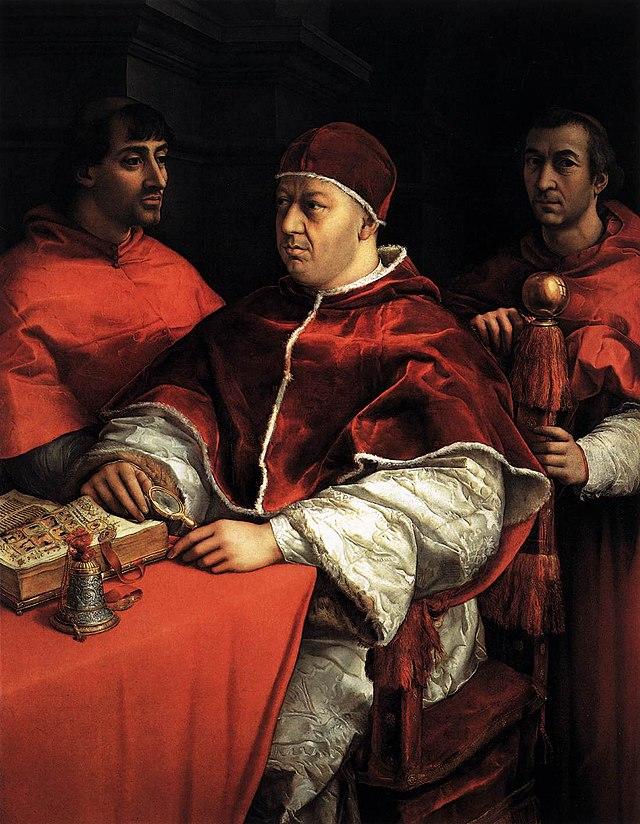
How did the Catholic Church and Holy Roman Emperor Respond to Luther's Challenge?
Naturally, it wouldn't take long for Luther's controversial ideas to bring him into direct conflict with those high up in the Catholic Church. Therefore, in 1520, Pope Leo X issued a papal bull which was a type of formal document that condemned Luther's teachings and threatened him with excommunication if he did not recant within 60 days.
However, Luther remained defiant and responded to this by burning the document in front of a huge crowd of cheering supporters, an act which was seen to many as open rebellion.
Viewing Luther’s ideas as a threat to the stability of his empire, Charles V summoned him to appear before the Diet of Worms in 1521, an assembly of Church and Imperial officials, to answer for his writings.
At the Diet, Luther still refused to recant his views, famously declaring, "Here I stand, I can do no other." As a result, the Holy Roman Emperor Charles V had no other choice but to issue the Edict of Worms and declared Luther an outlaw and heretic. However, Luther would escape his arrest by being whisked away to the safety of Wartburg Castle by his powerful ally, Frederick the Wise of Saxony.
Conclusion
In conclusion, Martin Luther's challenge to the Catholic Church and the Holy Roman Empire in the 16th century had far-reaching consequences. His 95 Theses, which criticised the sale of indulgences and questioned the authority of the Church, sparked a religious revolution that would ultimately lead to the Protestant Reformation. Despite facing opposition from the Pope and the Emperor, Luther remained steadfast in his beliefs, and his ideas would go on to shape the course of European history for centuries to come.
Summarise with AI:
Did you like this article? Rate it!

 Loading...