Imagine a world where religious and political upheaval are the norms, and the ideas of a single man can set nations ablaze with fervour and conflict. Well, this was the reality of the second wave of the Protestant Reformation, which saw the rise of Calvinism and the spread of reformed theology across Europe.
In the article below, we'll take an in-depth journey through the life and influence of John Calvin, the practice of Calvinism in Geneva, the complex relationship between Calvin and Martin Luther, and the far-reaching impact of the Reformation on various countries across Europe. Keep reading below to find out more!





Who Was John Calvin, and What Shaped His Early Life and Doctrine?
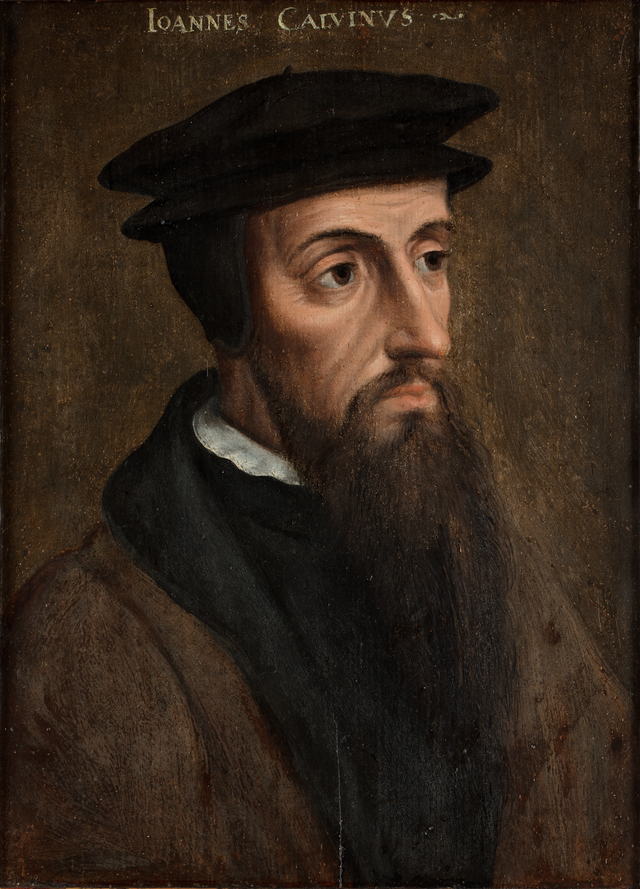
Born in Noyon, France, in 1509, John Calvin was the son of Gerard Cauvin, a notary (a legal administrator of sorts) who was employed in the services of the town's local Bishop.
Due to his father's profession, Calvin was exposed to law and theology from a young age. And as a result of this, he slowly developed a lifelong passion for both topics.
Determined to further his growing knowledge, Calvin was enrolled in the Collège de la Marche in Paris, where he studied subjects like Latin, Logic, and Philosophy.
Although Calvin's father had initially wanted him to pursue a career in the church, he would eventually change his mind and push him towards a career in law instead.
From here, while studying at Universities of Orléans and Bourges, the young man would become increasingly interested in the Protestant Reformation, and begin to question Catholic teaching as a result.
The final nail in the coffin would come in 1533, when a sudden religious conversion would cause him to break away from the Catholic Church entirely, all but abandoning his legal studies in the process.
What Were Calvin's Most Influential Works and Reforms?
In the years following, Calvin would work tirelessly to spread his message and push for religious reform across the board.
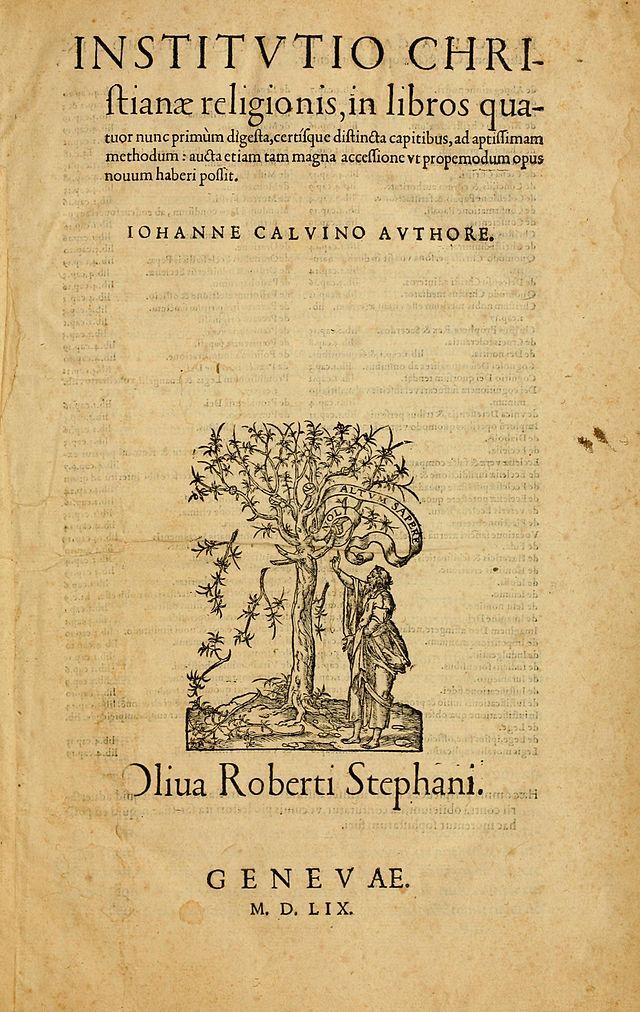
First published in 1536, his most notable work was the “Institutes of the Christian religion” which clearly explained to the masses his core beliefs, including the sovereignty of God, predestination, and the central role of scripture in the life of a Christian.
Throughout his life, Calvin would continue to revisit and expand what many considered his “magnum opus”, with it eventually becoming a highly important resource to protestants far and wide across Europe.
However, not everyone agreed with Calvin's religious views, and in 1538, he would be expelled from the city of Geneva altogether due to his continuing efforts for reform.
Unphased by this, he would settle in Strasbourg instead, a city known to welcome those with protestant ideas with open arms. During this time, lectured on the Bible, wrote extensively, and further refined his understanding of key doctrines such as predestination and the nature of the sacraments.
How Did Calvinism Take Root in Geneva?
In 1541, Calvin would decide to return to Geneva with one clear goal in mind - to create a government that followed the principles he found in his lifelong studies of the bible.
He would set out on his mission by first implementing a series of reforms that shaped the city's political, social, and religious life according to how he interpreted the scriptures.
This included creating the consistory, a type of governing body of priests that oversaw religious practices and enforced moral discipline. Alongside this, he would also draft the Ecclesiastical ordinances, which were basically a blueprint for the structure and administration of the Genevan church.
However, not everyone in Geneva agreed with Calvin's vision. For example, The Libertines, a group that sought to limit the church's power and influence and were constantly at war with Calvin's ideas.
Yet another challenge would come from his involvement with Michael Servetus as well, who did not believe in the concept of trinity (the idea that god is three persons in one).
In 1553, Servetus would be put to death for heresy, with Calvin supporting the ruling. This decision would heavily damage Calvin's overall reputation and spark various debates about religious intolerance for many years to come, even in modern-day times.

What were the Similarities and Differences Between Calvin and Luther?
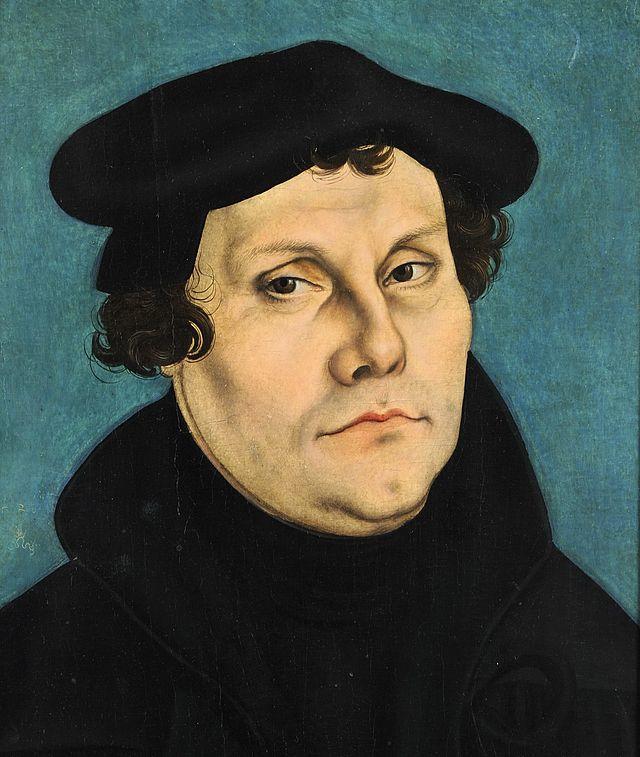
John Calvin and Martin Luther were two of the most important figures in the Protestant Reformation, but what did they have in common?
First and foremost, both believed that the Bible should be the ultimate authority, that faith was the key to salvation, and that the church needed to be reformed.
However, there were also plenty of interesting differences between the two men as well.
For instance, Calvin put a lot of emphasis on the idea of predestination, which is the belief that God has already decided who will be saved and who will not.
On the other hand, Luther tended to focus more on the idea that people are saved through faith alone, rather than by their actions or deeds.
Despite their many differences, Calvin and Luther had a friendly relationship and largely respected each other's work.
How Did Calvinism Spread Through Europe?
Calvinism would slowly but surely spread like wildfire during the second wave of the Protestant Reformation. But how did this happen?
Firstly, in France, the Huguenots would embrace Calvinist theology in the 1550s and 1560s - unfortunately resulting in decades of religious conflict and civil war.
Meanwhile, John Knox, a former student of Calvin, would also spread Calvinism to Scotland with the backing of the Scottish Parliament.
Across the sea, the Netherlands would quickly see a rise in Calvinism in the 1560s too, with this eventually contributing to the Dutch Revolt against Spanish rule.
Lastly, it wouldn't take long before Calvinism became popular in Germany, Poland, and Eastern Europe, where it quickly gained followers from both the upper and lower classes of society.

What Led to the End of the Second Wave of the Protestant Reformation?
The second wave of the Protestant Reformation began to lose momentum due to a combination of factors, including the death of key leaders, political compromises, and the evolving religious and political landscape of Europe.
Luther's death was a significant blow to the Protestant movement, as it lost its most influential leader and guiding force. With Luther gone, a sort of void was left in the leadership of the Reformation.
Although other figures like John Calvin would still continue to spread protestant beliefs, the movement would lose much of the unity and drive it had once had under Luther.
The Peace of Augsburg, signed in 1555 following the brutal events of the Schmalkaldic War, established the principle of "cuius regio, eius religio," allowing German princes to choose the official religion of their territories, be it Catholicism or Lutheranism.
While the agreement did halt many of the religious conflicts that had plagued Germany, it also played a significant part in widening the ever-growing division between Catholic and Lutheran territories which made further expansion of Protestantism even more difficult.
While these events were happening, the Catholic Church had launched the Counter-Reformation in a bid to address its own issues and combat Protestantism's ongoing spread and influence. The Council of Trent would eventually reaffirm Catholic doctrine, tackle clerical abuse, and start widespread reforms - making Catholicism a lot more appealing to those who had once been drawn to Protestantism.
As if this wasn't enough, Emperor Charles V's abdication in 1556 further shook up the political landscape of Europe. His once mighty empire was split down the middle, with Spain going to his son Philip II and Austria to his brother Ferdinand I.
Conclusion
The Second Wave of the Protestant Reformation was a turbulent time in history with Calvinism appearing and religious reforms spreading far and wide through Europe. All in all, John Calvin would become one of the driving forces behind this movement, with his groundbreaking work and his bold reforms in Geneva making waves across the whole continent. However, the second wave would finally grind to a halt due to a combination of factors, including the death of Martin Luther and the church's efforts to stop it through huge reforms.
Summarise with AI:
Did you like this article? Rate it!

 Loading...